THE DECISION IN BRIEF
Our foamer works slowly but portions become inconsistent when users press quickly. Should nominal output increase?
Compare complete return and liquid delivery at defined pressing rhythms with final bulk. Evaluate the intended user routine before choosing another engine; higher nominal output alone may not address recovery.
Find the real pressing pattern
Observe how customers are expected to obtain their portion. Some products encourage several quick presses, while others need one deliberate action. Record whether people allow the actuator to return before pressing again. That detail belongs in the application brief, not only in the supplier's test room. Record whether the required hand position changes as users hurry, since incomplete strokes may reflect access as well as return.
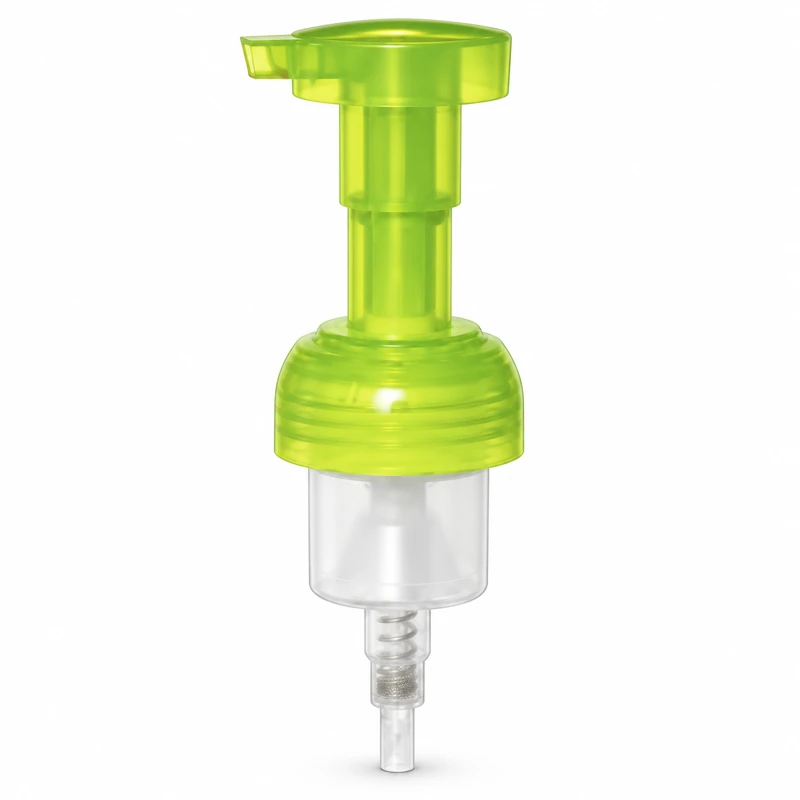
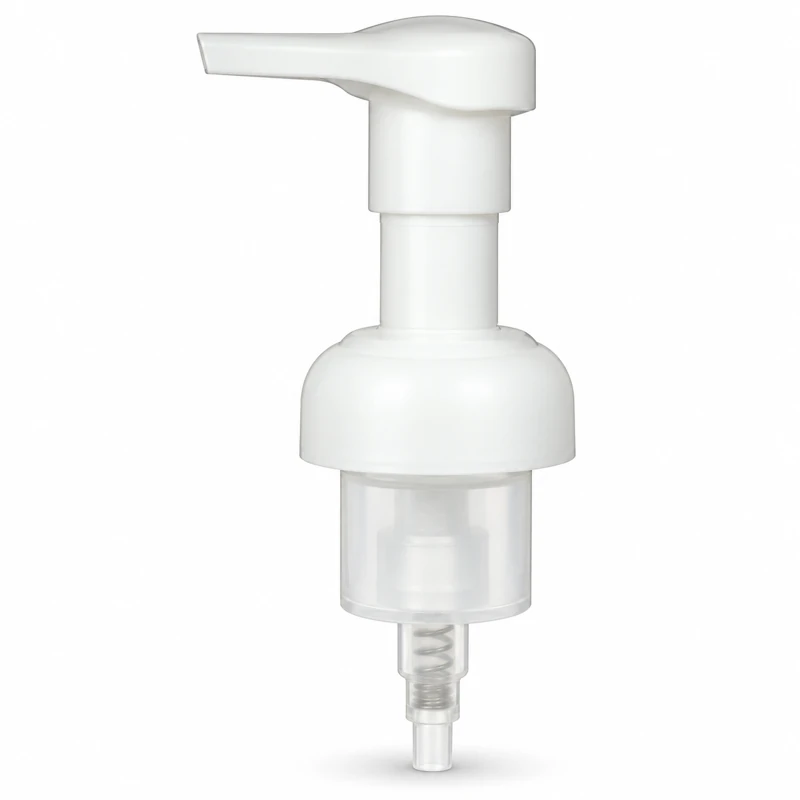
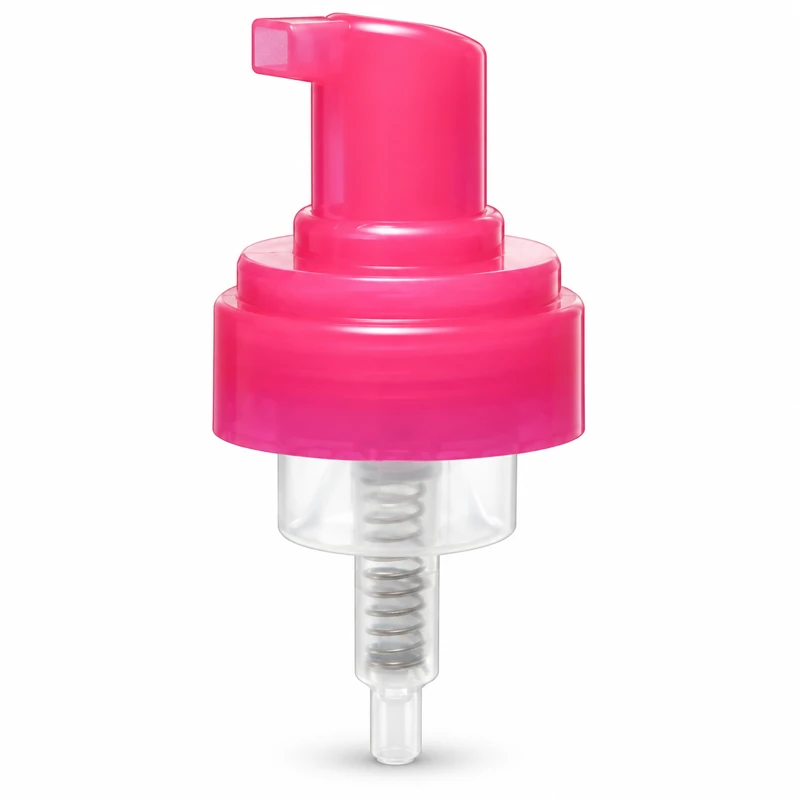
Silgan's F3 page identifies several engines and their liquid portions. The selected engine should be compared against the actual routine rather than inferred from head size.
Read the sequence
Use matched samples and final bulk. Start with a controlled comparison, then observe ordinary use to understand how often the condition occurs.
| Behaviour | Next assessment |
|---|---|
| Head not fully returned | Return and available stroke |
| Full return, variable portion | Measured liquid delivery and selected engine |
| Texture changes while volume seems similar | Foam quality at the relevant rhythm |
| Users need many strokes | Usable portion and application requirement |
Compare a change without moving the target
Ask the supplier whether another configuration is intended for the proposed task. Label candidates clearly and keep bottle, bulk and use sequence comparable. If output changes, account for the new number of strokes needed.
Review effort and bottle stability as well as speed. A configuration that produces a satisfactory portion under technical staff's rapid pressing may remain awkward for intended users.
Do not silently prescribe a slower rhythm if that contradicts the product's expected routine. If an instruction is necessary, include it in the actual user assessment and decide whether it is reasonable.
Choose the better routine
The solution may be a different portion, another engine or a revised application instruction supported by the product team. Compare total user effort to obtain the intended amount rather than rewarding whichever sample survives the fastest demonstration. The accepted result should describe a practical task the pack can perform consistently.
Sources & further reading
Use the references below alongside the selected component drawing and agreed sample plan. Product-specific claims need product-specific evidence.
PRODUCT REFERENCES
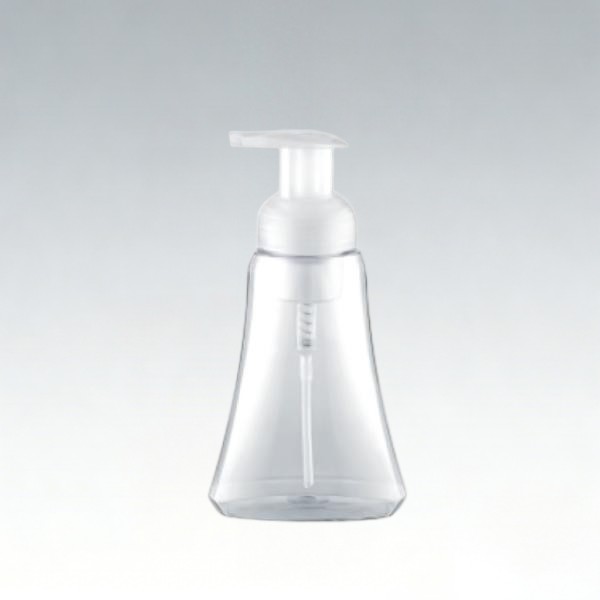
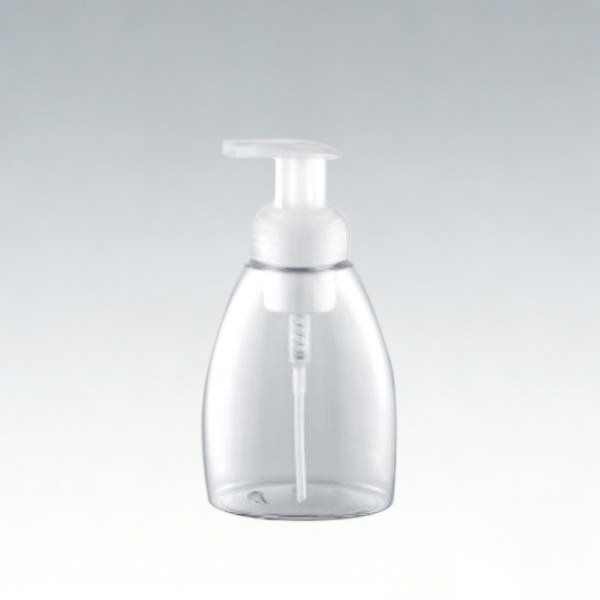
Components to discuss with your supplier.
These references share the component type discussed here. Confirm the selected assembly and application with samples.
VIEW THE COMPONENTS