THE DECISION IN BRIEF
Our old approved pump feels different from new deliveries. Which sample should control?
Check reference identity, storage history and written specifications before judging the lot. Use retained samples with documented revisions and condition; an ageing sample should not silently override current approved requirements.
Ask what the reference represents
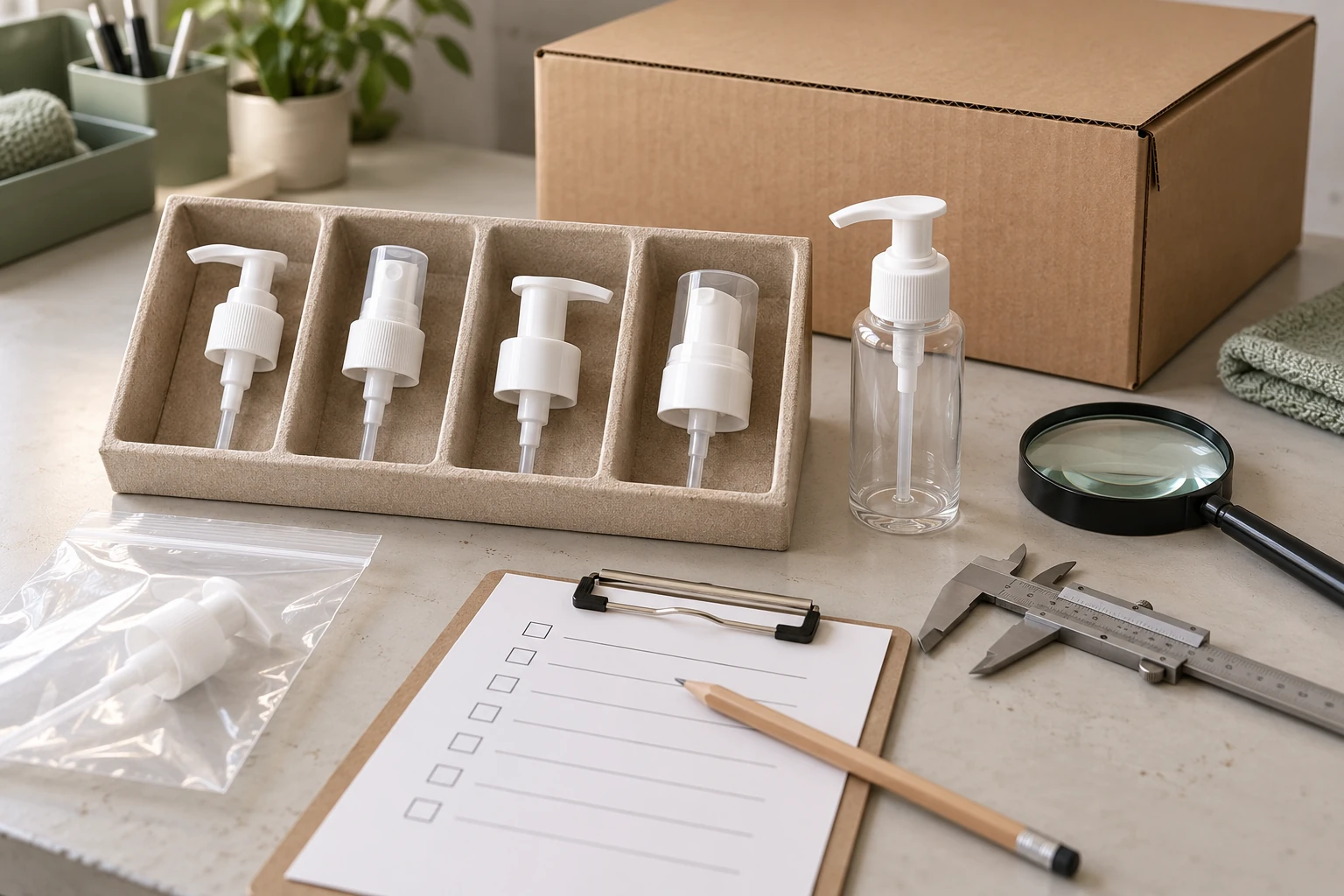
A retained pump may be an appearance master, a functional sample, a filled compatibility sample or a production retention. Label its purpose. A dry decorative master cannot answer how the current formula dispenses, while a used filled sample may no longer represent original appearance.
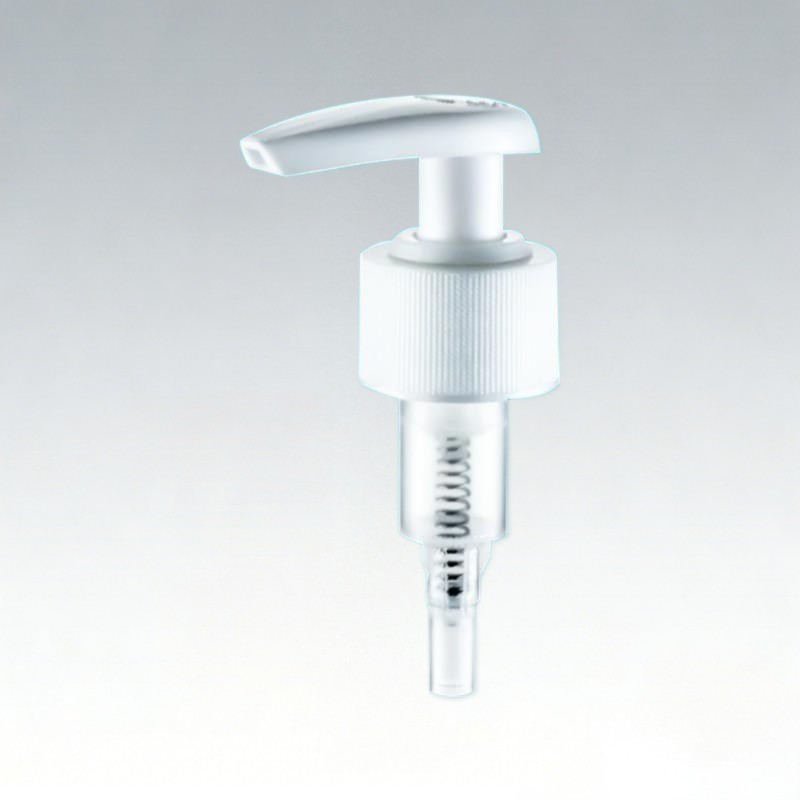
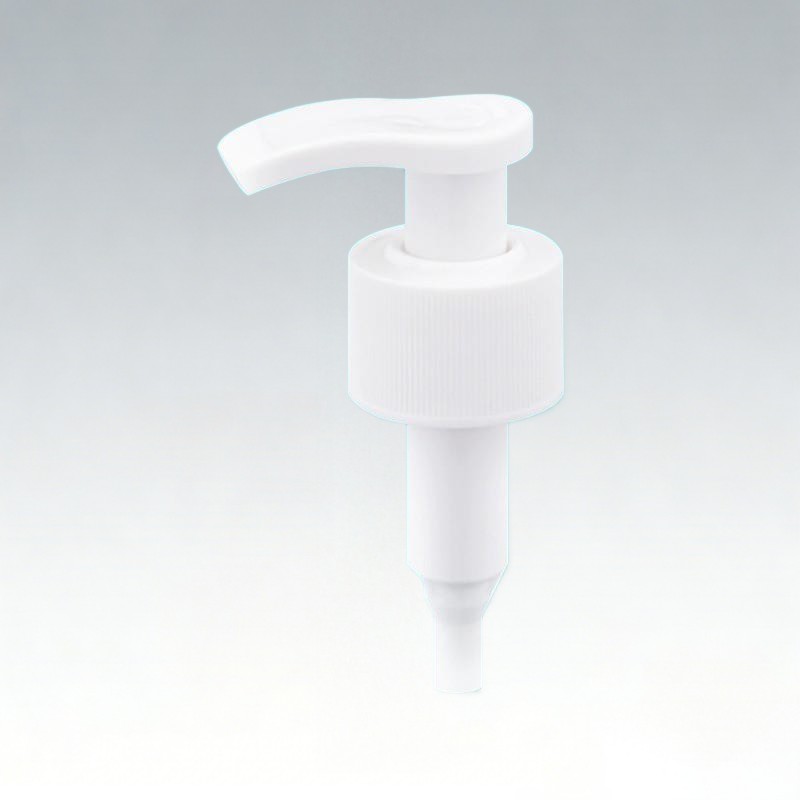
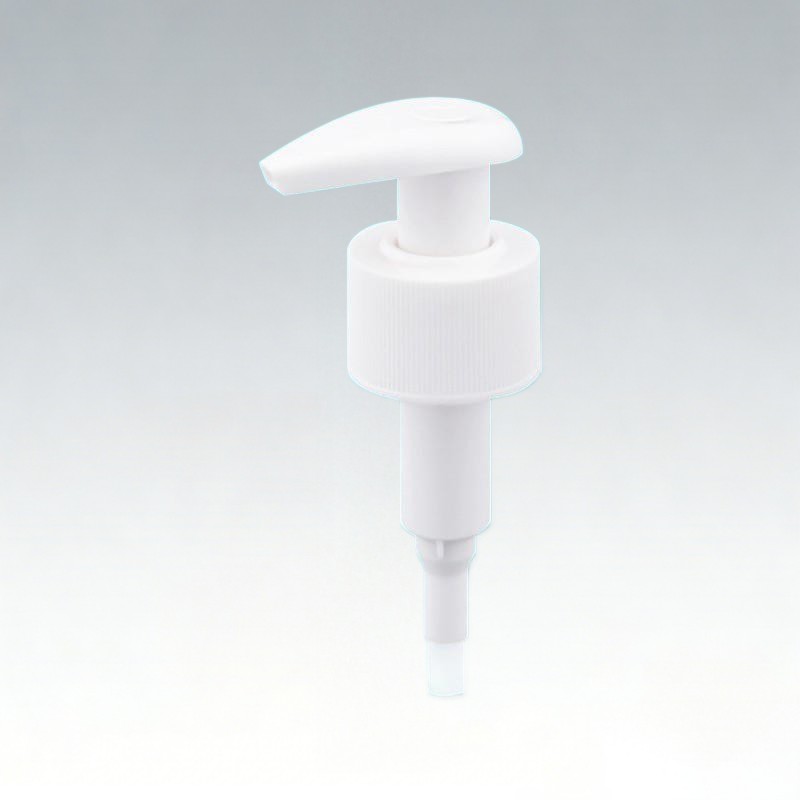
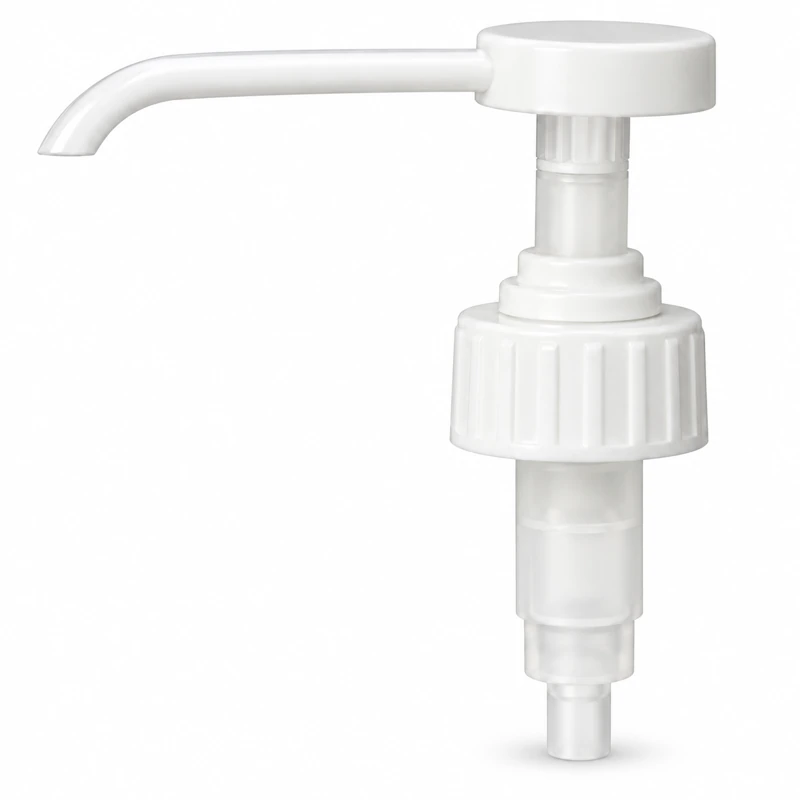
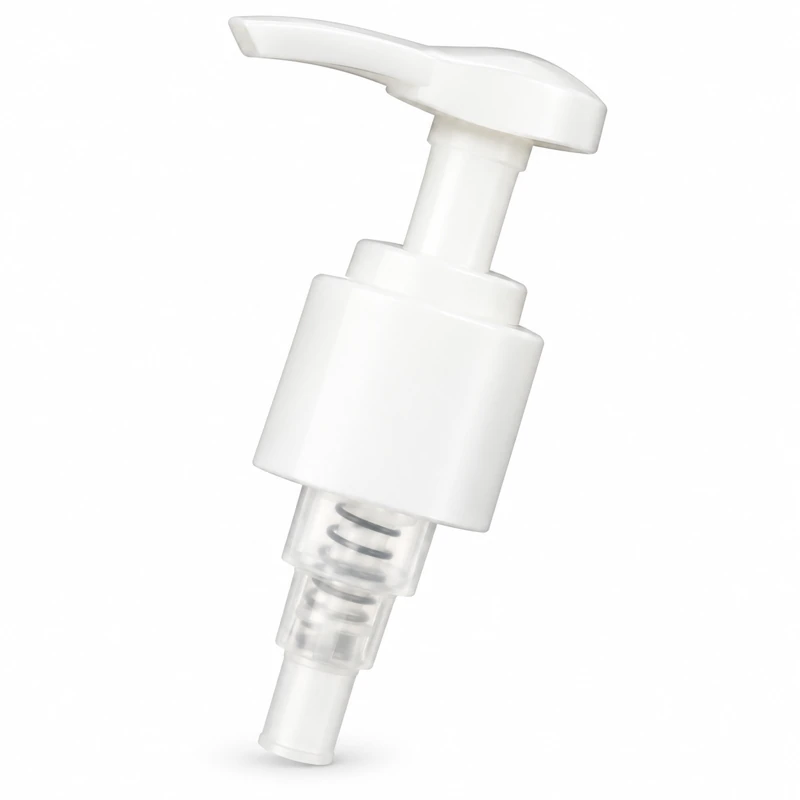
O.Berk separates the pump's external and internal components. That makes it useful to retain both written configuration identity and the intended sample, rather than expecting a loose head to reveal its complete construction.
Audit the reference set
Use your quality process to decide retention conditions and replacement. No universal shelf life for a reference sample should be invented.
- Confirm part reference, revision and approval purpose.
- Record whether the sample is dry, filled, used or evaluated.
- Review storage and handling history.
- Identify superseded references and preserve their status clearly.
- Reconcile the current written specification with the approved physical reference.
Resolve disagreement with evidence
If new material differs, compare identified samples using the agreed method. Record the specific difference: colour, movement, portion, residue or assembly. “Feels wrong” is a starting observation, not a complete rejection rationale.
Ask the supplier whether any approved or unapproved change occurred. A reference that aged is one possibility; a component substitution is another. Preserve both samples while investigating instead of immediately replacing the old master or accepting the new lot.
When a deliberate improvement is approved, update the reference register and tell the filler which prior sample is superseded. Retain historical information needed for existing stock without allowing multiple samples to compete as current standards.
A useful approval system states what controls when documents and samples disagree and who resolves that conflict. Purchasing can then make a defensible release decision based on identity and relevant evidence, rather than whichever sample happens to be closest to the desk.
Sources & further reading
Use the references below alongside the selected component drawing and agreed sample plan. Product-specific claims need product-specific evidence.
PRODUCT REFERENCES
Components to discuss with your supplier.
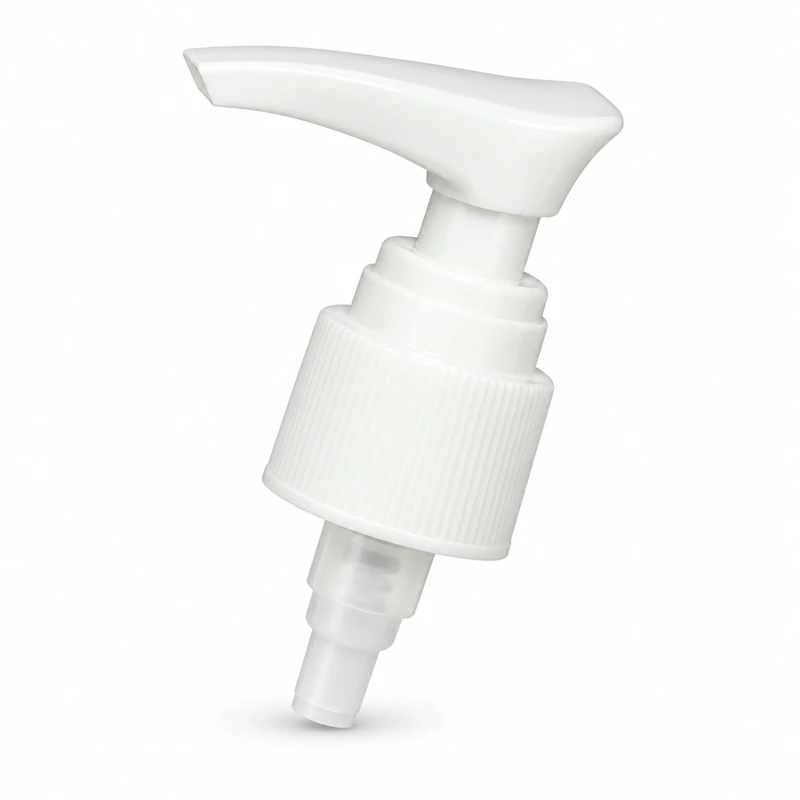
These references share the component type discussed here. Confirm the selected assembly and application with samples.
Related articles
VIEW THE COMPONENTS