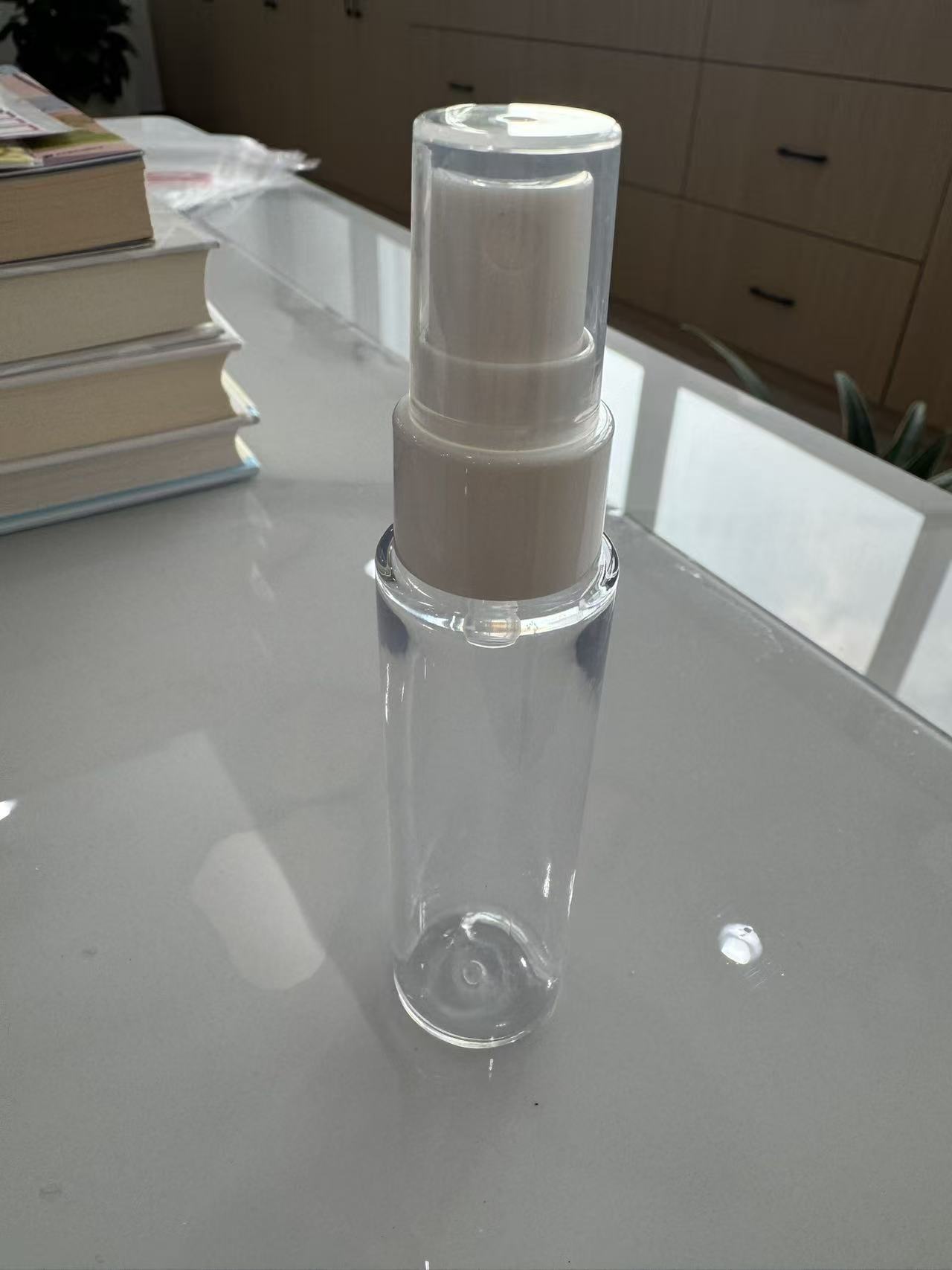
THE DECISION IN BRIEF
Users make short presses on our oil sprayer and get an uneven deposit; should we change the actuator?
Compare full intended strokes with observed short strokes on the same identified configuration, then decide whether instructions, handling or another candidate better supports the task.
Observe the action that produces the complaint
Watch the intended task before coaching users. Record finger placement, stroke completion, cadence and the target area. A short stroke may be deliberate because the user wants a small deposit, or it may result from awkward reach. Those situations suggest different next steps.
Keep the observation distinct from a formal force or output measurement. A video of an incomplete press does not quantify the mechanism or establish a component defect. It documents a use condition that the buyer and supplier can investigate.
Compare the intended and observed techniques
Use a consistent formula, bottle, fill state and target. Compare the supplier's intended operation with the short action that occurs in the task. Record whether the difference concerns amount, distribution, residue or restart.
If full operation gives the required result but observed use does not, ask whether the product can reasonably depend on that technique. If both are inconsistent, investigate the assembly before concentrating on user instruction. Do not ask a user to compensate indefinitely for an unsuitable package.
- Record why users shorten the action.
- Keep target distance and bottle orientation fixed.
- Identify actuator and nozzle references.
- Compare first and repeated actions separately.
Choose a practical remedy
Aptar's PZ2 page describes formula-specific spray options. Ask for a candidate against the incremental application task, not merely a pump described as easier to press. The sample should support comparison of the intended deposit and the way users naturally operate it.
A clearer instruction may be appropriate when users can comfortably follow it. A different actuator or dispensing format may deserve samples when the task naturally requires incremental placement. Any new candidate needs evaluation with the same oil formula and bottle. Approve the demonstrated use condition rather than describing a pump as precise simply because it looks controllable during a coached demonstration.
If users shorten the stroke because a complete action deposits too much for the task, consider a different proposed output or format. Merely emphasizing full strokes would preserve the dispenser's demonstration while leaving the application need unresolved. Compare the useful deposit before deciding which instruction or candidate to retain.
Sources & further reading
Use the references below alongside the selected component drawing and agreed sample plan. Product-specific claims need product-specific evidence.
PRODUCT REFERENCES
Components to discuss with your supplier.
These references share the component type discussed here. Confirm the selected assembly and application with samples.
Related articles
VIEW THE COMPONENTS