THE DECISION IN BRIEF
Some newly closed oil bottles push liquid around the collar; should we reject the sprayer?
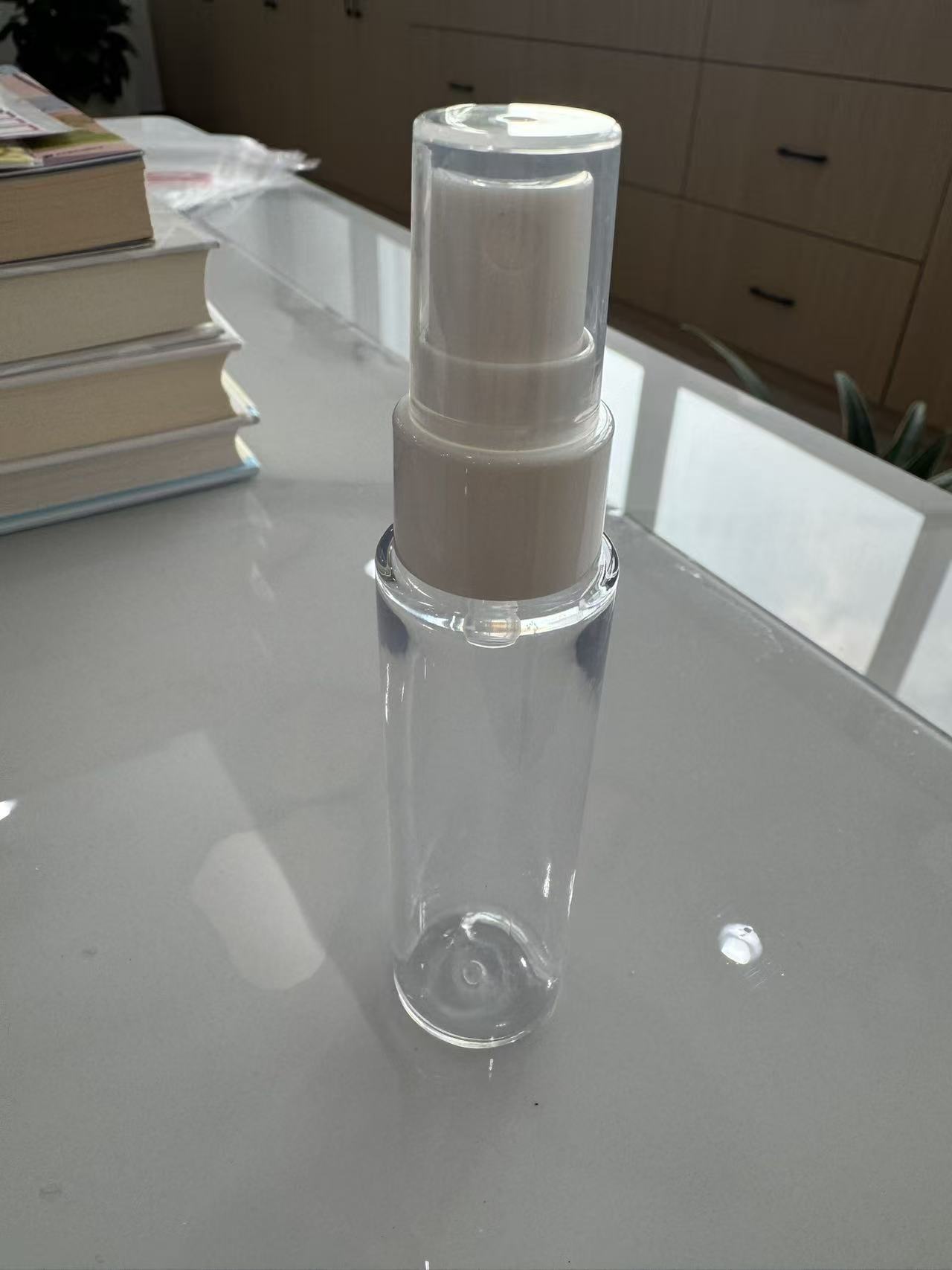
Preserve the as-filled condition and review fill level, bottle capacity information and closure application together. Compare controlled assemblies before assigning the cause.
Preserve the immediate event
Observe the bottle before cleaning the collar or removing the sprayer. Record fill condition, formula batch and the exact closing sequence. Note whether wetness appears during insertion, tightening or later standing.
Ask the bottle supplier for the relevant capacity and geometry information and the filling team for the intended fill specification. A printed sales capacity alone does not describe every detail of the filled assembly. Avoid inventing a universal headspace allowance from a photograph.
Compare the specified filling arrangement
Work with the responsible teams to assemble matching packages under the intended process. Keep sprayer and bottle references fixed and record any difference in fill level or insertion procedure. Distinguish external liquid carried from filling from liquid newly displaced or appearing after closing.
If the effect follows a process deviation, investigate that step. If it appears within the intended process, ask both suppliers to review the full package. Do not cut the tube or modify internal parts simply to make the closing demonstration look dry.
- Record fill condition before inserting the assembly.
- Identify the bottle and closure references.
- Photograph the moment wetness appears.
- Preserve untouched comparison packages.
Choose the next package decision
Aptar notes container size, shape and formula in its package caveat. Keep those references with the as-filled observation. Ask the technical owners whether the next controlled comparison should change process, geometry or assembly, rather than altering several variables together.
A corrective proposal may concern the filling process, bottle geometry or sprayer arrangement. Keep each proposed change identified so its effect can be evaluated. Confirm that the selected package still supports normal dispensing, storage and recovery. The goal is a reproducible assembly process, not an unsupported statement that a certain fill height guarantees a leak-free bottle.
Ask the technical owners to clarify the capacity terminology used in the filling specification. If teams use different definitions, reconcile them before changing settings. The correction should be based on the actual container and assembled process, not a guessed relationship between the label quantity and the visible liquid level.
Sources & further reading
Use the references below alongside the selected component drawing and agreed sample plan. Product-specific claims need product-specific evidence.
PRODUCT REFERENCES
Components to discuss with your supplier.
These references share the component type discussed here. Confirm the selected assembly and application with samples.
Related articles
VIEW THE COMPONENTS