THE DECISION IN BRIEF
Our metallic heads arrive clean but look scratched after assembly. What should purchasing change?
Inspect components at successive handling stages, then revise the responsible contact or protection. Do not change decoration before locating where damage begins.
Create a stage-by-stage appearance record
Inspect unopened supplied assemblies under the agreed viewing conditions. Continue at hopper discharge, track exit, application, capping, and finished packing where relevant. Keep the component lot and time period attached to each sample. A clean incoming reference is essential when the dispute concerns line-created marks.
Map scratch direction and location on the actuator. Repeated marks at the same height can help identify a contact point. Random rubbing may follow bulk handling or component-to-component movement. Preserve representative samples before polishing or touching up surfaces.
Check the handling path
Locate the first handling step that introduces the mark. Compare identified samples before feeding, after transfer and after application, keeping the same decorated surface and line route so the next adjustment targets the observed contact.
- Review hopper loading and component movement.
- Inspect rails, guides, and application contact points.
- Compare manual and normal automatic handling.
- Check cap installation and final carton contact.
Choose process or finish revision deliberately
If damage begins at a defined contact point, work with the filler to correct guidance, material, or pressure as appropriate. A harder coating may reduce visible damage while leaving an excessive contact condition unresolved. Record any line change and inspect component function afterward.
If normal approved handling still damages the finish, ask the supplier for a production-intent alternative. Compare color, feel, formula contact, and wear under the same route. Do not accept a new coating based only on a pristine loose sample.
Release appearance through the full route
Agree the permitted final appearance with physical references and viewing conditions. Distinguish marks on hidden surfaces from visible damage only where the approved specification supports that distinction. A subjective instruction such as handle more gently is insufficient for repeatable production.
Freeze relevant packing and handling requirements with the decoration revision. Recheck after changes to line guides, bulk count, cap design, or finish process. Purchasing should understand whether the correction changes component price, packing volume, or filling effort, so the chosen solution remains practical on repeat orders.
Sources & further reading
Use the references below alongside the selected component drawing and agreed sample plan. Product-specific claims need product-specific evidence.
PRODUCT REFERENCES
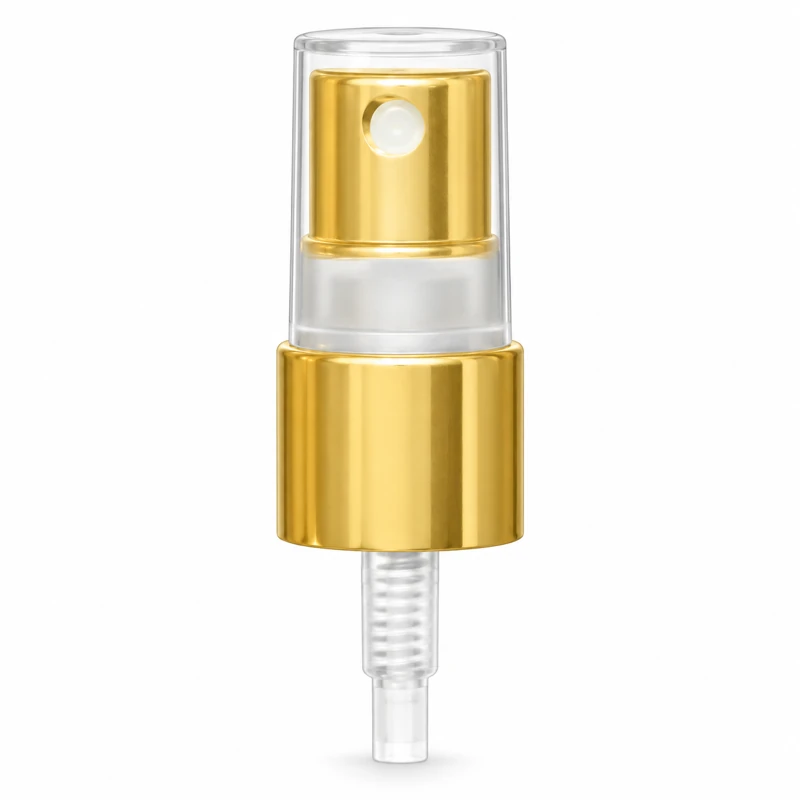
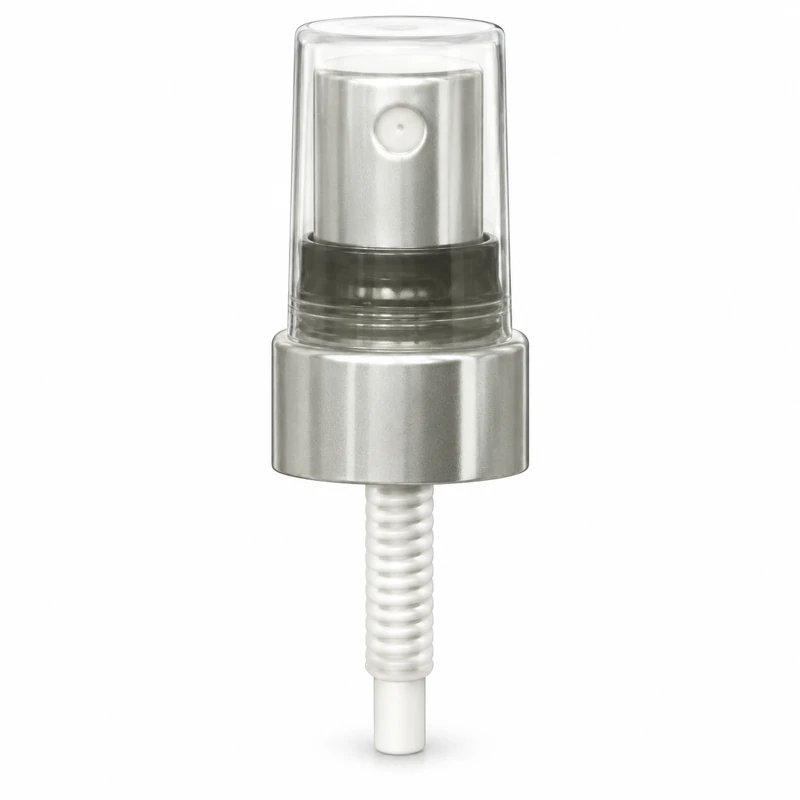
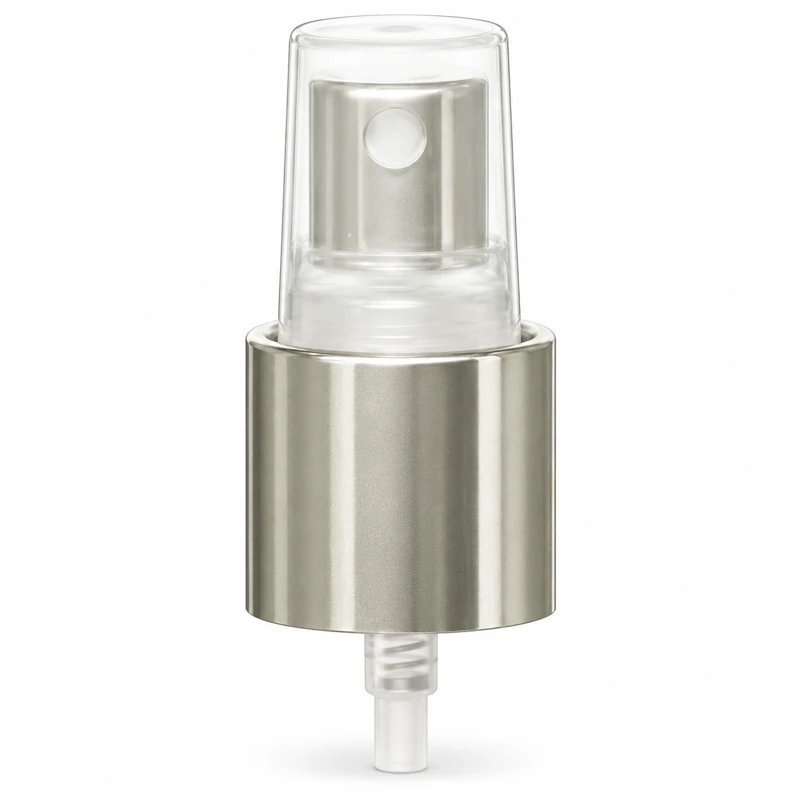
Components to discuss with your supplier.
These references share the component type discussed here. Confirm the selected assembly and application with samples.
Related articles
VIEW THE COMPONENTS