THE DECISION IN BRIEF
Collars leave the supplier clean but emerge from capping with circular marks. Which supplier should correct this?
Compare incoming and line-applied samples, identify the contact location and review the tooling with the filler and pump supplier. Establish the cause before changing decoration or tightening settings.
Find the first stage that creates the mark
Retain an incoming sample, one handled through the line without closure application where practical, and a normally applied pack. Label each state. This separates ordinary handling from the gripping or turning action that may create the observed damage.
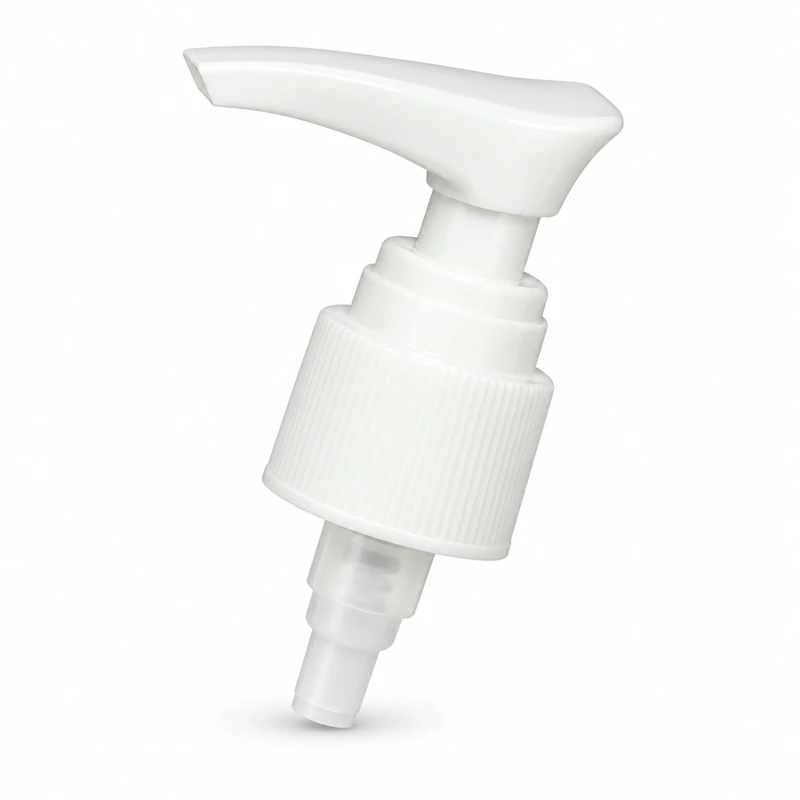
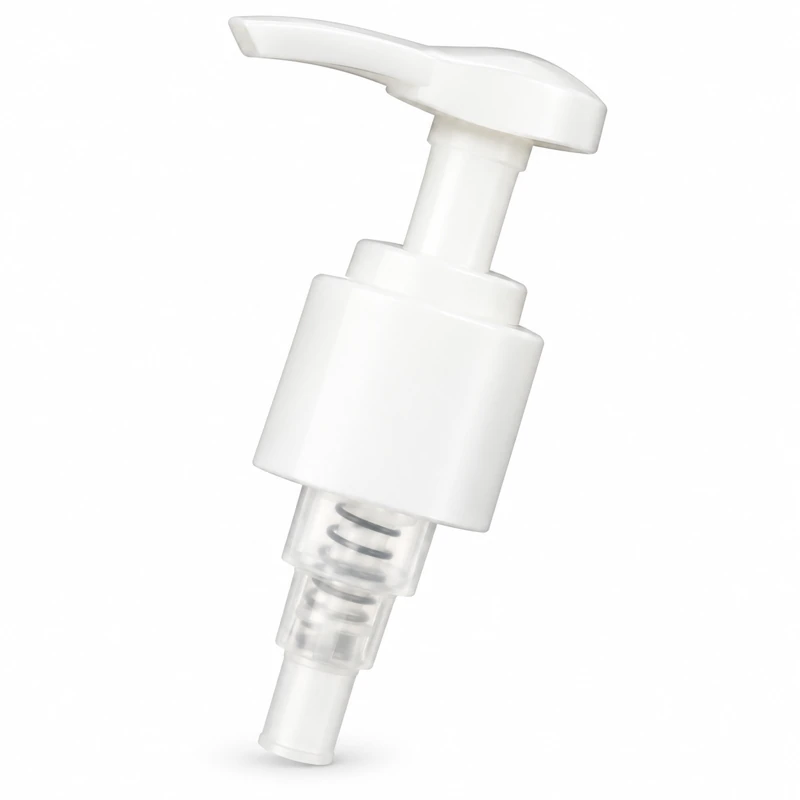
O.Berk describes both smooth and ribbed closure surfaces and optional metal overshells. Those differences make the actual exterior configuration relevant to tooling selection; a machine setup suitable for one collar should not automatically be transferred to another.
Review the application interface
Follow the equipment and component suppliers' guidance. Do not improvise a universal gripping pressure or application setting.
- Identify the tool surface that contacts the collar.
- Confirm the pump and tool references used in the trial.
- Inspect alignment and any unintended contact.
- Compare production-intent decorated and undecorated references where useful.
- Check sealing and operation after any process adjustment.
Avoid a cosmetic fix that creates another fault
Reducing tool grip may improve appearance while causing incomplete application. A softer liner or different tool profile may alter consistency. Evaluate both presentation and the approved closure result before choosing the remedy.
If the mark is already present before the machine, preserve that evidence and review incoming packing or decoration. Shared photographs of the same identified samples prevent the supplier and filler from discussing different defects.
Run the accepted setup under representative operating conditions rather than relying on a carefully guided hand trial. Inspect rejected packs and the retained successful examples so the quality team can recognize both outcomes.
Record the tool or approved setup reference with the component configuration. When collar material, surface or dimensions change, review the application interface again. Purchasing should connect its premium finish requirement to a production method capable of preserving it, rather than assigning blame from the appearance of the finished mark alone.
Sources & further reading
Use the references below alongside the selected component drawing and agreed sample plan. Product-specific claims need product-specific evidence.
PRODUCT REFERENCES
Components to discuss with your supplier.
These references share the component type discussed here. Confirm the selected assembly and application with samples.
Related articles
VIEW THE COMPONENTS