THE DECISION IN BRIEF
Why does delivery become intermittent near the end of the bottle?
Compare the remaining liquid with the position of the tube inlet at the actual working angle. A pump can deliver normally at high fill and still leave an unacceptable amount behind.
Reproduce the last-use condition
Use the intended bottle rather than a taller laboratory substitute. Reduce the fill through normal operation and note when delivery first changes. Weigh the remaining contents if evacuation matters to the buying decision; a photograph alone can make a shallow pool look larger or smaller than it is.
Record the user angle at the point of interruption. A tube positioned at the bottle base while upright may be exposed when the user tips the bottle forward. Repeat with a representative range of tube positions rather than approving the one tube that happens to face the remaining pool.
Inspect the inlet without assuming the cause
Check whether the tube is too short, bent away from the pool or pressed against the base. Inspect its connection to the housing and preserve the original condition before disassembly. An air leak at the connection and an uncovered inlet can both cause interrupted delivery.
Changing tube length can change its curvature and position. Request revised samples with the intended tube material and cut, then repeat high-fill and low-fill use. Do not approve a longer tube simply because it reaches the base in an empty bottle.
Specify the usable end of the pack
Agree what matters commercially: stable operation at the usual angle, acceptable remaining product, or a stated instruction to reposition the bottle. These are different requirements. A numerical residual target needs an agreed method and formula, rather than an assumed industry limit.
Ask the quotation to identify the approved tube specification, not merely a nominal length. Keep the low-fill observation with the sample so a later bottle or tube substitution does not inherit an evacuation result it has never demonstrated.
Sources & further reading
Use the references below alongside the selected component drawing and agreed sample plan. Product-specific claims need product-specific evidence.
PRODUCT REFERENCES
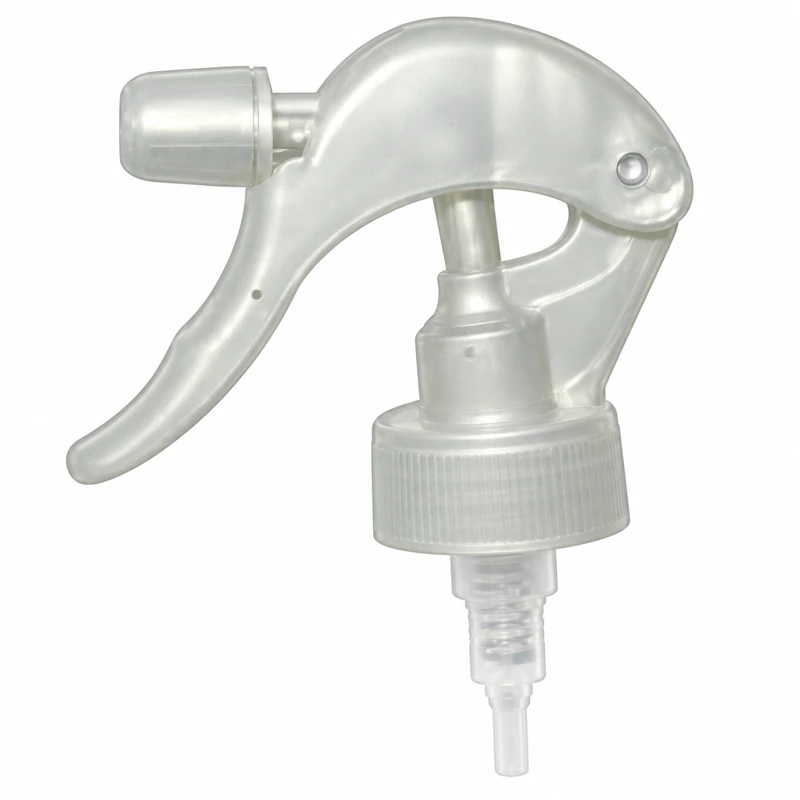
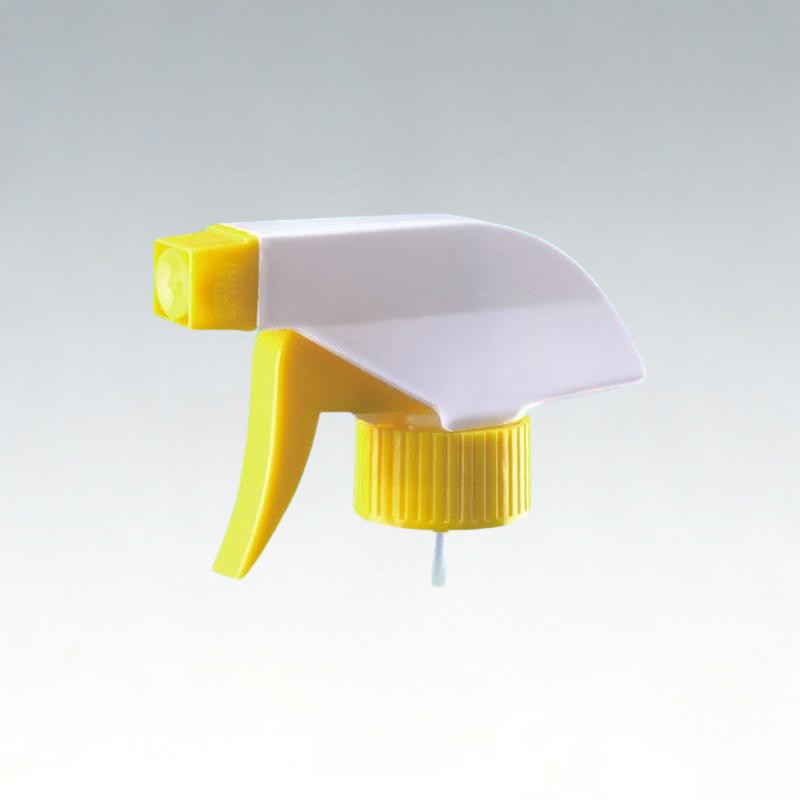
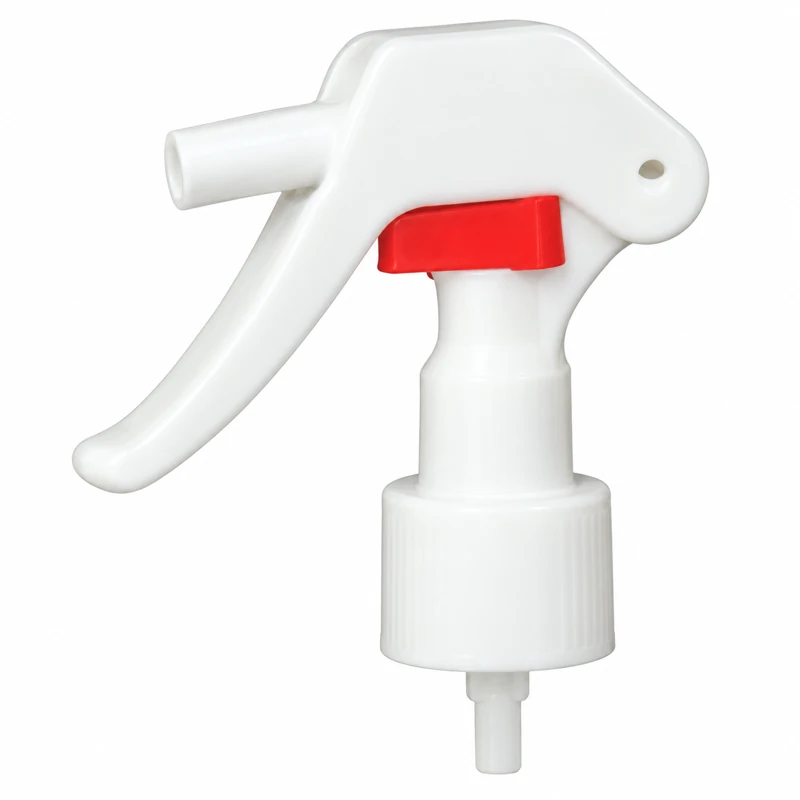
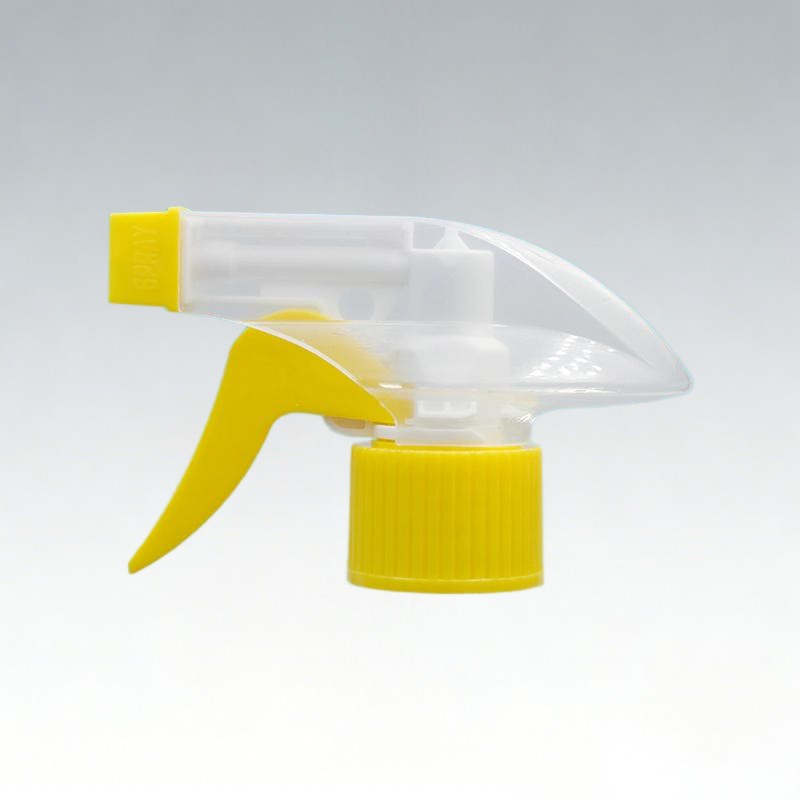
Components to discuss with your supplier.
These references share the component type discussed here. Confirm the selected assembly and application with samples.
Related articles
VIEW THE COMPONENTS