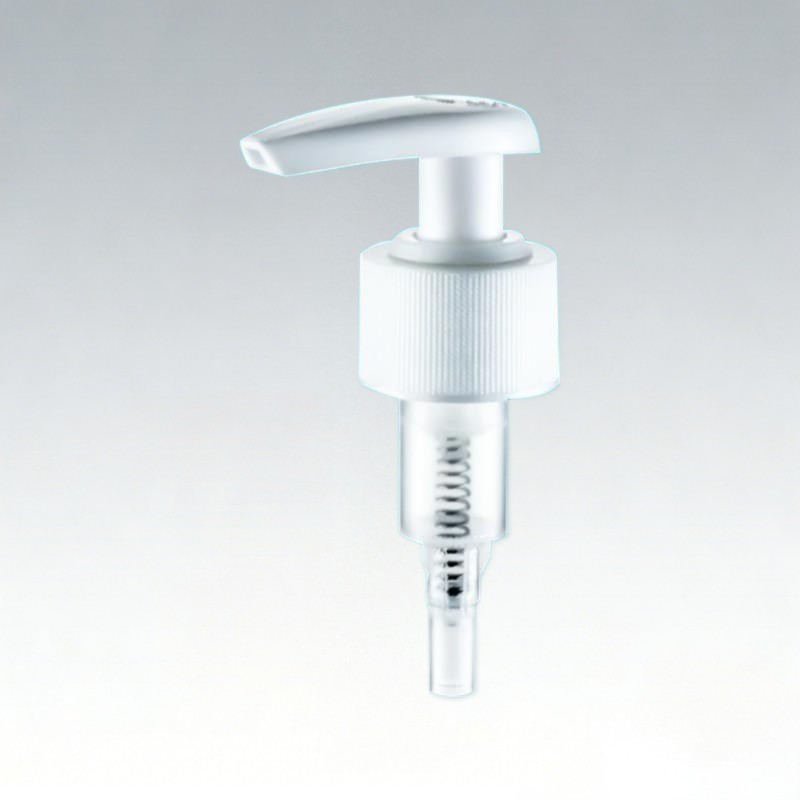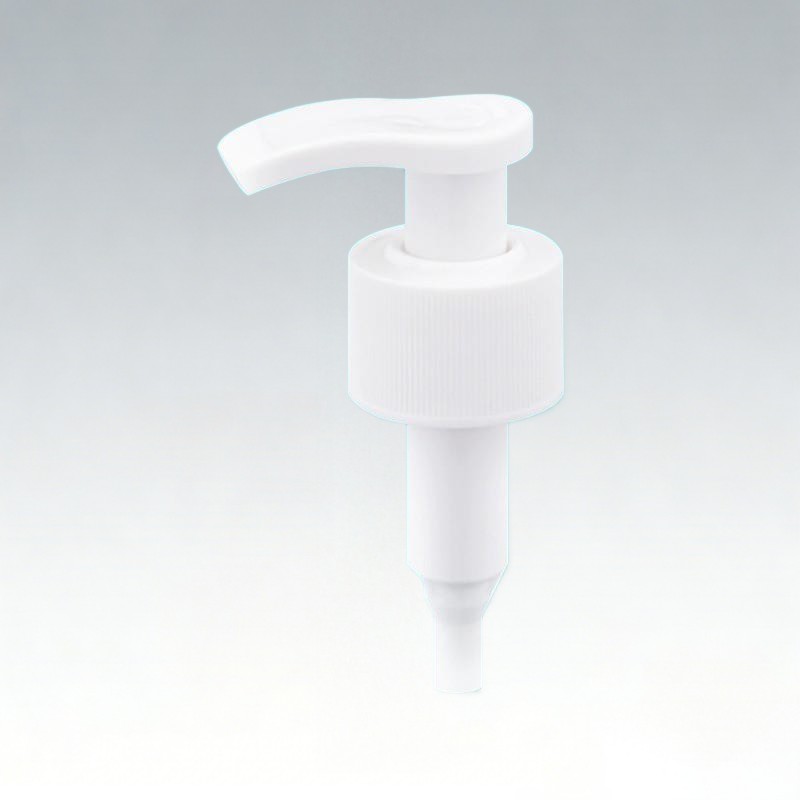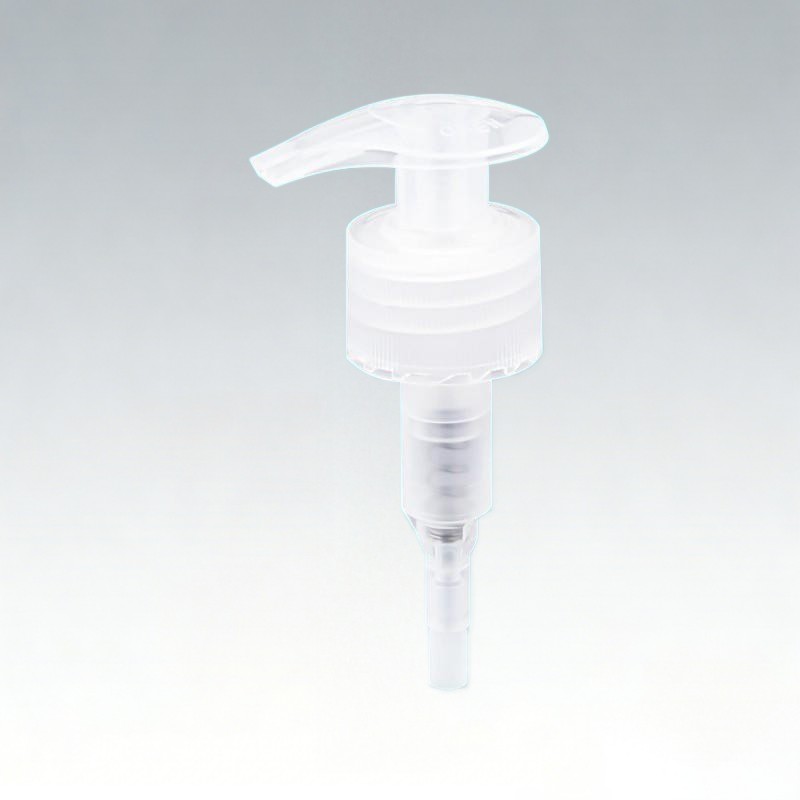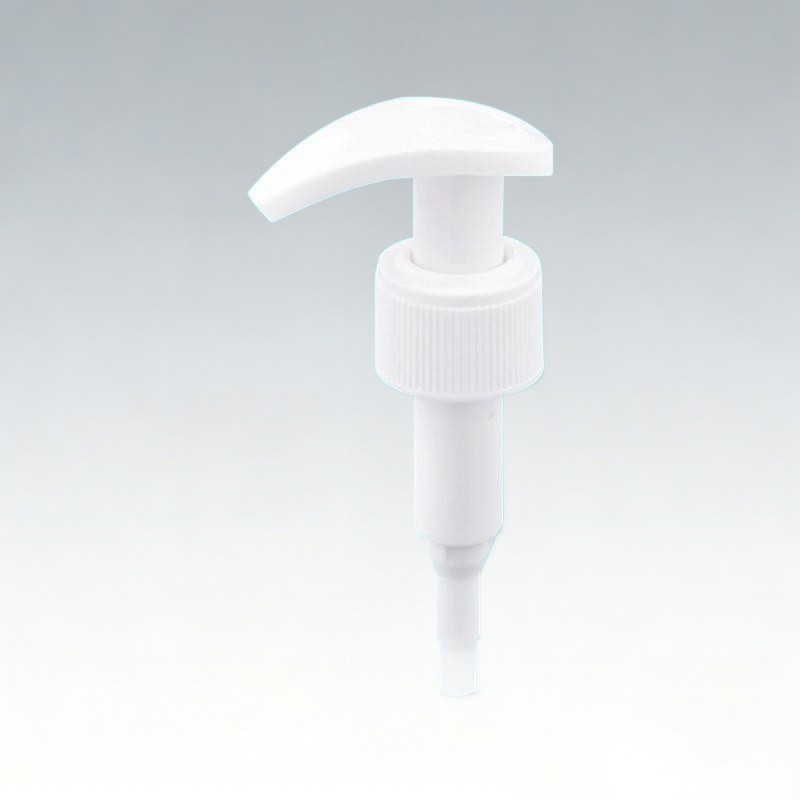
THE DECISION IN BRIEF
We want every spout facing the front label. Can operators turn the whole pump after capping?
Ask whether the selected design supports independent actuator orientation. Approve a controlled alignment method that preserves closure seating and function; do not rotate the complete closure casually for appearance.
Define which component may rotate
Some designs offer actuator orientation features, while others use rotation for locking or assembly. Ask the supplier to demonstrate the selected reference and identify intended movements. Do not infer a free-turning head from an unrelated pump's video. Clarify whether front-facing orientation matters only inside the retail carton or also when the unpacked bottle first reaches the customer.
Aptar's Future resource describes a specific freely rotating actuator. That is evidence that orientation behaviour is design-dependent, not a capability to assume on every lotion pump.
Review the alignment task
Use the actual bottle, label and lock state rather than a loose component demonstration.
- Establish the desired display and transport orientations.
- Confirm the supplier-approved rotating interface.
- Check closure seating before and after alignment.
- Operate the lock and dispense after adjustment.
- Observe the intended line or packing procedure.
Evaluate production practicality
If precise orientation requires a separate station or manual work, include the cost and consistency in the quotation comparison. A visually ideal hand sample may conceal an impractical production task.
Consider whether label application can instead accommodate the approved pump position. Coordinate with the filler and decorator before committing either process. Changing the label location can have its own visual or tooling consequences, so compare the whole route.
If the head's orientation changes during ordinary use, decide whether exact initial alignment provides meaningful value. The product may need a consistent packed presentation without promising that users will keep the spout permanently centred.
Document the accepted method and appearance reference alongside the closure instructions. Keep the operating lock state clear so packers do not mistake unlocking for alignment. A later actuator or engine substitution should trigger review of the rotating interface, even if the overall dimensions and colour remain unchanged. The purchase should deliver an attractive pack without making its sealing condition dependent on a last-minute visual adjustment.
Sources & further reading
Use the references below alongside the selected component drawing and agreed sample plan. Product-specific claims need product-specific evidence.
PRODUCT REFERENCES
Components to discuss with your supplier.
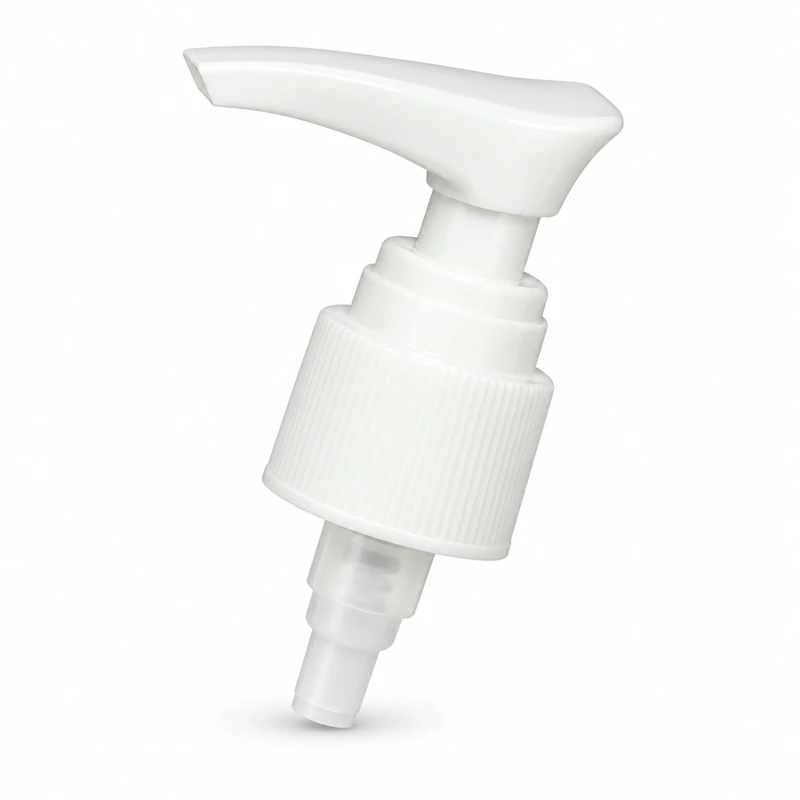
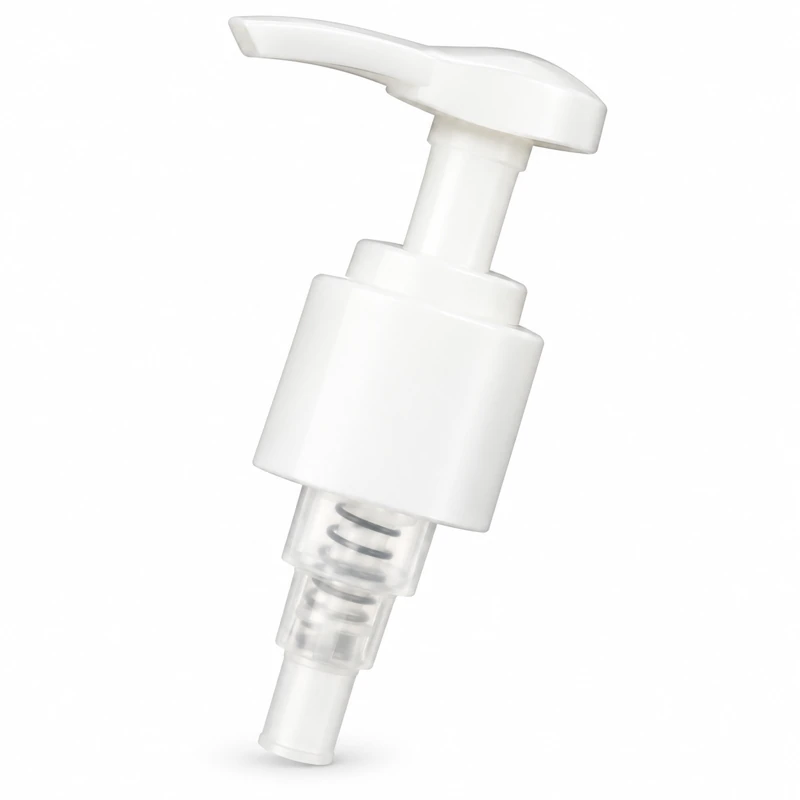
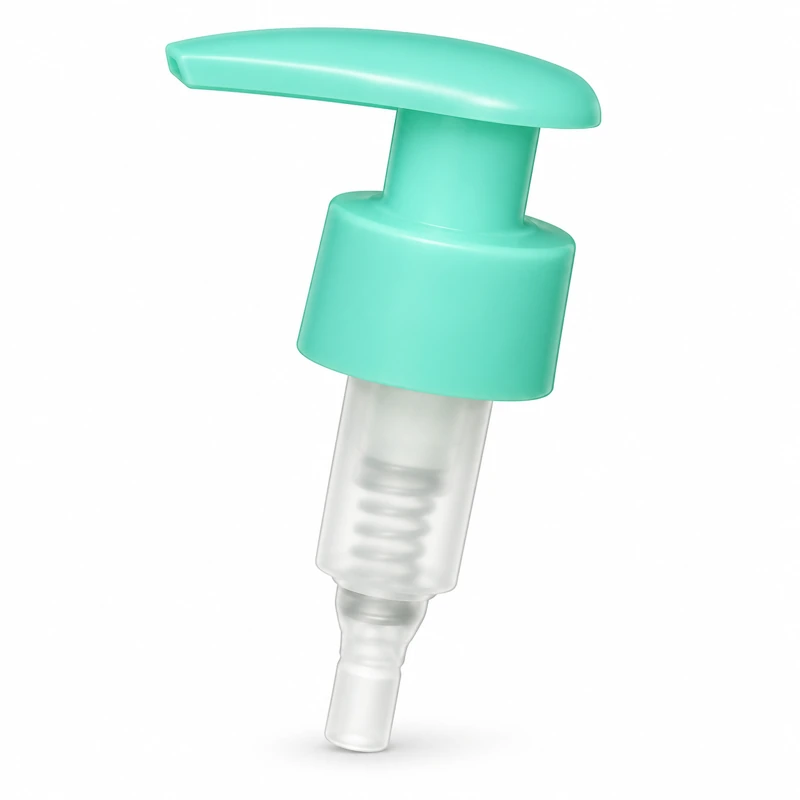
These references share the component type discussed here. Confirm the selected assembly and application with samples.
Related articles
VIEW THE COMPONENTS