THE DECISION IN BRIEF
Oil is visible on the neck before the sprayer is fitted; how should we investigate later collar wetness?
Record the neck condition at assembly and compare controlled filling histories. Preserve the actual bottle–closure pairing before changing seal materials.
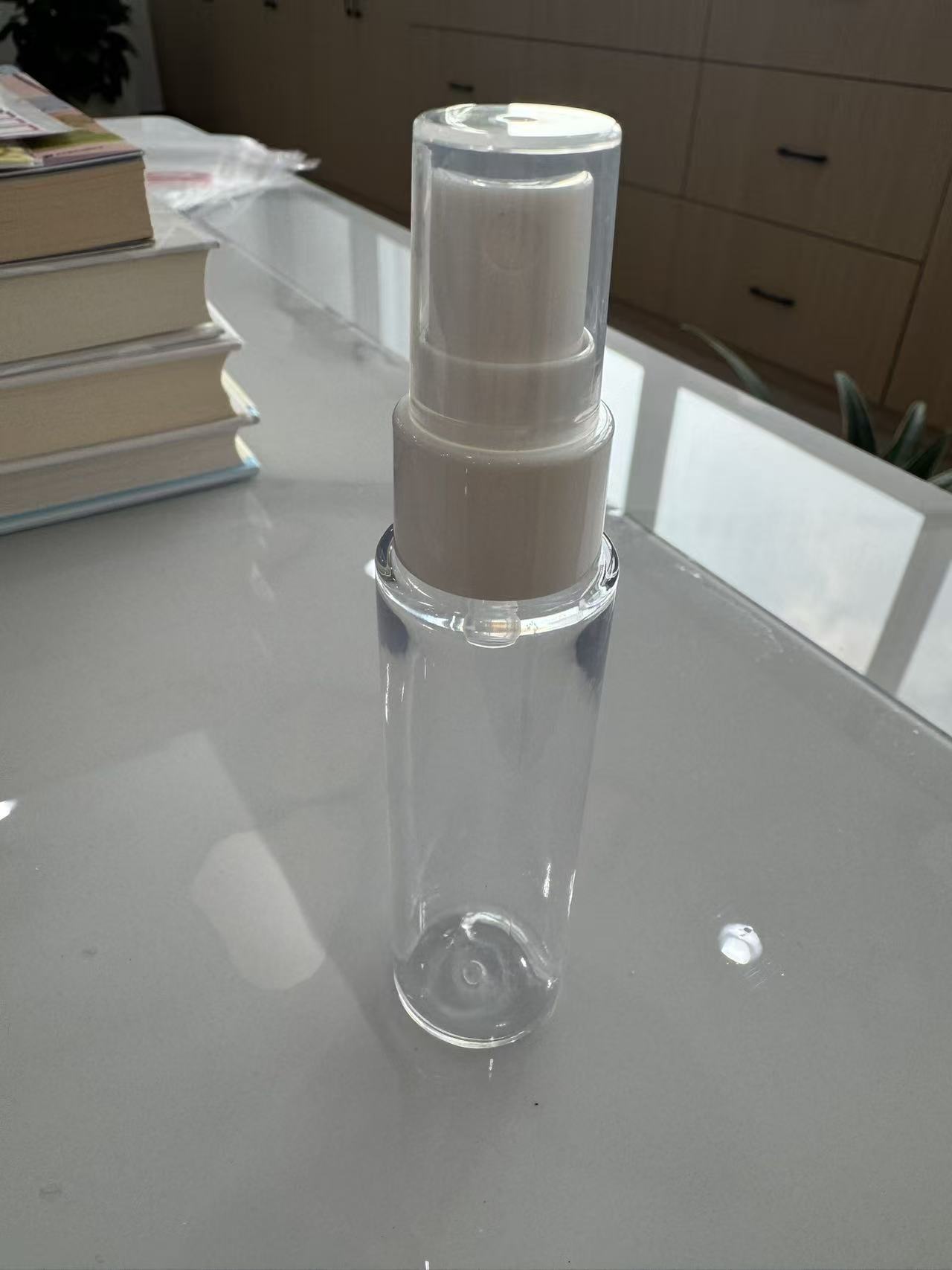
Observe the package before capping
A finished wet collar does not show whether liquid was already present during assembly. Inspect identified bottles at the relevant point in the filling sequence, using the product's established handling procedure. Record where residue appears and whether it varies across the run.
Keep the observation separate from any claim about sealing performance. Residue on a neck may create a visible appearance issue even when another leakage path also exists. The first task is to identify the initial condition clearly enough to compare.
Compare defined assembly histories
Work with filling and packaging owners to prepare matching assemblies with documented starting conditions. Use the intended closure application procedure. Observe initial wetness, storage and operation separately so the team can distinguish carried-over residue from new liquid appearing later.
If the difference follows the filling condition, investigate the relevant process step. If both groups develop new wetness, preserve them for bottle–sprayer review. Do not declare the seal unsuitable or prescribe extra tightening from one wet photograph.
- Photograph the neck before closure application.
- Record filling and assembly references.
- Keep external carryover distinct from later wetness.
- Preserve matching unused components for comparison.
Decide where the corrective action belongs
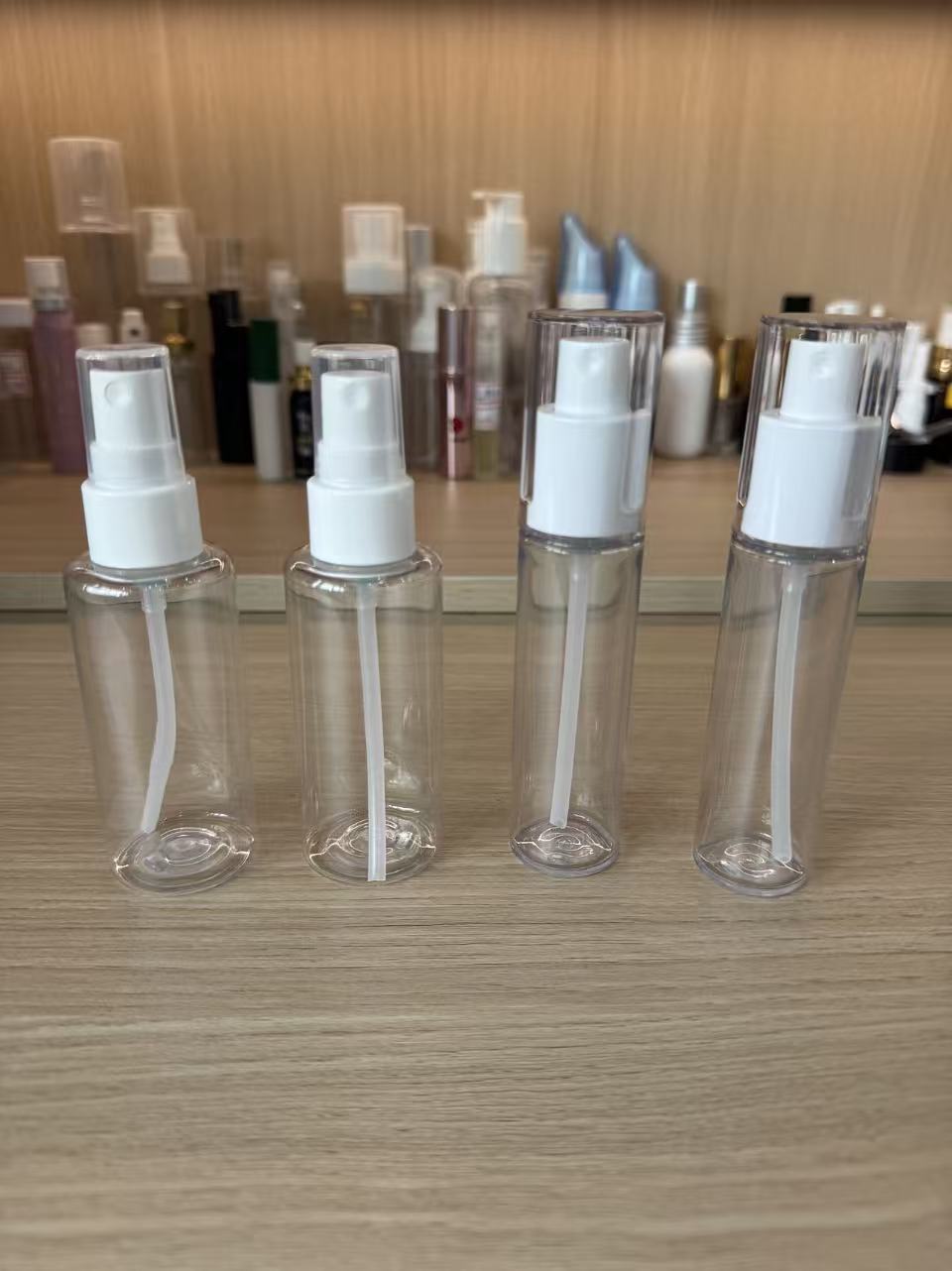
McKernan identifies the gasket and container interface within the assembly. Give the technical owners the neck condition and closing sequence, then ask which process comparison is appropriate. Preserve external carryover observations separately from new wetness that appears afterward.
Ask the responsible technical team to define any process correction and verify it on a traceable run. If a component change is also proposed, keep it separate so the comparison remains interpretable. A useful result explains the starting neck condition and what happened afterward, allowing the buyer to select a process or assembly change for evidence-based reasons.
If the filling team wipes the neck before capping, record the defined method and materials with the technical owner. An undocumented cleaning change creates another exposure and process variable. Evaluate the resulting assembly instead of assuming that a visibly clean neck automatically reproduces the intended sealing condition.
Sources & further reading
Use the references below alongside the selected component drawing and agreed sample plan. Product-specific claims need product-specific evidence.
PRODUCT REFERENCES
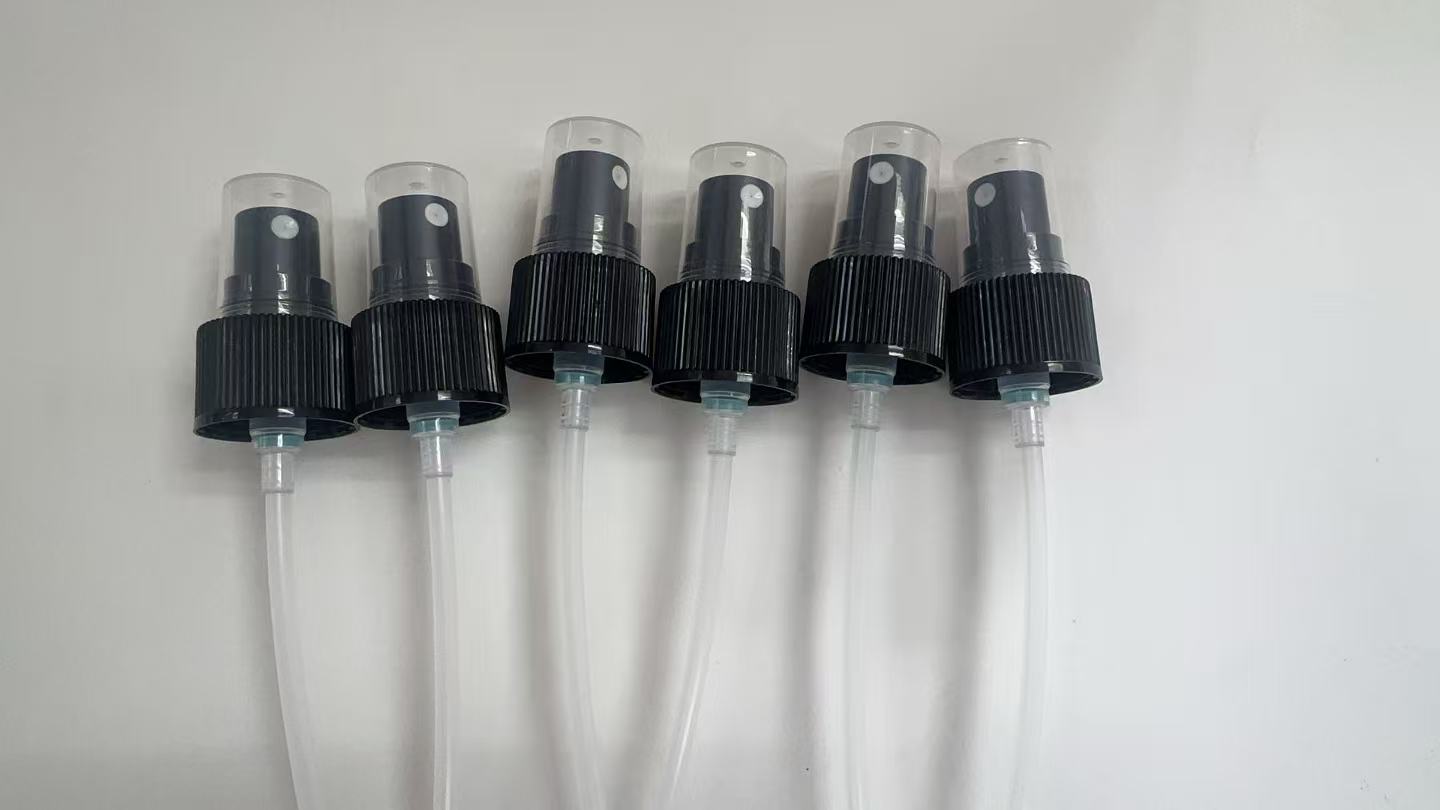
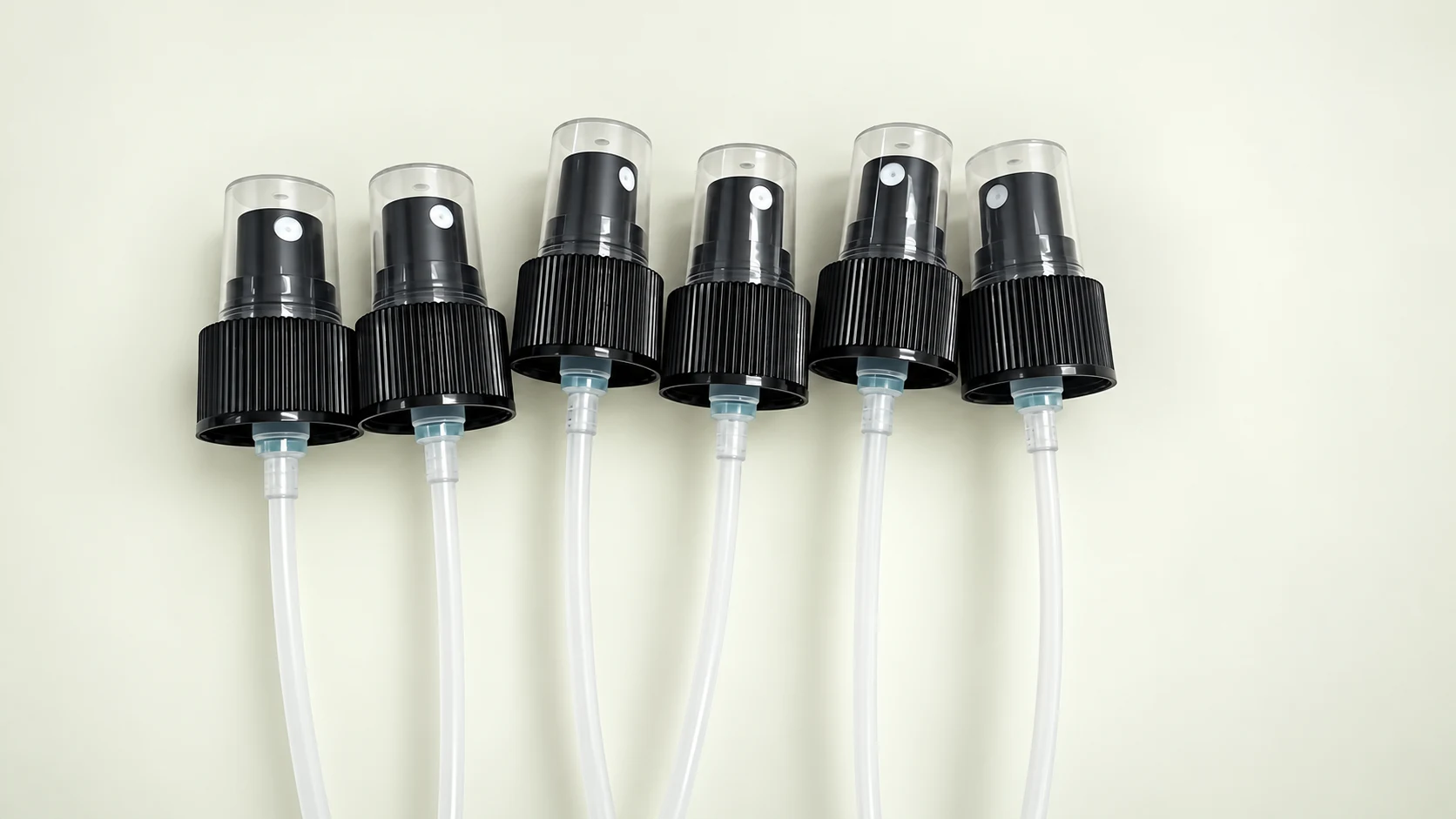
Components to discuss with your supplier.
These references share the component type discussed here. Confirm the selected assembly and application with samples.
Related articles
VIEW THE COMPONENTS