THE DECISION IN BRIEF
Users find our oil sprayer collar loose after repeated use; should we simply tighten it more?
Record when the closure position changes and review the specified bottle pairing and application procedure. Compare controlled assemblies before increasing tightening.
Mark the starting condition
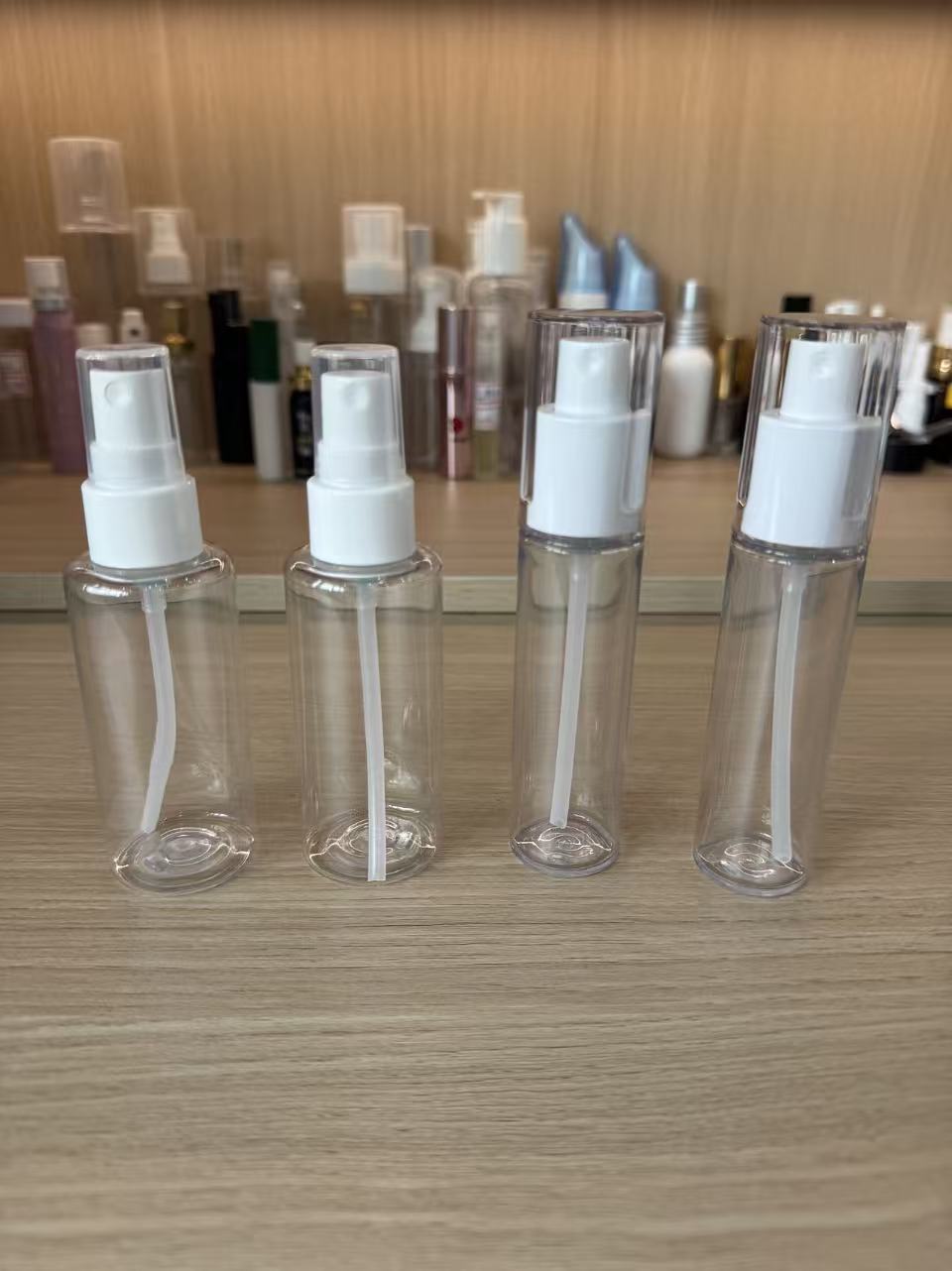
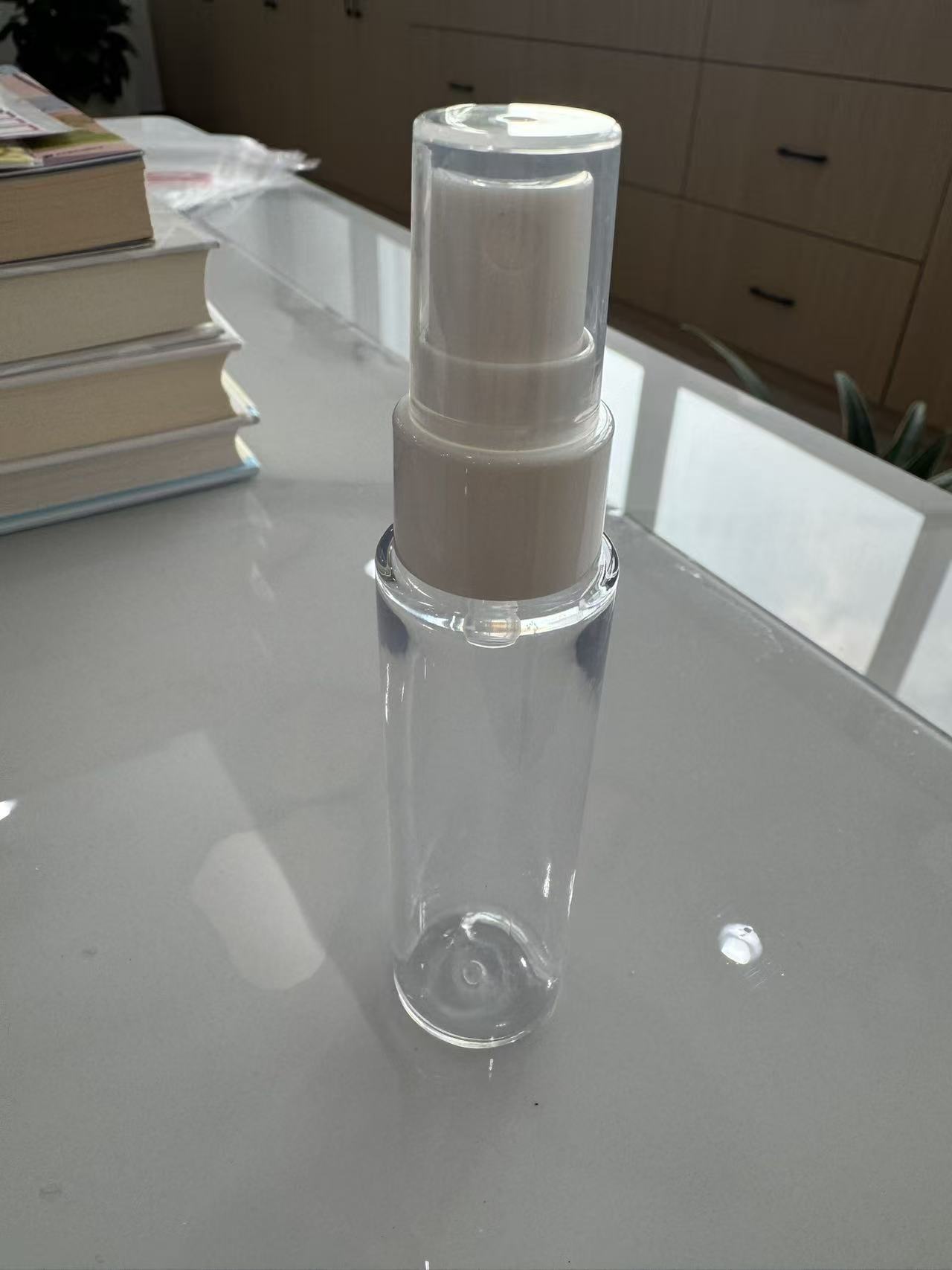
Use an agreed non-damaging reference method to record the closure's initial position on identified samples. Note who assembled the package and which procedure was used. Photograph the bottle finish and closure if a mismatch is suspected, preserving the original assembly for review.
Ask users how they hold the bottle and operate any control. A person may unintentionally grip the collar while changing a nozzle or removing a cap. That is a useful observation, not proof that user technique is the sole cause.
Compare the relevant actions
Evaluate normal dispensing, cap handling and any mode operation as separate sequences where practical. Record whether closure movement occurs during one action or only after a longer history. Keep bottle and sprayer references fixed.
If the effect follows a particular control action, review ergonomics and the control design. If it appears without that action, investigate the bottle interface and application procedure with both suppliers. Do not prescribe additional tightening without understanding the intended sealing and assembly arrangement.
- Record initial closure position and assembly history.
- Observe hand placement during each control action.
- Confirm bottle and closure specifications.
- Preserve any wetness as a separate observation.
Request a controlled corrective proposal
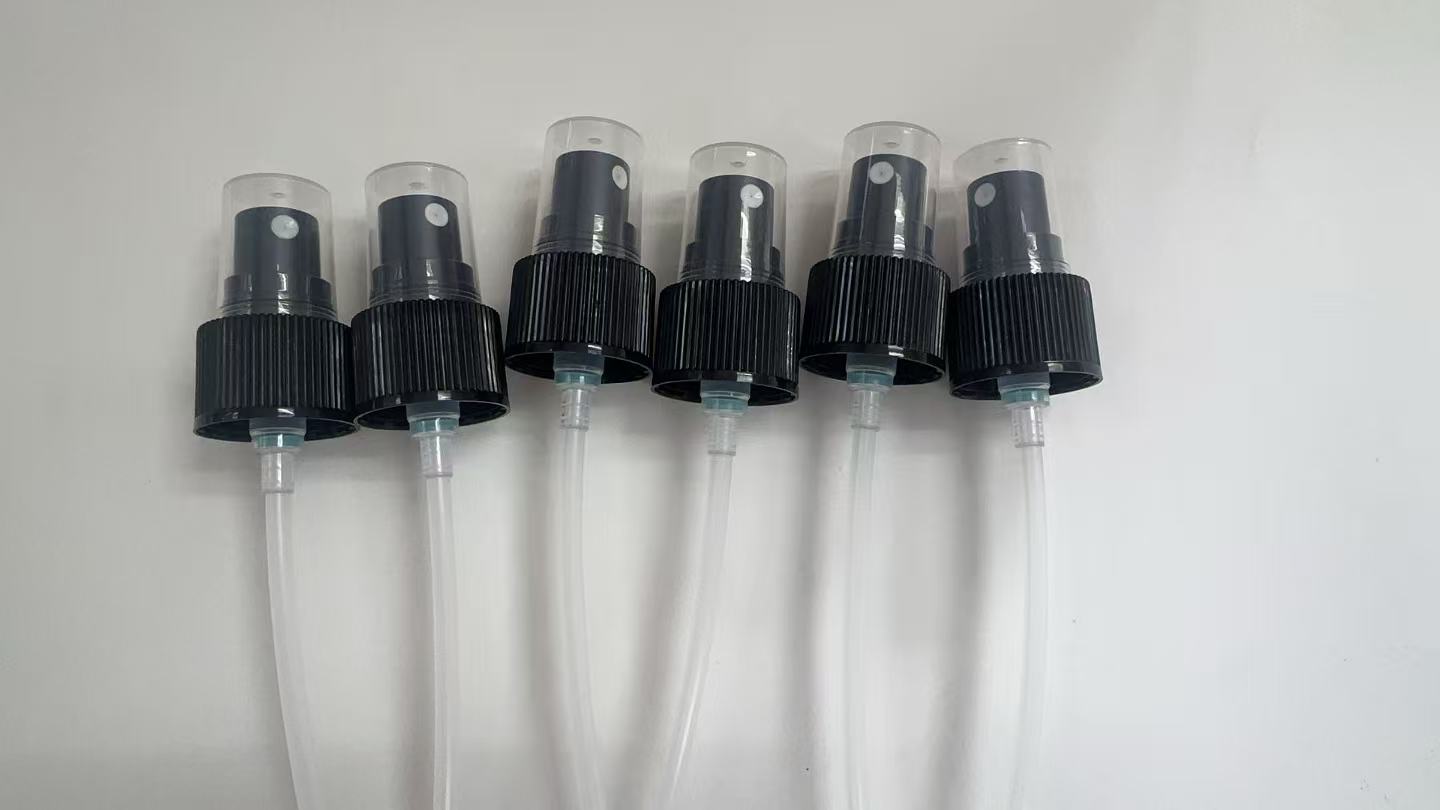
McKernan emphasizes matching the container finish. Ask both suppliers to review the paired specifications and the recorded application procedure before selecting another closure or changing the process. Include the action associated with movement so the correction addresses the observed sequence.
Ask the supplier what configuration or process change should be compared and how it will be identified. Evaluate the correction for sealing, operation and normal user handling. If an alternative closure is proposed, review the complete bottle pairing instead of assuming that similar nominal dimensions make it interchangeable. Carry the selected procedure into filling documentation.
Closure movement and visible wetness may occur together or separately. Record both rather than assuming either proves the other. If a corrective process prevents movement but wetness remains, the evidence should support another focused investigation instead of declaring the complete package issue closed.
Sources & further reading
Use the references below alongside the selected component drawing and agreed sample plan. Product-specific claims need product-specific evidence.
PRODUCT REFERENCES
Components to discuss with your supplier.
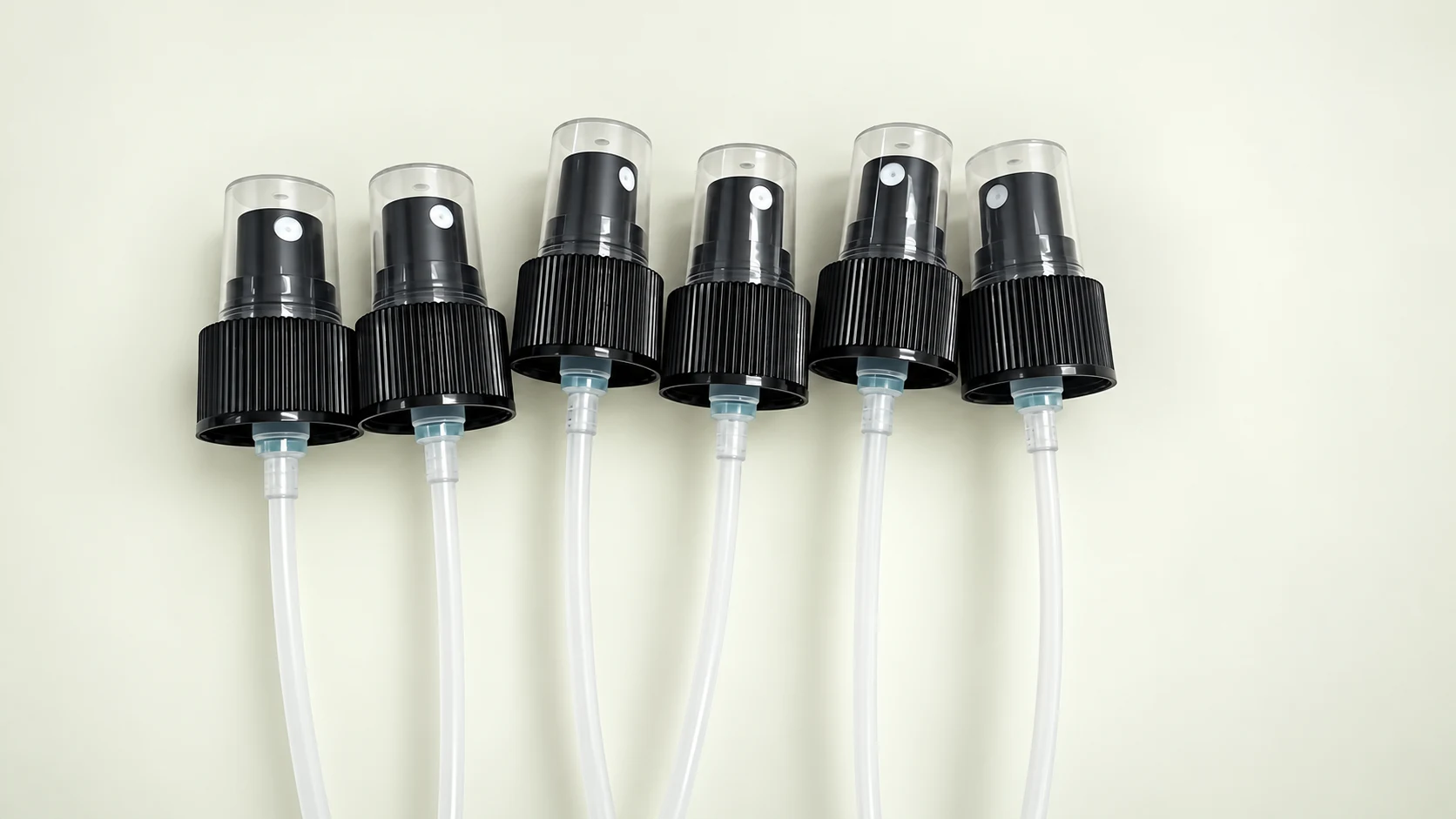
These references share the component type discussed here. Confirm the selected assembly and application with samples.
Related articles
VIEW THE COMPONENTS