THE DECISION IN BRIEF
We want a fine oil mist, but our sample produces a narrow spray; how should we decide what to change?
Define the desired deposit on the target first, then compare identified sprayer configurations with the final formula. Investigate formula behavior, actuation and nozzle selection together before promising a finer mist.
Describe the result on the surface
A buyer's phrase 'fine mist' can conceal several different expectations: broad coverage, a light deposit, a soft feel or no visible droplets on a particular surface. Turn the expectation into an application description. State the target material, intended distance, orientation and amount of user control. Include the consequences of runoff, overspray and a concentrated spot.
An oil used to coat a small tool may benefit from precise placement, while a cosmetic application may prioritize even distribution across a larger area. Neither task is solved by selecting the smallest-looking opening from a photograph. Begin with the product instruction and let the sample comparison show whether the candidate dispenser supports it.
Compare dispensing approaches by the job
The table describes purchasing tradeoffs to investigate. It does not imply that every sprayer offers selectable modes or that SP-LP-200 has an adjustable nozzle.
| Desired behavior | Potential advantage | Question for the trial |
|---|---|---|
| Broad mist-like application | Spreads material across a target | Is useful coverage achieved without unwanted overspray? |
| Directed spray | Offers more placement control | Does the concentrated deposit require spreading? |
| Narrow stream | Targets a small location | Does localized pooling defeat the use instruction? |
| Non-spray dispensing | May suit deliberate measured placement | Would an alternative format better support the task? |
Use controlled observations before requesting redesign
Run the same application sequence for each sample and record how fully and how quickly the actuator is operated. Photograph deposits on a suitable consistent surface, label the formula and sample references, and note the conditions. Compare a fresh assembly with a stored assembly if the complaint develops over time. Do not equate a pleasing photograph with measured droplet-size data.
When a candidate sputters or dribbles, record whether the effect occurs during priming, normal use or the end of the stroke. Review tube placement, fill level and the approved orientation with the supplier. Keep the nozzle configuration identified. Changing several components while also changing the test liquid makes the next observation difficult to interpret.
Keep the promise within the evidence
Aptar's PZ2 page distinguishes options for oil-based and viscous formulations. The practical lesson is that oil dispensing is a configuration question, rather than a promise attached to all spray pumps. Do not transfer those product options or outputs to a different supplier's model.
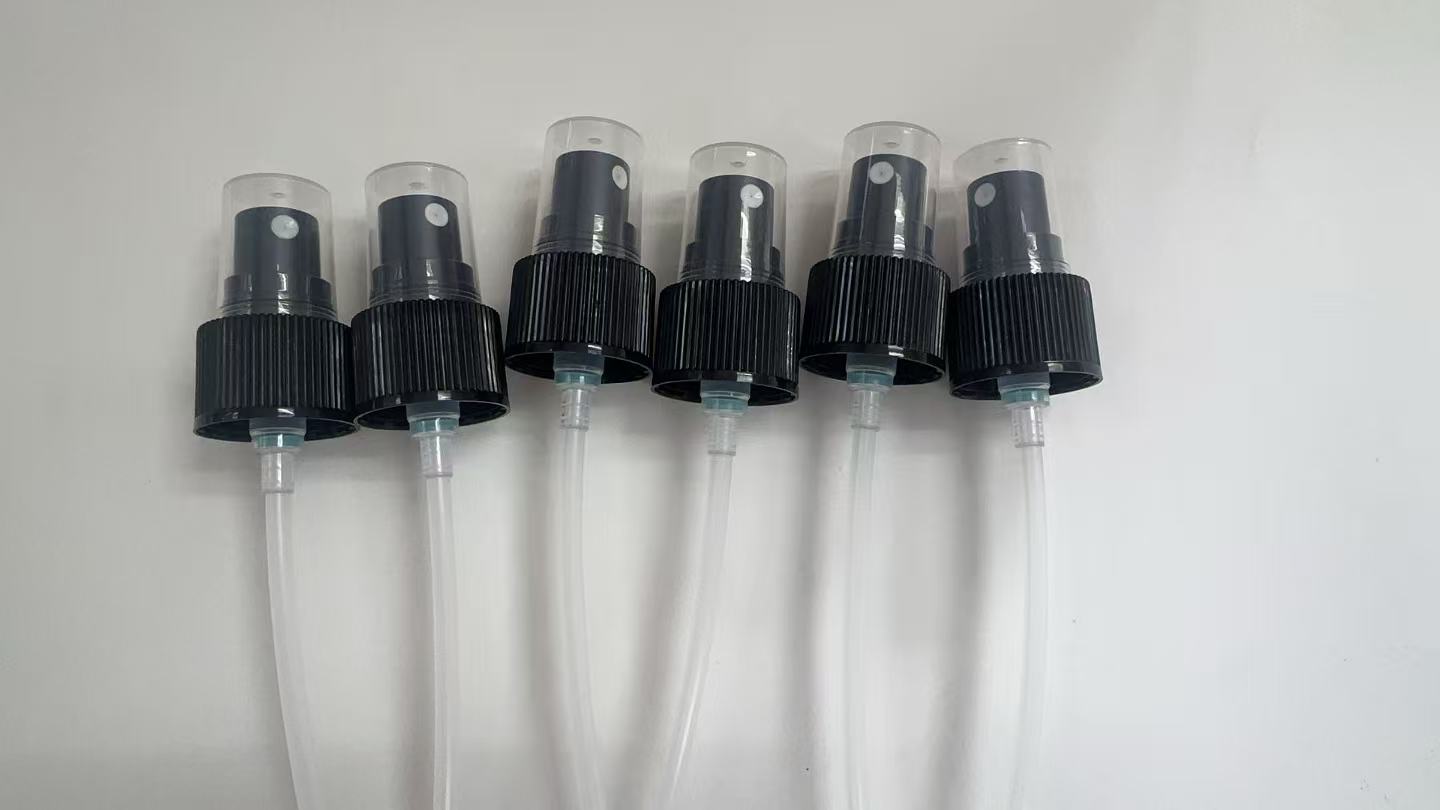
For STDPAK SP-LP-200, oil resistance is formula-dependent and output remains unspecified until confirmed. The double-layer seal is a construction feature, not a guarantee of a particular droplet distribution. Its confirmed PP, PE and POM components, 304 stainless spring and PP tube should be recorded in the technical discussion without assuming unlisted materials.
If the desired deposit cannot be obtained with a verified configuration, review the application brief with the formulation team and supplier. Any formula adjustment needs its own compatibility review. If a different dispensing format better serves the task, evaluate it before artwork and usage instructions lock the project into an unsupported fine-mist claim. Approve the demonstrated behavior and state the conditions under which it was evaluated.
Include the proposed consumer instructions in the comparison. If a pleasing deposit requires a distance or handling technique that the label never explains, the result may be difficult to reproduce. Record that dependence and decide whether the instruction is realistic before selecting the dispensing approach.
Sources & further reading
Use the references below alongside the selected component drawing and agreed sample plan. Product-specific claims need product-specific evidence.
PRODUCT REFERENCES
Components to discuss with your supplier.
These references share the component type discussed here. Confirm the selected assembly and application with samples.
Related articles
VIEW THE COMPONENTS