THE DECISION IN BRIEF
Customers drip lotion while moving the old pump onto a refill bottle. What should we redesign?
Observe the complete transfer with actual formula. Compare access, tube guidance, receiving space and instructions before changing the pump; approve the selected refill system for normal unassisted handling.
Watch the whole transfer
Start with a used pack in the condition the instructions anticipate. Record how users lift the head, where they hold the wet tube and whether they can set any parts down appropriately. A new dry pump placed into an empty bottle does not represent this task.
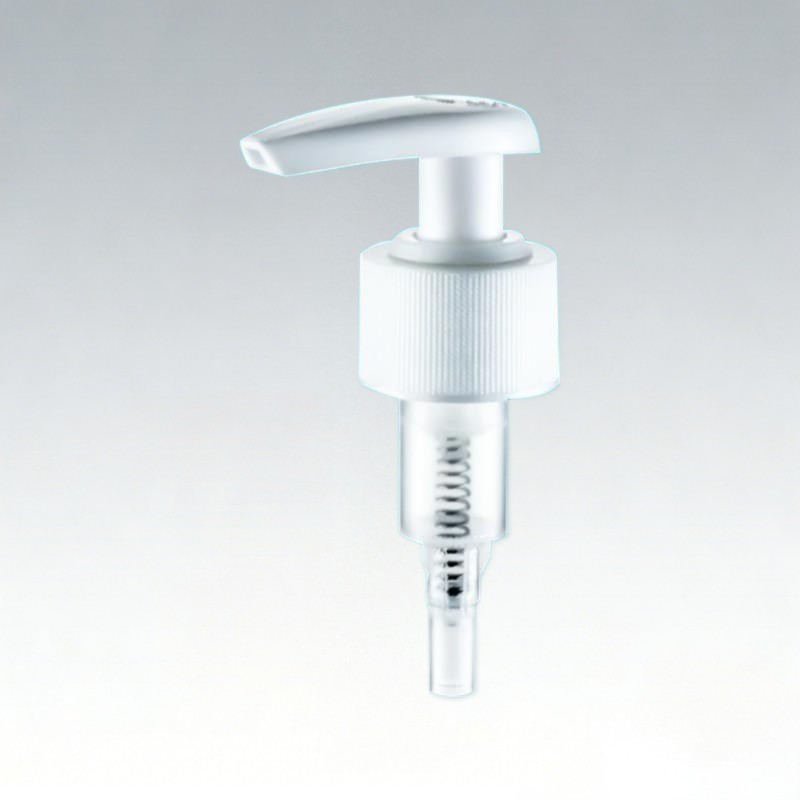
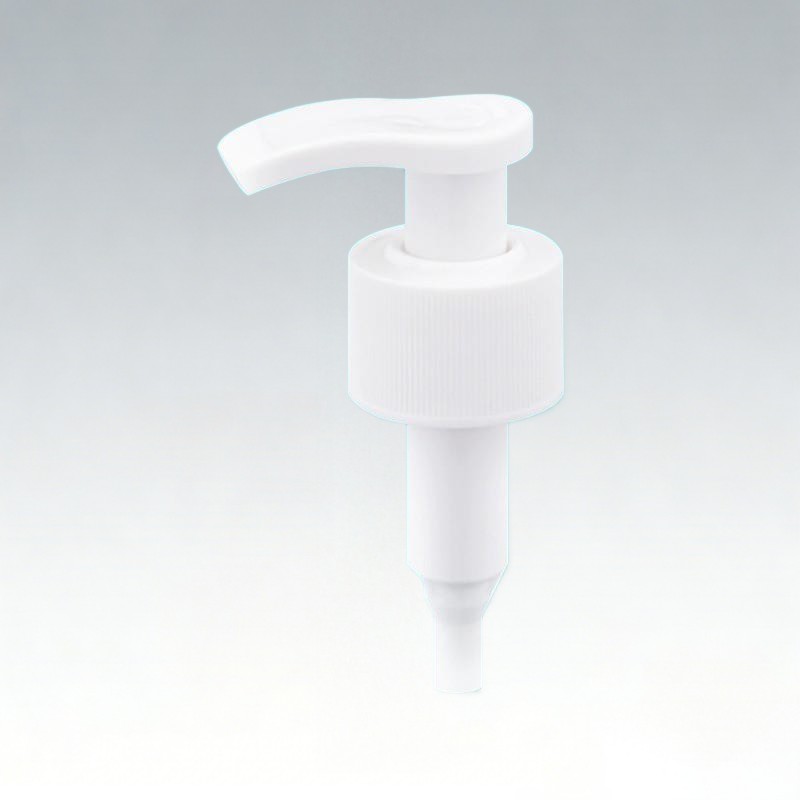
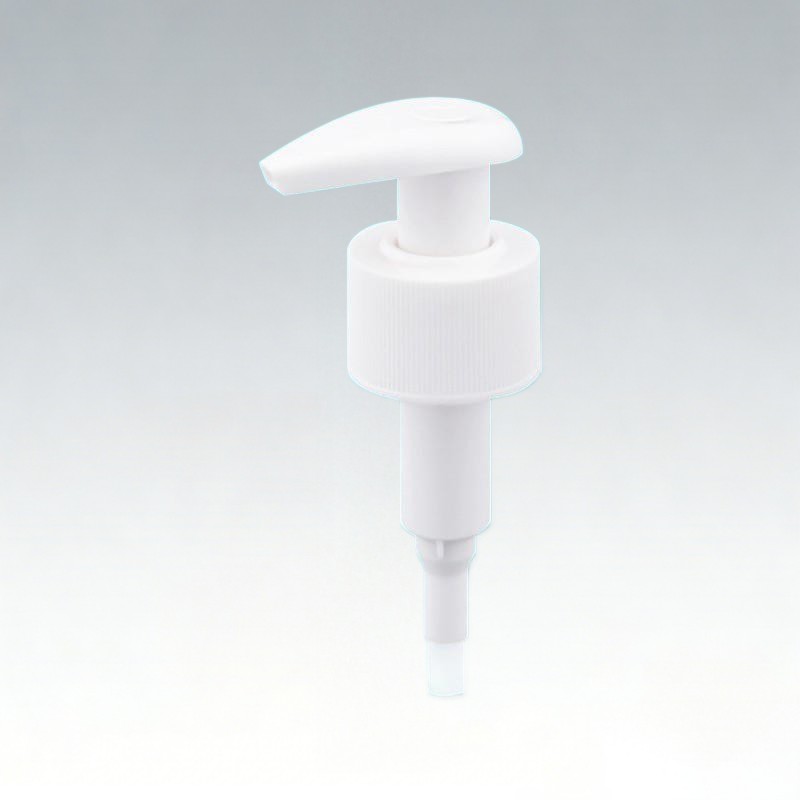
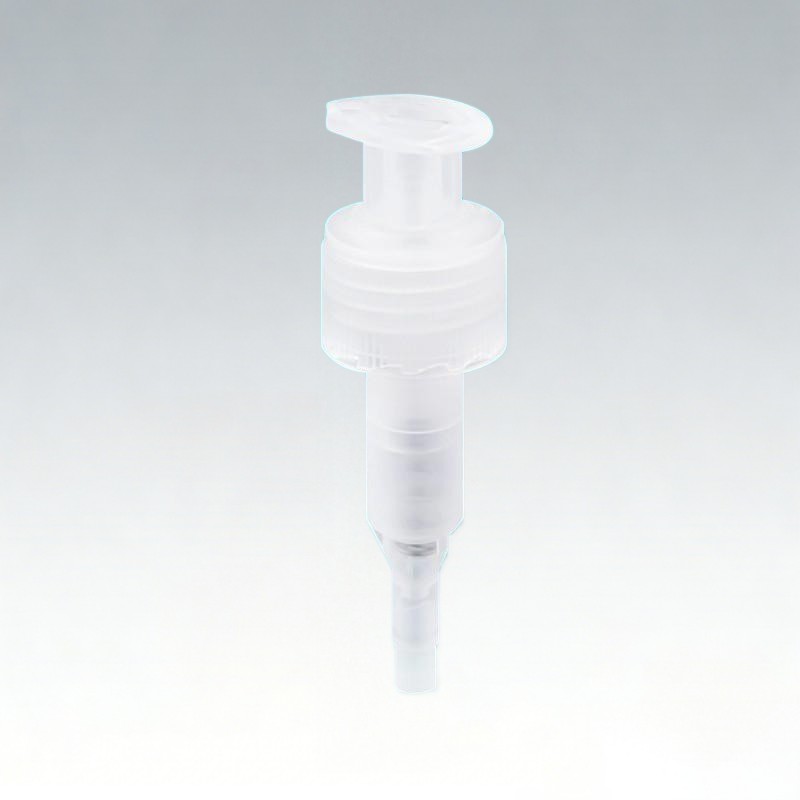
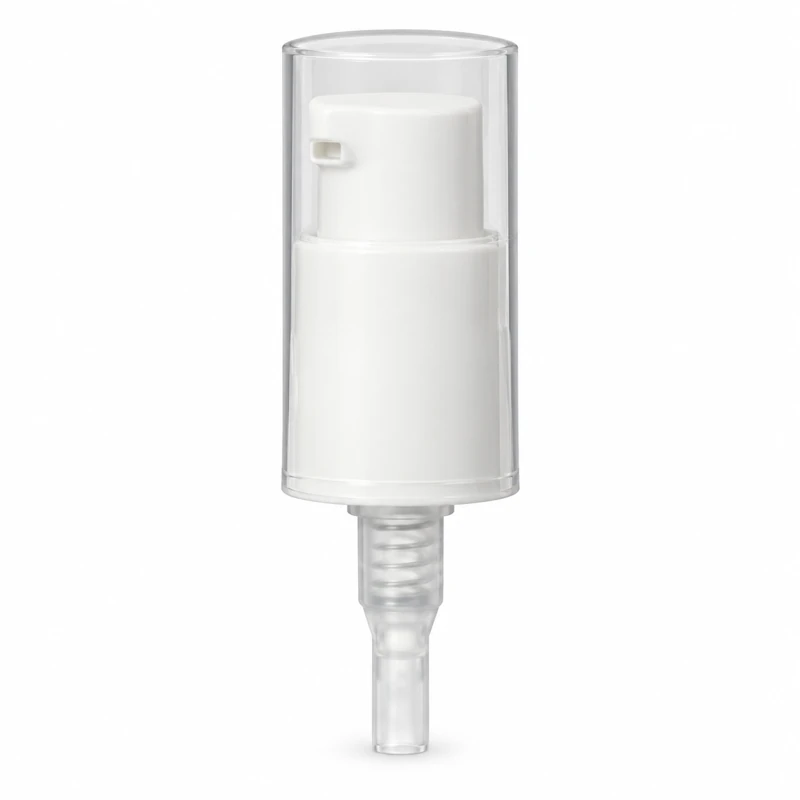
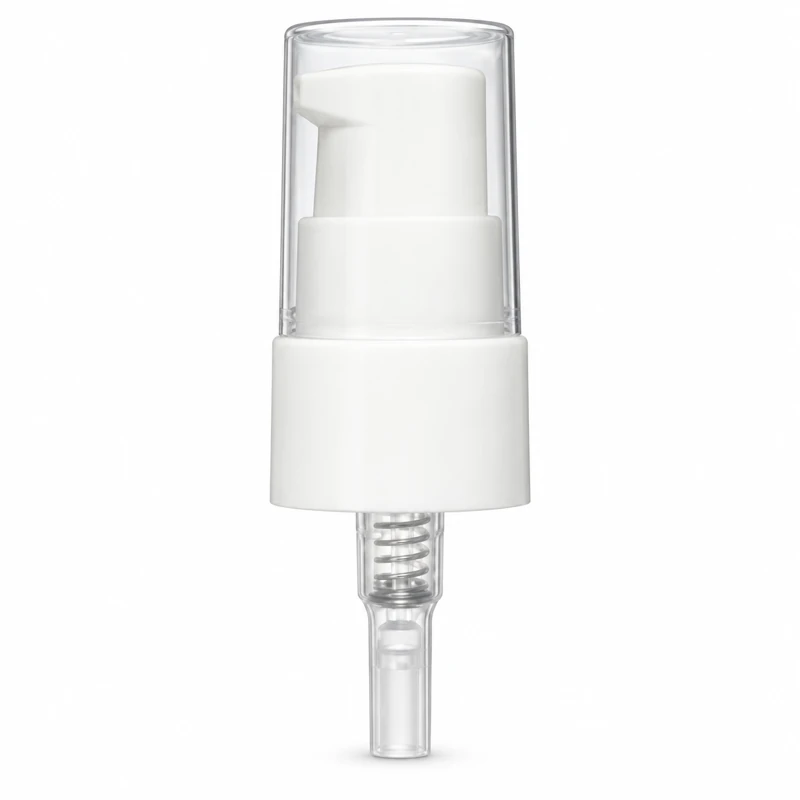
O.Berk describes the long dip tube and housing below the closure. Those hidden components become exposed during transfer, so a purchasing review based only on the visible head misses much of the customer's handling problem.
Locate the source of mess
Use the final bulk and refill opening. The diagnostic questions help select changes without assuming every drip has the same cause.
| Observed issue | Compare |
|---|---|
| Wet tube contacts hands | Grip and guidance during lifting |
| Tube misses receiving opening | Bottle access and transfer alignment |
| Residual product drops onto counter | Lift sequence and intended resting arrangement |
| Closure land becomes wet | Refill opening and reassembly cleanliness |
Compare system changes
A larger receiving opening may simplify transfer but require another finish and bottle design. A different refill method may reduce pump handling while adding another component. Include those consequences in the commercial comparison instead of choosing by head unit price.
If the supplier proposes a tube or housing change, evaluate dispensing and remaining product again. A transfer improvement should not quietly compromise pickup in the final bottle.
Review the final instructions without coaching. If people consistently perform the task differently, consider design changes before adding more words. The intended action should be plausible with the available grip points and number of hands.
Retain observations from ordinary users alongside the technical references. Agree which degree of mess the product team accepts rather than claiming a universally drip-free transfer. Purchasing can then select a system supported by a defined user task and repeat the affected checks when refill packaging changes.
Sources & further reading
Use the references below alongside the selected component drawing and agreed sample plan. Product-specific claims need product-specific evidence.
PRODUCT REFERENCES
Components to discuss with your supplier.
These references share the component type discussed here. Confirm the selected assembly and application with samples.

Related articles
VIEW THE COMPONENTS