THE DECISION IN BRIEF
Our bottles spray when operators fit the overcap. Should we use a taller cap?
Map the cap’s seating and contact during installation first. Compare cap geometry, actuator position, and line application before choosing a dimensional change.
Reproduce the actual capping action
Keep the original failing bottle, actuator, collar, and cap identified. Observe manual installation and the production operation separately. Record whether discharge begins during initial engagement, the final push, or handling after seating. A taller cap may appear to solve one case while leaving a line alignment problem untouched.
Confirm the intended seating condition with the supplier. Do not assume maximum downward travel is correct. Inspect whether the actuator is already displaced or incompletely returned before capping. If only conditioned pumps fail, compare actuator return and dimensions before blaming cap height.
Use the timing to narrow the cause
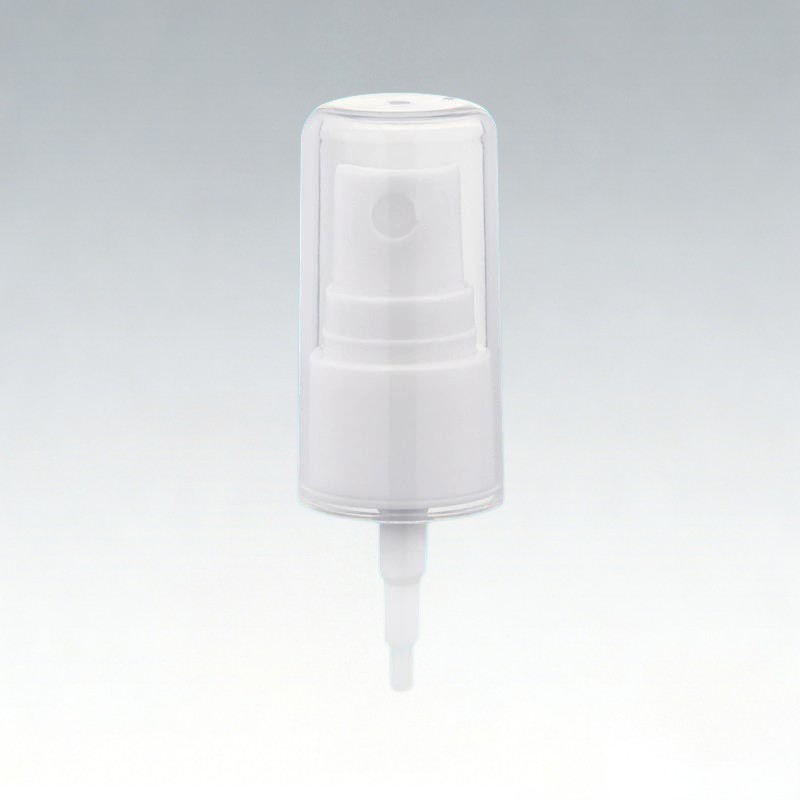
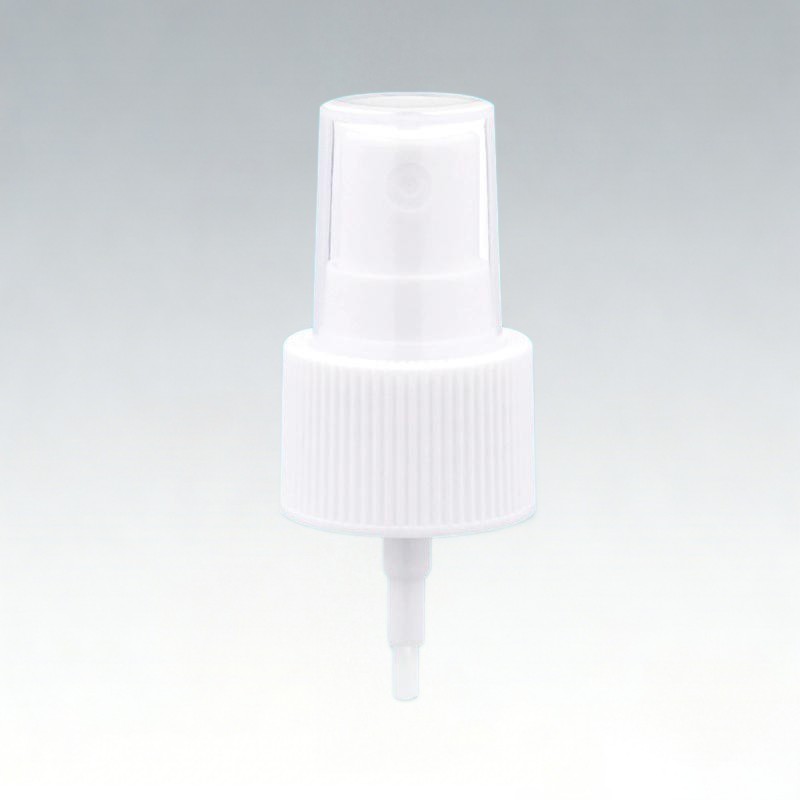
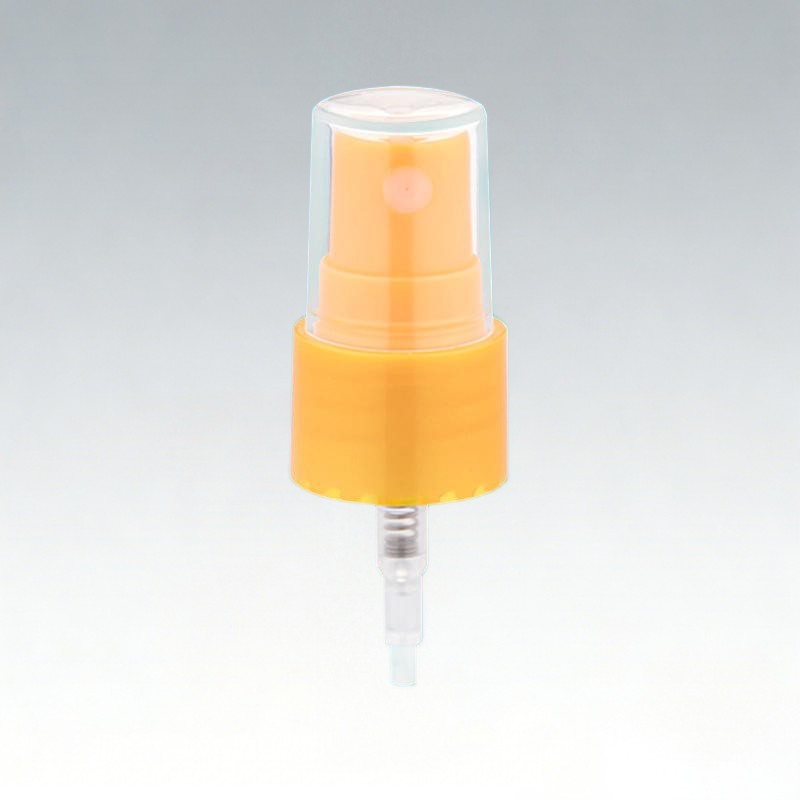
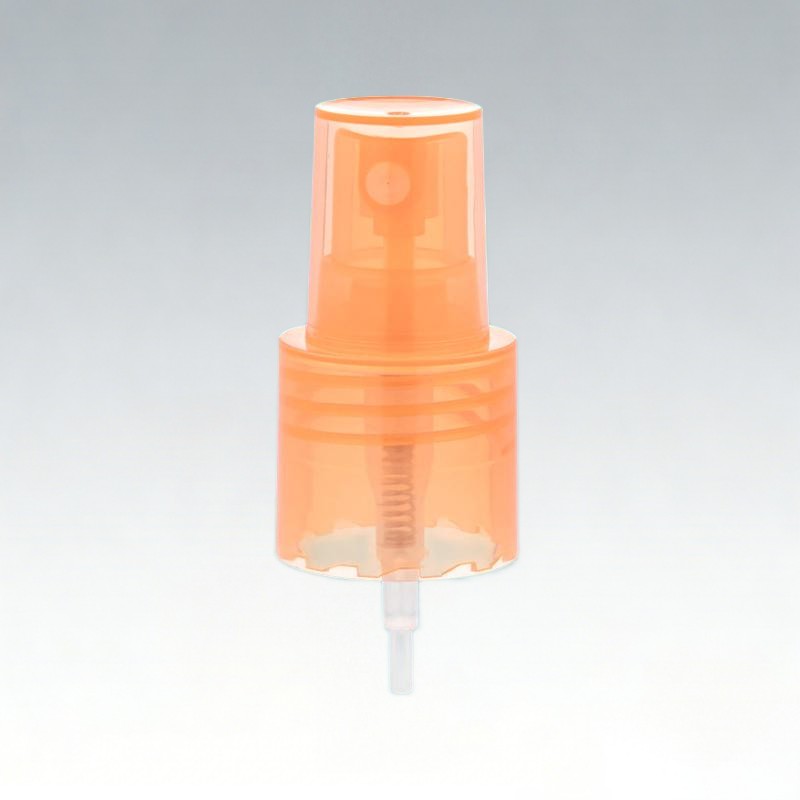
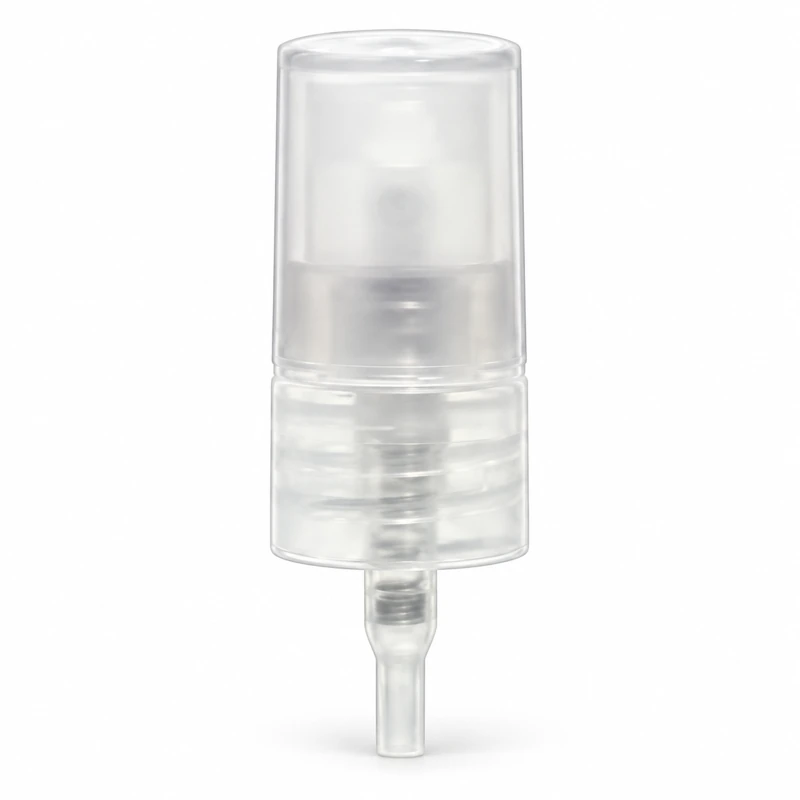
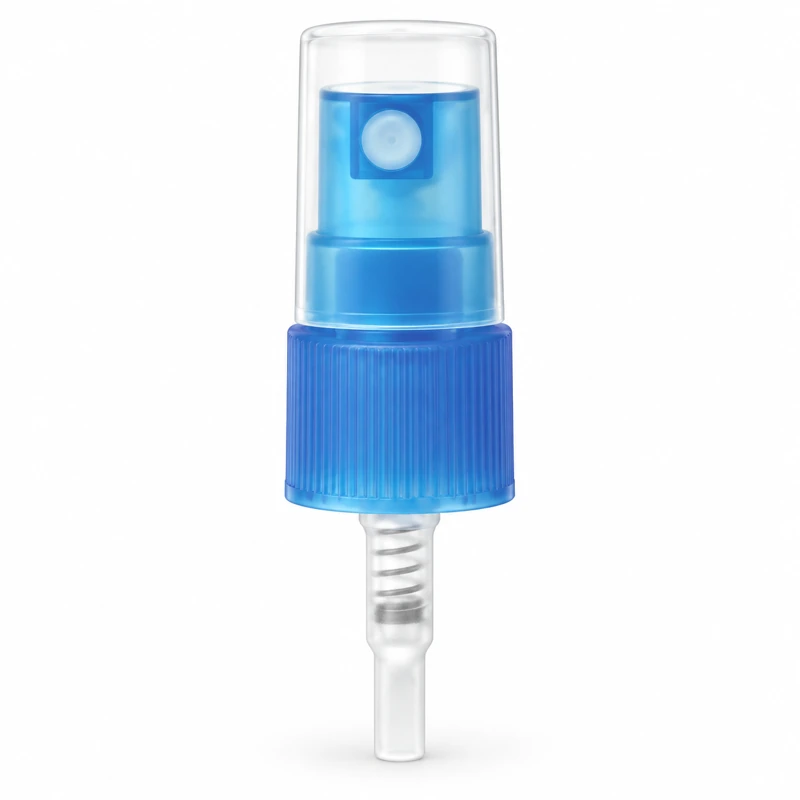
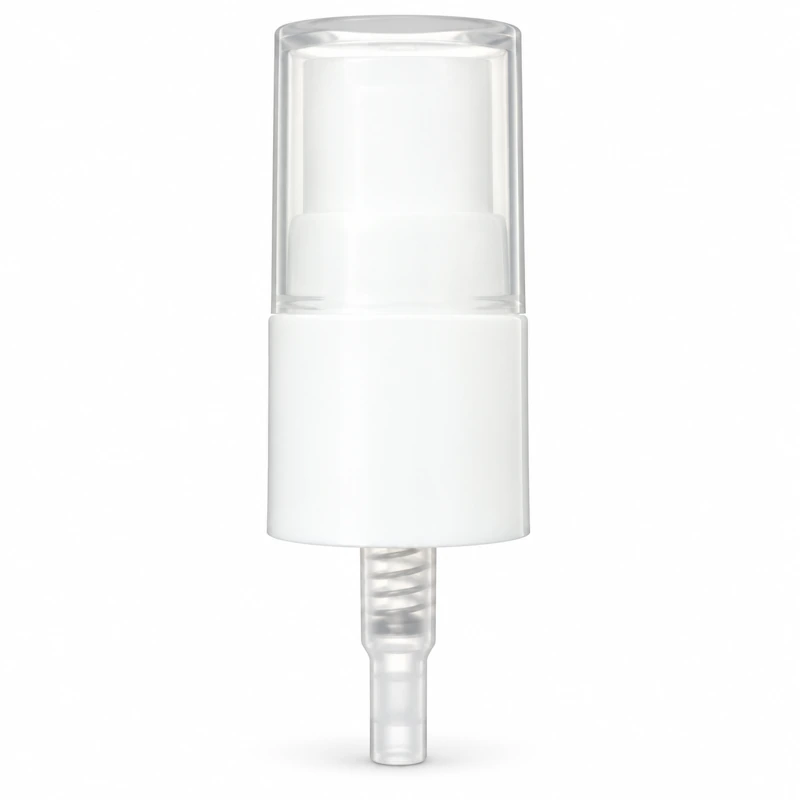
Aptar lists cap and actuator options within a defined spray range. Ask for the approved pairing and drawing rather than substituting an arbitrary taller accessory.
| When discharge occurs | Next comparison |
|---|---|
| During angled engagement | Alignment and cap entry path |
| At the last downward push | Seating stop and internal clearance |
| After cap is seated | External load and retained contact |
| Only on one pump lot | Actuator height and assembly condition |
Approve the correction under line conditions
Ask the supplier and filler to review the observed contact and propose a controlled change. If the capping head pushes beyond the intended stop, changing only the cap may mask the process issue. If cap clearance is insufficient, request production-intent revised samples and verify retention as well as clearance.
Run the corrected combination through the actual handling sequence, including removal, refitting, and relevant transport protection. Inspect for wet cap interiors and confirm that the head remains free to return after repeated use. Keep any application setting change with the line instruction.
Document the final cap, actuator, collar, and bottle revisions plus the approved capping method. Agree how receiving or setup staff can recognize the correct seating position. A correction is complete when operators can reproduce it without delicate manual positioning, and when the retained reference makes unintended contact straightforward to detect.
Sources & further reading
Use the references below alongside the selected component drawing and agreed sample plan. Product-specific claims need product-specific evidence.
PRODUCT REFERENCES
Components to discuss with your supplier.
These references share the component type discussed here. Confirm the selected assembly and application with samples.
Related articles
VIEW THE COMPONENTS