THE DECISION IN BRIEF
Our collars dent during application. Should we order thicker metal?
Check the fixture, alignment, contact area, and approved assembly method first. Evaluate any collar revision only after the process cause is understood.
Document the application interface
Inspect untouched collars and immediate post-application samples. Record dent position relative to the fixture, bottle, and component orientation. Keep the operating setup identified. A repeating dent pattern is useful evidence, while a general description such as soft metal leaves the supplier guessing.
Ask the pump supplier and filler to confirm the intended application contact surfaces. Do not assume that a decorative collar can accept any downward load. Different constructions assign retention and appearance roles differently.
Separate three possible causes
Measure the feature associated with the mark and compare the contacting tool position with the approved reference. Ask the line and component teams to agree the relevant checks for this construction rather than adopting a fixture load from another package.
| Evidence | Investigation route |
|---|---|
| Marks repeat at fixture contacts | Tool condition and contact geometry |
| Marks occur only off-center | Alignment and bottle positioning |
| One component lot differs | Material and dimensional conformity |
| Damage appears after capping | Capping contact rather than pump application |
Avoid compensating for an unresolved setup
A thicker collar may resist one dent but change fit, appearance, or assembly clearance. Request a controlled supplier proposal and identify all resulting differences. Do not use a stronger part to justify excessive or poorly located fixture contact.
If the process is revised, record the setting and verify consistency across representative bottles and component variation. A manual adjustment that works on one sample does not establish the production window. Inspect sealing and actuator movement as well as cosmetic improvement.
Retain the original dented examples and a corrected reference. Agree a clear appearance criterion and the inspection stage where it applies. If rework is proposed, obtain a controlled method and verify that it does not create coating damage or hide dimensional changes.
Release the fixture instruction and component revision together. Review later changes to tooling, collar source, bottle height, or application equipment. The final purchasing decision should preserve the approved assembled appearance without depending on an operator noticing and correcting every dent after the fact.
Sources & further reading
Use the references below alongside the selected component drawing and agreed sample plan. Product-specific claims need product-specific evidence.
PRODUCT REFERENCES
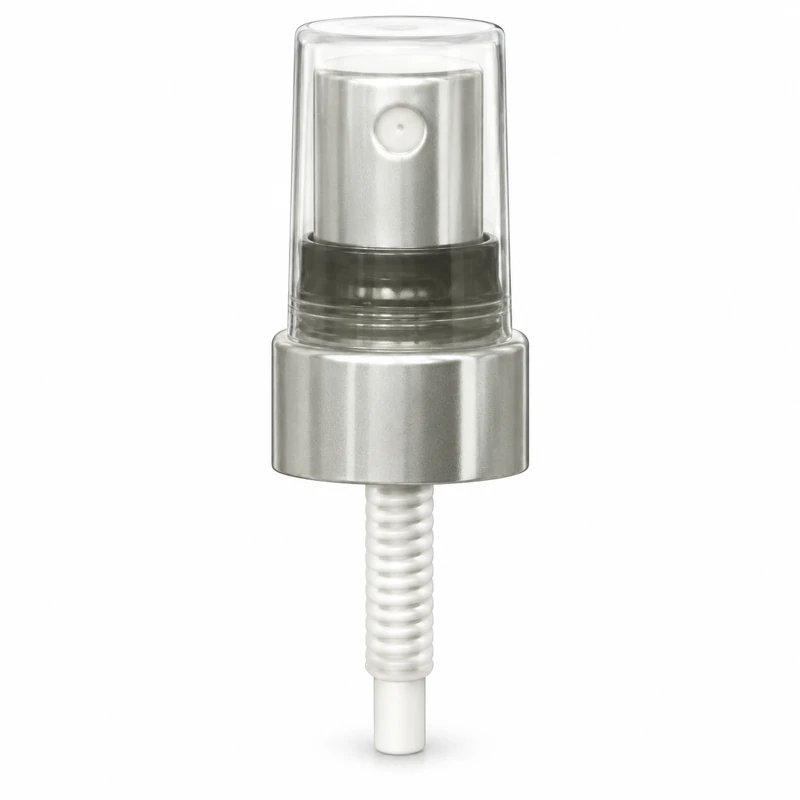
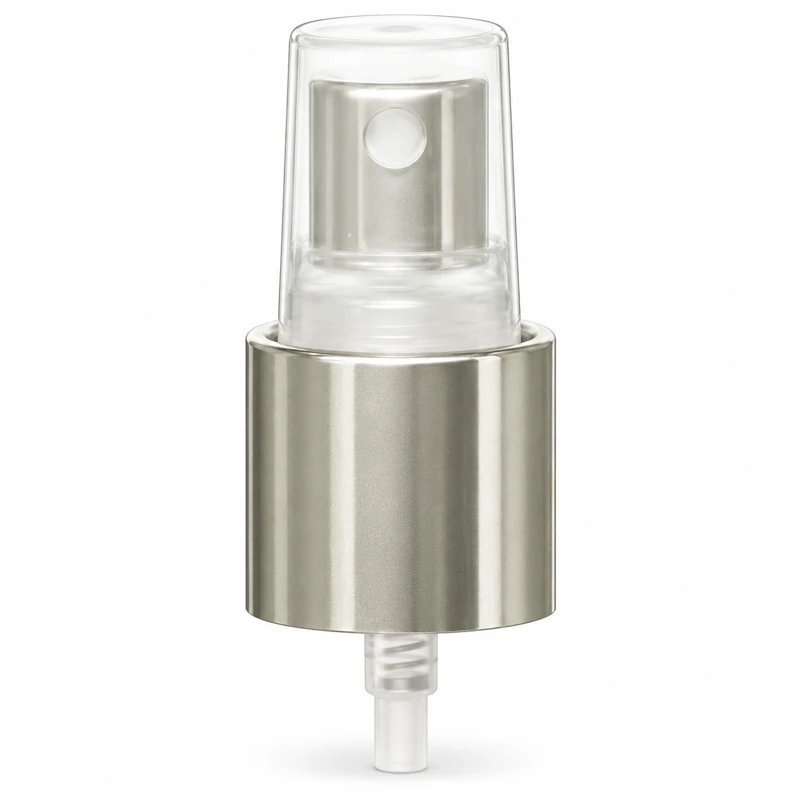
Components to discuss with your supplier.
These references share the component type discussed here. Confirm the selected assembly and application with samples.
Related articles
VIEW THE COMPONENTS