THE DECISION IN BRIEF
Our pump sample looks right and dispenses lotion. What must be approved before a 30,000-piece order?
Approve a documented production-intent assembly: exact component references, formula, tube, output, locking, compatibility and filling-line behaviour, with agreed acceptance criteria and retained samples.
Turn “sample approved” into a defined decision
A good-looking pump on a showroom bottle is a design reference. A production approval needs enough information for the supplier, filler and receiving team to reproduce it. If any party could substitute a different engine or gasket while honestly believing the order remained the same, the specification is incomplete.
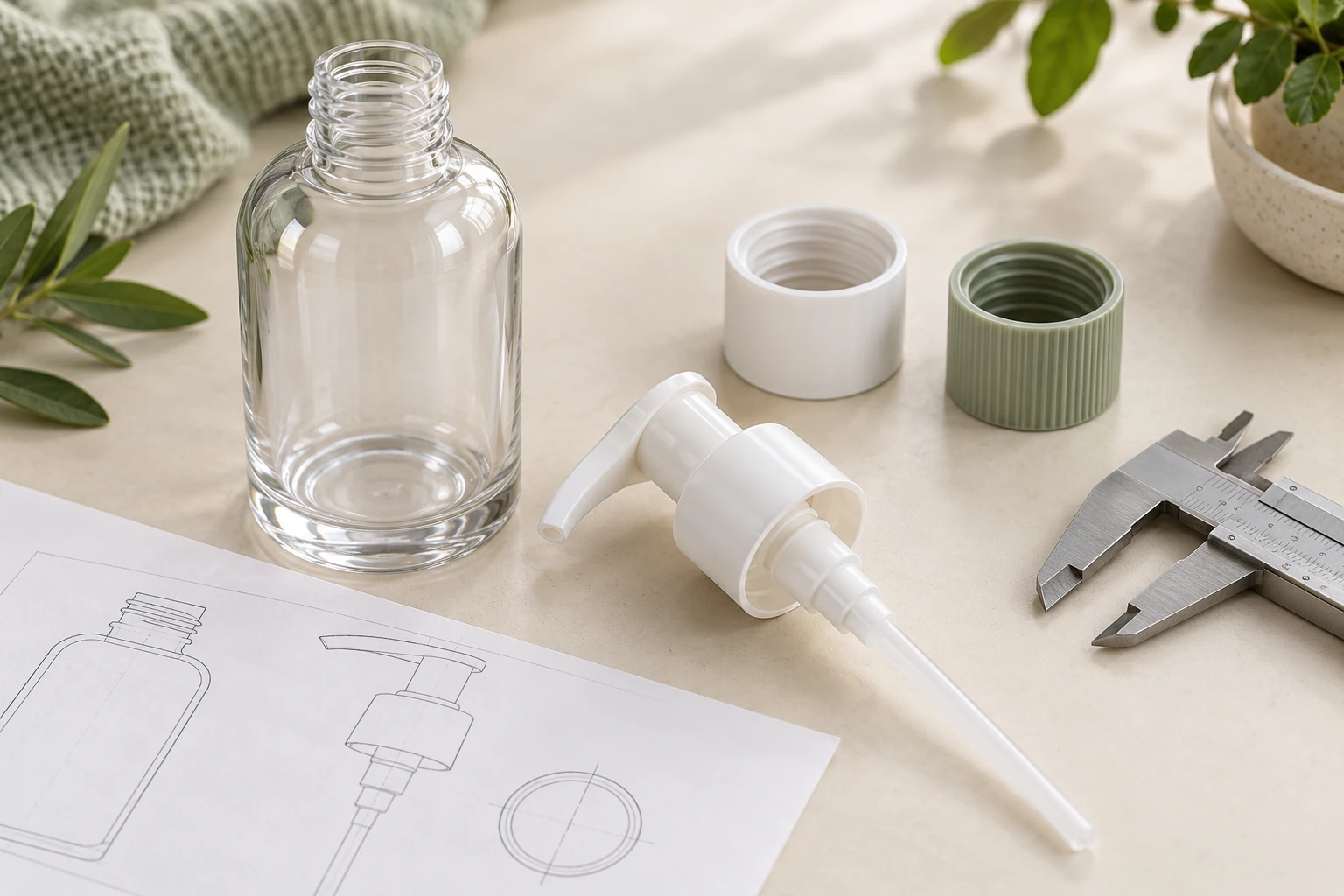
List the proposed pump reference and revision, bottle source and drawing, actuator, collar, seal, engine, tube and protective accessories. Identify the formula used for evaluation. O.Berk's breakdown of pump components helps explain why exterior appearance alone cannot identify the whole dispensing system.
Use a release checklist in a fixed order
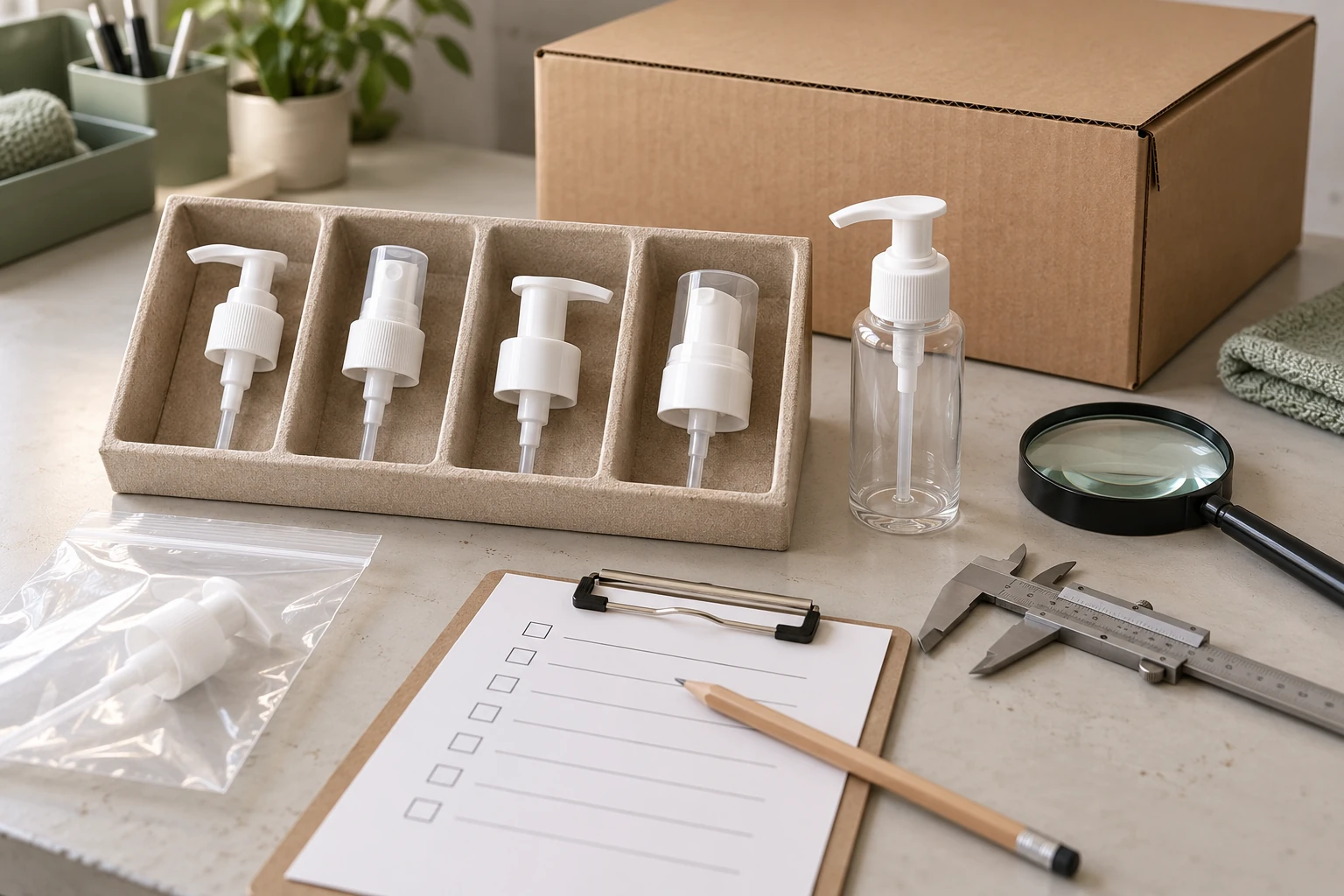
Complete the following proposed sequence with your quality and formulation teams. Set sample quantities, conditions and acceptance criteria according to the project. These are purchasing checkpoints, not a claim that a universal test programme or tolerance applies to every lotion pump.
- 1. Identity: reconcile sample labels, drawings, quotation and production references; resolve any provisional component before approval.
- 2. Fit: assemble on representative intended bottles and review insertion, collar seating, thread engagement and the sealing interface.
- 3. Function: record unlocking, first-use priming, stable output, actuator return, clean delivery and relocking using the intended formula.
- 4. Use range: evaluate the pack from full to near empty, including residual product and the label's intended orientation.
- 5. Compatibility and handling: review the agreed storage and transport evaluation results for the complete filled pack.
- 6. Manufacturing: trial filling, tube insertion, closure application, packing and the inspection method with the intended production process.
- 7. Release: sign the defined configuration, retain identified reference samples and record who must approve later changes.
Make evidence readable across departments
Keep photographs of the assembled state, but pair them with measurements and observations. “Pump is acceptable” tells a filler little. “Actuator unlocks without disturbing the closure using the approved assembly method” describes a behaviour that can be checked again. The most useful report separates what was observed from what is still assumed.
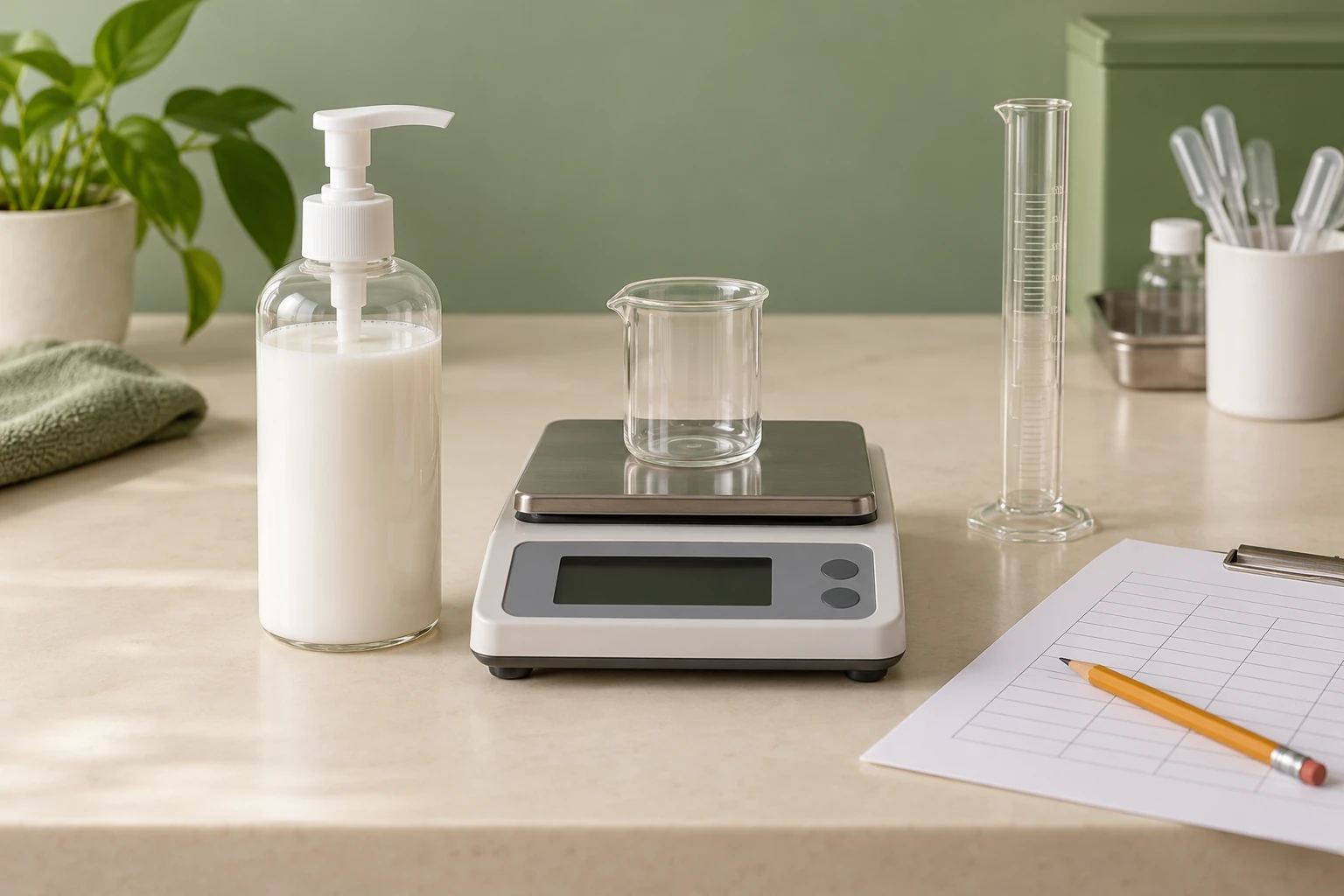
Output approval should state whether the result is mass or volume, the stroke sequence and how priming was excluded or recorded. Lock approval should show the packed state and user instructions. Tube approval should show the datum and cut details. Each record solves a different production question.
When a sample fails, retain its identity and record the failure before changing it. Mixing a revised actuator with an earlier bottle and calling the result “sample B” makes later investigation difficult. A simple revision register is more valuable than a large folder of unlabelled photographs.
Close the gap between the sample and the line
Hand assembly does not reproduce all filling-line conditions. Review whether the line guides the tube correctly, grips the collar safely and achieves the supplier's agreed assembly settings. Check that decoration remains clear of handling or sealing areas where the approved design requires it. Observe actual samples rather than assuming an existing machine recipe transfers unchanged.
Agree which incoming characteristics can be inspected and how nonconforming material will be handled. Avoid inventing a universal output tolerance from a competitor's data sheet. Aptar's PAV Treatment page, for example, demonstrates multiple dosage choices within one family; only the selected configuration and your agreed specification belong on this order.
Keep approval time, decoration development and transport planning visible in the launch calendar. A firm release date should follow closure of the required approval items, with any conditional approval written explicitly.
Sources & further reading
Use the references below alongside the selected component drawing and agreed sample plan. Product-specific claims need product-specific evidence.
PRODUCT REFERENCES
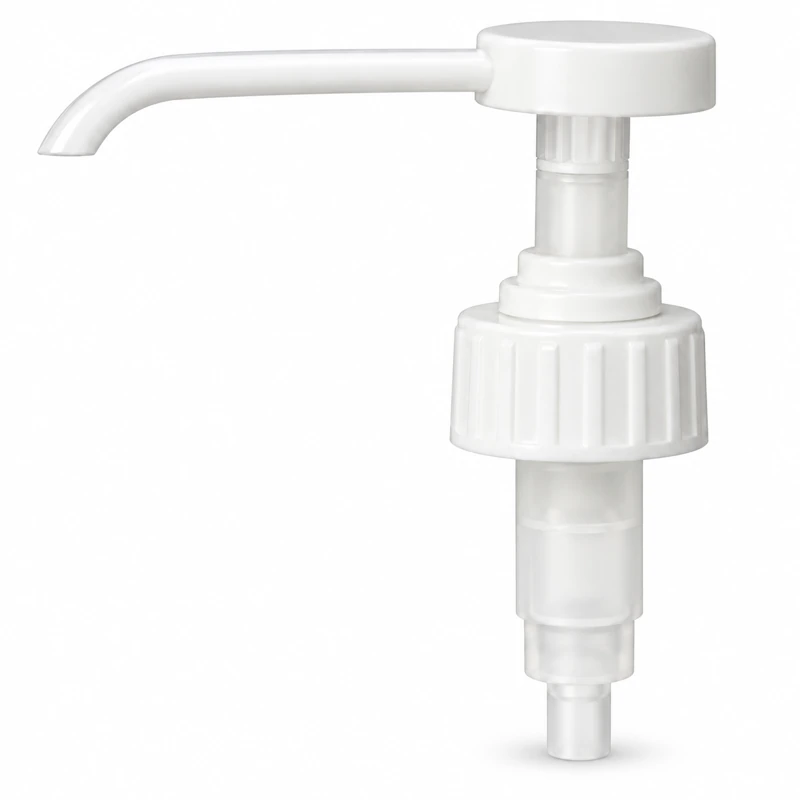
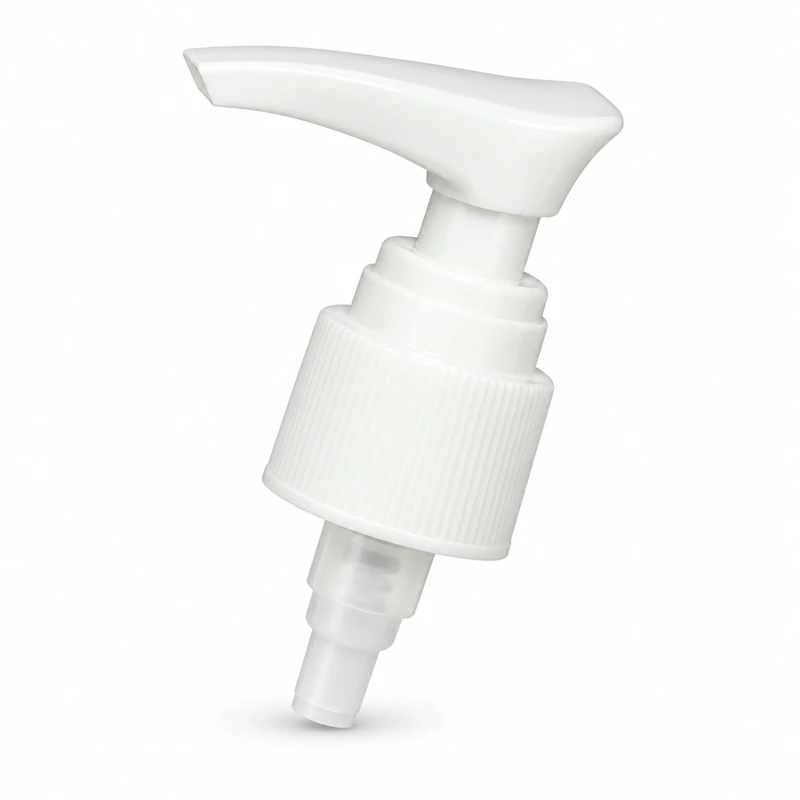
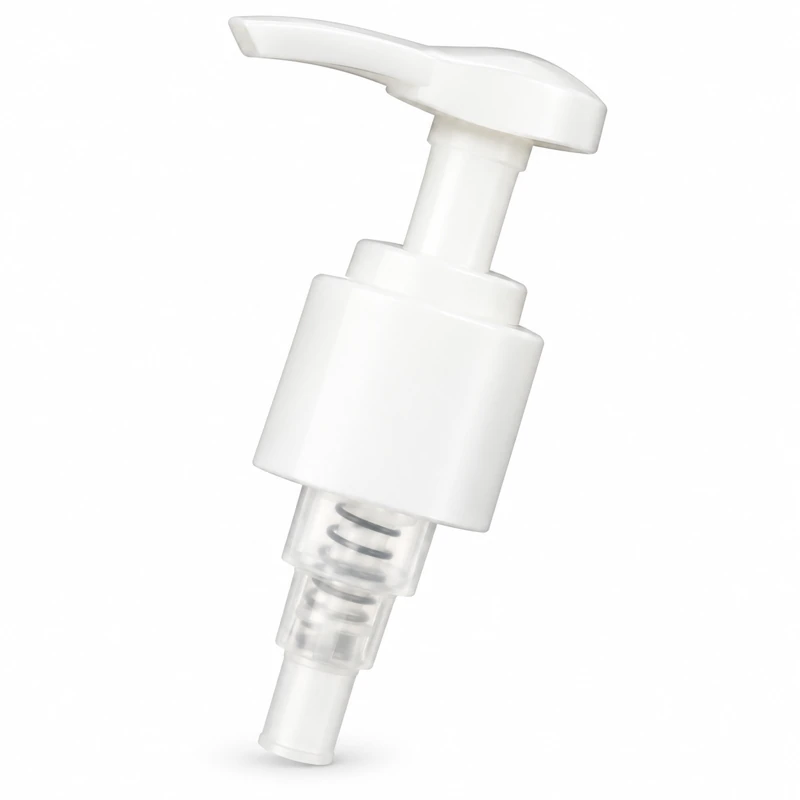
Components to discuss with your supplier.
These references share the component type discussed here. Confirm the selected assembly and application with samples.
Related articles
VIEW THE COMPONENTS