Dispensing & closure solutions[email protected]+86 139 5217 7003
Discuss your project
Buyer Guides/Lotion & foam pumps

LOTION & FOAM PUMPS / BUYING GUIDE

Choose Fully Assembled or Separately Packed Lotion Pumps

Compare total handling cost and configuration control.

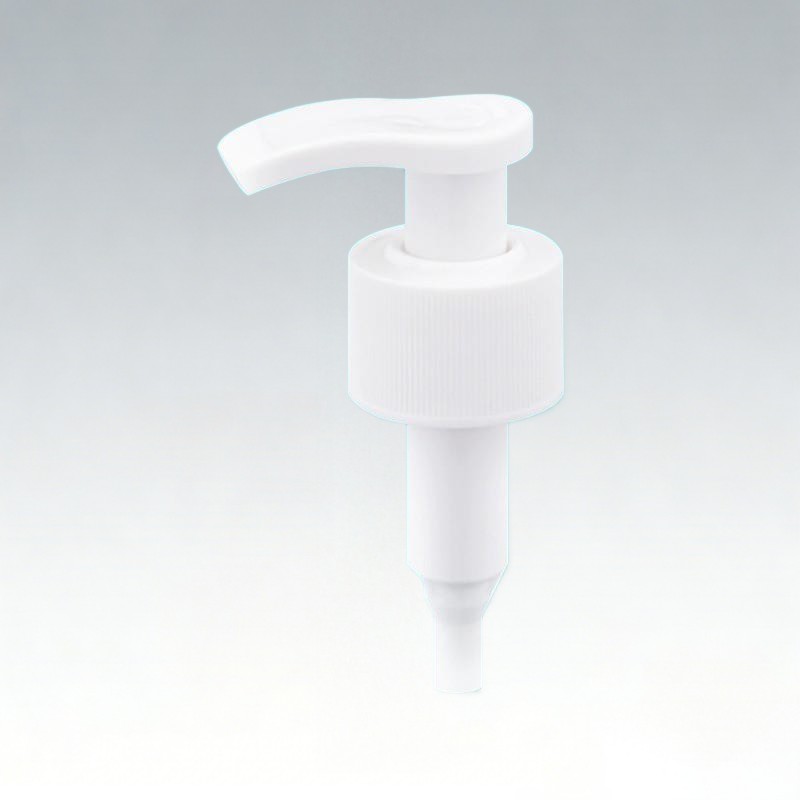
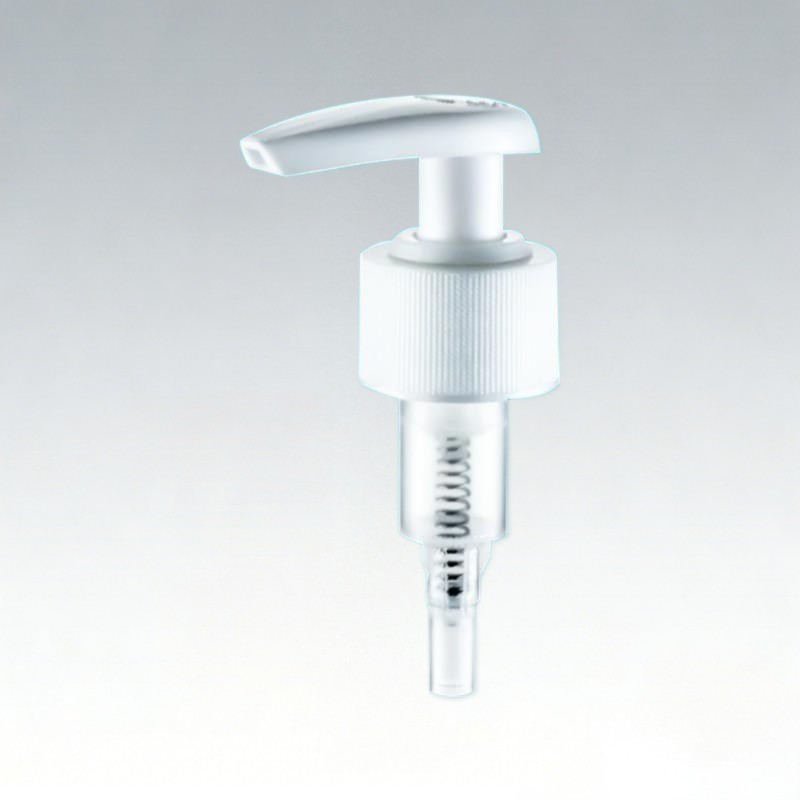
SP-LP-016 left-right lotion pump
Existing STDPAK catalogue reference: SP-LP-016. Appearance does not establish suitability for the application described.

THE DECISION IN BRIEF

Should we buy complete pumps or attach tubes and caps at our filling site?

Compare assembly responsibility, identification, cleanliness controls and line handling alongside unit price. Qualify the proposed supply format on the actual process before deciding.

Define what arrives ready for use

Ask whether the quotation includes the tube attached and cut, the cap fitted and any shipping feature installed. Record the supplied lock state and packing orientation. The word “complete” can conceal different responsibilities between suppliers. Ask whether partial cartons retain adequate identification and protection after a filling run, especially when caps or tubes are supplied separately.

Reconcile the shipment with the agreed bill of materials. Check whether tubes arrive fitted or loose and which parts the filler must add; a photograph of the visible head does not settle the supply boundary.

Compare total work

Assess the route your filler can execute consistently. Neither supply format is automatically best for every line.

Supply choiceAdditional review
Fully assembledPacking protection and feeder compatibility
Separate tubesConnection, cutting and identification
Separate capsInstallation and finished-pack inspection
Separate protective accessoriesLine ownership and missed-part controls

Include the hidden commercial items

A lower component price may shift labour, equipment and inspection to the filler. Conversely, preassembled parts may require more packing volume or a different feeder. Compare total delivered and processed cost using the proposed format.

Trial the actual cartons and components. Check how operators replenish the line, return partial material and distinguish variants. A perfect small sample bag may not represent production handling.

Where assembly occurs at the filler, agree the approved method with the pump supplier and define quality responsibility. A loose tube attached informally by several operators does not establish a controlled production process.

Retain an incoming reference and a finished reference with the format specification. If the supplier later changes packing or preassembly state, review the affected line tasks before the next run.

Choose the route that gives reproducible material identity and saleable output. The decision should be recorded as part of the component specification, so purchasing does not change supply format during a cost negotiation without alerting the people who perform the added work.

KEEP THIS WITH THE SAMPLE

For your buying brief

  • Compare cost after all assembly and handling responsibilities are allocated.
Prepare a quotation brief ↗

Sources & further reading

Use the references below alongside the selected component drawing and agreed sample plan. Product-specific claims need product-specific evidence.

PRODUCT REFERENCES

Components to discuss with your supplier.

These references share the component type discussed here. Confirm the selected assembly and application with samples.
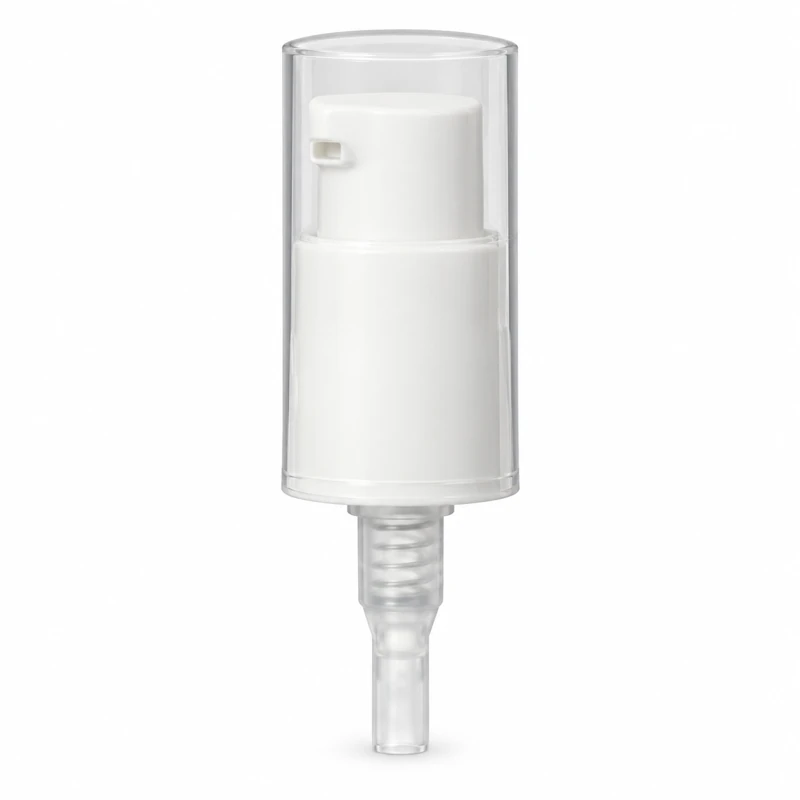
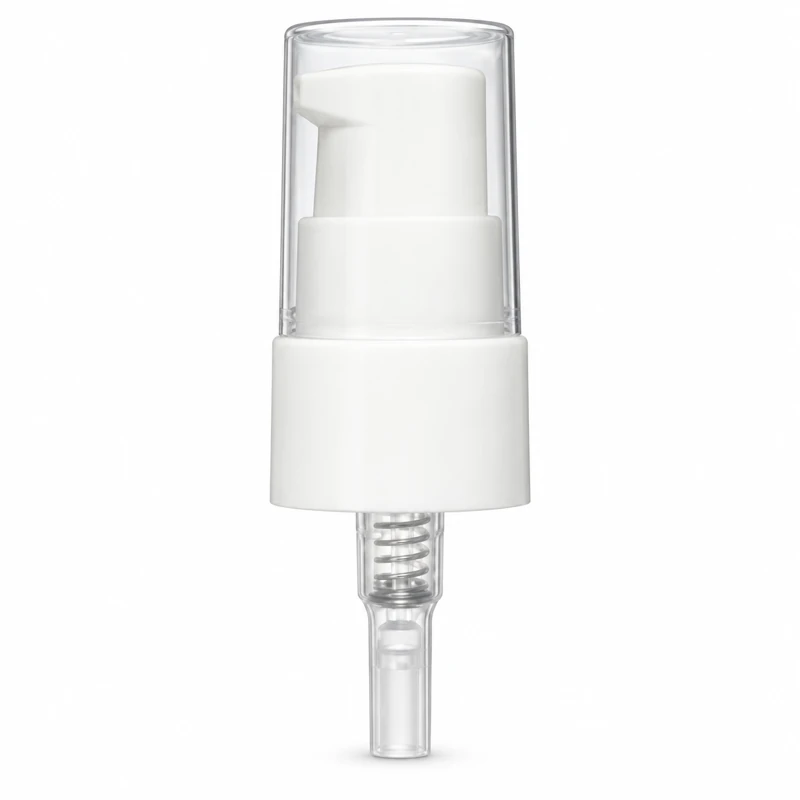
15 mm White Cream Treatment Pump with Translucent Overcap

View product →

18 mm Cream Treatment Pumps with White and Ivory Capped Designs

View product →

20 mm Cream Treatment Pumps with Ribbed, Smooth and Paddle-Top Designs

View product →

Related articles

VIEW THE COMPONENTS
Continue with a product reference.

Browse lotion & foam ↗

MOVE THE DECISION FORWARD

Have the bottle or the problem in hand?

Send the reference, drawing and application. Tell us which detail still needs to be confirmed.

Discuss your packaging ↗