THE DECISION IN BRIEF
Our carton lid touches the lotion head when closed. Is that acceptable if the pump is locked?
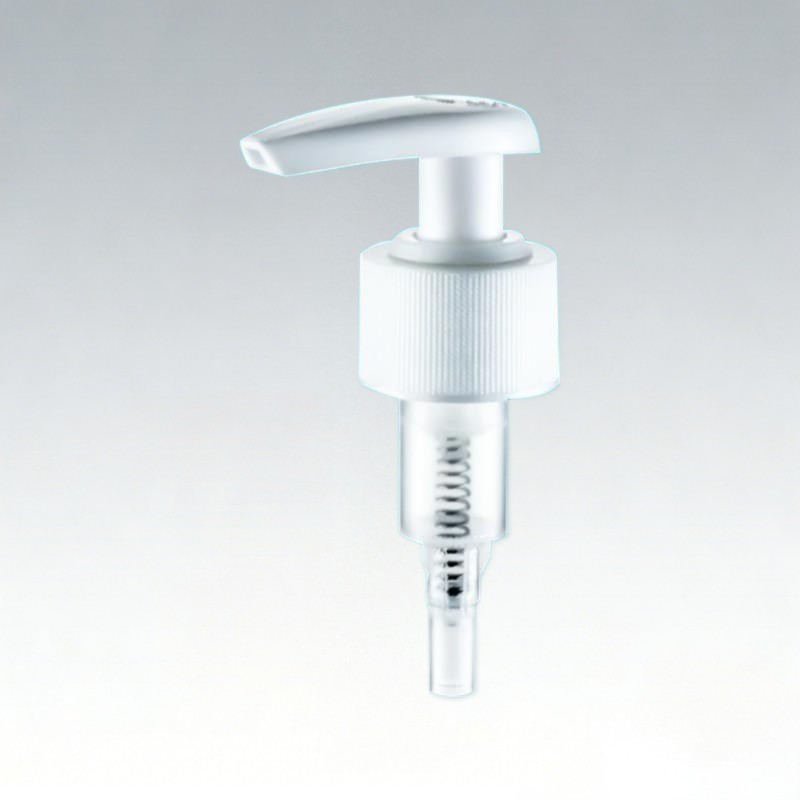
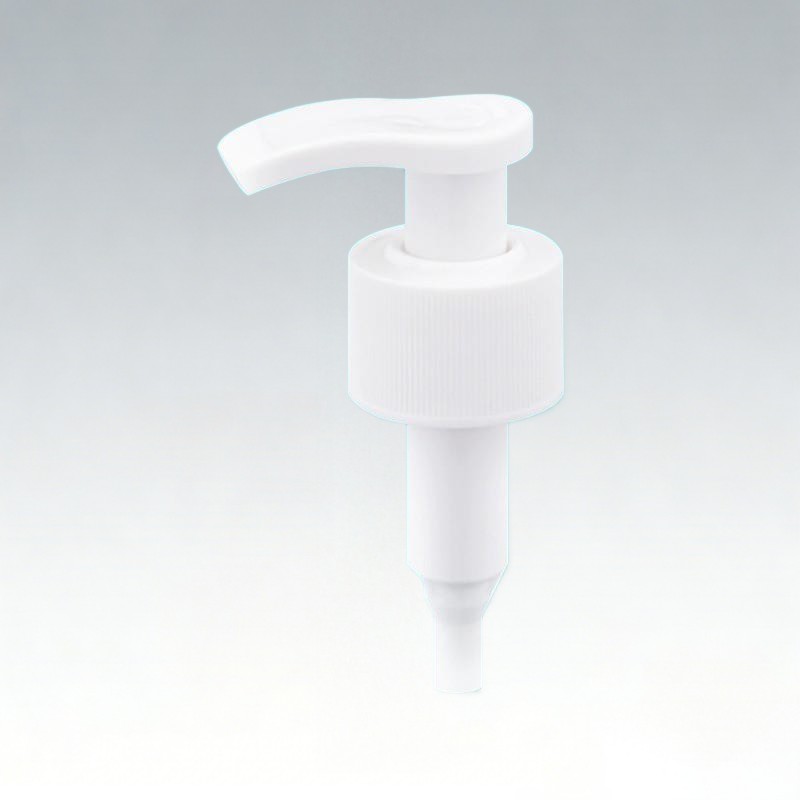
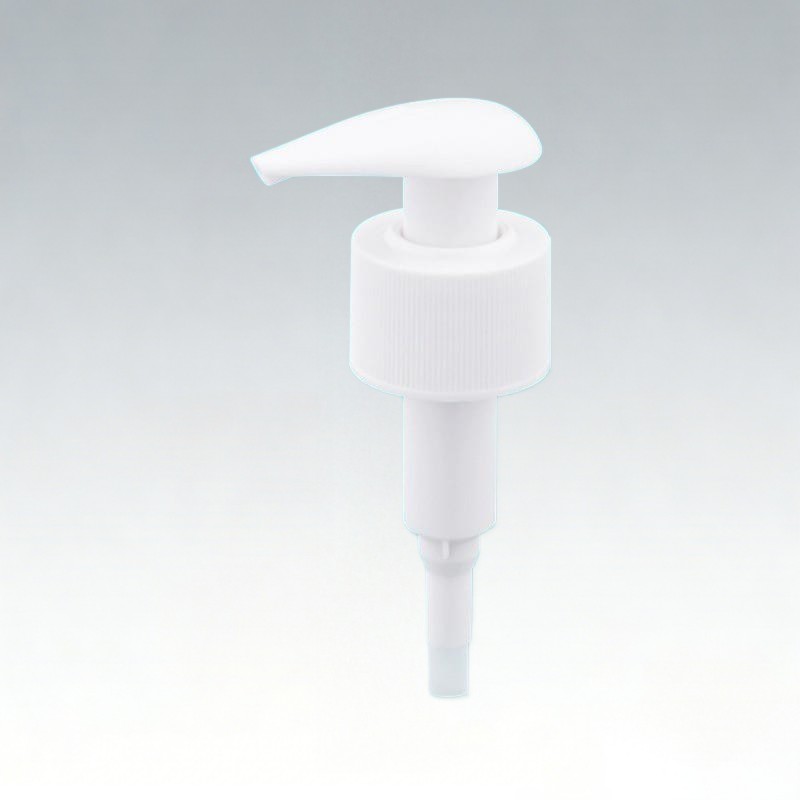
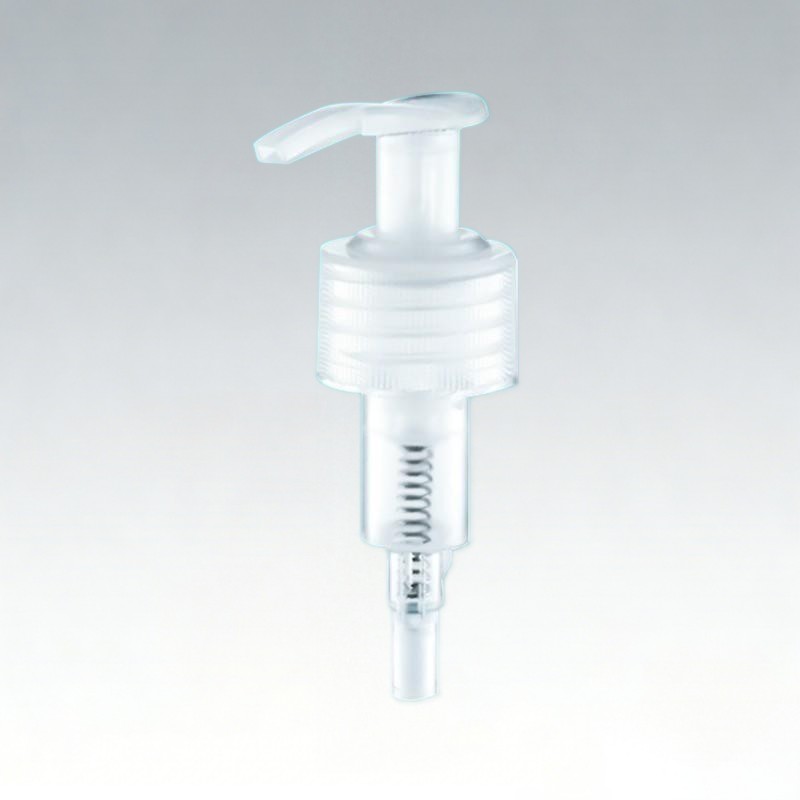
Review the complete packed configuration for contact and movement. Confirm the intended protection with the supplier and test selected filled packs; a lock does not automatically make lid pressure acceptable.
Inspect the packed state
Use the actual bottle, pump, lock state and carton components. Record where the lid or insert touches, whether the head moves during closing and whether the carton changes shape. An empty bottle with a loosely positioned pump cannot represent the finished packed height.
O.Berk identifies locking features as protection against accidental output. That supports including the lock in the review, but not treating every locked head as a structural support for the carton.
Review the packing sequence
Ask the pack designer and component supplier to agree the intended contact and restraint arrangement. Do not invent a universal clearance dimension.
- Confirm assembled height and variation from the selected components.
- Observe carton insertion and lid closure.
- Inspect any actuator or collar contact in the intended lock state.
- Evaluate the filled pack through the relevant handling plan.
- Unlock and dispense after unpacking to confirm first-use function.
Compare design changes commercially
A deeper carton may improve clearance but change shipping density and presentation. Another actuator may reduce the envelope while requiring different cap or user instructions. An insert can improve restraint yet add assembly steps. Compare these as package options rather than pursuing the cheapest isolated component.
If the carton relies on contact to restrain movement, make that deliberate and supported by the appropriate technical review. Hidden compression generated by an undersized box is not a substitute for a defined protective design.
Inspect wetting location if a trial leaks. Nozzle output, neck leakage and damage at another interface can leave similar stains on the carton. Preserve affected packs before cleaning or opening every assembly.
Record the approved packed state with photographs and component references. Reopen the check when bottle height, actuator, lock state or insert changes. This gives both purchasing and packing teams a repeatable configuration and prevents a small aesthetic revision from silently changing transport loading.
Sources & further reading
Use the references below alongside the selected component drawing and agreed sample plan. Product-specific claims need product-specific evidence.
PRODUCT REFERENCES
Components to discuss with your supplier.
These references share the component type discussed here. Confirm the selected assembly and application with samples.

Related articles
VIEW THE COMPONENTS