THE DECISION IN BRIEF
Foam collects inside the cap after use. Should we fit a tighter overcap?
Trace how residue reaches the cap and compare nozzle separation, cap clearance and the normal replacement action. Tighter retention alone may not address the transfer.
Reproduce the replacement sequence
Observe a normal portion, the user's separation from the outlet and the moment the cap is replaced. Record whether foam remains hanging, touches the cap during installation or spreads during storage. A cap inspected only after several days conceals the original transfer route. Compare the cap immediately after replacement and after the relevant pause; those observations help distinguish direct contact from later movement.
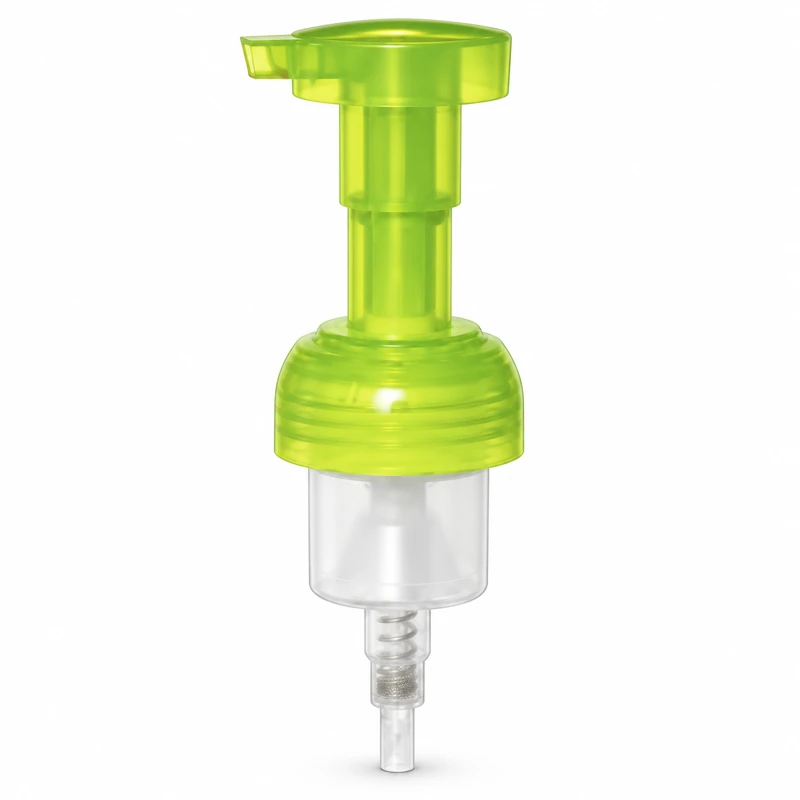
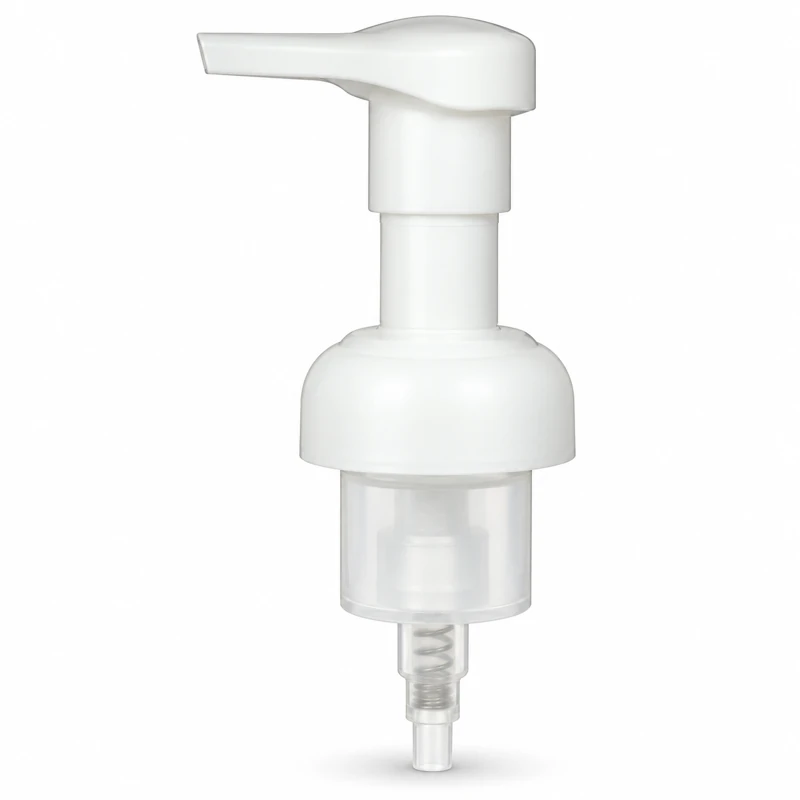
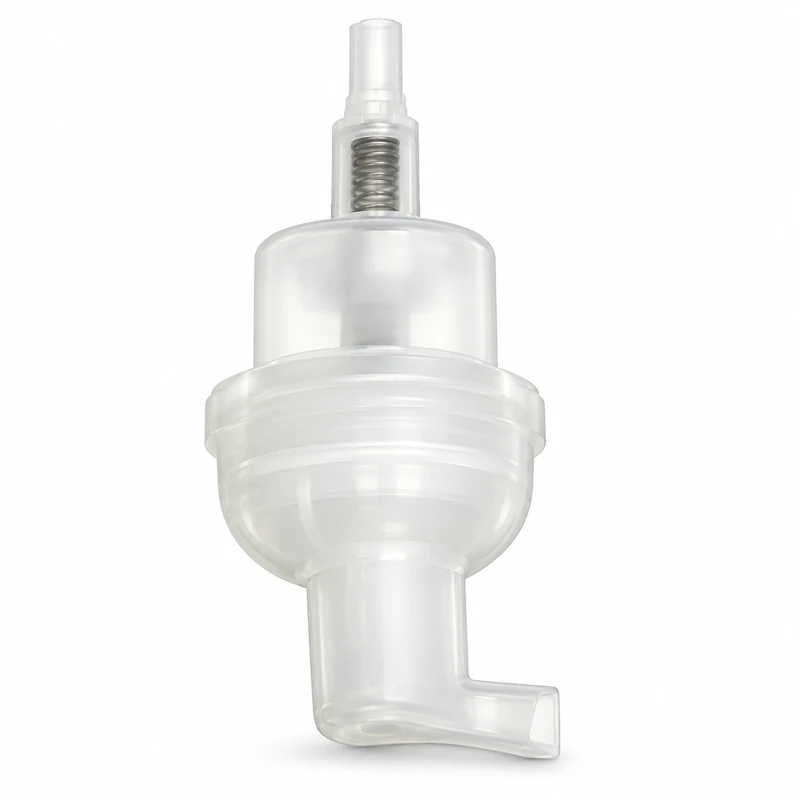
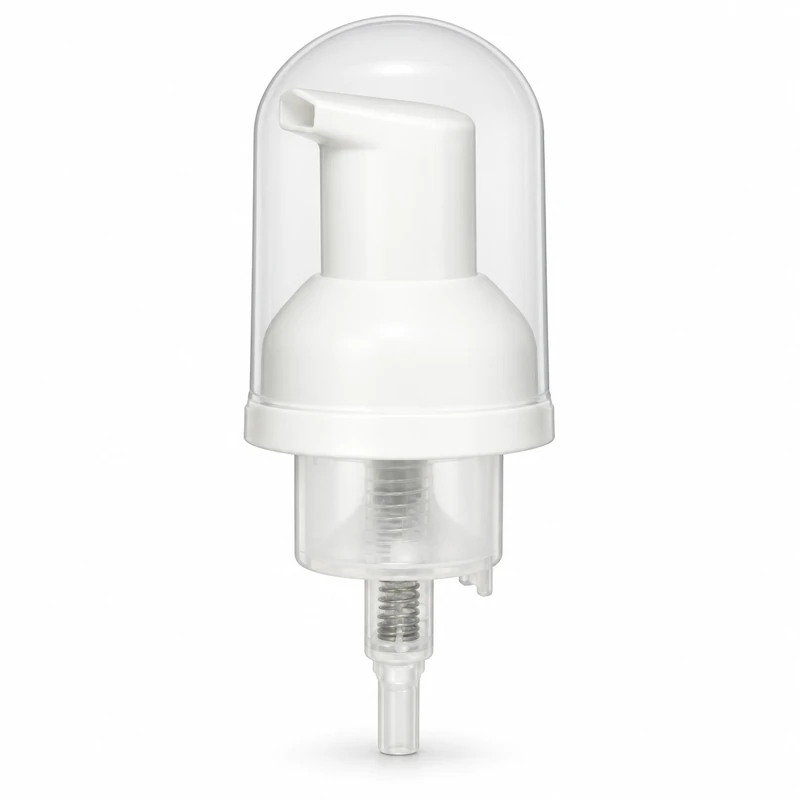
Silgan's F3 page identifies nozzle designs and a supplied preassembled cap for that family. Such parts should be compared as selected sets, not mixed by nominal appearance.
Locate the contact
Use the actual formula, cap and nozzle. Keep fresh foam residue distinct from liquid leakage elsewhere.
| Observation | Review |
|---|---|
| Cap touches fresh portion | Clearance and replacement timing |
| Foam remains at outlet | Nozzle presentation and separation |
| Liquid appears after storage | Identify escape route before diagnosis |
| Residue on gripping surfaces | Ordinary-use cleanliness and instructions |
Choose a remedy for the right interface
Ask whether another approved cap or nozzle arrangement exists for the selected engine. Compare operation and protection alongside cleanliness. A looser or taller cap can change packing and transport requirements, while a different nozzle can change how the portion lands.
Review any wiping instruction with users. If the intended routine requires wiping before every replacement, decide whether that is acceptable for the product rather than quietly adding it to the technical trial.
Inspect decorated surfaces exposed to residue using the relevant product-team review. Do not infer compatibility or hygiene outcomes merely because the transfer is less visible in an opaque cap.
Define the acceptable after-use state
Keep an identified example or clear observation record showing what the product team accepted. A dry showroom assembly is not an adequate master for this question. When cap depth, nozzle geometry or formula changes, repeat the affected sequence. The final choice should protect the actuator and support a plausible replacement routine while meeting the agreed cleanliness presentation.
Sources & further reading
Use the references below alongside the selected component drawing and agreed sample plan. Product-specific claims need product-specific evidence.
PRODUCT REFERENCES
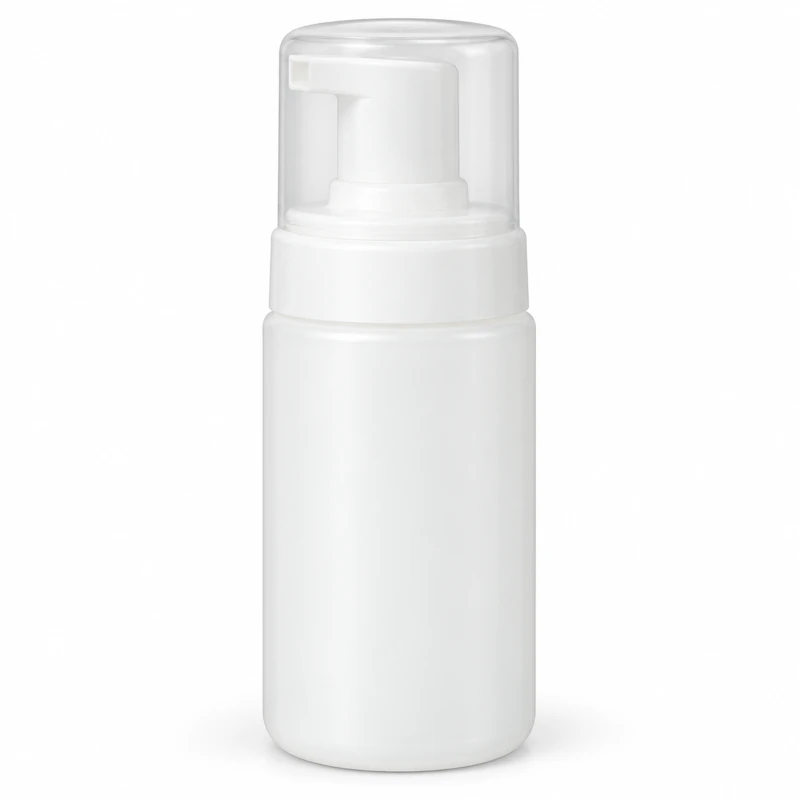
Components to discuss with your supplier.
These references share the component type discussed here. Confirm the selected assembly and application with samples.
VIEW THE COMPONENTS