THE DECISION IN BRIEF
Users squeeze our soft bottle while pressing the foamer and the delivery changes. Should the bottle be stiffer?
Observe the intended holding task and compare supplier-recommended bottle options with the selected foamer. Do not treat a push-foamer bottle as a squeeze system without design confirmation.
Identify the unintended gesture
Record whether squeezing happens while lifting, unlocking or pressing. Ask reviewers to use the complete pack without coaching. If the natural grip compresses the bottle, that is a design finding rather than simply user error.
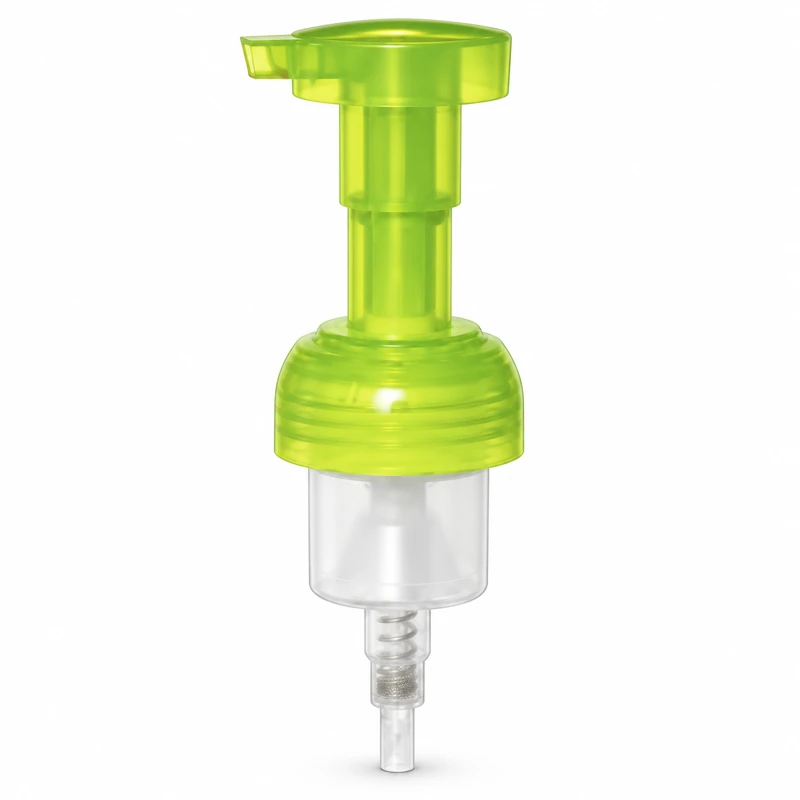
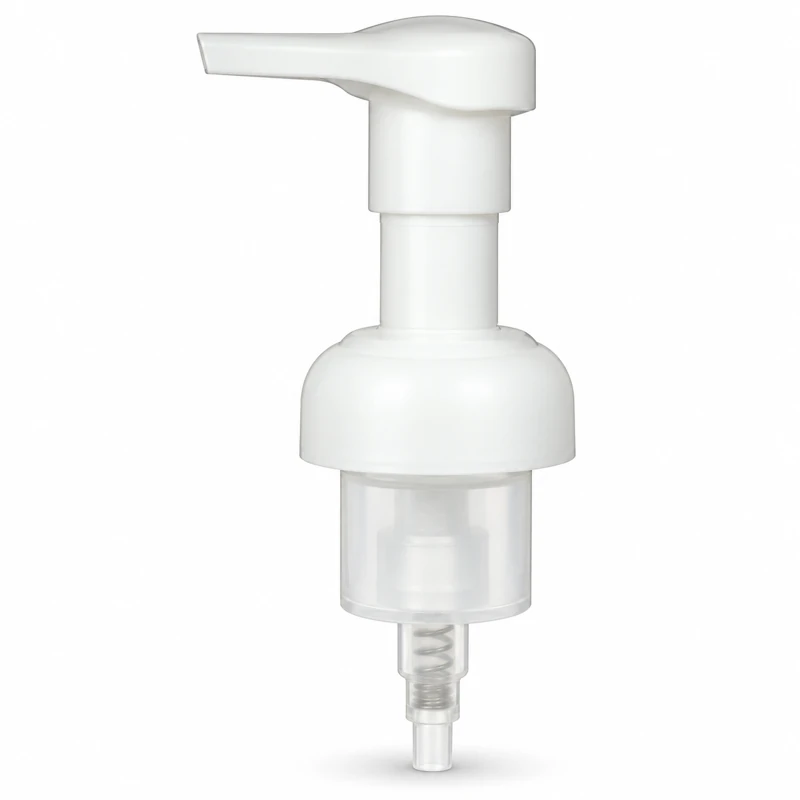
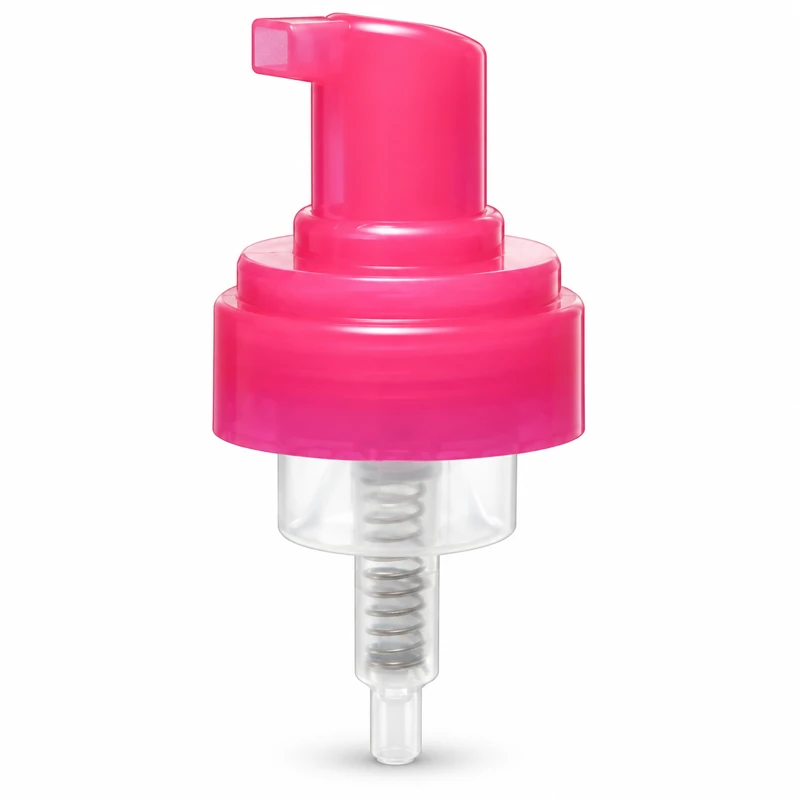
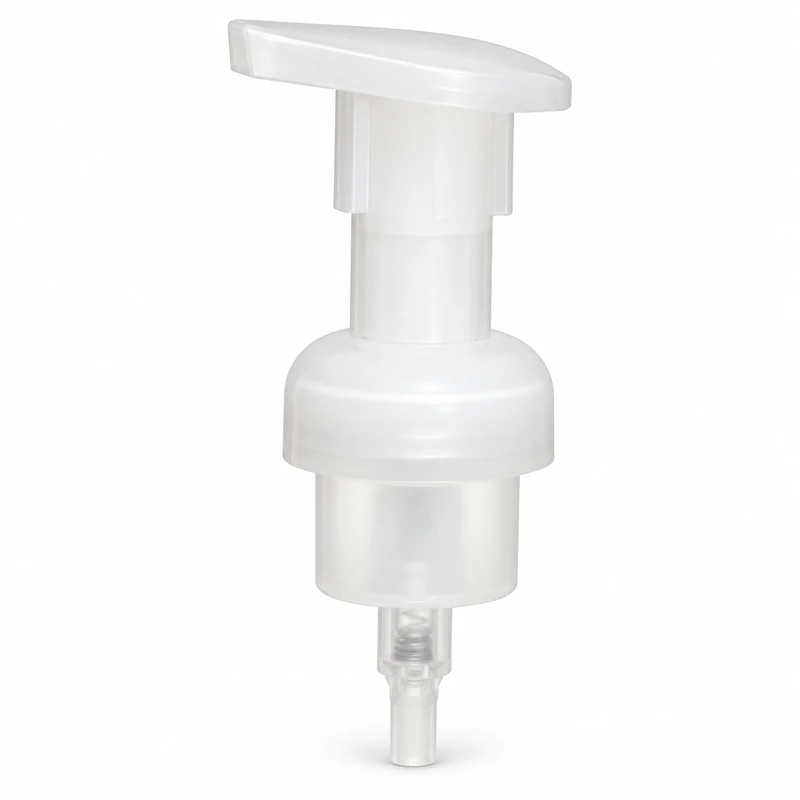
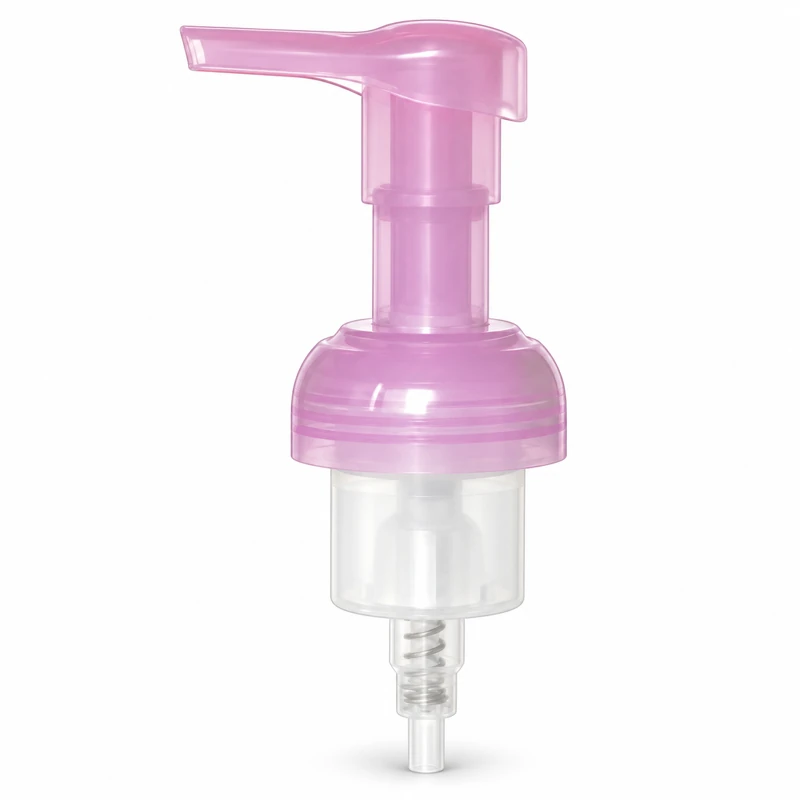
Silgan's G3 page describes a push foamer, while its EZ'R page describes dedicated squeeze technology. The distinction makes it important to ask how the selected bottle is intended to behave instead of assuming the gestures are interchangeable.
Follow the actual task
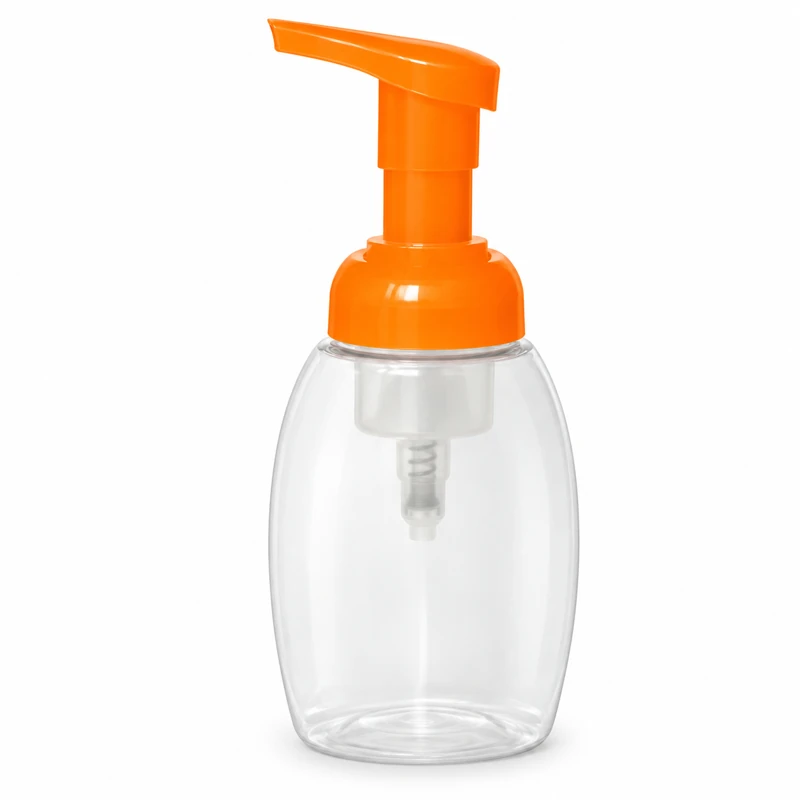
Compare final or representative bottle materials and shapes with the same selected engine and bulk.
| When compression occurs | Question |
|---|---|
| During pickup | Does the bottle offer a suitable grip? |
| During pressing | Can users support the pack comfortably? |
| During unlocking | Are grip points and instructions clear? |
| Only at low fill | Does the handling task change through use? |
Compare a bottle change properly
A stiffer bottle may alter grip, impact behaviour, decoration and filling requirements. Ask the bottle and pump suppliers to recommend candidates, then review the complete package rather than prescribing stiffness alone.
Observe the delivered portion and foam when users follow the intended action. Keep accidental compression results separate, but use them to decide whether the task is robust enough for ordinary use.
If the product genuinely needs a squeeze gesture, evaluate a designed squeeze-foam format. Do not ask a conventional push pack to behave like one through informal instructions.
Choose between instruction and design
A short cue can help when the action is otherwise intuitive. Repeated coaching to avoid a natural grip may indicate that the selected shape is poorly matched to the task. Compare user success before deciding which route is acceptable.
Retain the selected bottle reference and use observations with the foamer specification. Changes in bottle shape or material should prompt review of the holding task, even when nominal finish and pump engine remain unchanged.
Sources & further reading
Use the references below alongside the selected component drawing and agreed sample plan. Product-specific claims need product-specific evidence.
PRODUCT REFERENCES
Components to discuss with your supplier.
These references share the component type discussed here. Confirm the selected assembly and application with samples.
VIEW THE COMPONENTS