THE DECISION IN BRIEF
Long tubes arrive curved and miss the bottle opening during capping. Must the tube material change?
First compare packing history, tube presentation and insertion guidance. Ask the supplier to propose suitable tube and packing options, then confirm final pickup with the intended bottle.
Distinguish line entry from final function
A curved tube can create an assembly challenge even when the finished pack would dispense properly. Conversely, a tube inserted successfully may end in an unsuitable pickup position. Record both outcomes so the team does not solve one while overlooking the other.
Document how pumps are packed, stored and fed to the machine. Photograph the tube condition when cartons are opened and at the insertion station. Do not assume incoming curvature came from manufacturing without checking the handling sequence.
Compare the practical alternatives
O.Berk explains that tube selection depends on the paired bottle. Extend that bottle-specific review to the actual insertion process rather than applying a generic straightness rule.
- Review supplier packing orientation and storage instructions.
- Observe the machine's tube guidance and bottle alignment.
- Compare proposed material or rigidity variants as identified samples.
- Inspect tube position after assembly, including near-empty pickup.
- Record reject causes separately from overall line yield.
Evaluate material changes as package changes
A stiffer tube may enter differently but also contact the bottle base differently. A more flexible tube may tolerate entry while curling into an unintended region. Request supplier recommendations and avoid prescribing a material solely from its appearance in an unfilled bottle.
Do not heat or manually stretch production tubes as an informal fix. If any conditioning process is proposed, the supplier should review it and the filler should control it. Unrecorded intervention makes later performance and cleanliness difficult to interpret.
Use the intended formula when confirming operation after the line trial. Check first use, repeated dispensing and low-fill pickup. An improved machine run is necessary evidence for the assembly problem, but does not replace the functional comparison.
Add the accepted packing and feeding arrangement to the purchasing handover. If the pump shipment format changes later, assess the insertion risk again. This keeps a process-sensitive tube choice reproducible across deliveries.
Sources & further reading
Use the references below alongside the selected component drawing and agreed sample plan. Product-specific claims need product-specific evidence.
PRODUCT REFERENCES
Components to discuss with your supplier.
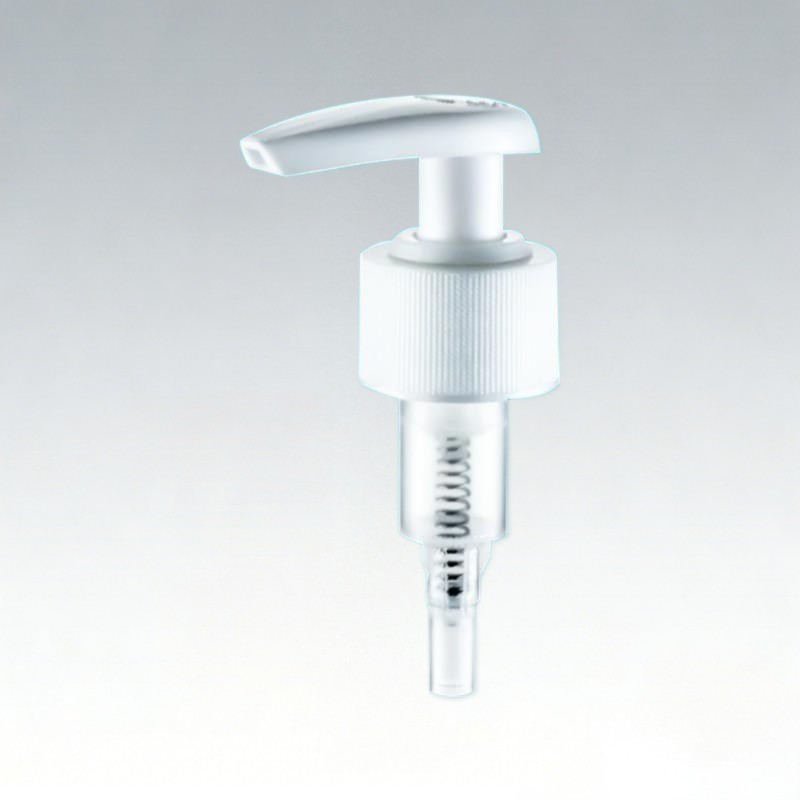
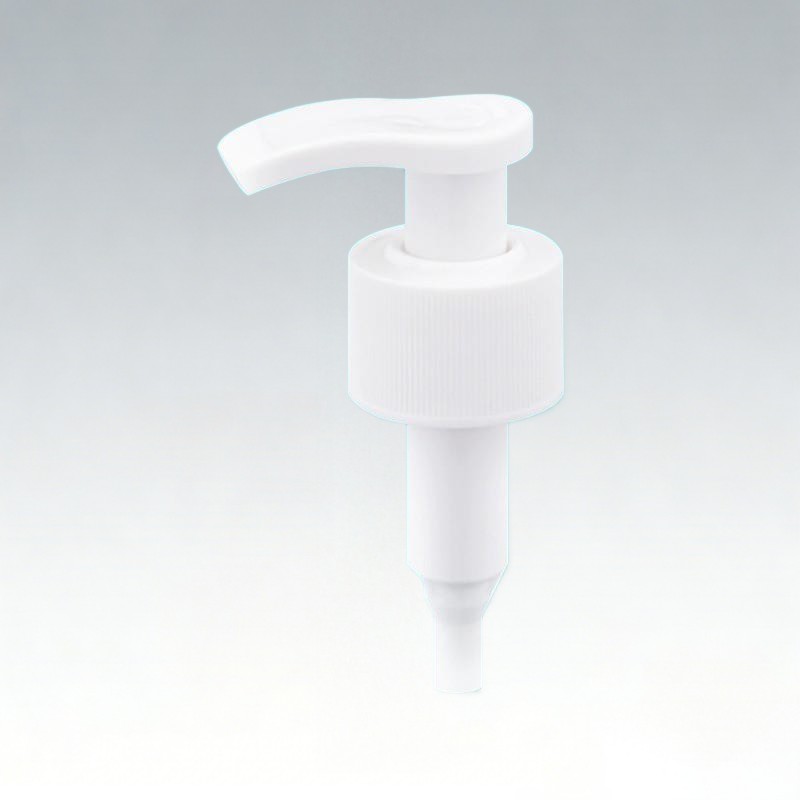
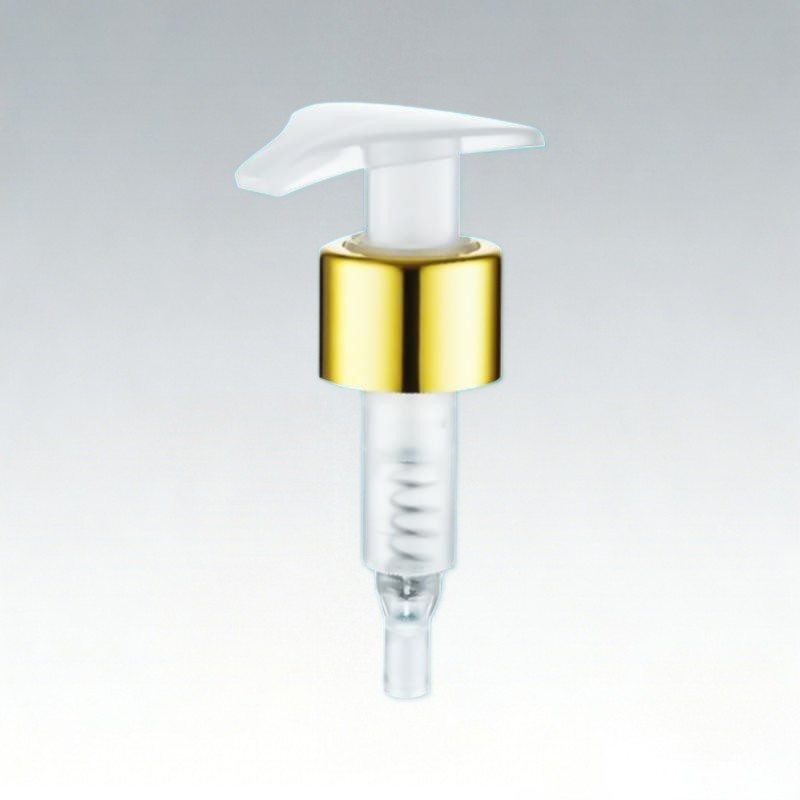
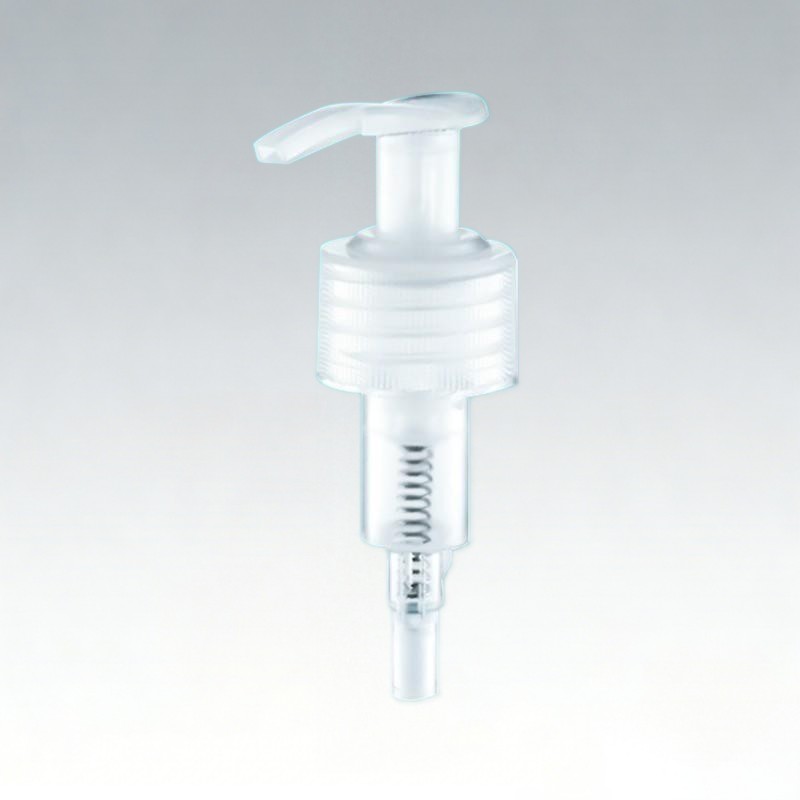
These references share the component type discussed here. Confirm the selected assembly and application with samples.
Related articles
VIEW THE COMPONENTS