THE DECISION IN BRIEF
The first stroke works, but repeated strokes become weak. What should we compare?
Separate full recovery from rapid repeated operation. The buying question is whether the selected assembly can recover at the pace the application requires with the actual formula.
Make the timing visible
Compare a deliberate stroke followed by full release with the normal user rhythm. Note whether the trigger physically returns late, returns fully but delivers inconsistently, or becomes harder to pull. Those observations lead to different questions for the supplier.
Use the same fill level, nozzle mode and bottle position for the comparisons. Do not add a waiting period to the approval procedure merely to make a poor candidate appear consistent if the real task involves repeated pulls.
Do not diagnose from viscosity alone
Ask the technical team to review formula behavior, internal configuration and assembly condition. A thicker liquid is relevant, but the word thick is not a test description. Send the formula sample and any measured property information available, including its measurement conditions.
Retain an affected unit intact. Comparing a new trigger with a dismantled and reassembled one introduces another variable. If slow recovery appears only after storage, preserve that history and compare it with a fresh control before assuming a mechanical manufacturing fault.
Use the task as the release gate
For a buyer, the useful output is a reproducible operating condition: the actual application rhythm, whether full trigger return occurs, and how delivery changes through the sequence. Agree tolerances with the supplier rather than inventing a universal recovery time.
When comparing corrective samples, keep the operating rhythm visible in the record. A trigger that needs longer recovery may be acceptable for an occasional task and unsuitable for repeated application. Purchasing needs that distinction before choosing the lower-priced candidate.
Sources & further reading
Use the references below alongside the selected component drawing and agreed sample plan. Product-specific claims need product-specific evidence.
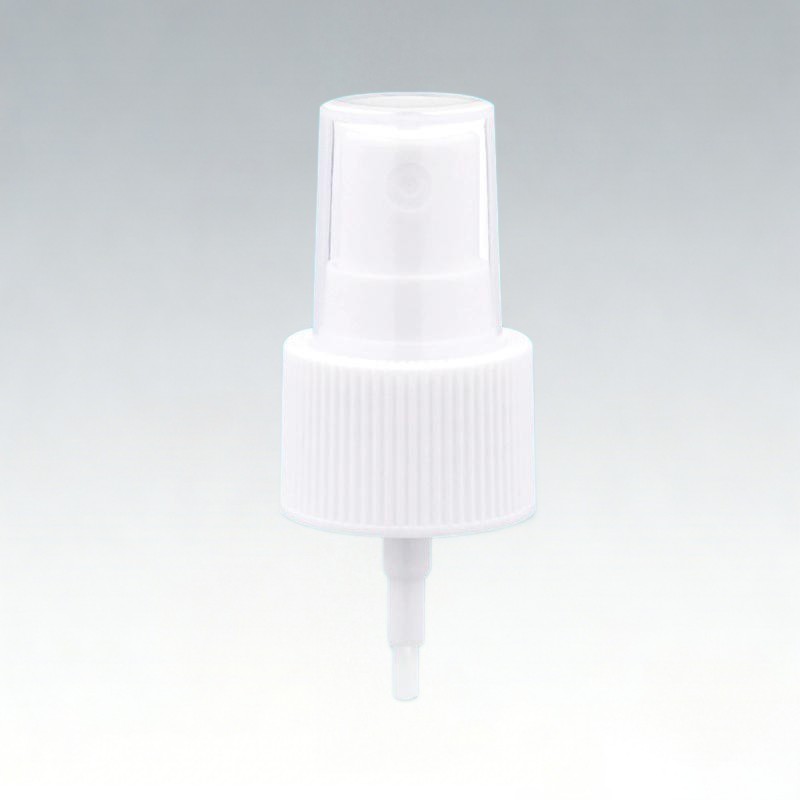
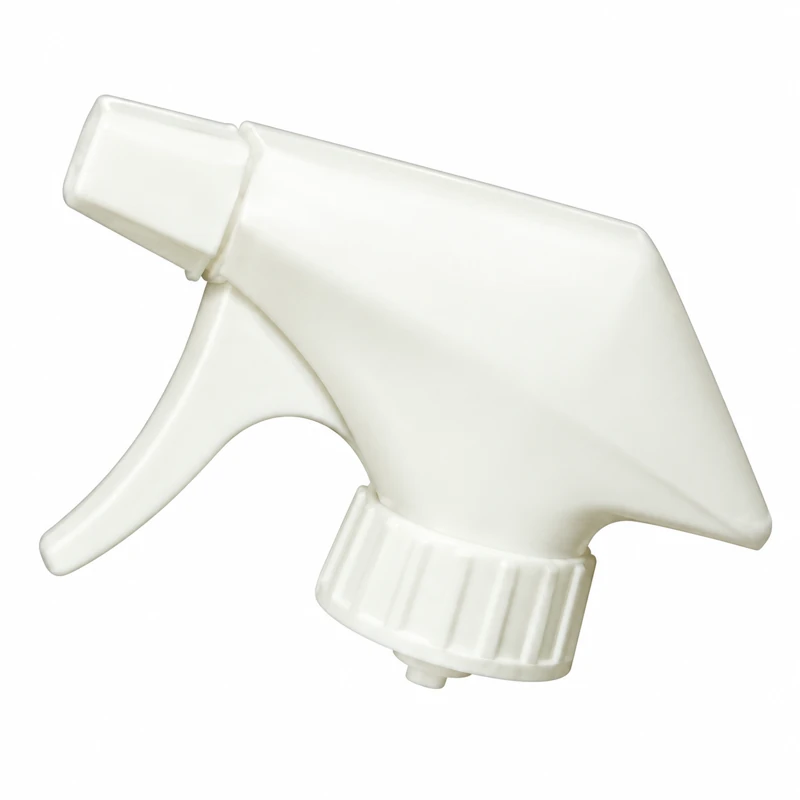
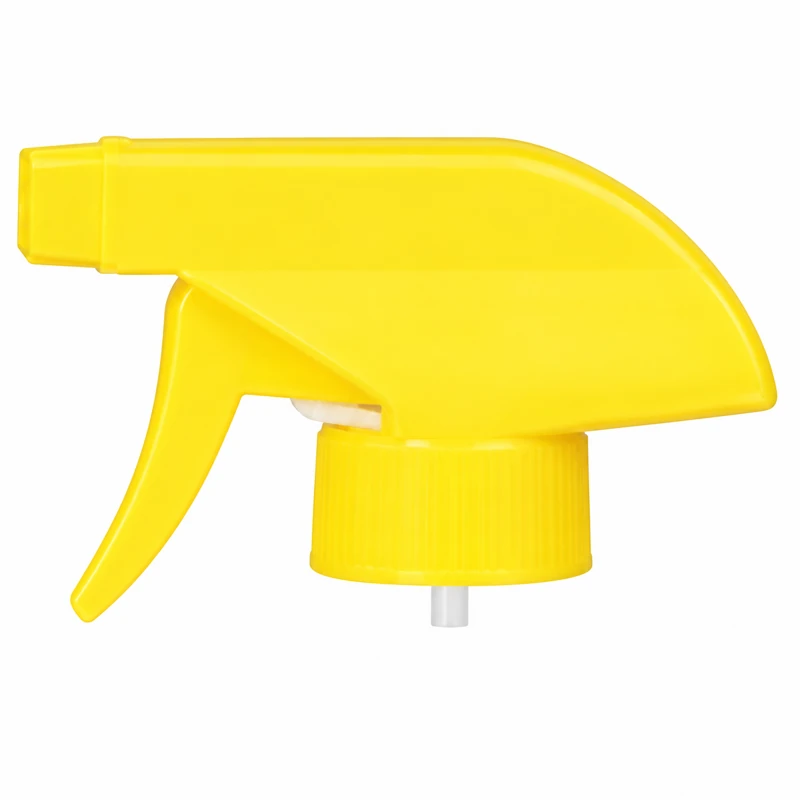
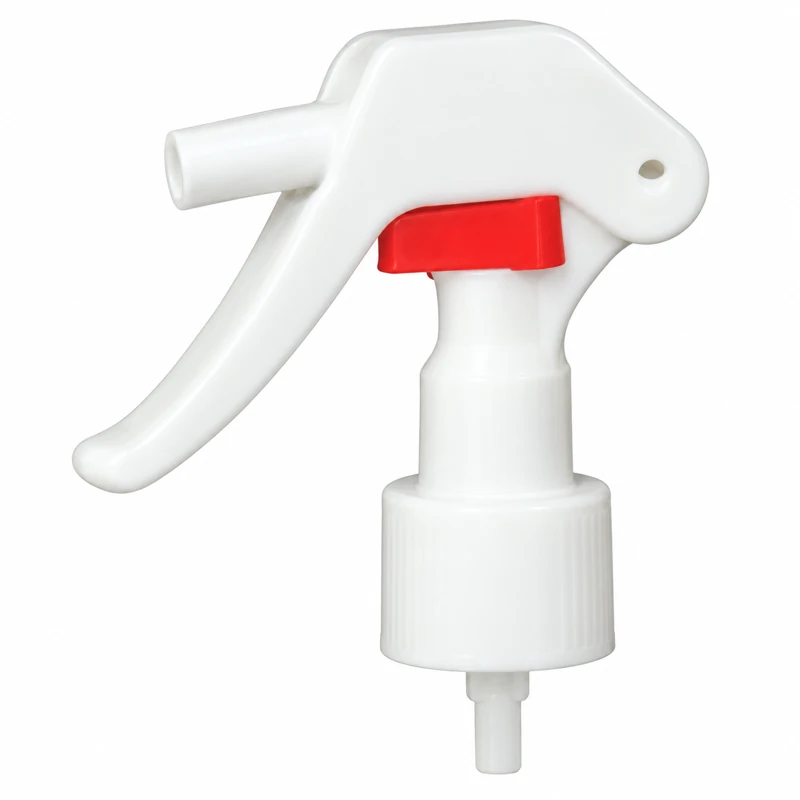
PRODUCT REFERENCES
Components to discuss with your supplier.
These references share the component type discussed here. Confirm the selected assembly and application with samples.
Related articles
VIEW THE COMPONENTS