THE DECISION IN BRIEF
What should we send with returned pumps so the supplier can investigate rather than request another sample?
Provide identified failed and working examples with formula, bottle, fill and handling history. Preserve untouched failures where possible and distinguish observed behaviour from suspected cause.
Capture the original condition
Photograph the complete pack before cleaning, tightening or dismantling it. Record whether the problem involves leakage, pressing, return, pickup or residue. Include a short operating sequence if it helps demonstrate the complaint without altering every sample.
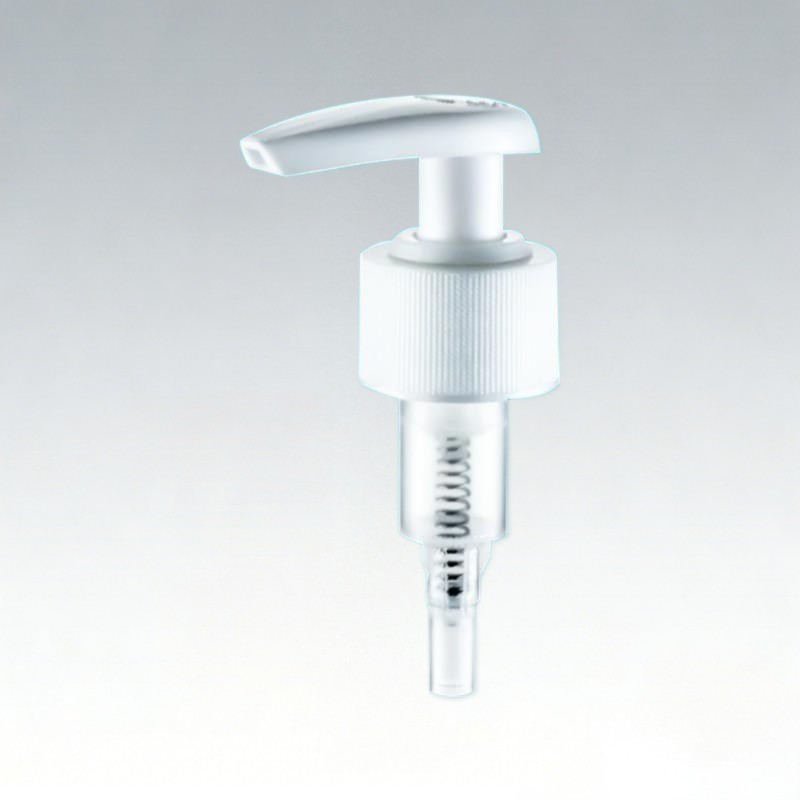
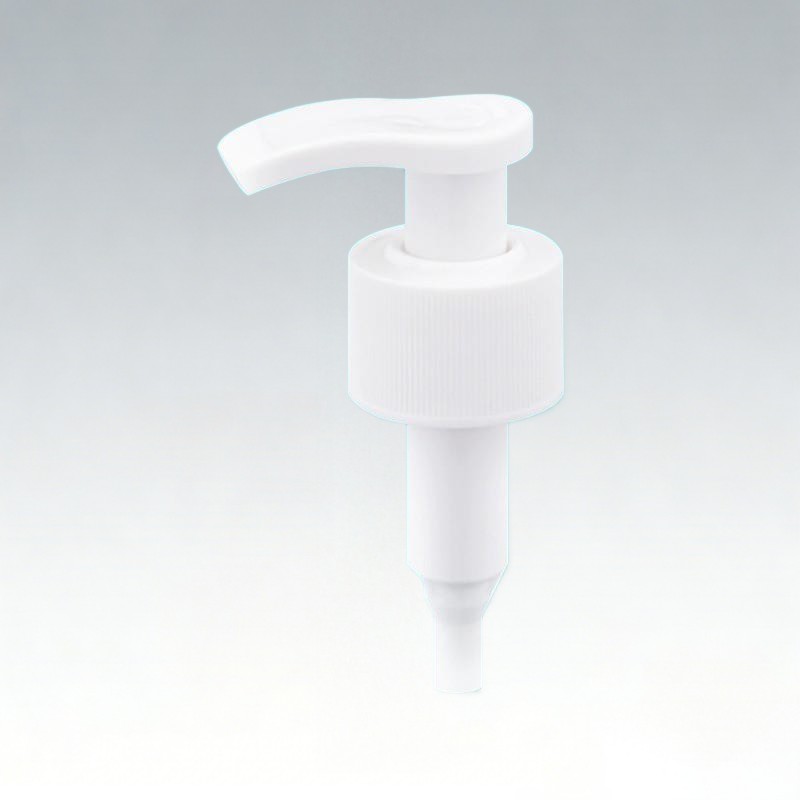
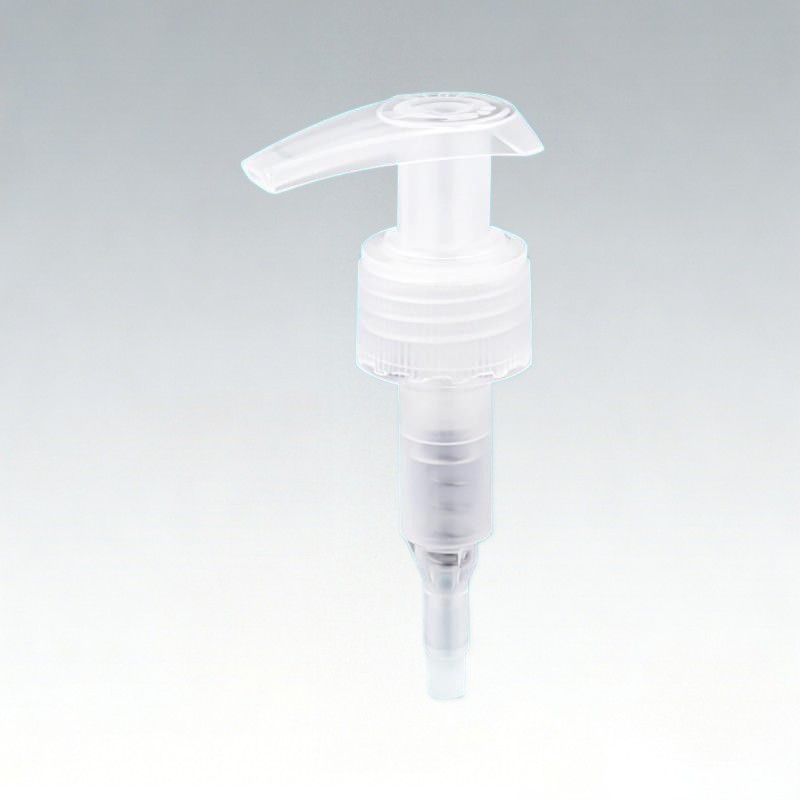
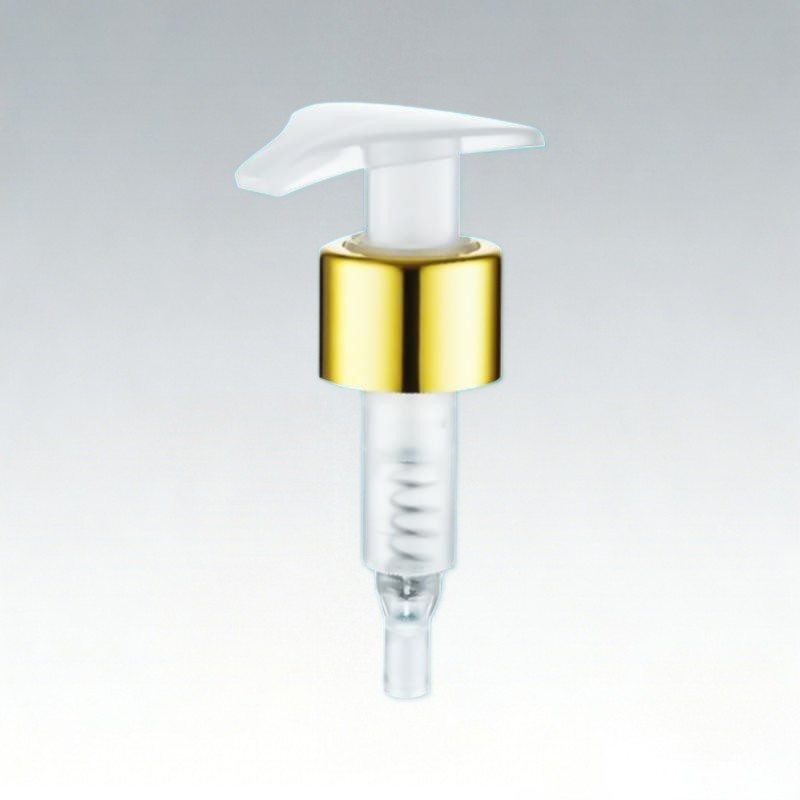
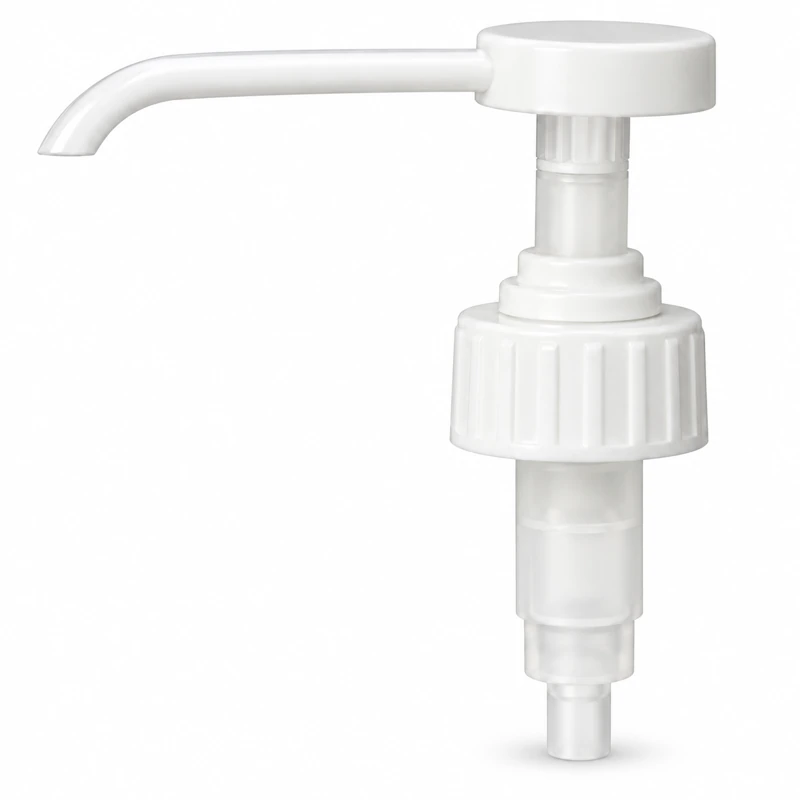
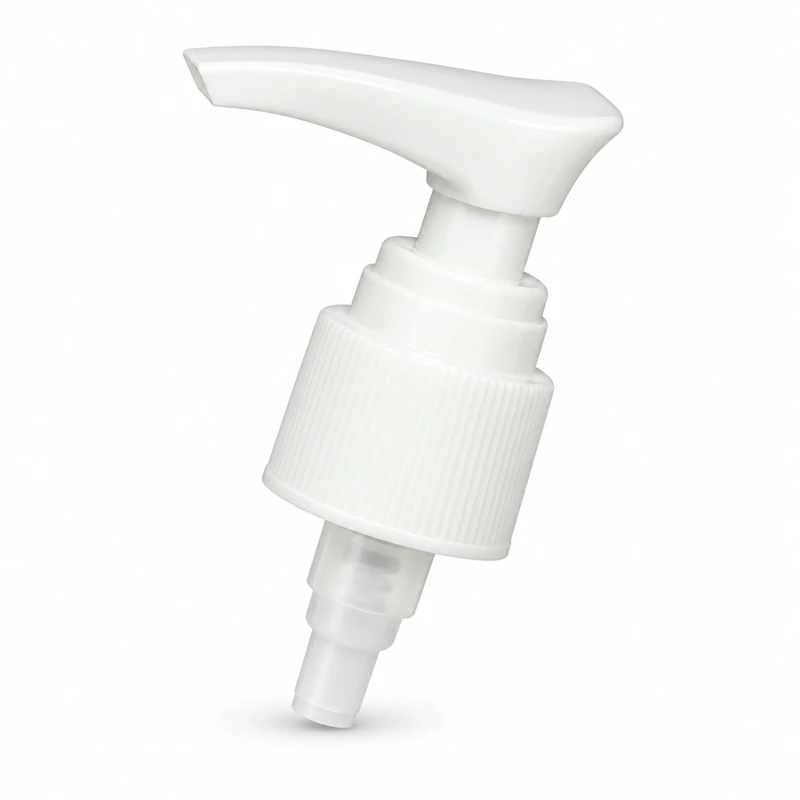
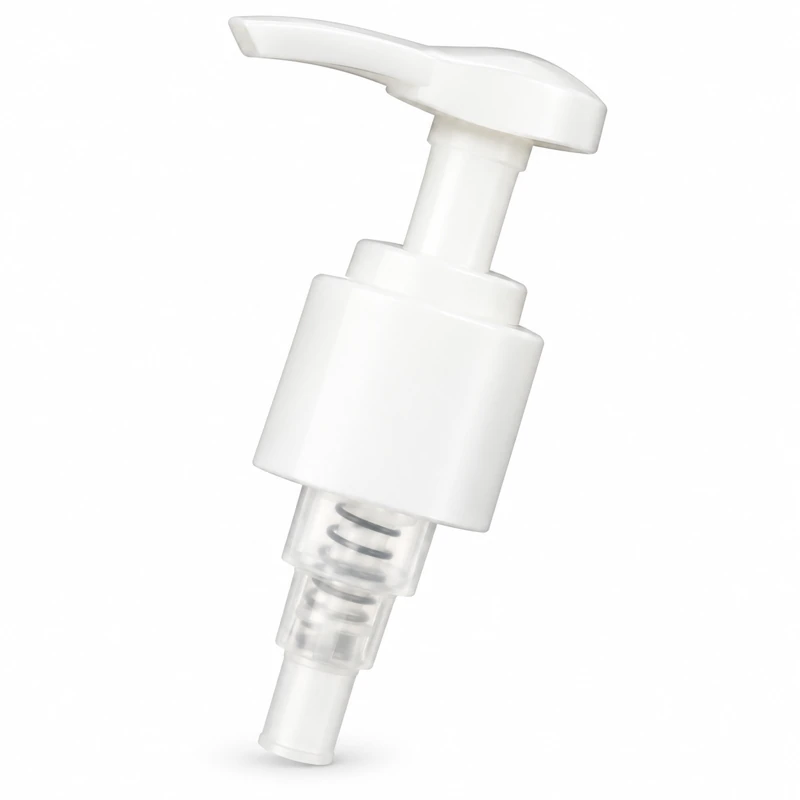
O.Berk's component anatomy gives a useful vocabulary for describing locations. “Wet around the bottle land” or “head remains partly depressed” is more actionable than calling the entire dispenser defective.
Build the investigation pack
Follow the supplier's sample-shipping and handling instructions, particularly for the actual formula. Keep confidential formulation information in the agreed channel.
| Evidence | Why it matters |
|---|---|
| Failed complete assembly | Preserves interacting components |
| Working comparison | Provides a relevant baseline |
| Component and finished-lot identity | Links production records |
| Formula and filling history | Defines what the pump handled |
| Observed sequence | Separates symptom from diagnosis |
Record interventions honestly
If somebody trimmed a tube, swapped a head or pulled an actuator upward, describe that action and label the modified sample. A repaired-looking pump can still support investigation if its history is known; an undocumented intervention makes conclusions unreliable.
Agree what the supplier will examine and how findings will be communicated. Ask for a distinction between confirmed cause, plausible explanation and unresolved uncertainty. Do not treat a successful replacement sample as proof of the original cause.
Preserve enough internal material for your own comparison if appropriate under the quality plan. Once all samples are dismantled, some assembly conditions cannot be reconstructed confidently.
Translate the agreed corrective action into a component, process or inspection change with a clear owner. If the proposed change affects formula contact or dispensing, obtain relevant approval evidence before release. This closes the complaint through a reproducible outcome rather than a sequence of undocumented sample swaps.
Include the sequence of affected production runs if complaints cluster around a particular changeover.
Sources & further reading
Use the references below alongside the selected component drawing and agreed sample plan. Product-specific claims need product-specific evidence.
PRODUCT REFERENCES
Components to discuss with your supplier.
These references share the component type discussed here. Confirm the selected assembly and application with samples.
Related articles
VIEW THE COMPONENTS