THE DECISION IN BRIEF
One subgroup of actuators behaves differently. How can we trace it?
Preserve available cavity and lot identities, compare the subgroup against the same acceptance method, and ask the supplier to relate the pattern to production records.
Record the identity already available
Inspect whether parts carry cavity or tooling marks and ask the supplier how to interpret them. Do not infer meaning from a number without confirmation. Link any mark to carton, production lot, and component revision where available.
A cavity identifier can help an investigation, but it does not prove causation. Variation may also follow material lot, assembly stage, handling, or inspection method. Keep these factors visible so a convenient numerical grouping does not become a premature explanation.
Build a traceable comparison
Berlin Packaging describes dimensional inspection and statistical process resources. Select an agreed comparison method for the actual characteristic instead of treating every visible code as a quality grade.
| Record | Purpose |
|---|---|
| Part and lot identity | Link the specimen to supplied material |
| Confirmed cavity mark | Check subgroup patterns |
| Measured or observed result | Apply the same criterion to every group |
| Assembly history | Separate component and local-process effects |
Avoid biased sampling
Keep passing and failing examples from the relevant groups. Do not collect only the most obvious defect from one code and compare it with ideal samples from another. Agree the sampling and disposition plan with the quality team, including how mixed cartons will be managed.
If a pattern is supported, ask the supplier for targeted investigation and containment. A tooling correction, sorting action, or assembly revision should identify its affected scope. Purchasing should not independently blacklist a code based on a small unstructured observation.
Verify the correction against the same method and keep lot identities intact. If temporary sorting is authorized, document responsibility, quantity reconciliation, effectiveness checks, and release identification. This prevents sorted and unsorted parts from becoming indistinguishable in the warehouse.
Use the finding to improve the specification or inspection only where evidence justifies it. Cavity information is most valuable as a route to a controlled corrective action, not as an unofficial substitute for agreed dimensional and functional acceptance criteria.
Sources & further reading
Use the references below alongside the selected component drawing and agreed sample plan. Product-specific claims need product-specific evidence.
PRODUCT REFERENCES
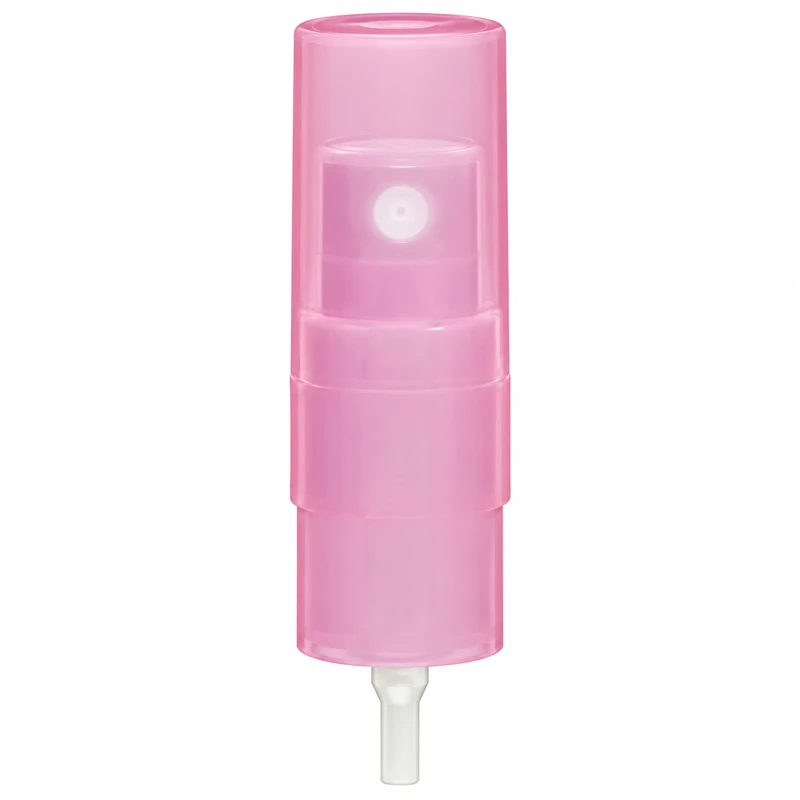
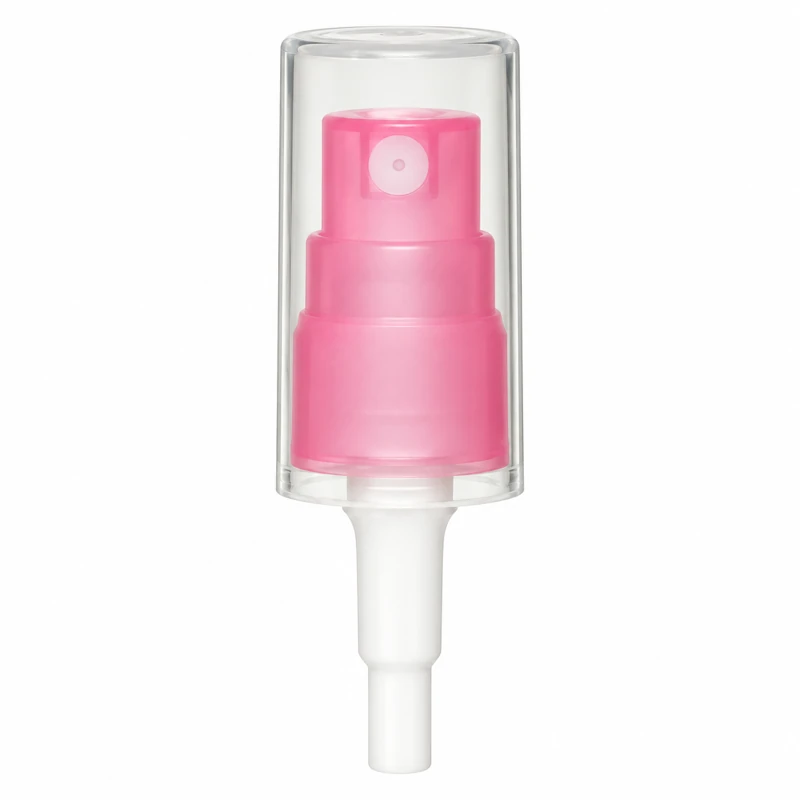
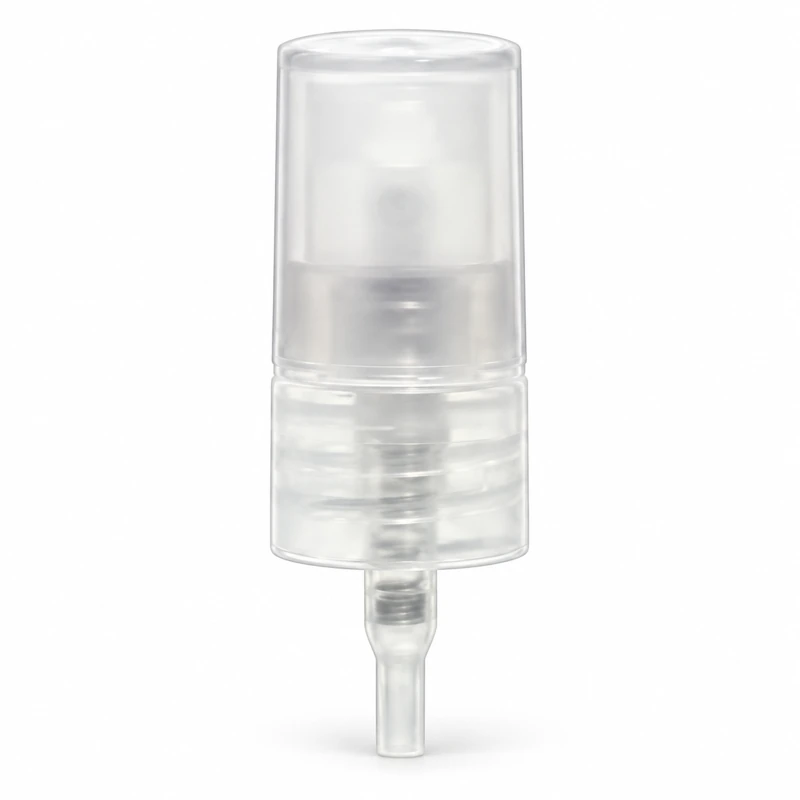
Components to discuss with your supplier.
These references share the component type discussed here. Confirm the selected assembly and application with samples.
Related articles
VIEW THE COMPONENTS