THE DECISION IN BRIEF
We have several trigger samples from suppliers; how can we compare them fairly and choose one for production?
Identify each configuration and evaluate it on the intended bottle with the final formula using a shared task and observation plan. Keep compatibility, dispensing, handling and shipping findings linked to the exact assemblies before making the purchasing decision.
Sort samples before filling them
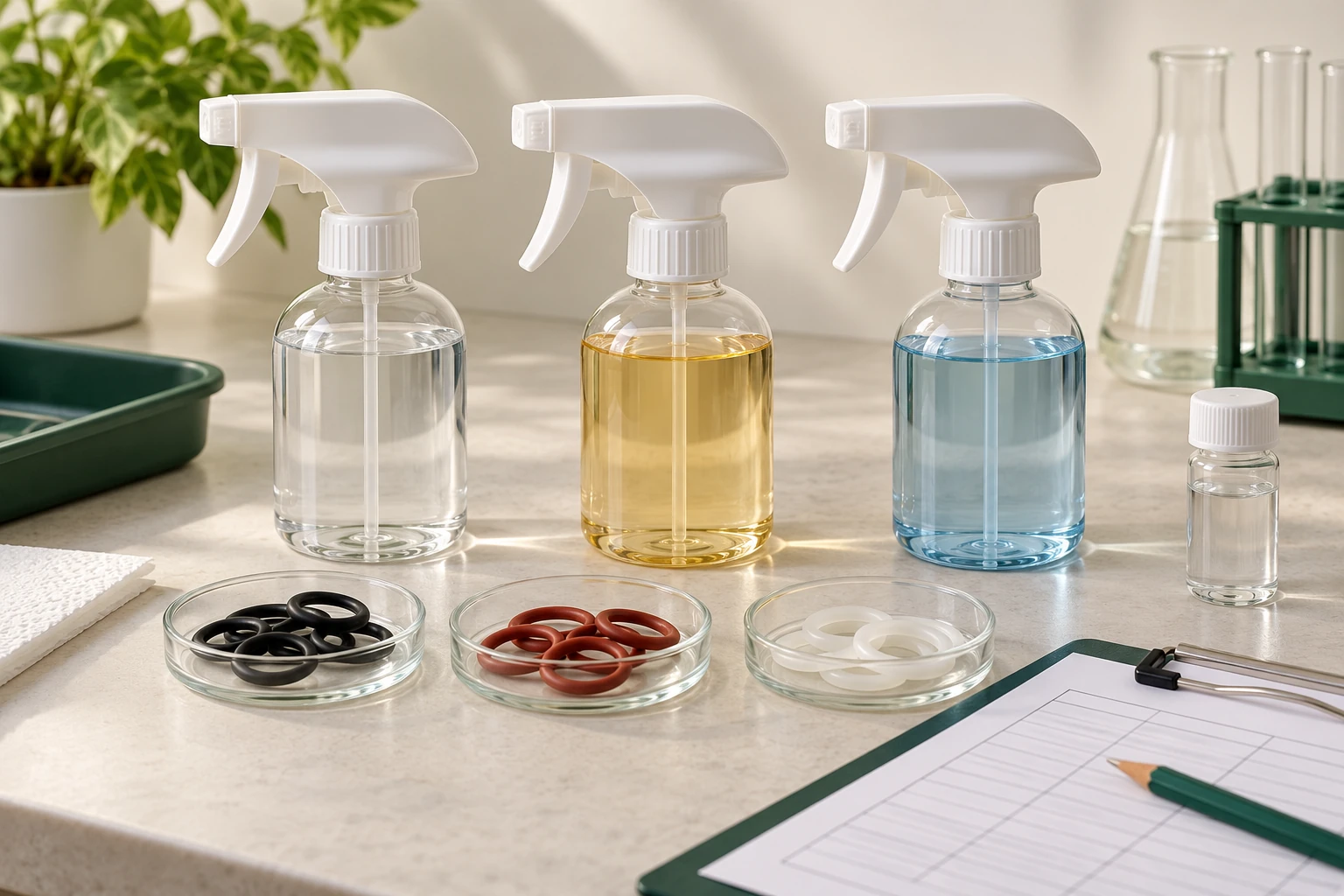
Start by assigning a sample reference to each distinct configuration. Record supplier, closure specification, nozzle, stated output, tube arrangement and any known construction differences. Photograph the labels and assemblies. If a supplier has supplied alternatives without identifying them, resolve that gap before comparing performance or cost.
Choose the bottle and formula references that the production project actually intends to use. A convenient water-filled bottle can help demonstrate movement, but it cannot establish how the finished product will dispense or behave during contact. If the formula is still changing, label the trial as developmental and preserve the revision so later results can be interpreted.
Sequence checks so basic mismatches are found early
Begin with documentation and physical assembly. Resolve closure fit and tube placement before spending time scoring spray patterns. Keep a baseline record of initial operation and a retained reference for later comparisons. Agree the observation method and acceptance criteria with the responsible teams before preferences are collected.
Silgan's TS800 PCR page lists multiple closures, output choices and nozzle configurations within one platform. That is a useful reminder that a family name does not uniquely identify a sample. The published values belong to that platform and should not be used to fill missing fields for a STDPAK sample.
Use a decision-focused trial sheet
The sheet should capture evidence in a form purchasing can use. Do not reduce every observation to an unexplained overall score.
| Review stage | Record | Decision supported |
|---|---|---|
| Assembly | Bottle, closure and tube references; observed fit | Whether the candidate can proceed |
| Dispensing | Priming, output method, pattern and residue | Whether application needs are met |
| Contact and storage | Conditions, sample history, component observations | Whether further investigation is needed |
| Handling | Task, grip observations and user feedback | Whether the package supports intended use |
| Distribution | Filled package, packing configuration and findings | Whether shipping approval remains open |
Investigate failures without losing the comparison
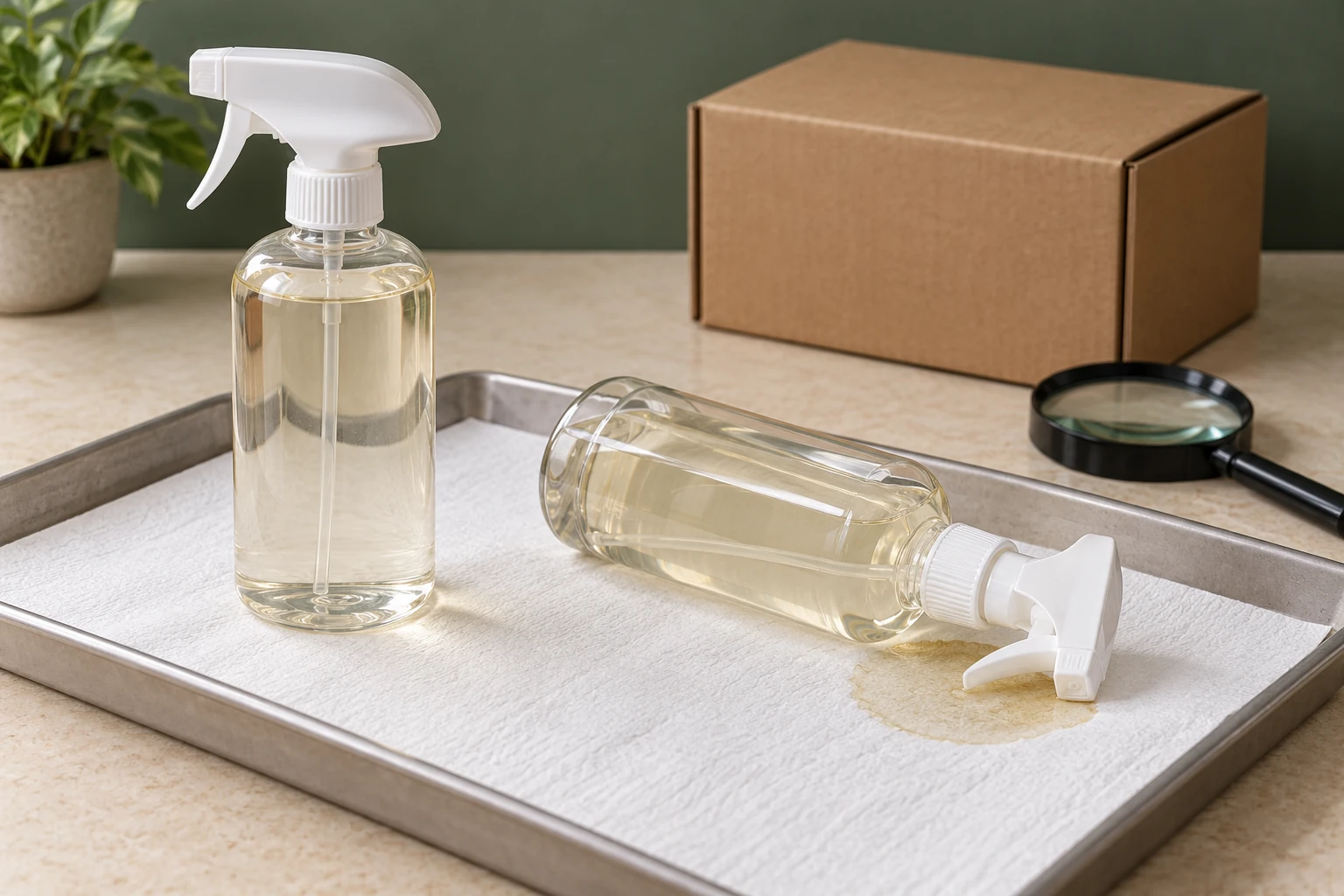
When a candidate behaves poorly, record the event before making adjustments. Note whether the problem occurs at first use, after standing, when the fill level changes or only in a particular nozzle position. Preserve affected parts. Ask the supplier to review an identified sample and history rather than sending a short video without configuration information.
Keep corrective samples separate from the original group. If the supplier changes the tube, nozzle and internal construction together, the new assembly needs its own reference. Compare it against the original observations, but avoid attributing improvement to one part when several variables changed. Record unresolved questions explicitly so a low quotation does not accidentally close them.
Convert the result into an orderable choice
Select the candidate using the application requirements and evidence, then attach its configuration reference to the approval record. Retain the accepted assembly and require review of substitutions. Include the intended formula, bottle, assembly method and shipping arrangement so production can reproduce what was evaluated.
Confirm commercial terms after the technical configuration is clear. Ask how approval timing, colour choices or other order details affect the specific proposal. The trial is complete when purchasing can identify exactly what to buy and which changes require another review.
Sources & further reading
Use the references below alongside the selected component drawing and agreed sample plan. Product-specific claims need product-specific evidence.
PRODUCT REFERENCES
Components to discuss with your supplier.
These references share the component type discussed here. Confirm the selected assembly and application with samples.

Chemical – resistant trigger sprayer with 9.5″ tube for industrial cleaning fluids
View product →Chemical Resistant Trigger Sprayer Manufacturer & Supplier In China
View product →
Heavy-Duty Plastic Trigger Spray Pump for Cleaning Products – Chemical-Resistant, High-Volume Output, Anti-Clog Design
View product →Related articles
VIEW THE COMPONENTS