THE DECISION IN BRIEF
We want a new colour for the same oil sprayer; is an appearance sample enough?
Identify which components and specifications change, then request the supplier's technical review. Compare finished assemblies for relevant operation, residue visibility and handling before release.
Separate shade approval from construction approval
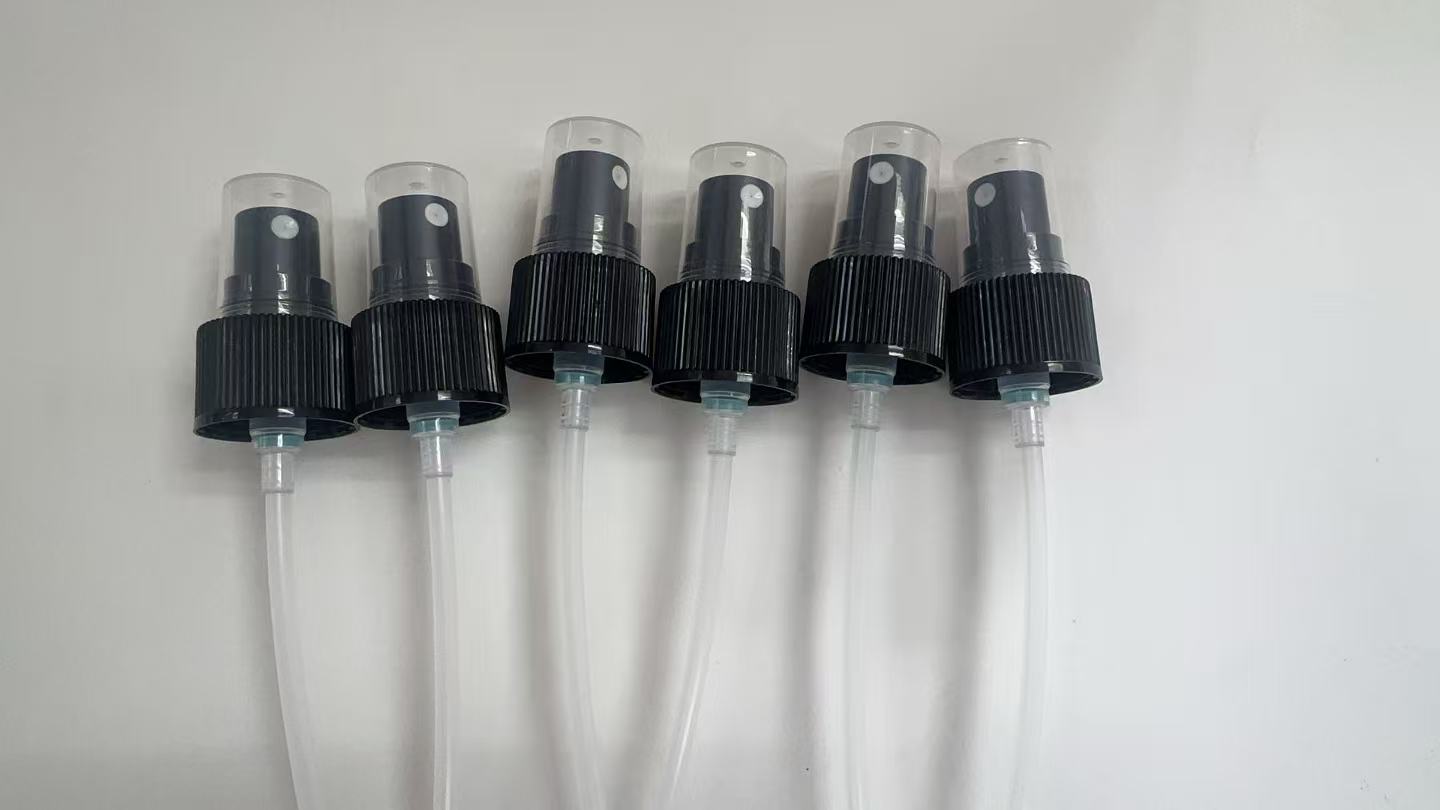
Ask the supplier to identify which parts receive the new colour and whether any material specification or processing arrangement changes. A colour swatch answers an appearance question; it does not identify the complete sprayer assembly proposed for production.
Keep the current approved configuration as a reference. If the supplier describes the new part as equivalent, request the basis and preserve any limitations. Do not infer that a different colour automatically changes compatibility, or that it can never affect the review.
Compare the finished cosmetic configuration
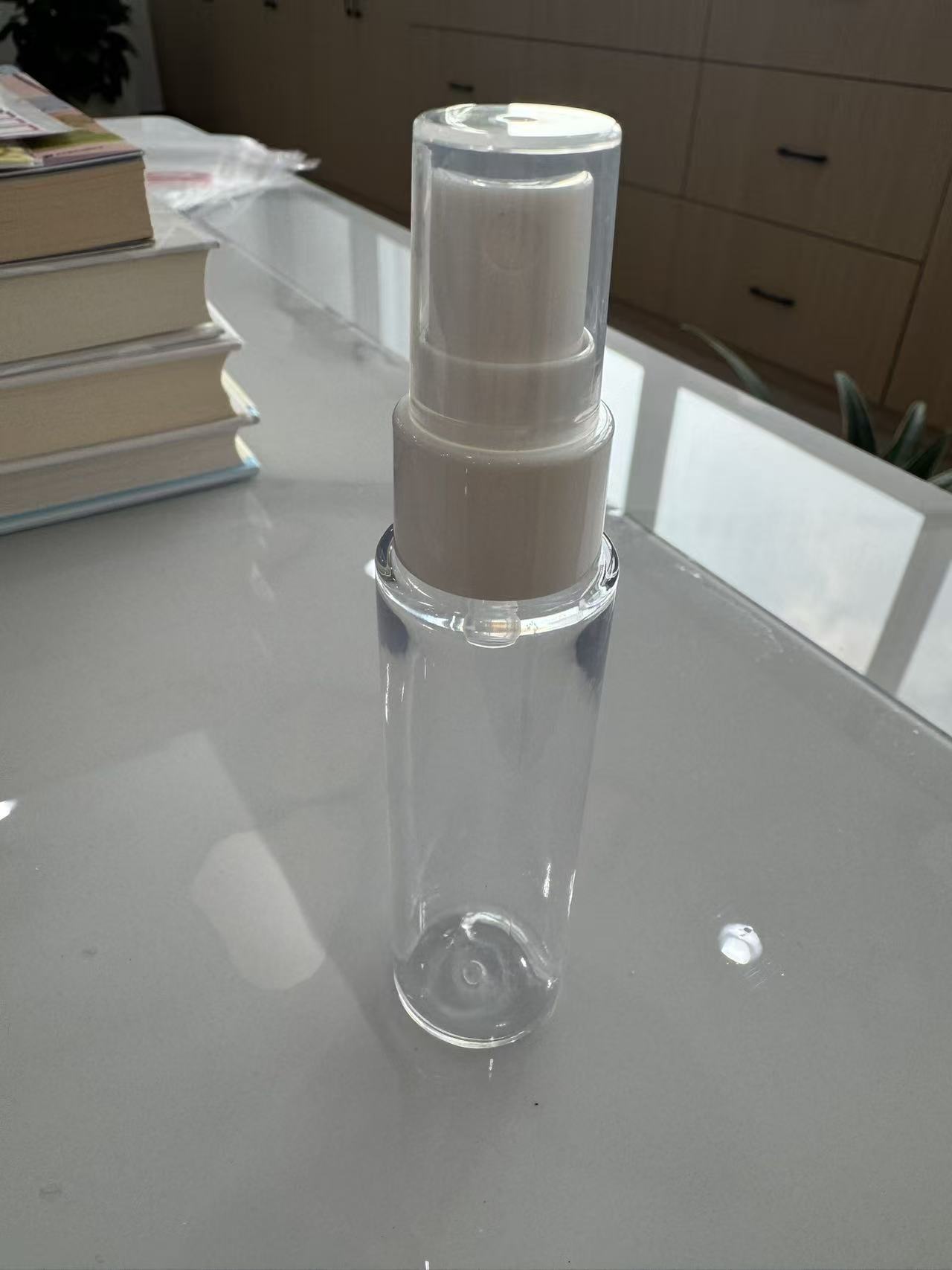
Use assembled samples with the actual formula, bottle and cap. Evaluate the intended dispensing task and inspect how residue, marks and decoration appear on the new surface. A shade that hides a useful control marking may change operation even when the mechanism is unchanged.
If only appearance differs and the technical owners confirm the scope, record that decision. If construction or handling changes, request the relevant comparison rather than treating the colour approval as a general technical signoff.
- Identify all recoloured components.
- Preserve material and configuration references.
- Compare markings under intended handling.
- Inspect actual product residue on the finished surface.
Keep ordering references unambiguous
Aptar lists aesthetic and component options separately. Ask the supplier to confirm the scope of the colour proposal and preserve that description with the appearance sample. The final review should concern the supplied finished assembly, including control visibility and residue handling.
Use an orderable reference for the accepted colour and assembly. Ensure purchasing can distinguish an appearance-only sample from the final technical configuration. If later colour matching requires another component or material change, review that proposal explicitly. The final decision should link the selected shade to the exact package evaluated rather than relying on a photograph of a loose part.
A new colour may change how easily users see an opening, lock indication or directional feature. Observe this on the finished assembly under intended handling. If a marking becomes difficult to identify, review the appearance choice and control communication together rather than treating it as a separate artwork concern.
Sources & further reading
Use the references below alongside the selected component drawing and agreed sample plan. Product-specific claims need product-specific evidence.
PRODUCT REFERENCES
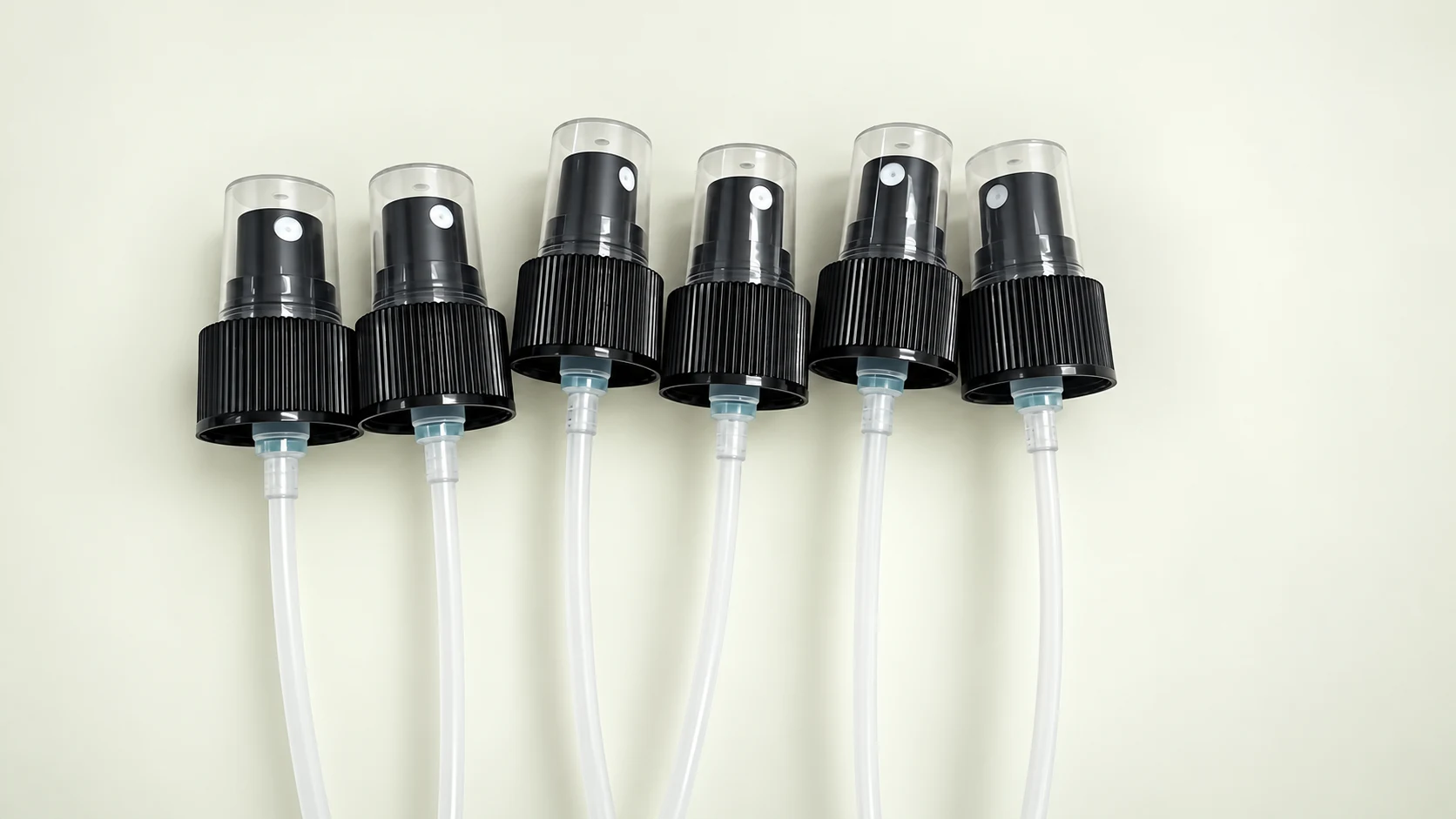
Components to discuss with your supplier.
These references share the component type discussed here. Confirm the selected assembly and application with samples.
Related articles
VIEW THE COMPONENTS