THE DECISION IN BRIEF
Can a lotion pump for thick cream also dispense our exfoliating particles?
Do not equate thick-liquid suitability with particle handling. Share the actual formulation and particle information, then evaluate selected samples for delivery, blockage and changes through use.
Describe the suspended material
Provide the formulator's description of particle size distribution, shape, concentration and stability where available. Record whether the bulk is homogeneous at filling and whether material settles during storage. “Contains natural grains” is not enough information for an engine recommendation.
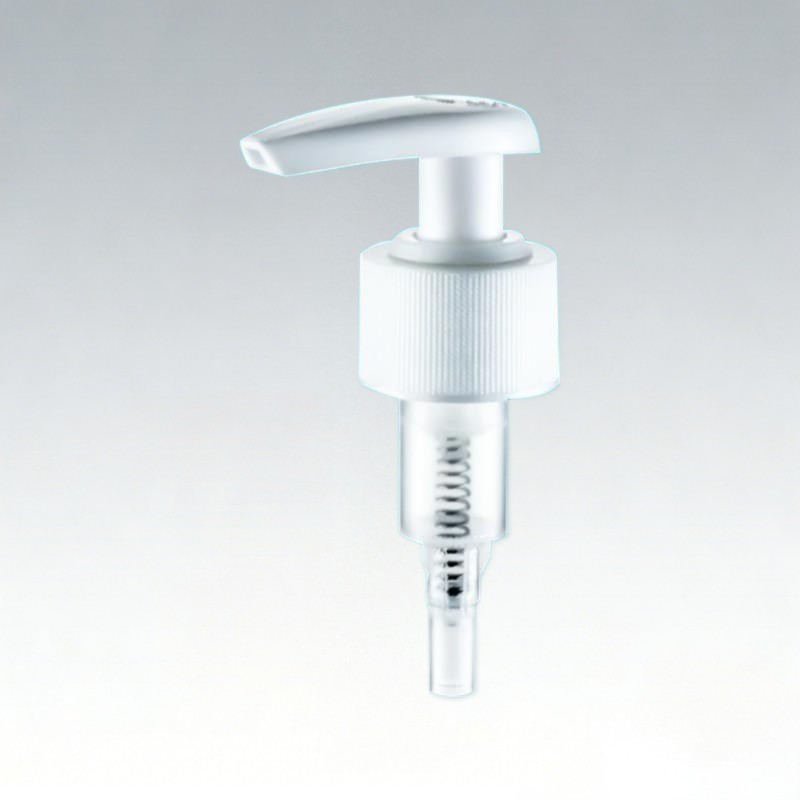
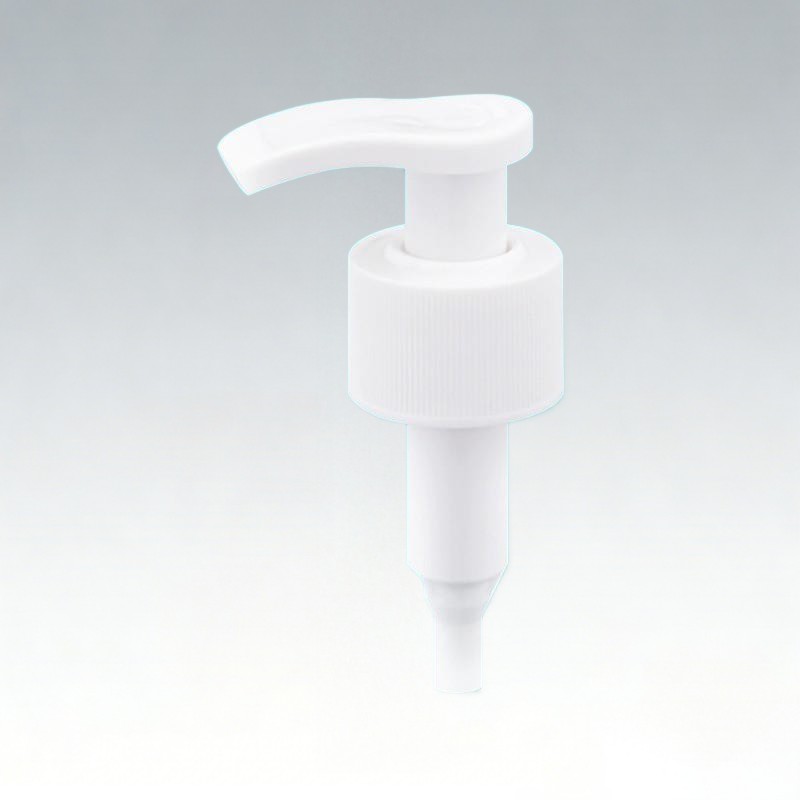
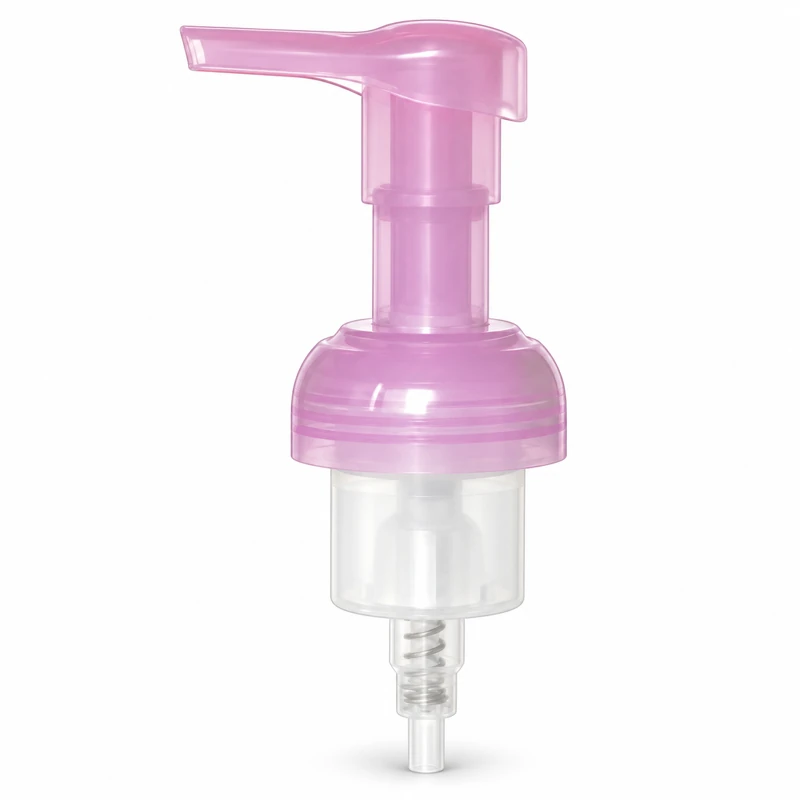
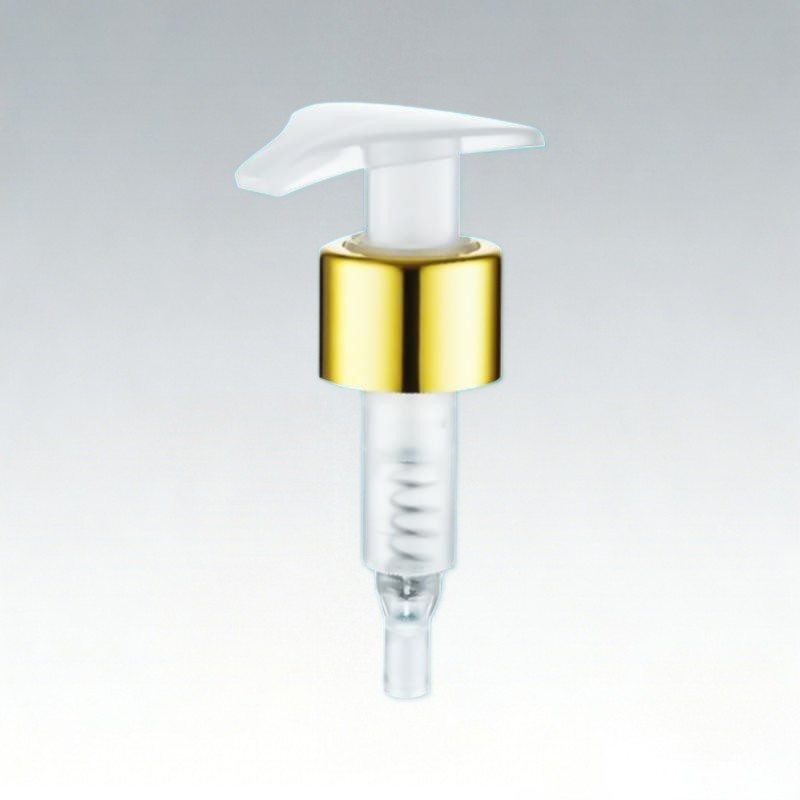
O.Berk's anatomy resource identifies several internal components along the formula path. These interfaces explain why the task extends beyond choosing a large external nozzle. A wider spout does not establish clearance through the complete assembly.
Questions before requesting samples
Keep ingredient information within the agreed confidential process, but give the supplier a representative production sample.
- Does the supplier recommend the selected engine for this specific bulk?
- What information is needed about particles and settling?
- Does the package require mixing before use, and is that instruction acceptable?
- Can the intended formula pass through the whole path without unacceptable change?
- How will blockage and remaining product be evaluated after storage?
Distinguish blockage from inconsistent bulk pickup
Evaluate initial delivery, repeated use and restart after the relevant storage conditions. Observe whether portions vary in their visible particle content even while liquid output seems steady. A pump delivering mostly carrier liquid may not be delivering the product the brand intends.
If the first portions differ from later ones, investigate settling and pickup with the formulation team before blaming the pump. Conversely, a stable bulk that repeatedly stops in one configuration provides a reason to assess another engine or packaging format.
Do not clear a blocked sample and report only the successful result afterwards. Retain it with its use history so the supplier can investigate the obstruction. Record any intervention separately from ordinary operation.
Approval should cover the intended manufacturing and consumer handling routine. If no practical selected configuration gives acceptable results, consider whether a different dispenser format is preferable to repeated component changes. The commercial decision includes product consistency and user effort, not merely whether some material can eventually be forced through the outlet.
Sources & further reading
Use the references below alongside the selected component drawing and agreed sample plan. Product-specific claims need product-specific evidence.
PRODUCT REFERENCES
Components to discuss with your supplier.
These references share the component type discussed here. Confirm the selected assembly and application with samples.
Related articles
VIEW THE COMPONENTS