THE DECISION IN BRIEF
Our cap, actuator and collar use the same colour code but do not look alike. Which reference should control?
Approve the finished component set under agreed viewing conditions, with an identified physical reference and process details. A shared colour code does not guarantee identical appearance across materials and finishes.
Decide what must look consistent
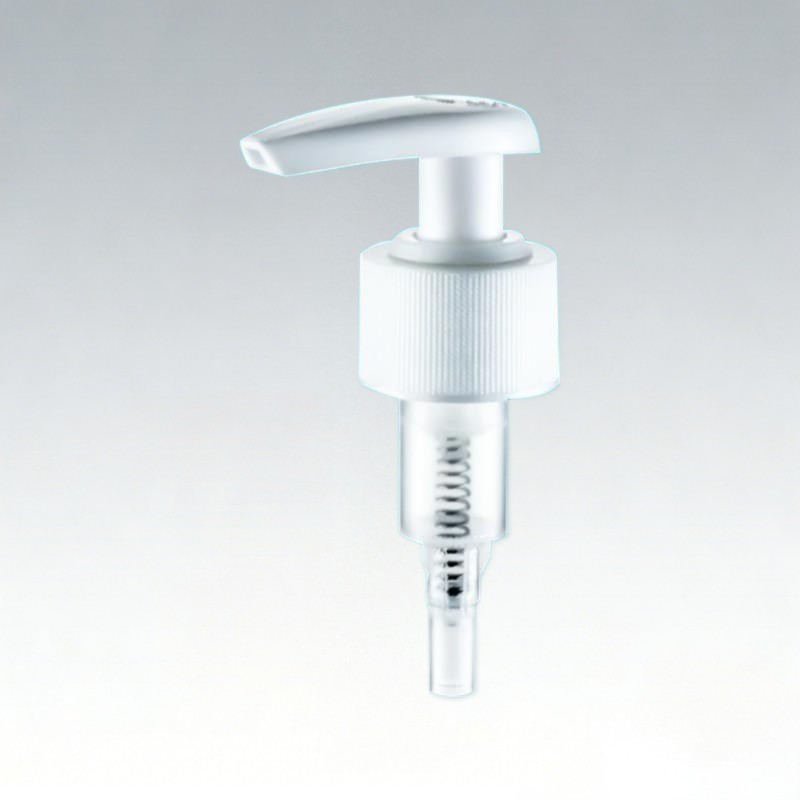
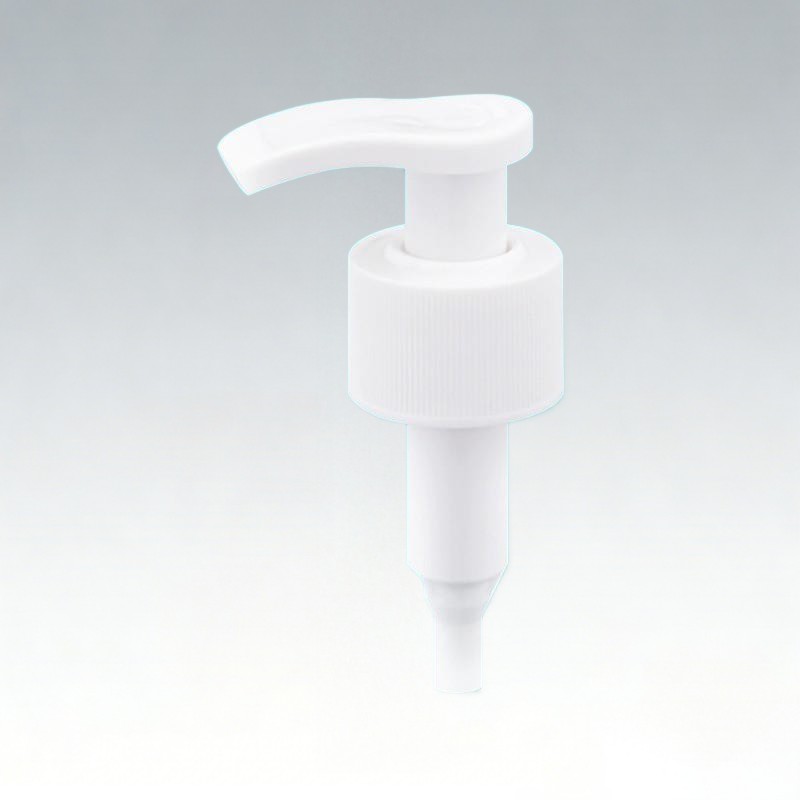
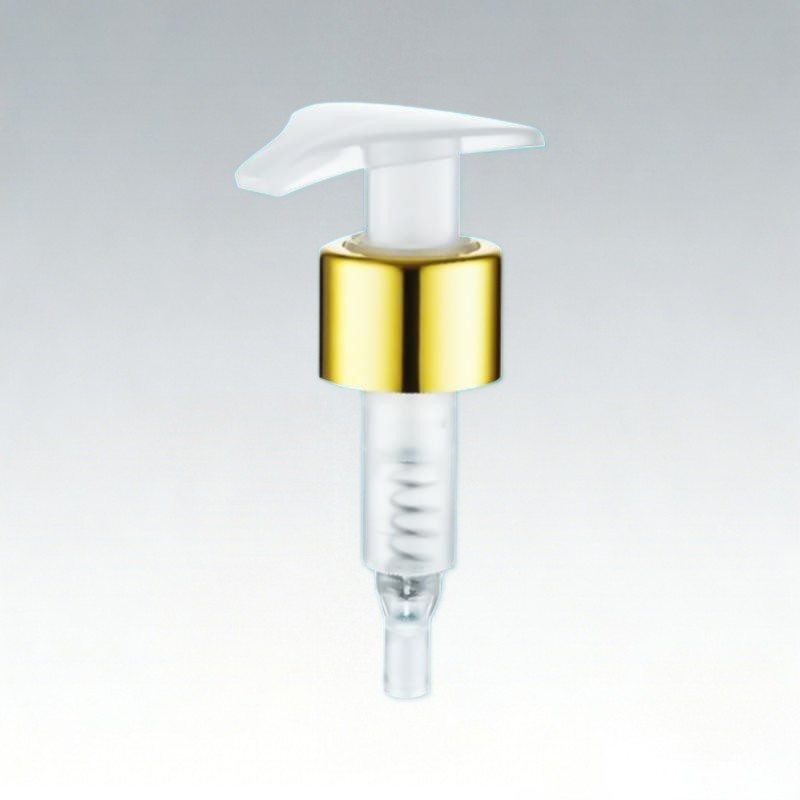
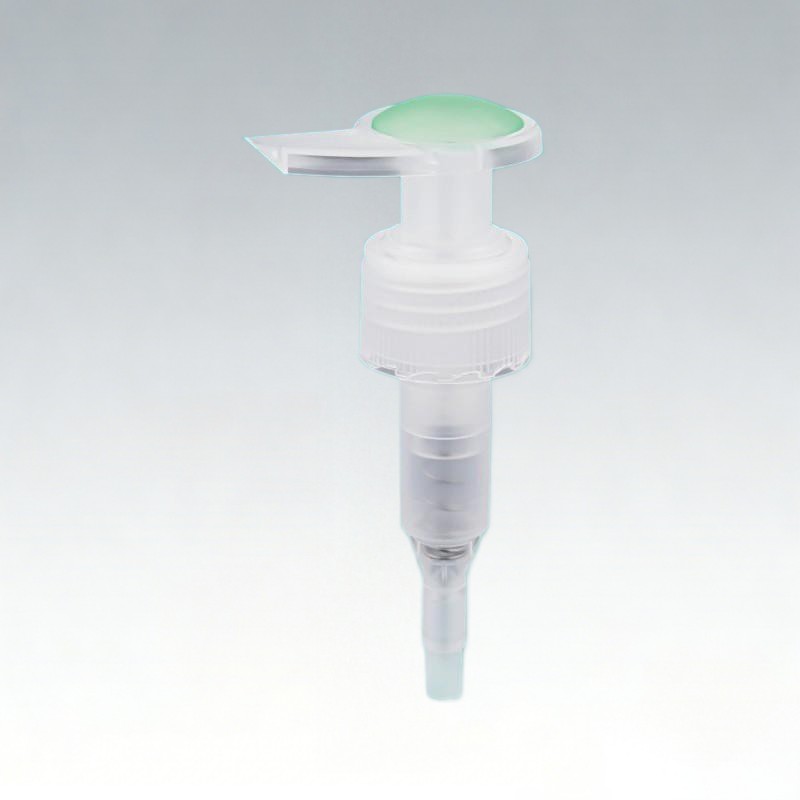
A glossy actuator, textured collar and translucent tube may interpret the same colour target differently. Specify whether the goal is an intentional tonal relationship or a close visual match between selected exterior parts. Do not make suppliers guess which difference matters most.
Aptar's PAV Treatment page lists multiple actuator, cap and collar options, including metal finishes. Such choices make the finished set the useful approval unit rather than the colour name alone.
Create a practical colour release
Use the actual proposed material and process for the components that customers see. Digital artwork is useful for direction but cannot settle surface appearance.
- Identify the physical colour reference and its condition.
- Record each part's material, texture and decoration process.
- Review the assembled set under agreed lighting and viewing conditions.
- Compare representative production-intent samples, not only one special sample.
- Retain the approved set and define later colour-change responsibility.
Keep function in the decoration review
Check actuator movement, cap fit and any contacting surfaces after the proposed finish is applied. A coating or process substitution should not bypass functional review simply because the colour becomes more attractive.
If production colour varies, ask for samples showing the observed range and trace them to the relevant part and lot. Decide whether variation is acceptable in the assembled pack rather than accepting isolated loose parts that are never seen together at retail.
Consider the bottle, label and formula colour when reviewing the set. A clear pack may look different filled, while an undecorated bottle can disguise an unwanted contrast with the final label. Use the intended presentation for the final decision.
Record a hierarchy of references so a later buyer knows what controls when the colour code, photograph and physical sample differ. Update the retained reference when a deliberate change is approved; otherwise an old sample can become an accidental competing standard.
Sources & further reading
Use the references below alongside the selected component drawing and agreed sample plan. Product-specific claims need product-specific evidence.
PRODUCT REFERENCES
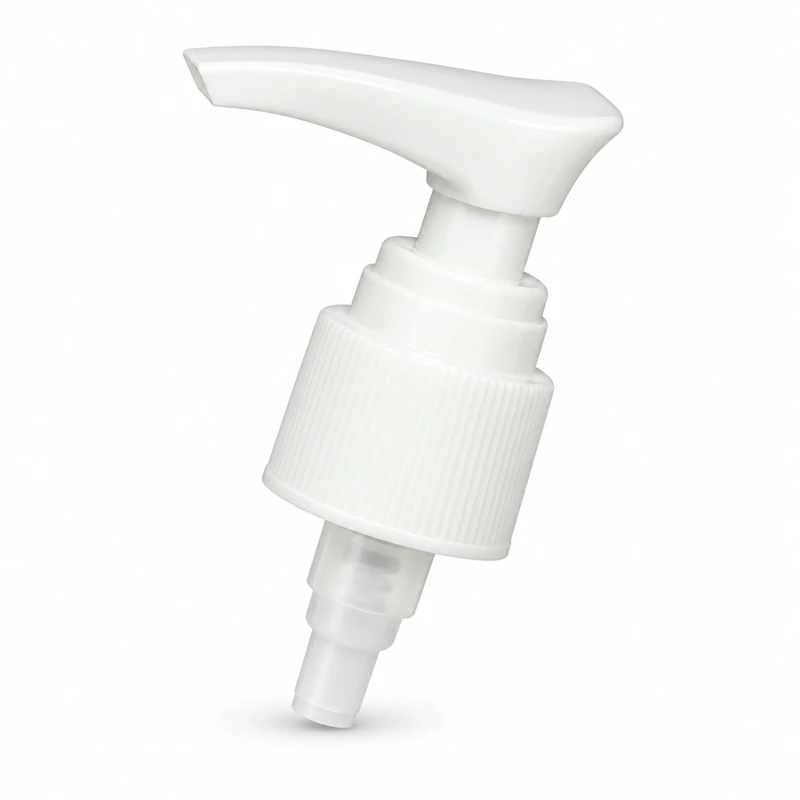
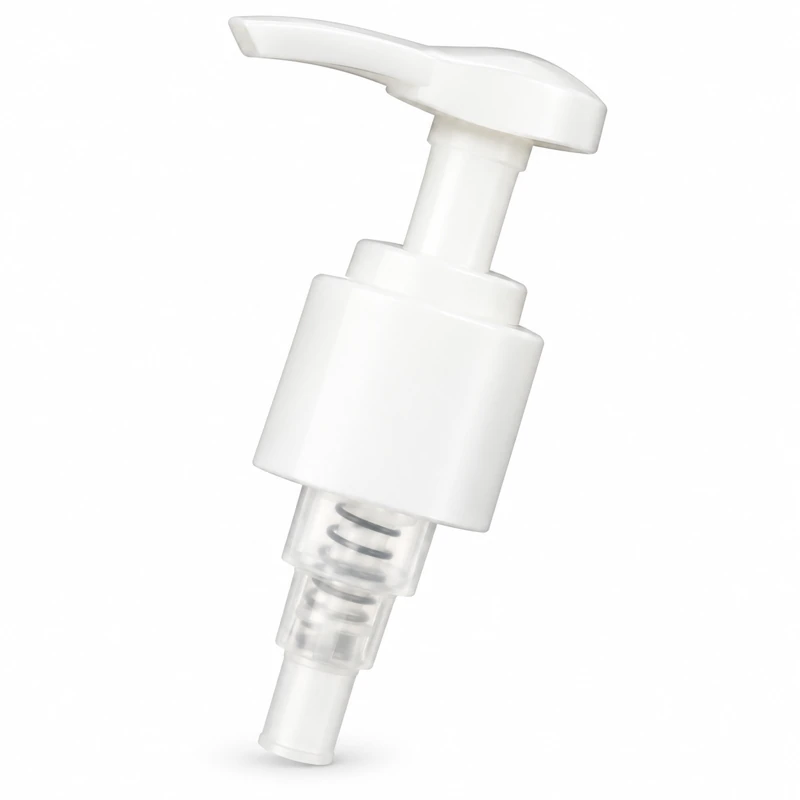
Components to discuss with your supplier.
These references share the component type discussed here. Confirm the selected assembly and application with samples.

Related articles
VIEW THE COMPONENTS