THE DECISION IN BRIEF
A chip appears around the neck after closing. Should we use a softer stem?
Suspend use of the affected pack and investigate with the bottle, closure and filling teams. Do not treat a material substitution as proof that the source of glass damage is understood.
Preserve the sequence
Record whether damage was visible before insertion, immediately afterwards or during opening. Retain the affected bottle and stopper through the agreed safe handling process. Photograph the neck and insertion setup without continuing to operate a damaged bottle.
Identify the bottle lot, closure revision, tooling and the conditions of the trial. If the trial involved manually pushing off-centre, record that detail rather than presenting it as a line result.
Review alignment as well as fit
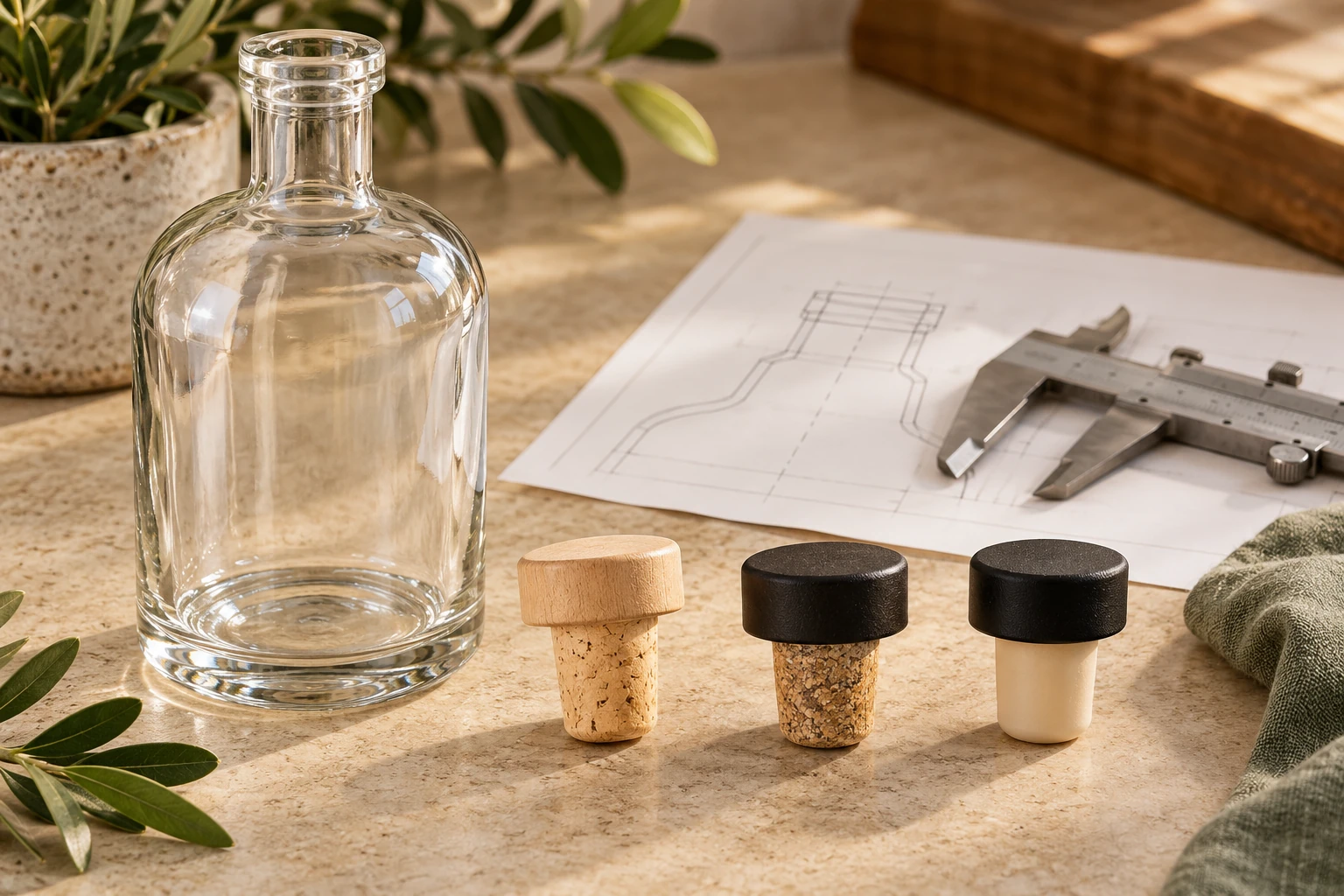
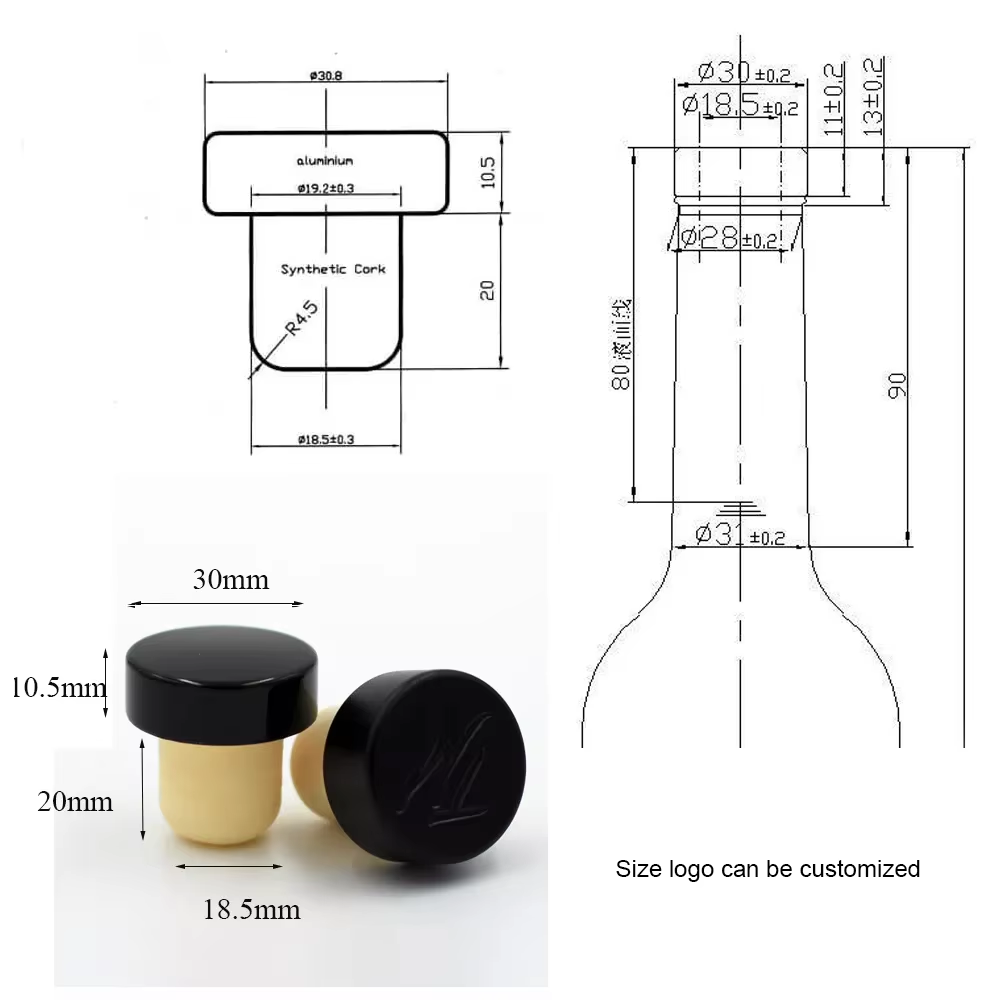
Ask the teams to examine bore geometry, stem proposal, insertion alignment and equipment contact. A top or tool striking the glass can create a different problem from an unsuitable stem fit. Do not infer the mechanism only from the final chip position.
Compare unfilled reference bottles through an agreed inspection route and have competent personnel decide whether further trials are appropriate. Avoid deliberately repeating a suspected damaging operation to obtain a better photograph.
Require a defined corrective trial
If a revised stem, tool or bottle is proposed, document the change and the investigation basis. Re-evaluate opening and sealing after the correction; easier insertion alone is not the whole package approval.
The corrective record should identify the affected lots, the change made and the evidence used to release the next trial. Include bottle and tooling references as well as stopper details, so a later change does not silently reintroduce the original damage route.
Sources & further reading
Use the references below alongside the selected component drawing and agreed sample plan. Product-specific claims need product-specific evidence.
PRODUCT REFERENCES
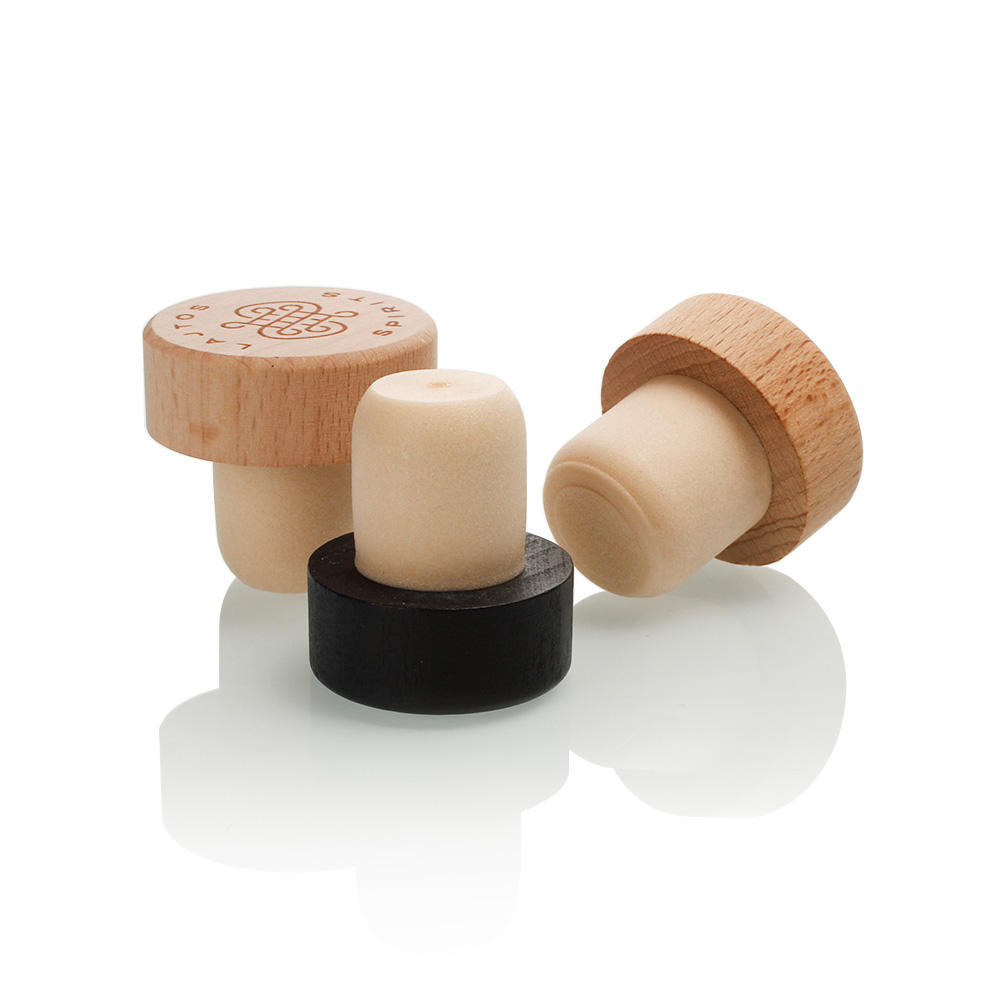
Components to discuss with your supplier.
These references share the component type discussed here. Confirm the selected assembly and application with samples.
Related articles
VIEW THE COMPONENTS