THE DECISION IN BRIEF
Can we keep the same lotion pump for several refill bottles?
Define the intended reuse routine and number of refill cycles with the product team, then evaluate selected assemblies throughout that sequence. A successful original fill does not establish repeated-use life.
Write the reuse scenario
Clarify whether users refill the same bottle, move the pump to another bottle or replace an inner container. Identify the expected opening, transfer and reassembly actions. Each scenario changes what the user handles and what the packaging needs to demonstrate. Include the period when the removed head waits outside the bottle, because the proposed refill sequence must account for that handling.
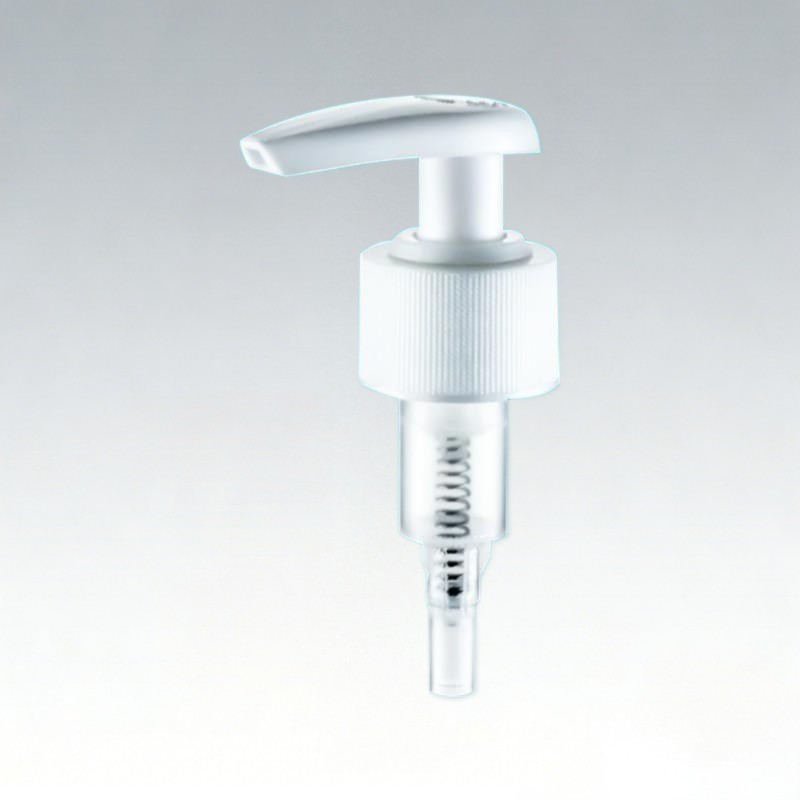
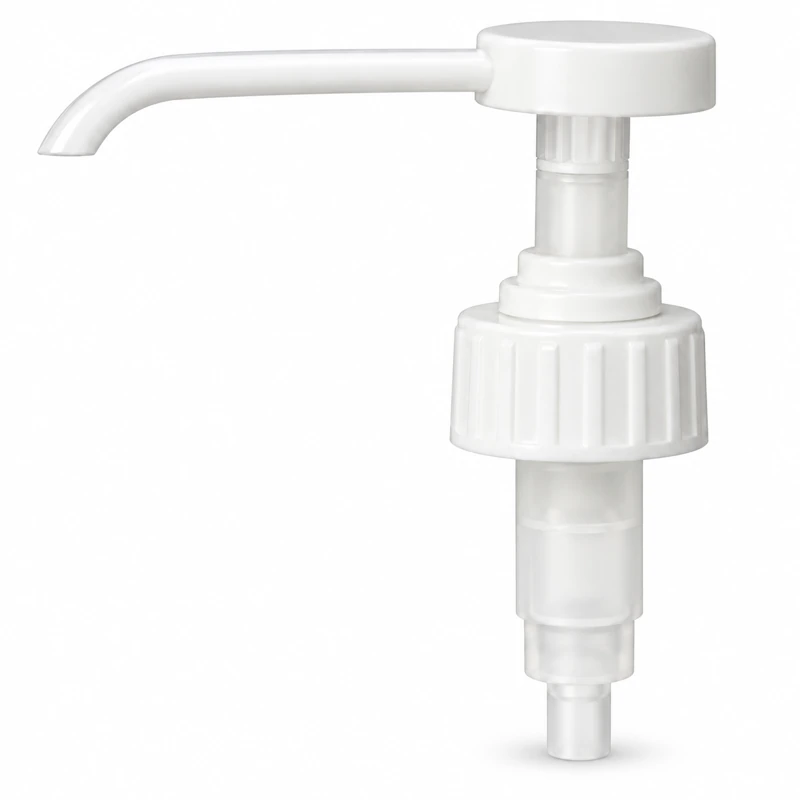
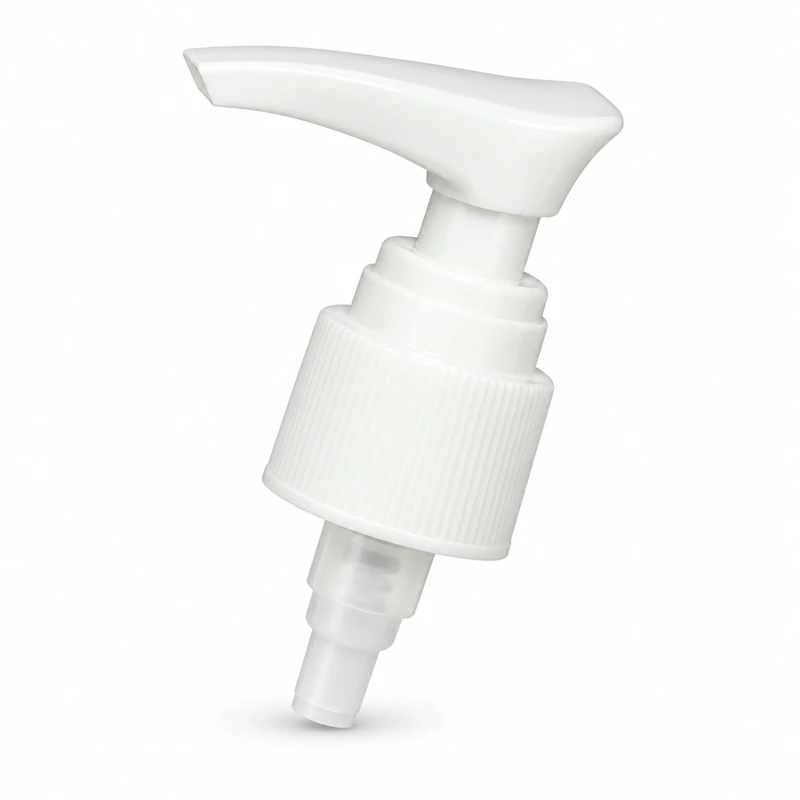
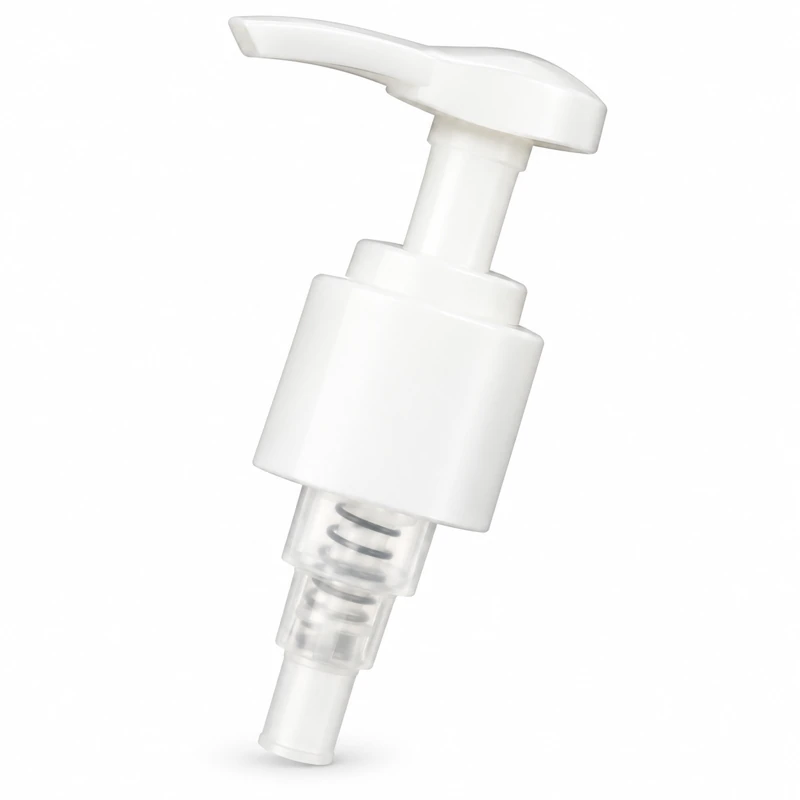
O.Berk's anatomy resource identifies multiple pump components and interfaces. Reusing the complete head therefore involves more than checking that the visible actuator still moves.
Build a reuse approval brief
Agree project-specific conditions with packaging, formulation and quality teams. Do not invent a universal pump lifespan or sanitation method.
- Identify the exact reusable assembly and replacement components.
- Define the intended opening, handling and reclosure routine.
- Set the planned reuse sequence and evidence required.
- Review cleaning or storage instructions with qualified teams.
- Assess dispensing, sealing, appearance and user comprehension through the sequence.
Measure the experience through reuse
Use production-representative formula and refill packaging. Check whether the dip tube is easy to insert without touching unintended surfaces, whether the closure seats correctly and whether users understand the assembled state. Evaluate first delivery after each refill separately from later strokes.
Observe whether users keep or lose removable protective parts. A refill proposition may change how caps and clips are used, so assumptions from the first retail pack need review.
If a seal, tube or other part is intended to be replaced, specify it clearly and include supply and identification in the commercial plan. Avoid asking consumers to identify internal parts that were never designed as user-serviceable items.
Retain the accepted reuse evidence with the component reference and instructions. Require supplier review of changes affecting the reused assembly. The purchasing objective is a credible repeat-use system with a defined service scenario, not a broad durability promise inferred from one fresh pump sample.
Sources & further reading
Use the references below alongside the selected component drawing and agreed sample plan. Product-specific claims need product-specific evidence.
PRODUCT REFERENCES
Components to discuss with your supplier.
These references share the component type discussed here. Confirm the selected assembly and application with samples.
Related articles
VIEW THE COMPONENTS