THE DECISION IN BRIEF
Our filler cuts every lotion tube to size. How do we avoid introducing cutting defects or loose fragments?
Agree a controlled cutting process and inspection responsibility. Compare production-intent cuts for clean geometry, loose material and dispensing, rather than accepting hand-trimmed samples as the production standard.
Make trimming a specified operation
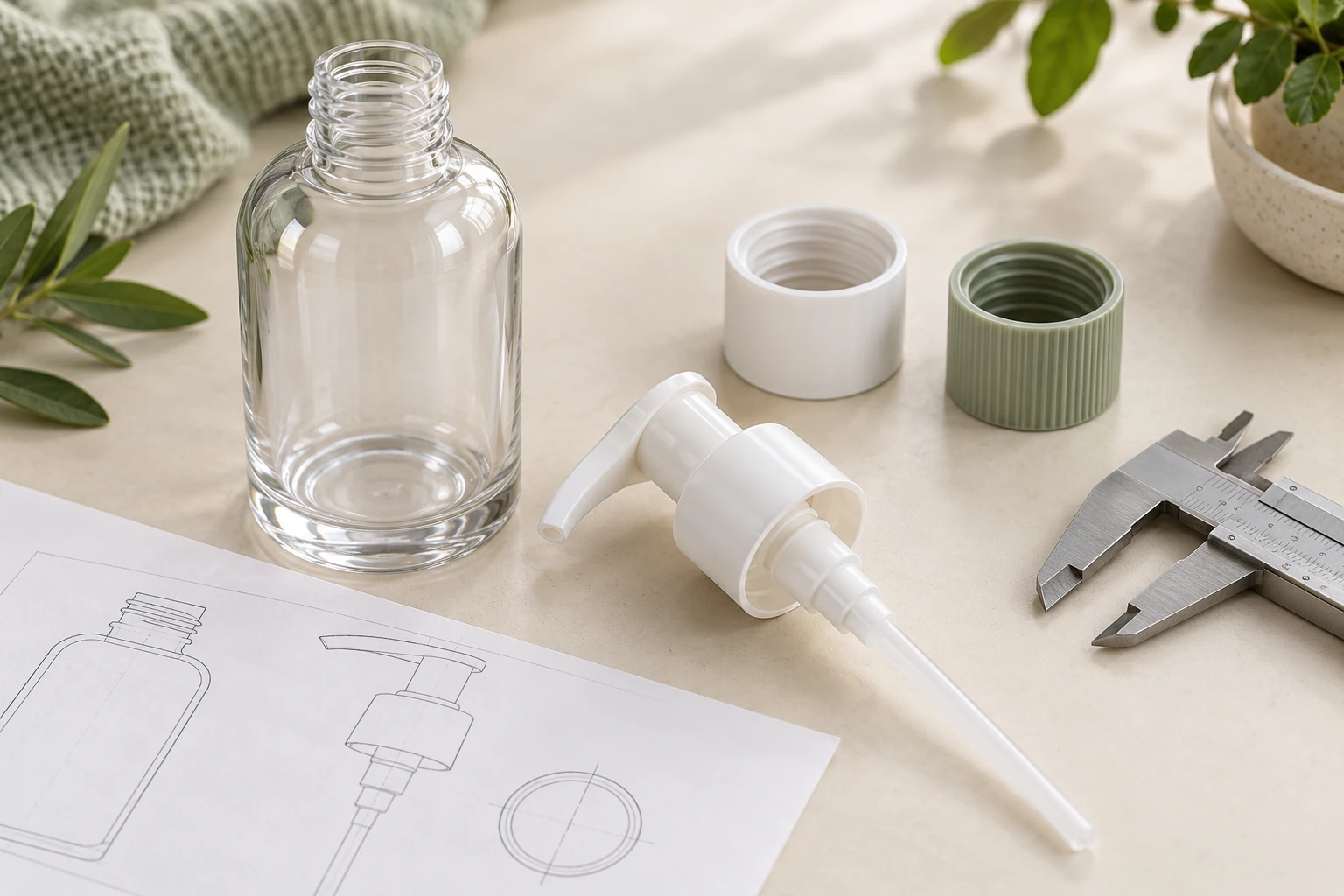
If a supplier quotes untrimmed tubes, the purchase is not yet a ready-to-fill assembly. Identify who cuts them, which drawing controls the datum and geometry, and how the finished parts are handled. Include the operation in planning instead of treating it as an incidental workshop task.
O.Berk notes that proper tube cutting contributes to product use. Its anatomy discussion supports controlling this detail, but does not prescribe a universal cutter or cleanliness acceptance limit for your process.
Review the cut and its handling
Have quality teams define appropriate inspection and cleanliness requirements for the product. The buyer's role is to make ownership and evidence explicit.
| Checkpoint | Evidence to retain |
|---|---|
| Length and cut geometry | Approved drawing and representative cut samples |
| Cut surface | Inspection for deformation and loose material |
| Handling after cutting | Defined containers and transfer process |
| Finished assembly | Pickup and output with intended bulk |
Approve equipment output rather than a perfect hand sample
Compare samples from the proposed production cutting method. Inspect the start of the run and material produced after the equipment has operated normally. A single carefully trimmed tube cannot establish consistency for the whole lot.
If cuts are crushed or irregular, ask whether the process or tube specification needs adjustment. Do not compensate by changing length until the defect and its effect are understood. Keep any rejected samples so the supplier and filler can discuss the same condition.
Confirm tube attachment after trimming and handling. The process should not leave the connection loosened or the tube displaced. Then evaluate the assembled pump in the intended bottle with final bulk, especially low-fill pickup.
Where supplier-cut assemblies are available, compare their cost with the filler operation, inspection and potential rework. Select the route that gives a reproducible finished component. Record a change in trimming responsibility as a process change requiring handover, not merely a revised commercial line item.
Sources & further reading
Use the references below alongside the selected component drawing and agreed sample plan. Product-specific claims need product-specific evidence.
PRODUCT REFERENCES
Components to discuss with your supplier.
These references share the component type discussed here. Confirm the selected assembly and application with samples.
Related articles
VIEW THE COMPONENTS