THE DECISION IN BRIEF
Our controlled sprays pass, but users report occasional weak bursts. What should we approve?
Keep full-stroke performance as a controlled reference, then assess realistic incomplete presses to decide whether the actuator, instructions, or configuration needs revision.
Define the interaction that fails
Ask observers to demonstrate the action rather than describing it as a bad spray. Some users release the actuator early, press off-center, or stop when resistance changes. Record the bottle grip and finger position alongside the spray. Do not combine these actions into one vague user-test result.
Compare identical formula and fill conditions. A pack that is nearly empty introduces a second variable and can make partial-stroke behavior appear worse for an unrelated reason. Use a representative starting fill for the controlled comparison, then evaluate later-life conditions separately.
Build a two-part evaluation
Silgan publishes pre-compression and actuation options within its spray range. Those are configuration-specific features; ask the proposed supplier how its selected pump behaves under the intended pressing action.
- Establish normal behavior with repeatable full strokes.
- Observe users without coaching them through every press.
- Identify incomplete travel, off-center loading, or early release.
- Repeat the observed action with an identified sample set.
Decide whether the issue is avoidable by design
If users repeatedly stop at the same point, inspect the force progression and finger-pad geometry. A larger pad, a different travel feel, or another proposed engine may be worth evaluating. Treat each as a distinct revision and verify the bottle appearance and cap relationship after any head change.
If the issue occurs only when the bottle is held awkwardly, assess pack diameter, label orientation, and nozzle visibility. A user may be pressing cautiously because they cannot see the outlet. Improving direction cues could be more useful than changing a nominal spray specification. Keep the practical observation connected to its actual cause.
Approve both reference and realistic behavior
Record the full-stroke method so incoming comparisons remain repeatable. Separately document the acceptable user experience and any supported instruction. Do not promise identical delivery from every arbitrary fraction of a stroke unless the exact assembly has supporting evidence.
When comparing candidates, avoid rewarding an impressive first spray produced by an expert demonstrator. Have the same users handle both identified packs under comparable conditions. Choose the configuration whose behavior meets the product brief without repeated corrective coaching, and preserve the final actuator and engine identities in the purchase specification.
Sources & further reading
Use the references below alongside the selected component drawing and agreed sample plan. Product-specific claims need product-specific evidence.
PRODUCT REFERENCES
Components to discuss with your supplier.
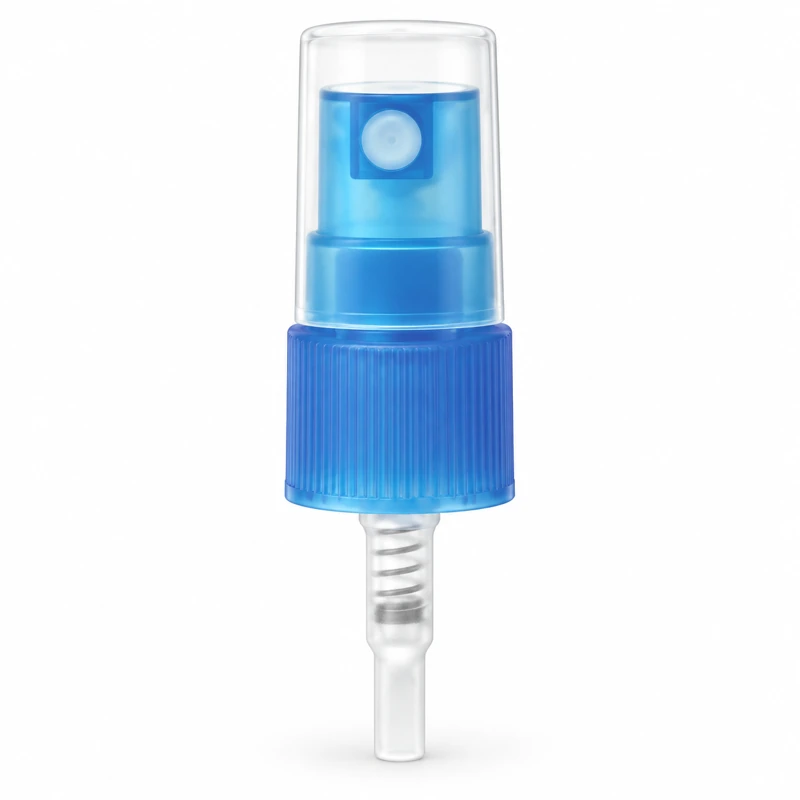
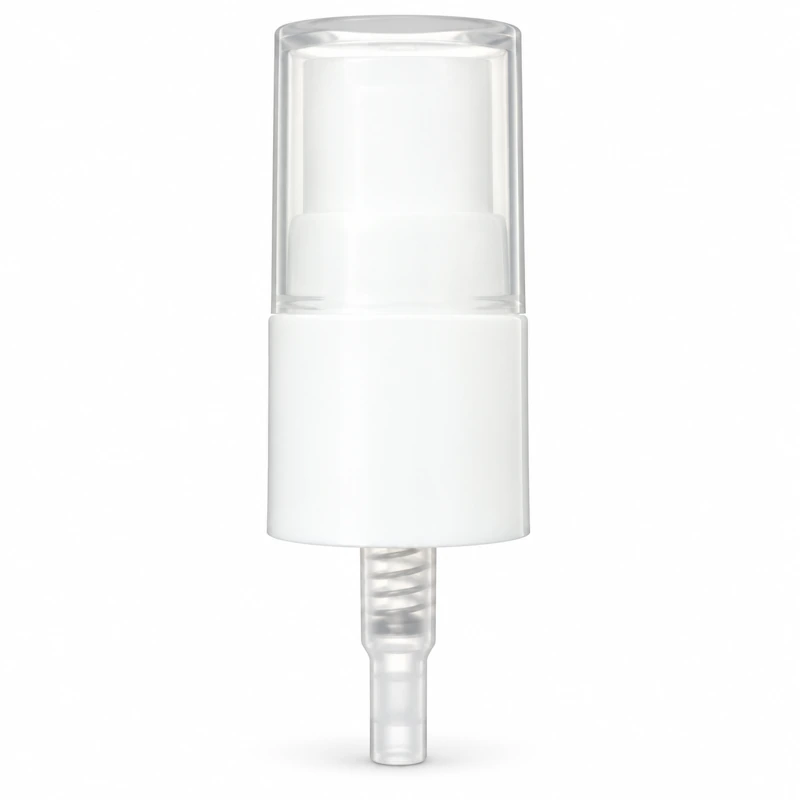
These references share the component type discussed here. Confirm the selected assembly and application with samples.
Related articles
VIEW THE COMPONENTS