THE DECISION IN BRIEF
Should our new body mist use a screw pump or a crimp pump?
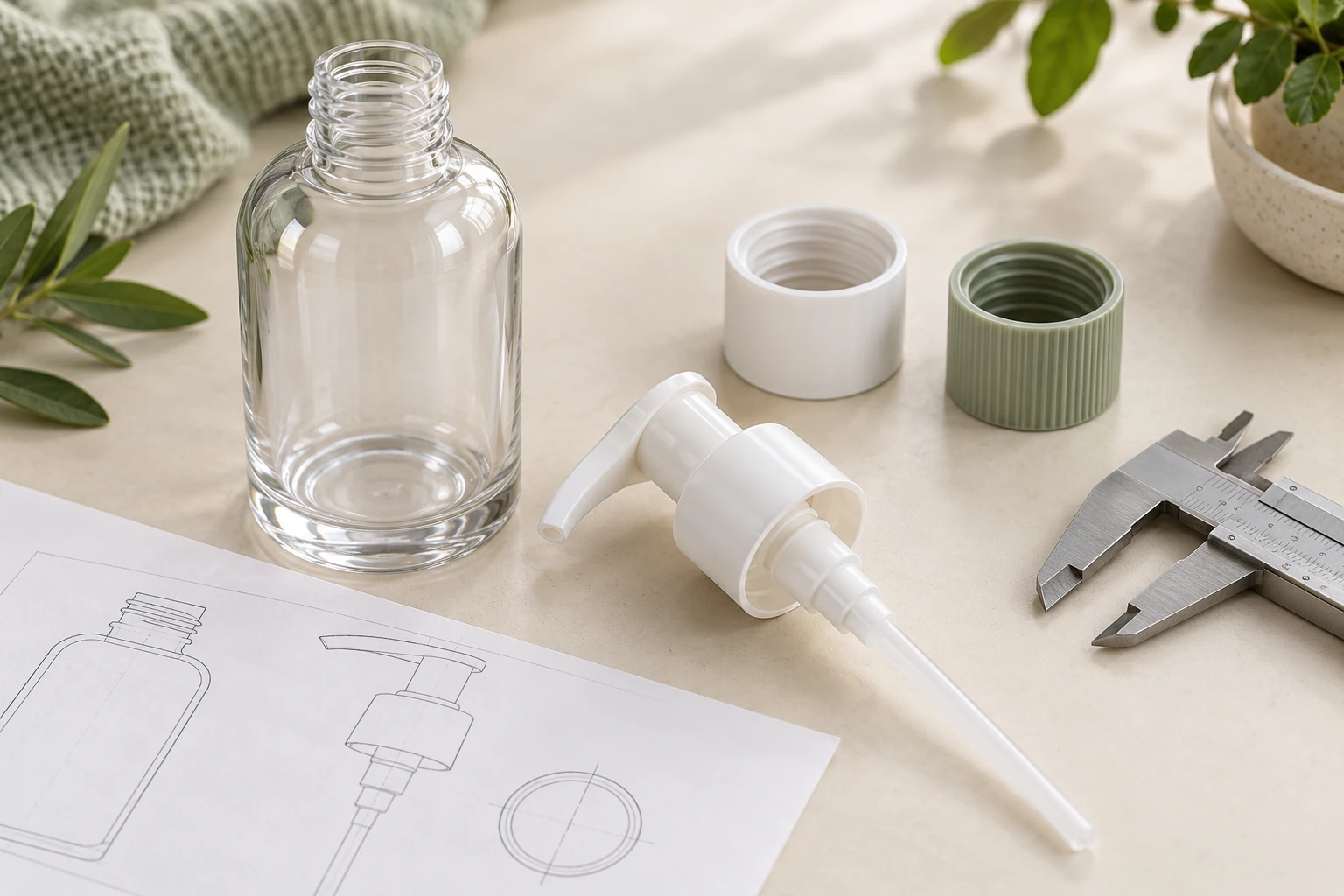
Choose the attachment around the approved bottle finish, filling capability and refill plan. Obtain matched drawings and filled samples; neither the diameter nor the desired appearance alone determines the right fixation.
Fixation starts with the bottle
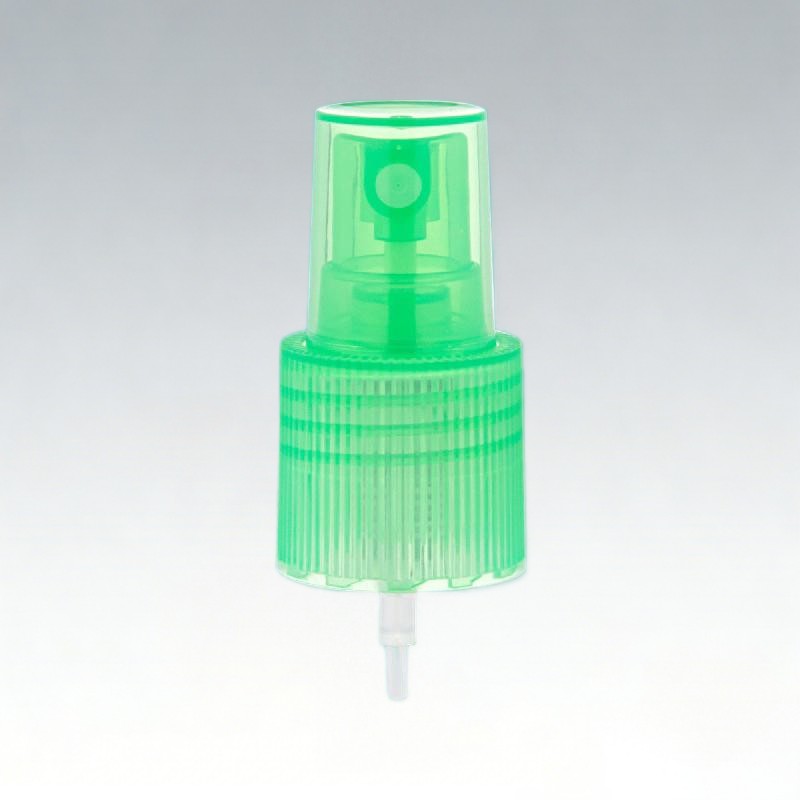
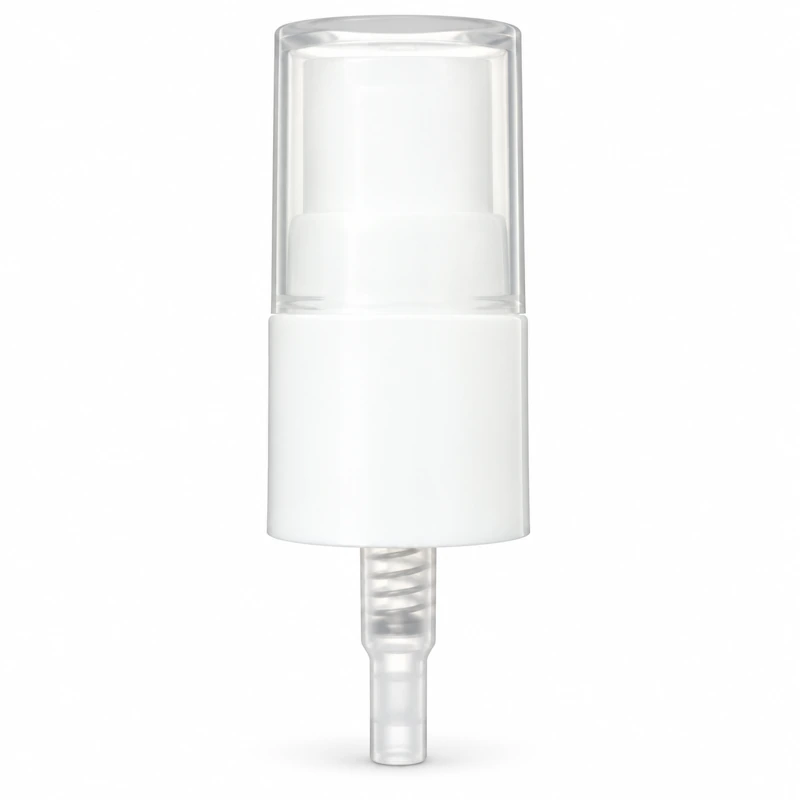
A screw pump and a crimp pump retain the dispensing assembly in different ways. They require the appropriate bottle finish and assembly process. A shared nominal diameter does not establish interchangeability between these attachment types, and a decorative collar can hide the interface in a product photograph.
Aptar's Essencia page lists crimp and snap-on finishes and describes a separate screw version for refillability. Its LF range also offers crimp and screw options. These examples show that attachment is a configuration choice within a product family, not a property to infer from the general term “fine mist pump.”
Compare the business model and filling route
For a planned refill product, removable screw fixation can support access to the bottle. Confirm the opening and reclosure experience with filled samples, including any collar that must move with the pump. Refillable positioning still requires a suitable cleaning, refill and compatibility strategy for the product; a removable head alone does not settle those decisions.
A crimp route requires the correct bottle finish, pump and crimping setup. Ask the filler to confirm available equipment, tooling and inspection capability before locking the bottle design. A compact luxury appearance is valuable only if the line can assemble the selected combination consistently.
Screw assembly also needs process control. Agree closure application instructions with the suppliers and filler, then inspect sealing and removal behaviour. Calling it “hand-tight” leaves operators to make inconsistent judgements. The correct setting depends on the actual components and should come from the approved assembly work.
| Project question | Screw route | Crimp route |
|---|---|---|
| Will users remove the pump? | Can support intended removal when designed for it | Assess against a non-routine-removal use plan |
| What must the filler confirm? | Closure application and handling | Crimp tooling, setup and inspection |
| What bottle information matters? | Complete screw finish drawing | Complete crimp finish drawing |
| What samples are needed? | Filled, applied and reopened if relevant | Filled and assembled with intended tooling |
| What controls appearance? | Pump, collar and assembled height | Pump, collar and crimped assembly |
Quote the complete attachment cost
Request the pump, collar, actuator, cap and any assembly accessories together. Compare filling labour, setup, tooling, scrap risk and inspection effort as well as unit component price. If one option changes bottle sourcing or carton height, include those costs before making the commercial decision.
Ask for the expected assembled appearance, including collar position and any visible gap, in a drawing or agreed sample. Do not force a collar downward to improve appearance without supplier review; the resulting contact may disturb the intended assembly or actuator clearance.
Keep development samples separate from production approvals. An uncrimped display sample cannot demonstrate crimp retention or sealing. Likewise, a screw pump placed loosely on a bottle can show colour and silhouette but provides no evidence about closure application.
Release a matched system
Have the bottle supplier, pump supplier and filler identify the same attachment designation and drawing revisions. Review filling access, dip tube position, cap removal, spray performance and leakage after the relevant handling evaluation. If the project includes refilling, include repeated intended opening and reclosure in the agreed approval work.
For an STDPAK enquiry, use the mist-spray-pump category and state whether the bottle is already committed or can change. Send the finish drawing and filling constraints before requesting decoration samples. This prevents a late choice between changing the bottle and replacing the filling process simply to preserve an attractive pump design.
Sources & further reading
Use the references below alongside the selected component drawing and agreed sample plan. Product-specific claims need product-specific evidence.
PRODUCT REFERENCES
Components to discuss with your supplier.
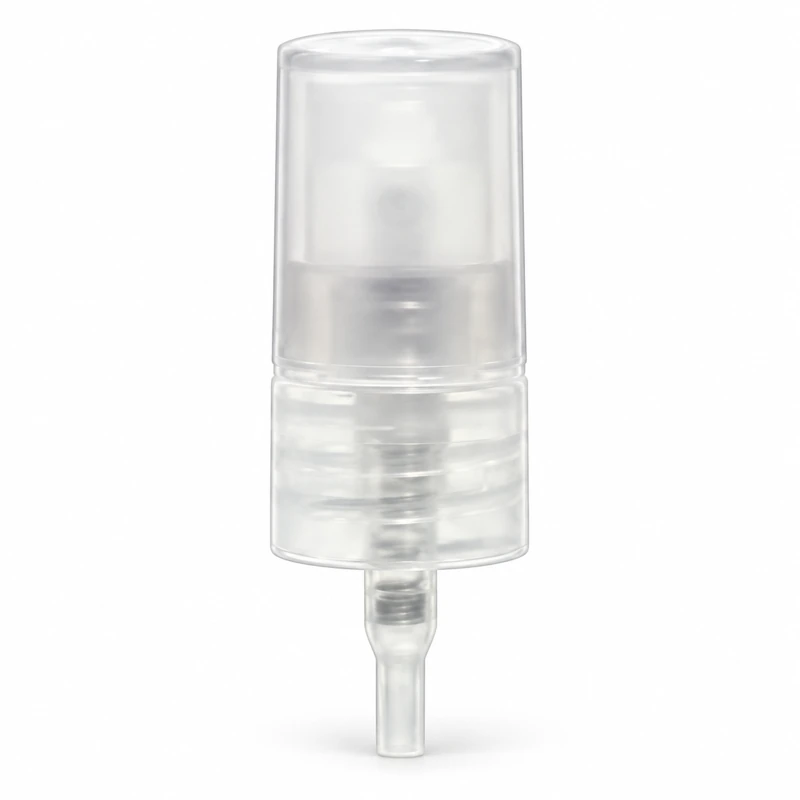
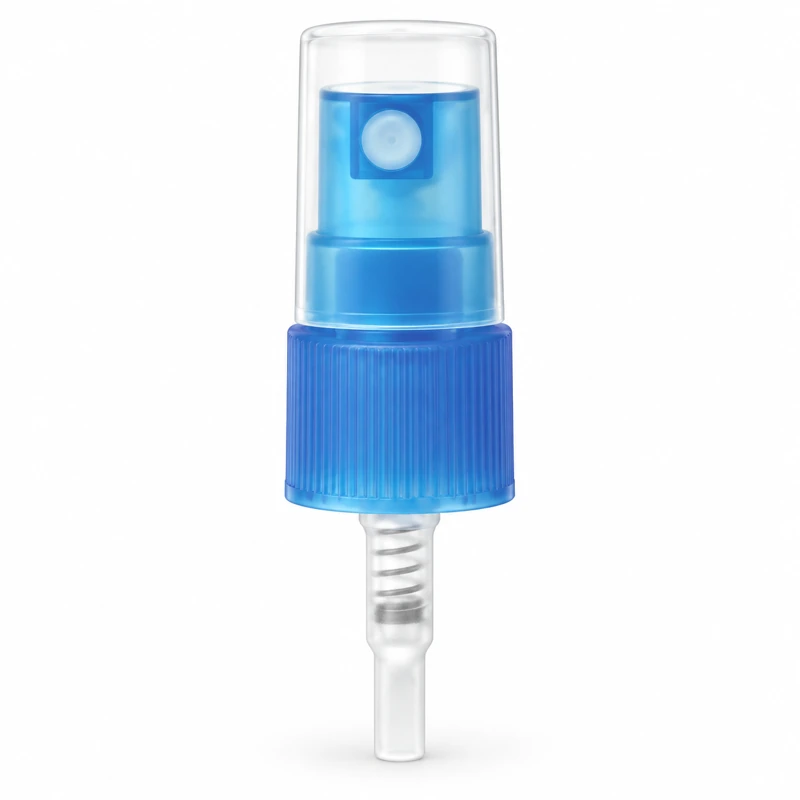
These references share the component type discussed here. Confirm the selected assembly and application with samples.
Related articles
VIEW THE COMPONENTS