THE DECISION IN BRIEF
A bag of stoppers has an unexpected odour. Should we air it out before use?
Hold the affected material and contact the supplier. Airing or cleaning can change the evidence and should not become an improvised release method for closures intended to contact a product.
Identify the affected boundary
Record bag and carton identities, receipt date, storage location and whether the odour is also present in the packaging. Compare unopened retained material from the same and another lot where available. Keep comparison samples separate rather than moving closures into a common container.
Avoid putting a strong-smelling reference beside the control. Preserve the original outer packaging and photographs of storage conditions. Report observations without assigning a chemical identity from smell alone.
Keep sensory review with the responsible team
Ask the closure and product teams to define a safe, suitable investigation. Do not taste a beverage exposed to suspect closures or use a casual sniff test as a compliance decision. The evaluation may need separate packaging, material and product-contact review.
If the supplier proposes a handling or storage correction, distinguish that advice from permission to release the affected lot. Ask which evidence supports the disposition and whether the advice applies to the actual stopper construction.
Sources & further reading
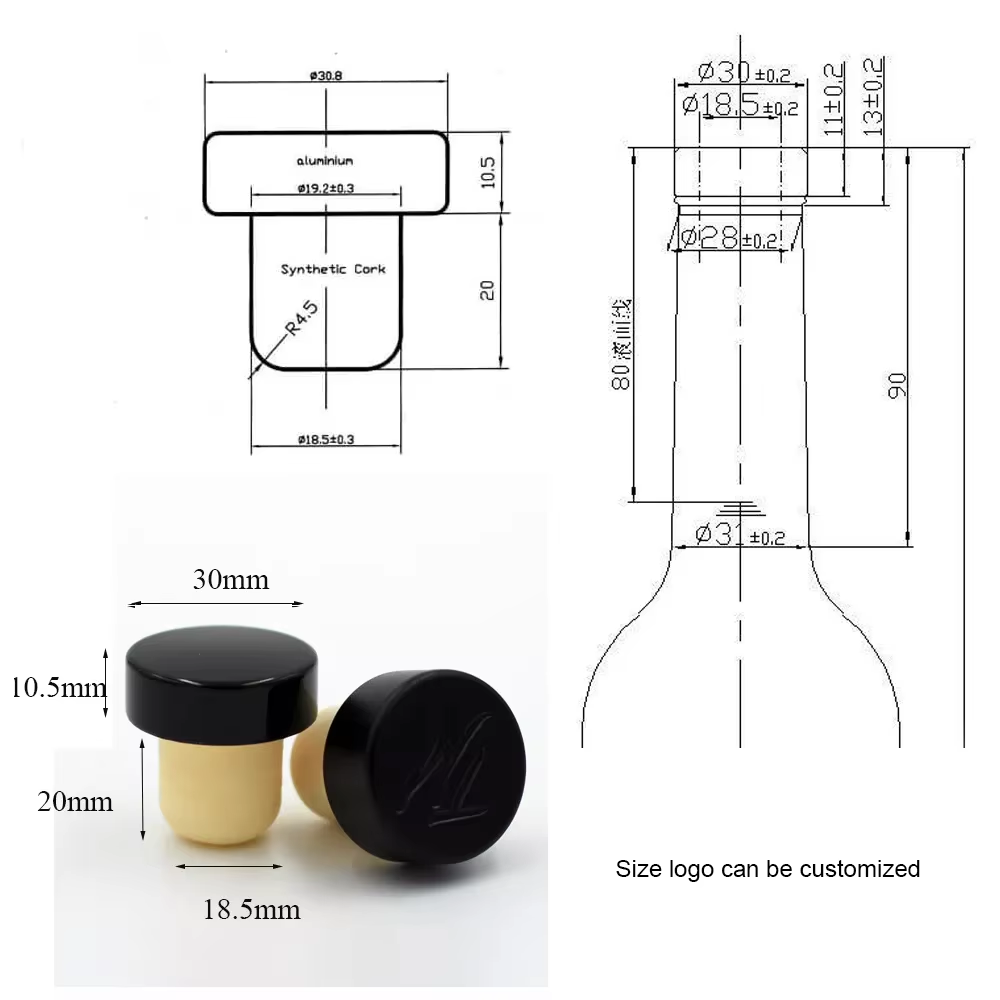
Use the references below alongside the selected component drawing and agreed sample plan. Product-specific claims need product-specific evidence.
PRODUCT REFERENCES
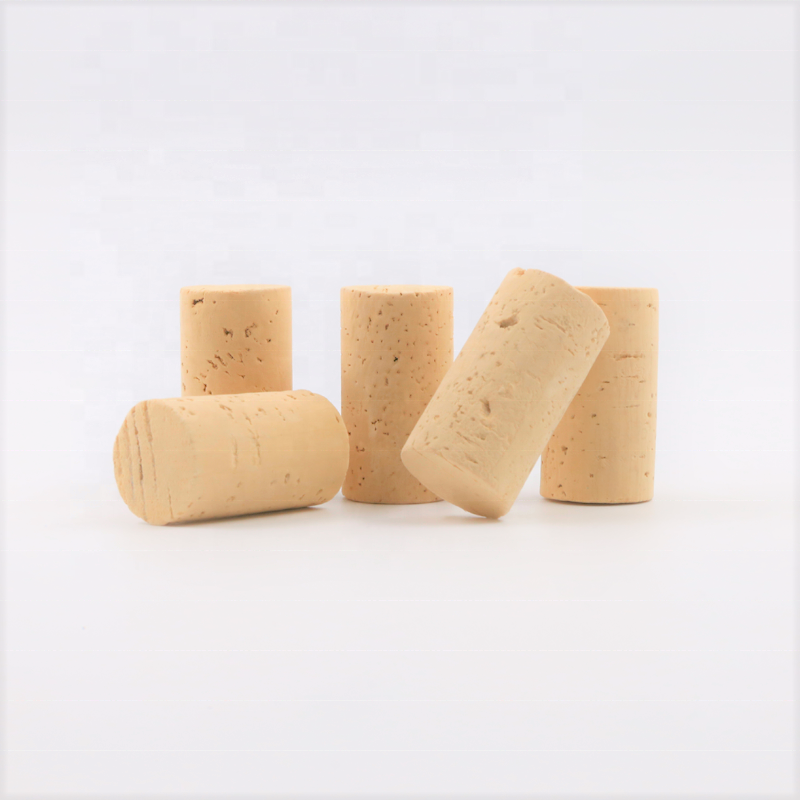
Components to discuss with your supplier.
These references share the component type discussed here. Confirm the selected assembly and application with samples.

Related articles
VIEW THE COMPONENTS