THE DECISION IN BRIEF
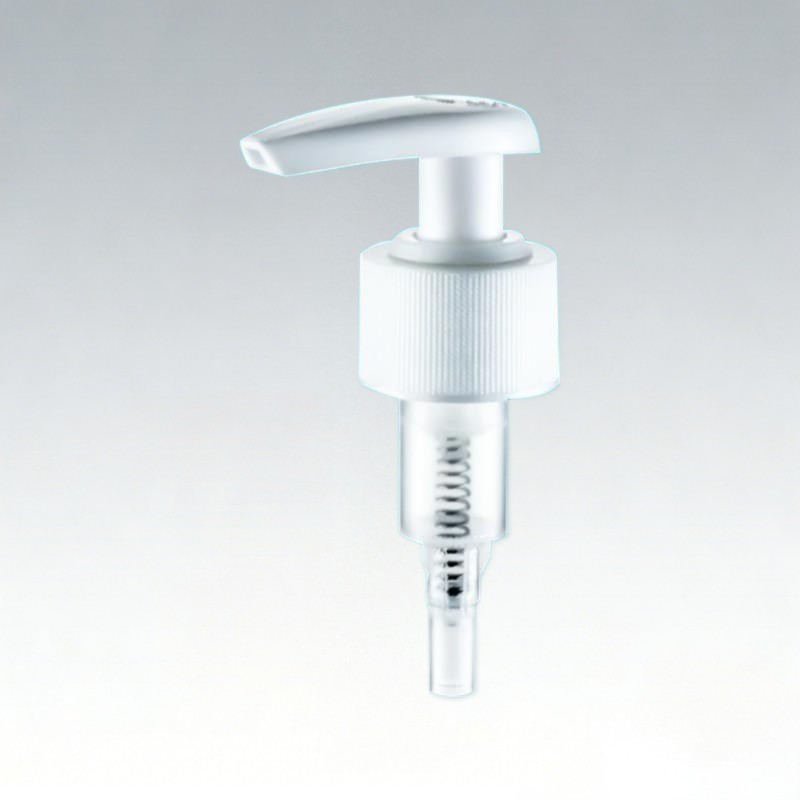
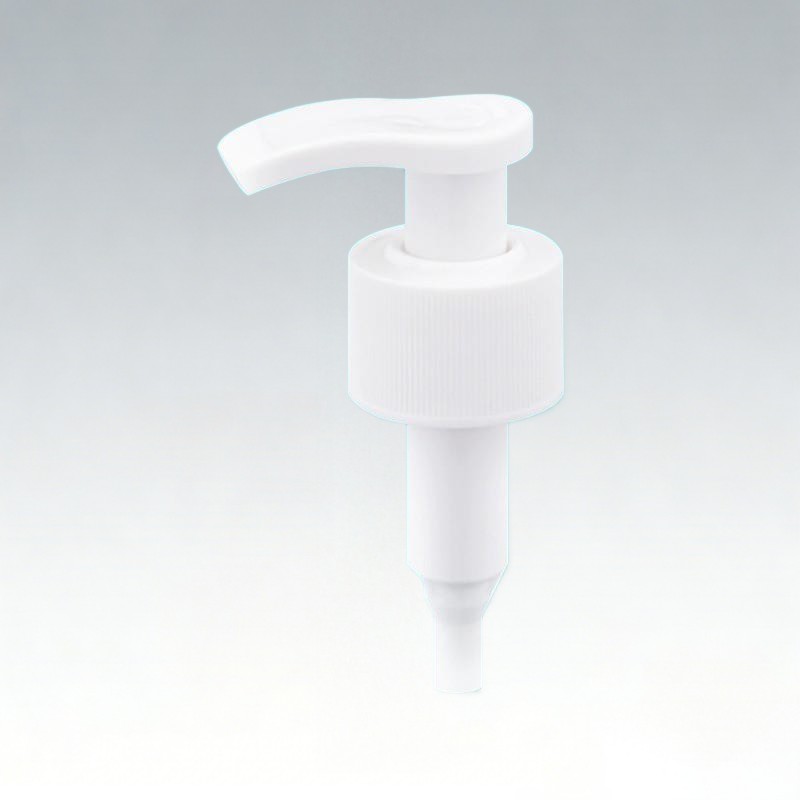
We buy two white pumps with different engines. How can the filler avoid mixing them?
Create clear part identity and material segregation through supply and filling. Verify a practical receiving method for the differences; appearance alone cannot control invisible variants.
Decide whether two variants are necessary
Ask why the range needs separate engines, seals or outputs. A common qualified configuration may simplify operations, but it must suit every intended formula and user portion. Do not standardize purely to avoid labelling work if performance would suffer. A line-clearance check should account for material remaining in feeders and return containers, not only the cartons beside the machine.
Aptar's PAV Treatment family offers different dosages and component options. That demonstrates why one exterior family can contain distinct configurations that should not share an ambiguous internal description.
Design the material flow
Agree the identification scheme with the supplier and filler before the first mixed delivery arrives.
- Assign a unique controlled reference to each complete assembly.
- Require carton and delivery labels to carry the correct identity.
- Separate storage, line staging and part returns by reference.
- Define changeover clearance between similar variants.
- Agree verification and retention appropriate to the hidden difference.
Check the method on ordinary operations
Walk through a partial carton, a returned line hopper and an urgent replacement delivery. These situations often defeat a system that works only when unopened cartons arrive in order. Ask operators to show how they identify material without relying on memory.
If a functional check is used at receipt, document its method and limitations. Measuring output may help distinguish dose variants, but it does not prove the wetted-material identity of an otherwise similar engine.
Consider an available visual differentiation if it does not harm the approved presentation. An internal reference code, different packing or another supplier-supported identifier may be more practical than expecting users to spot minute moulding details.
Keep the approved combinations with formula and bottle references so the production planner selects the right material. When one variant is replaced, update both technical records and stock controls. A good purchasing decision includes an executable plan for keeping acceptable parts in the correct products.
Sources & further reading
Use the references below alongside the selected component drawing and agreed sample plan. Product-specific claims need product-specific evidence.
PRODUCT REFERENCES
Components to discuss with your supplier.
These references share the component type discussed here. Confirm the selected assembly and application with samples.
Related articles
VIEW THE COMPONENTS