THE DECISION IN BRIEF
Our laboratory samples passed. What should a pilot filling run demonstrate before the volume order?
Use the pilot to evaluate the intended materials and process at representative conditions. Define open questions in advance and review rejects, consistency and finished-pack function before release.
Do not repeat the laboratory demonstration
List what remains uncertain: feeding, tube insertion, closure application, cap installation, decoration handling or packing. A pilot has most value when it examines these process interfaces rather than producing a small quantity of carefully hand-assisted packs.
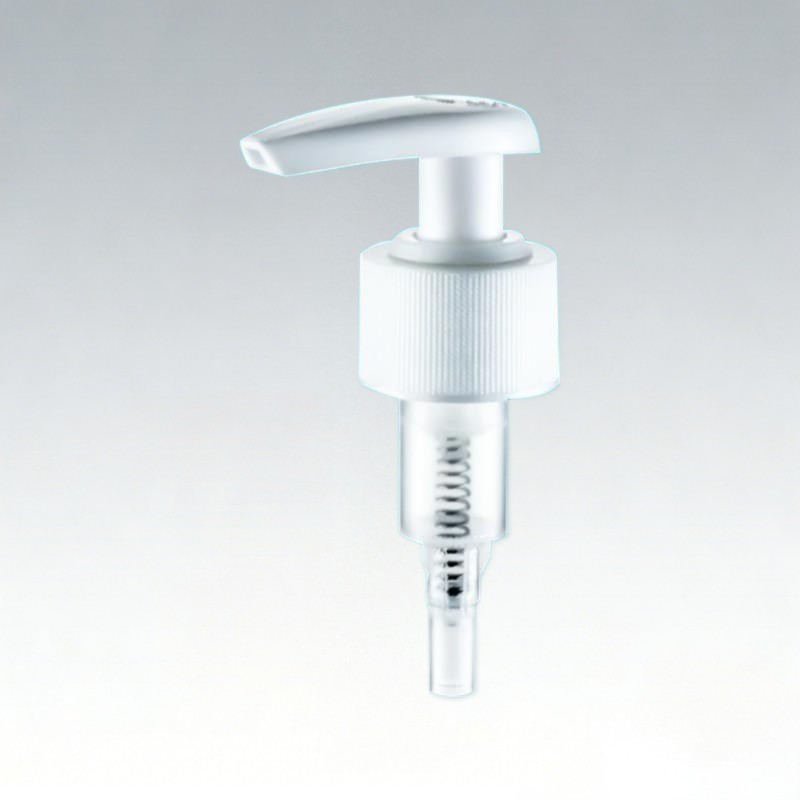
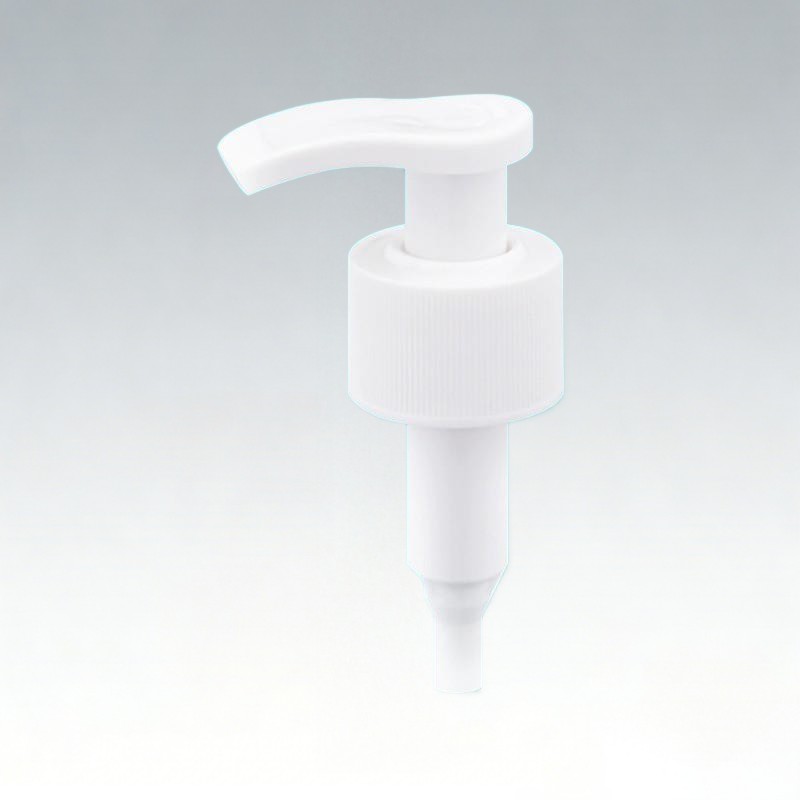
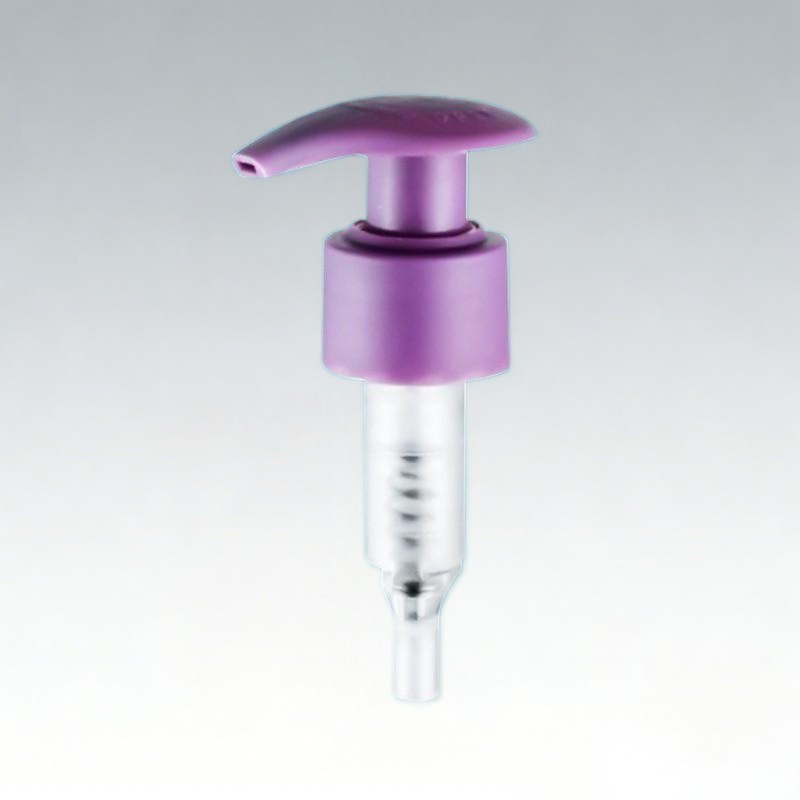
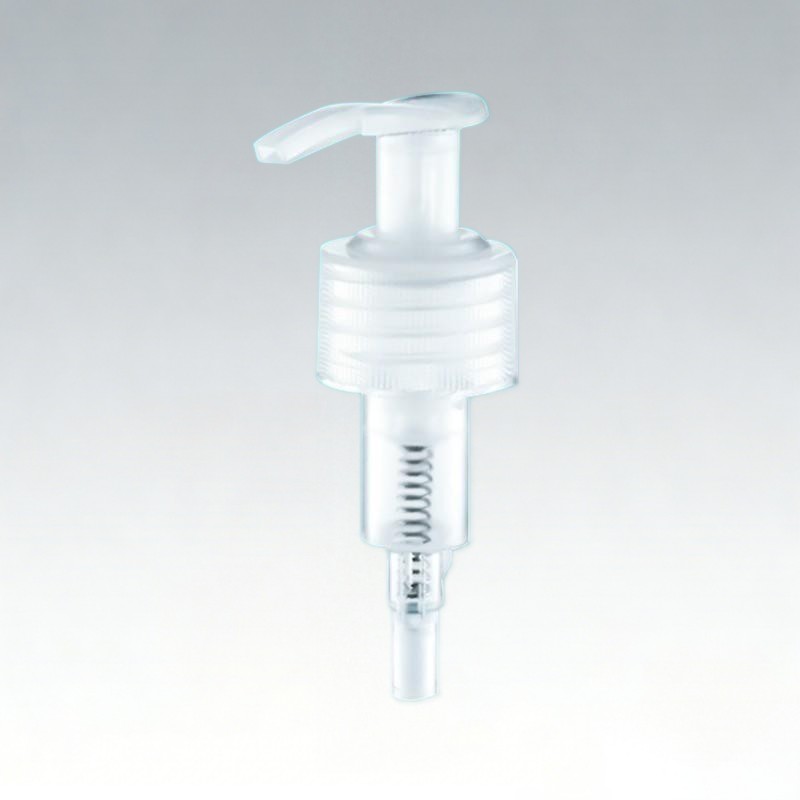
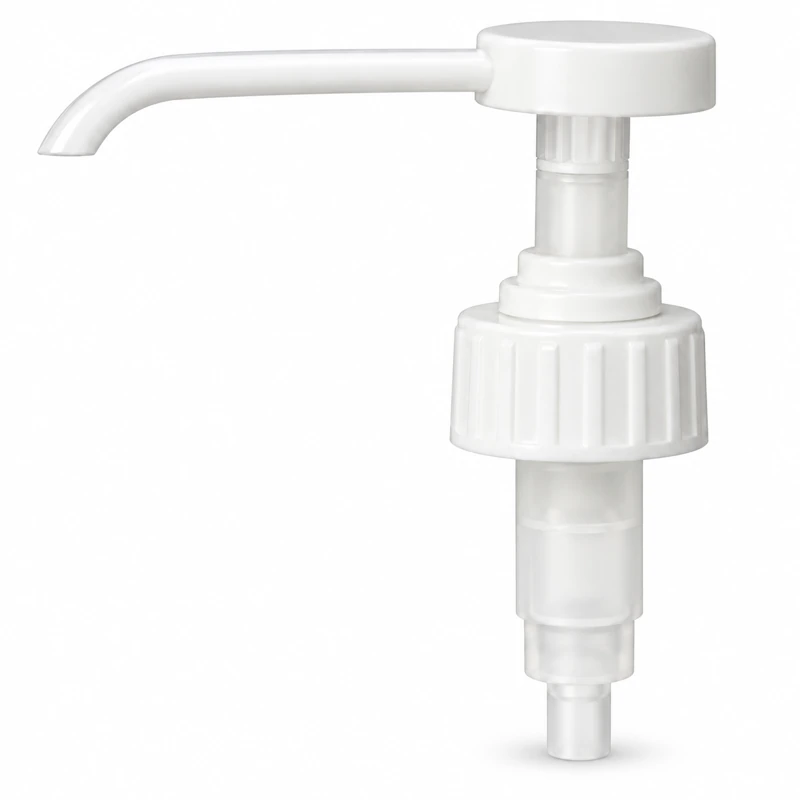
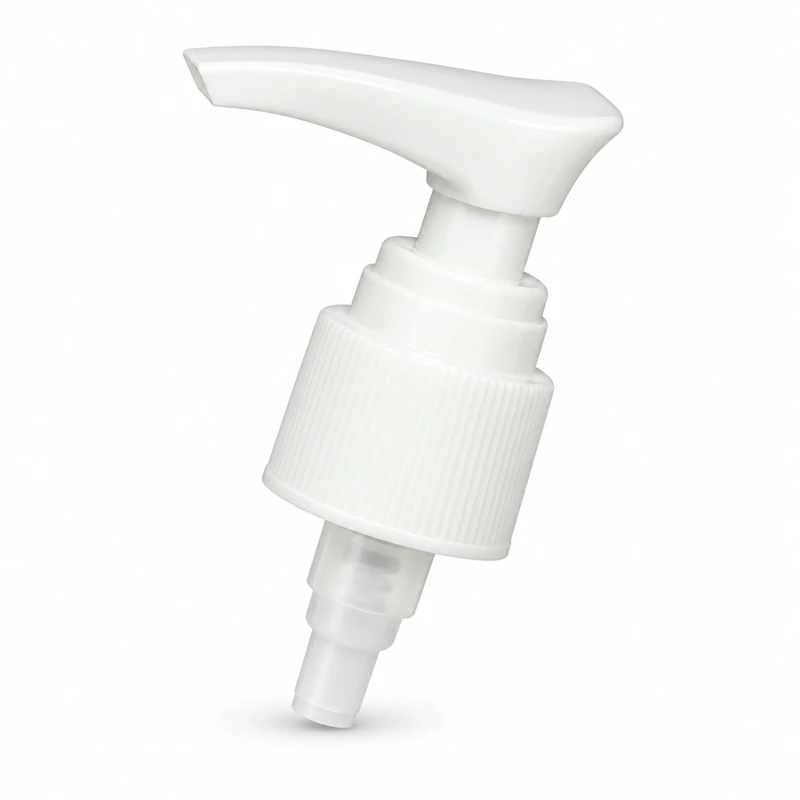
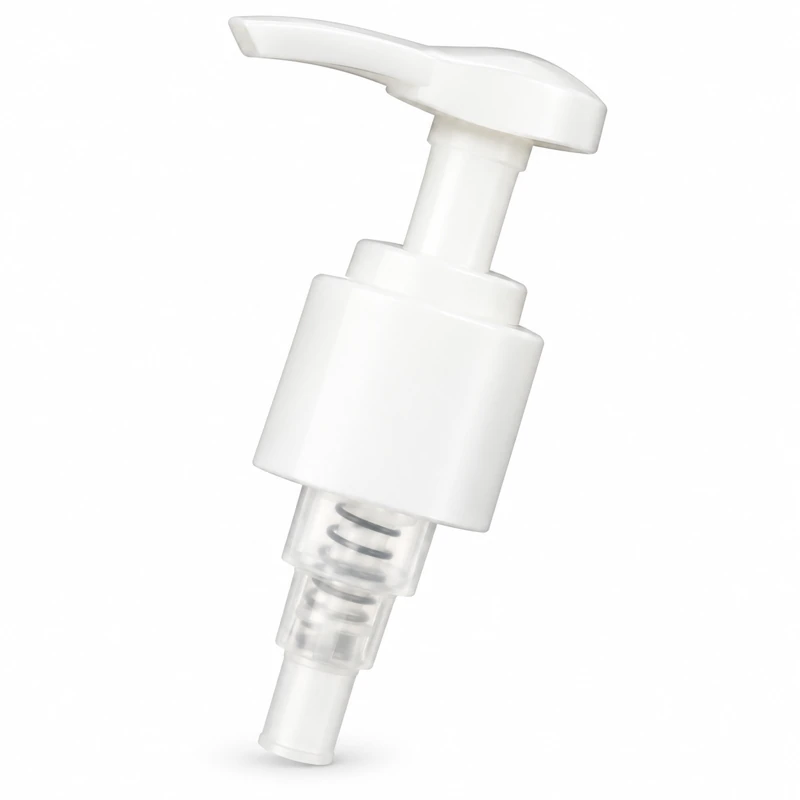
O.Berk identifies the pump's distinct components and interfaces. The pilot should show how the selected complete assembly moves through the actual filler, not just prove that one head dispenses on a desk.
Give each open question an observation
Agree scope and acceptance with the relevant teams. No universal pilot quantity or line speed is implied.
| Open question | Evidence |
|---|---|
| Tube enters consistently | Observed insertion and reject causes |
| Closure applies correctly | Approved setup and assembled checks |
| Decoration survives handling | Incoming versus finished appearance |
| Pack dispenses after filling | Relevant first-use and stable-operation results |
| Packing is executable | Cap, lock and carton process observations |
Keep interventions visible
Record manual assistance, setting changes and temporary workarounds. A run with constant operator correction does not demonstrate the same process as an unassisted volume line. The intervention may be useful development evidence, but should not disappear from the report.
Inspect rejects and preserve representative failures alongside successful packs. Overall yield alone can hide a recurring interface problem that deserves correction before scaling.
Use production-intent bulk and components wherever the pilot question depends on them. Clearly label substitutions so nobody later assumes a decorative prototype or early formula completed the final approval.
Release against resolved questions
Review the run with the filler and suppliers. Assign corrective actions to the observed interface, then repeat only the affected work where necessary. Avoid broad retesting without a reason, but do not call an unresolved workaround full release.
Record the accepted setup, supplied format and finished reference. The volume order should reproduce that configuration. If the production site, engine or packing method changes after the pilot, assess which conclusions still apply before relying on its success.
Sources & further reading
Use the references below alongside the selected component drawing and agreed sample plan. Product-specific claims need product-specific evidence.
PRODUCT REFERENCES
Components to discuss with your supplier.
These references share the component type discussed here. Confirm the selected assembly and application with samples.
Related articles
VIEW THE COMPONENTS