THE DECISION IN BRIEF
Our premium collar looks good loose but scratches when the head is pressed. Can this be accepted as normal?
Identify the contacting parts and compare production-intent assemblies. Set an agreed appearance requirement after operation; do not approve recurring rubbing from a dry loose-component sample.
Locate the first contact
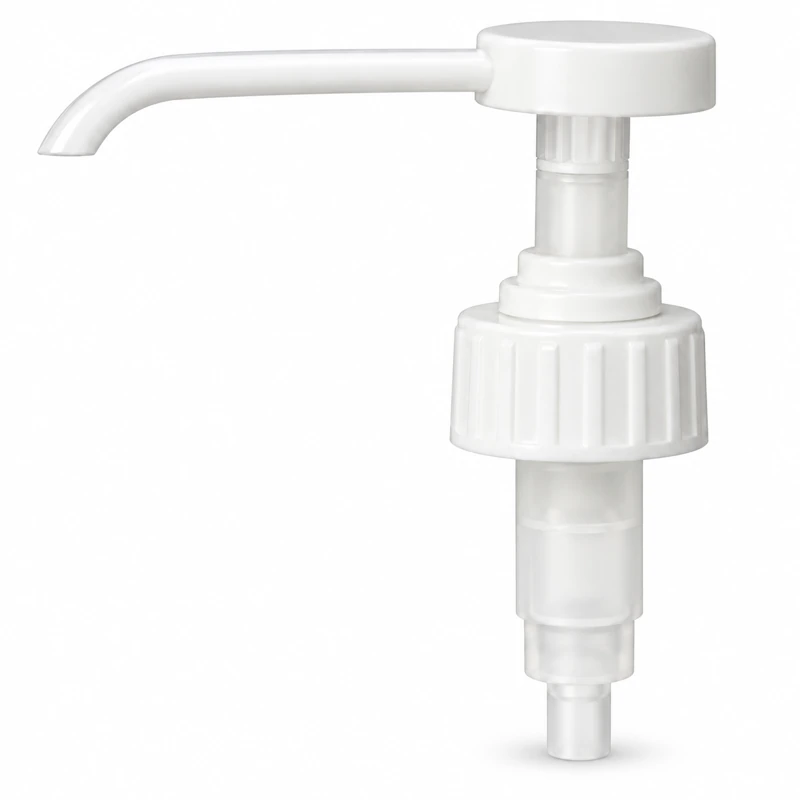
Inspect the actuator, shell and collar through their complete movement. Record where a mark first appears and whether it continues to grow. Keep an untouched sample beside the used one so scuffing can be distinguished from the supplied finish. Marking concentrated at one angular position may justify checking alignment, while a continuous ring suggests reviewing the entire rotating contact.
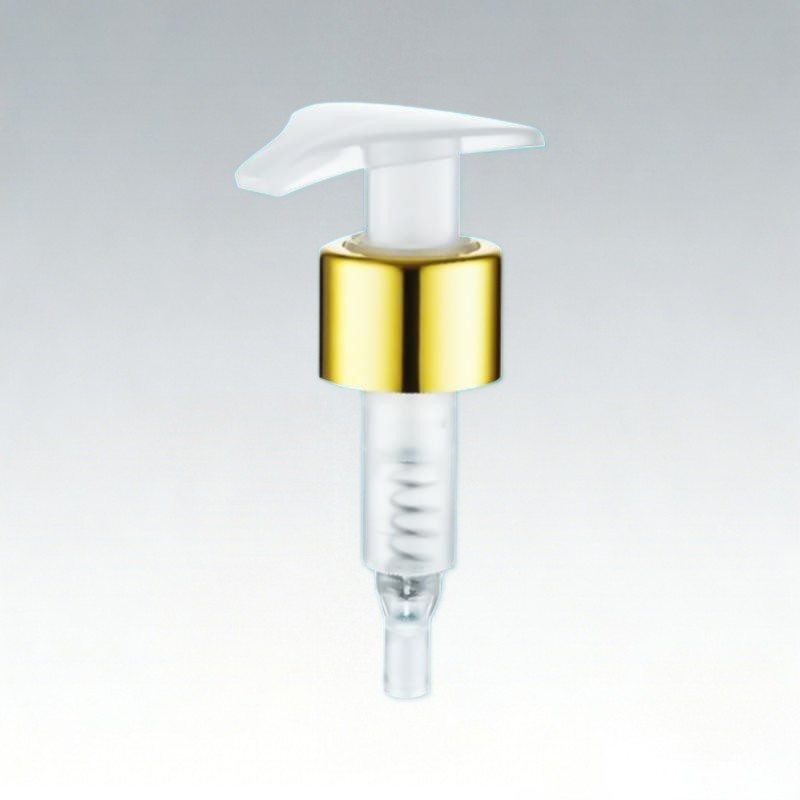
O.Berk describes metal overshells as an optional aesthetic treatment. An overshell changes the exterior configuration; it does not excuse interference with the actuator or establish compatibility with every adjacent component.
Compare the source of marking
Use the actual proposed decoration process and final bottle assembly. A hand-painted prototype may answer colour questions while giving misleading rubbing behaviour.
| Mark location | Review |
|---|---|
| Moving interface | Clearance and component alignment |
| Stationary collar | Assembly tooling and handling |
| Inside cap | Cap contact and residue |
| Random carton-facing surfaces | Packing and transit protection |
Agree appearance after real use
Ask the supplier to identify whether the proposed shell changes dimensions or assembly requirements relative to the plain version. Confirm the selected references rather than assuming all finishes fit the same exterior geometry.
Evaluate normal pressing and cap replacement with the actual formula. Formula residue may affect what users see and touch, so include the product team's relevant exterior-contact review. Do not infer long-term finish performance from a few dry strokes.
If a change to clearance or shell treatment is proposed, repeat the affected functional and appearance checks. A finish improvement should not create a loose collar, obstructed return or a different overall height that no longer fits the carton.
Define acceptable presentation using identified samples and written observations under agreed viewing conditions. Keep handling marks from the filling process separate from marks generated by user operation. That distinction assigns corrective action to the appropriate supplier or production step and makes the purchase standard usable.
Sources & further reading
Use the references below alongside the selected component drawing and agreed sample plan. Product-specific claims need product-specific evidence.
PRODUCT REFERENCES
Components to discuss with your supplier.
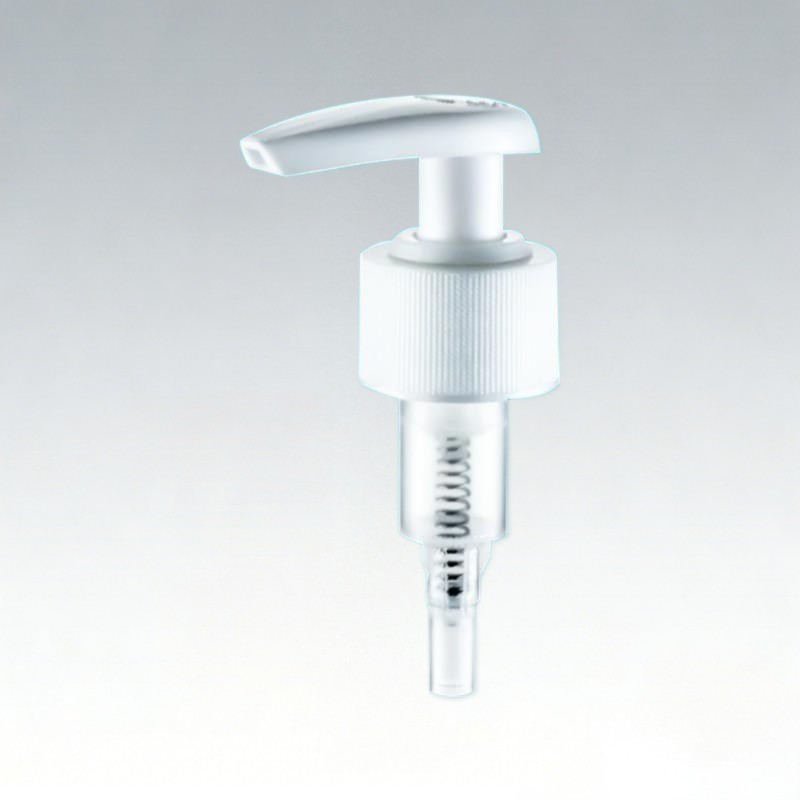
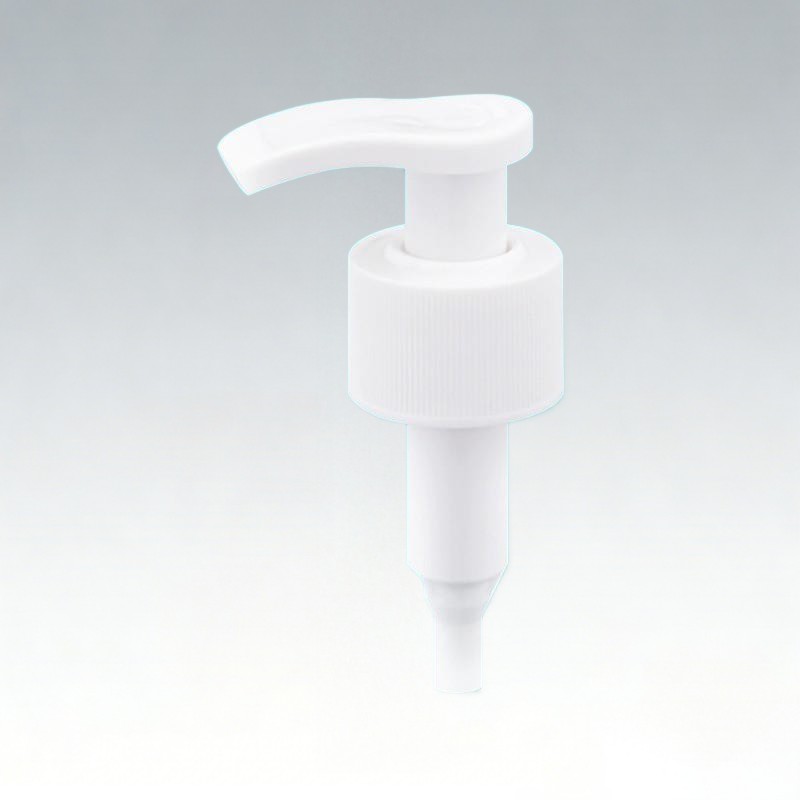
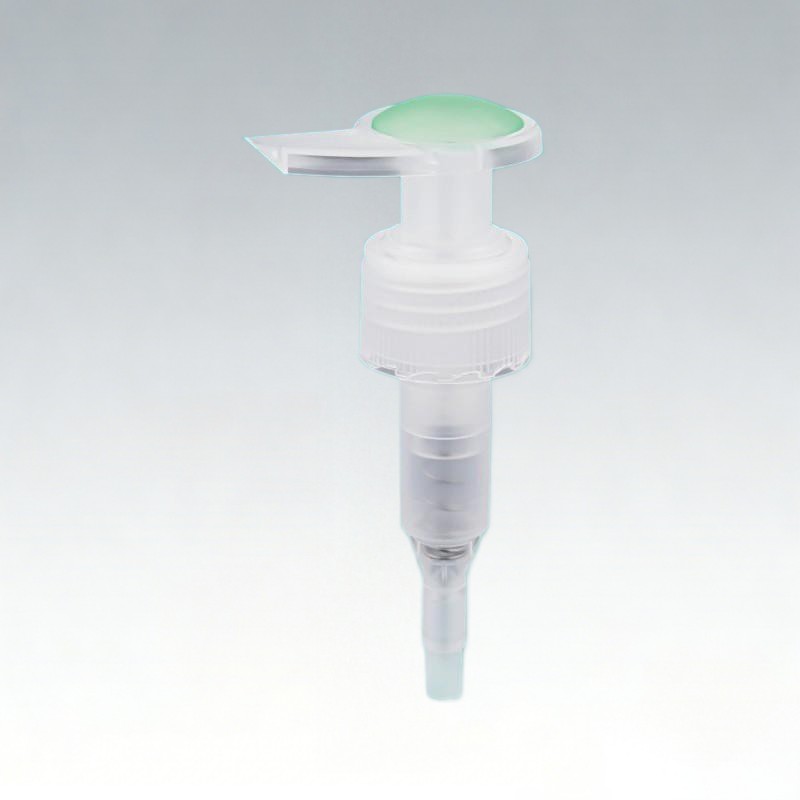
These references share the component type discussed here. Confirm the selected assembly and application with samples.


Related articles
VIEW THE COMPONENTS