THE DECISION IN BRIEF
Should we buy a higher-output pump when our lotion takes several strokes to dispense?
First separate slow priming from insufficient dose. Measure stable full-stroke delivery with the intended formula, then select the output that gives a convenient usable portion.
Specify the job before the number
The right output begins with the amount a customer needs at one use. A hand lotion, body cream and targeted treatment may share a bottle finish yet require very different portions. Write the intended application, approximate portion and acceptable stroke count into the brief. These are product decisions, not values the component supplier should have to guess.
Aptar lists several dosages within its PAV Treatment range, alongside formula and configuration choices. That is evidence that dosage belongs to a selected pump configuration. It is not evidence that every pump with a similar silhouette provides every listed output, or that an STDPAK pump shares those specifications. Obtain the proposed reference and output together.
Keep priming outside the steady-output calculation
O.Berk describes priming as the initial filling of the pump flow path and notes that a larger chamber may need additional initial actuation. Counting these empty or partial strokes in a delivery average obscures two different questions: how long the consumer waits for first product, and how much arrives once the pump is operating.
Record the number of strokes to first product and to stable delivery separately. Then collect repeated complete strokes at an agreed pace, allowing the actuator to return fully. Use the actual formula, bottle and dip tube. A water trial can reveal assembly mistakes but cannot approve a lotion's dispensing behaviour.
A measurement plan the buyer can reproduce
Collect output in a suitable tared vessel and measure the mass delivered over an agreed series of strokes. Divide by the stroke count to obtain mass per stroke. If the specification uses millilitres, convert using a measured or justified formula density under the same relevant conditions. Do not silently assume one gram equals one millilitre.
For illustration only, 12 grams collected over ten stable strokes means 1.2 grams per stroke. If the measured density were 1.05 grams per millilitre, the corresponding volume would be about 1.14 millilitres per stroke. These example figures are arithmetic, not a pump specification or proposed acceptance limit.
Repeat the agreed evaluation across samples and at relevant storage conditions. Report both the average and the observed spread. A satisfactory average can conceal individual pumps that under-deliver, recover slowly or require customers to change their pressing rhythm.
| Observation | Investigate before changing dose |
|---|---|
| Several initial empty strokes | Priming, tube connection and formula filling the flow path |
| Stable but small portions | Selected nominal output and intended user portion |
| Output falls with fast pressing | Return time and refill behaviour |
| Stringing after a stroke | Formula behaviour and actuator/nozzle selection |
| Large variation between units | Assembly consistency and the agreed sampling plan |
Compare the commercial consequences
A larger portion can reduce the number of strokes for body application, but may waste product when users need a small amount. A smaller portion offers finer control at the cost of repeated pressing. Compare these tradeoffs in ordinary use, including wet hands and nearly empty bottles, rather than deciding from a catalogue number.
Freeze the output reference after formula approval. If fragrance, thickener or storage conditions change, ask whether the existing evaluation remains relevant and repeat the affected checks. Record temperature and the formulation's viscosity measurement method when sharing data; a bare viscosity number provides limited context.
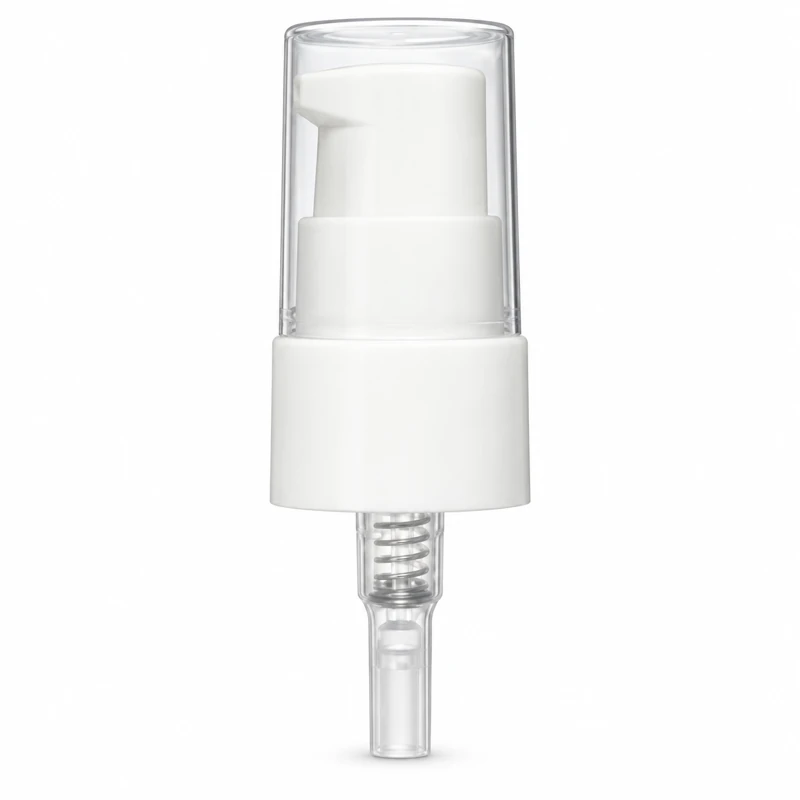
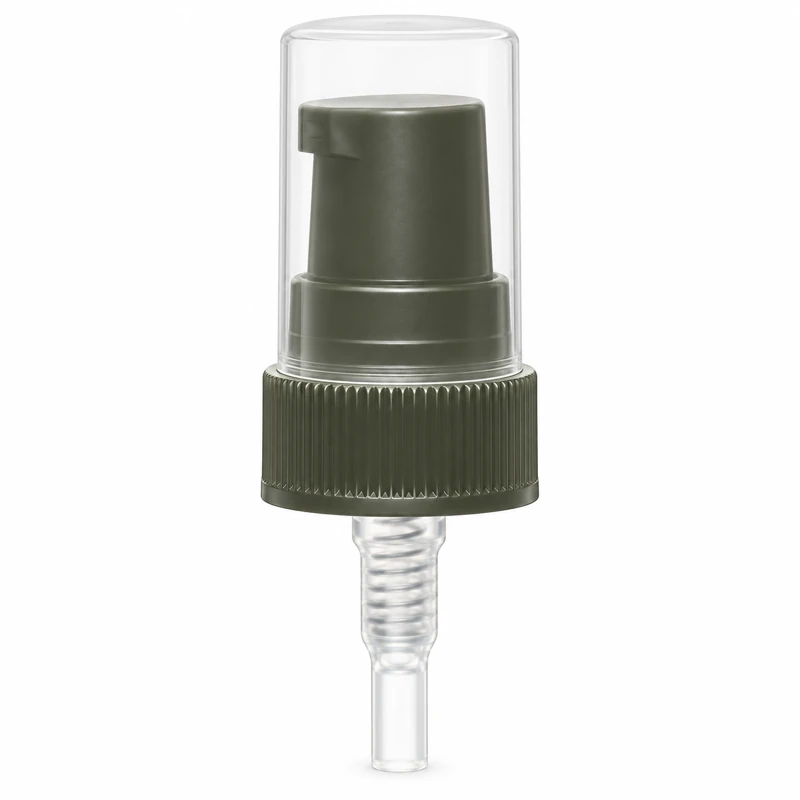
Ask STDPAK to quote the selected output, finish, actuator and tube configuration as one assembly. The approval record should state the measurement method and agreed acceptance criteria. This gives incoming inspection a repeatable decision and prevents a visually identical alternate engine from entering a later reorder.
Sources & further reading
Use the references below alongside the selected component drawing and agreed sample plan. Product-specific claims need product-specific evidence.
PRODUCT REFERENCES
Components to discuss with your supplier.
These references share the component type discussed here. Confirm the selected assembly and application with samples.
Related articles
VIEW THE COMPONENTS