THE DECISION IN BRIEF
The oil sprayer head feels stiff on our new bottle but moves freely off the bottle; what should we inspect?
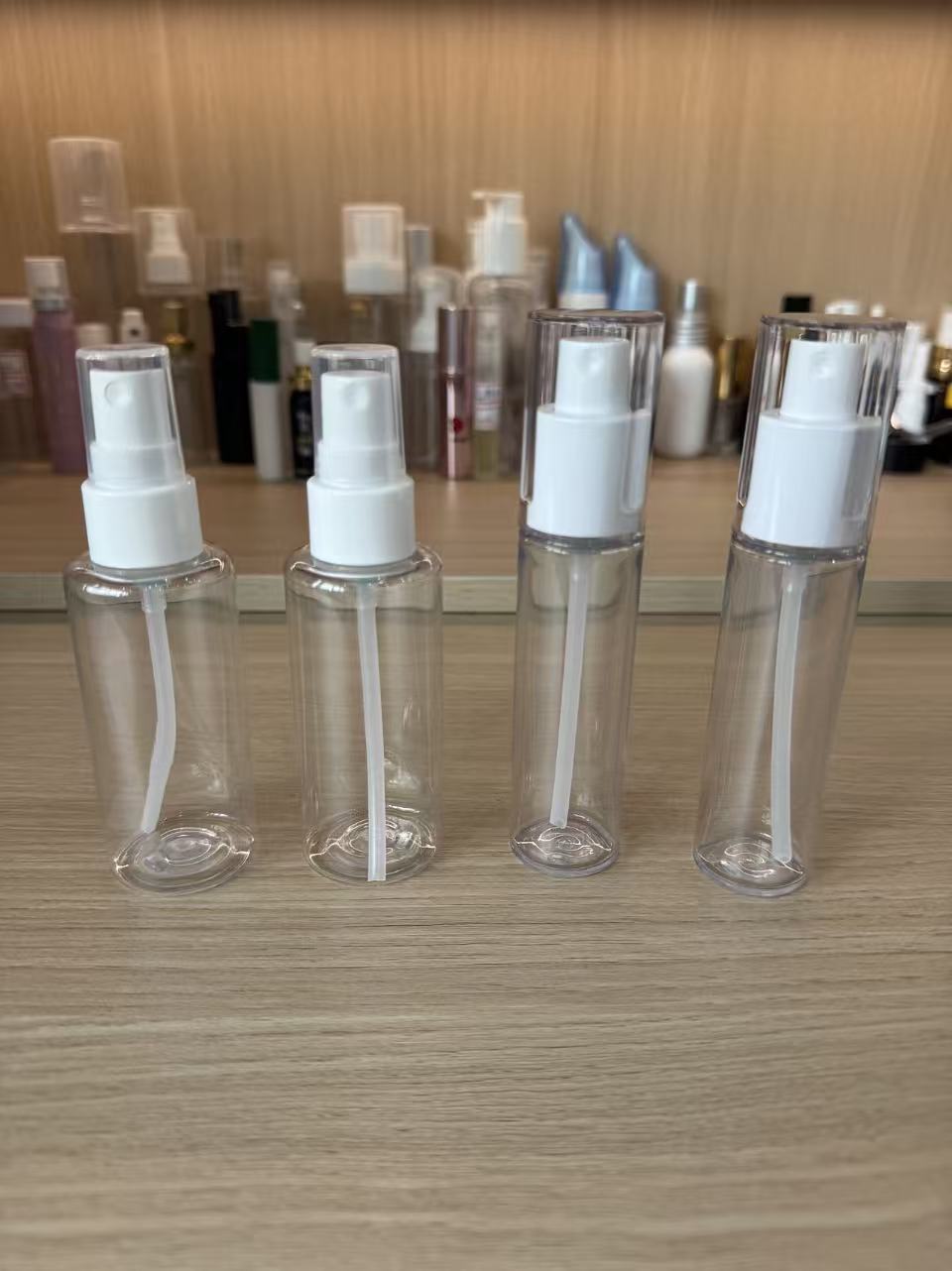
Observe the assembled actuator's clearance through its intended movement and compare the correct bottle–closure pairing before changing internal components.
Watch the assembled movement
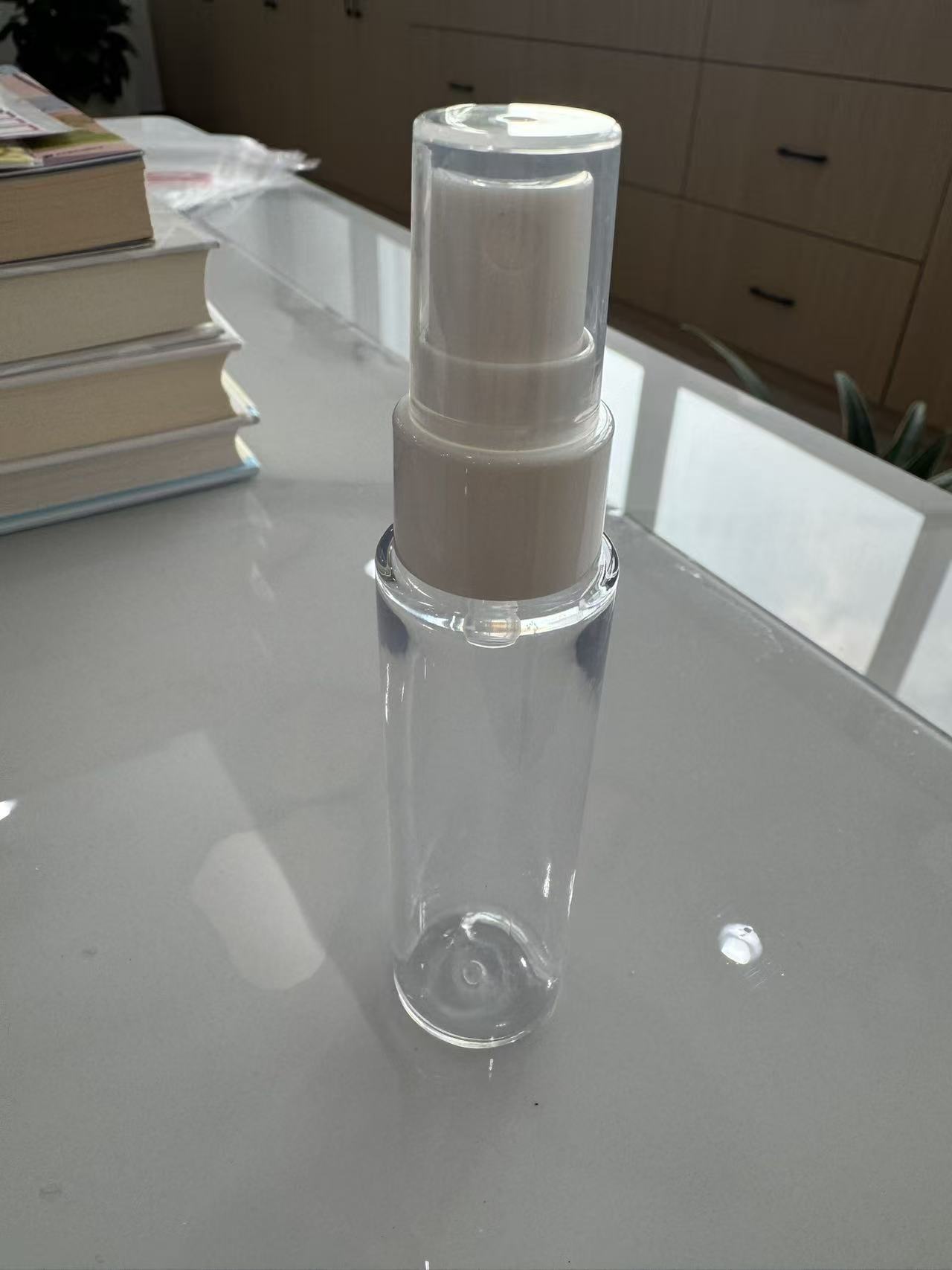
Record where the user's finger and moving head sit relative to the shoulder. Photograph the resting and operated positions without forcing the actuator beyond its intended travel. Identify whether contact appears at the head, collar, cap or bottle surface.
Compare a loose component only as a limited observation. It may help show that the assembled condition deserves review, but it does not prove that the spring or mechanism is unaffected by every other variable.
Confirm the actual configuration
Check bottle and closure references against the proposed pairing. Ask whether the supplied head differs from the one on the drawing or quotation. A decorative or ergonomic change can affect clearance even when the bottle thread is unchanged.
If physical contact is observed, request a defined alternative that addresses it. If no contact is apparent, preserve the assembled sample and ask the supplier to examine the behavior. Do not trim the actuator or add improvised spacers as a production fix.
- Record the exact point of suspected contact.
- Compare resting and operated positions.
- Identify actuator and bottle drawing revisions.
- Retain the intact assembly for supplier review.
Evaluate the alternative as a complete package
Aptar offers multiple actuator options. Give the supplier the assembled contact observations and request a candidate that addresses the actual clearance. Compare that candidate's grip, spray direction and cap arrangement before deciding whether the mechanical improvement supports the complete task.
Compare any alternative for spray placement, grip, cap fit and normal operation with the actual formula. Solving shoulder clearance can change finger position or direction of the deposit. Preserve the accepted head reference in the order specification so a later cosmetic substitution does not recreate the problem. The decision should address the observed interference and the intended user task together.
The head may clear the shoulder mechanically while leaving little space for the user's finger. Observe that contact separately. A head that travels freely in a fixture can still be awkward in the hand, so include realistic operation before deciding the new bottle has solved or avoided an interference problem.
Sources & further reading
Use the references below alongside the selected component drawing and agreed sample plan. Product-specific claims need product-specific evidence.
PRODUCT REFERENCES
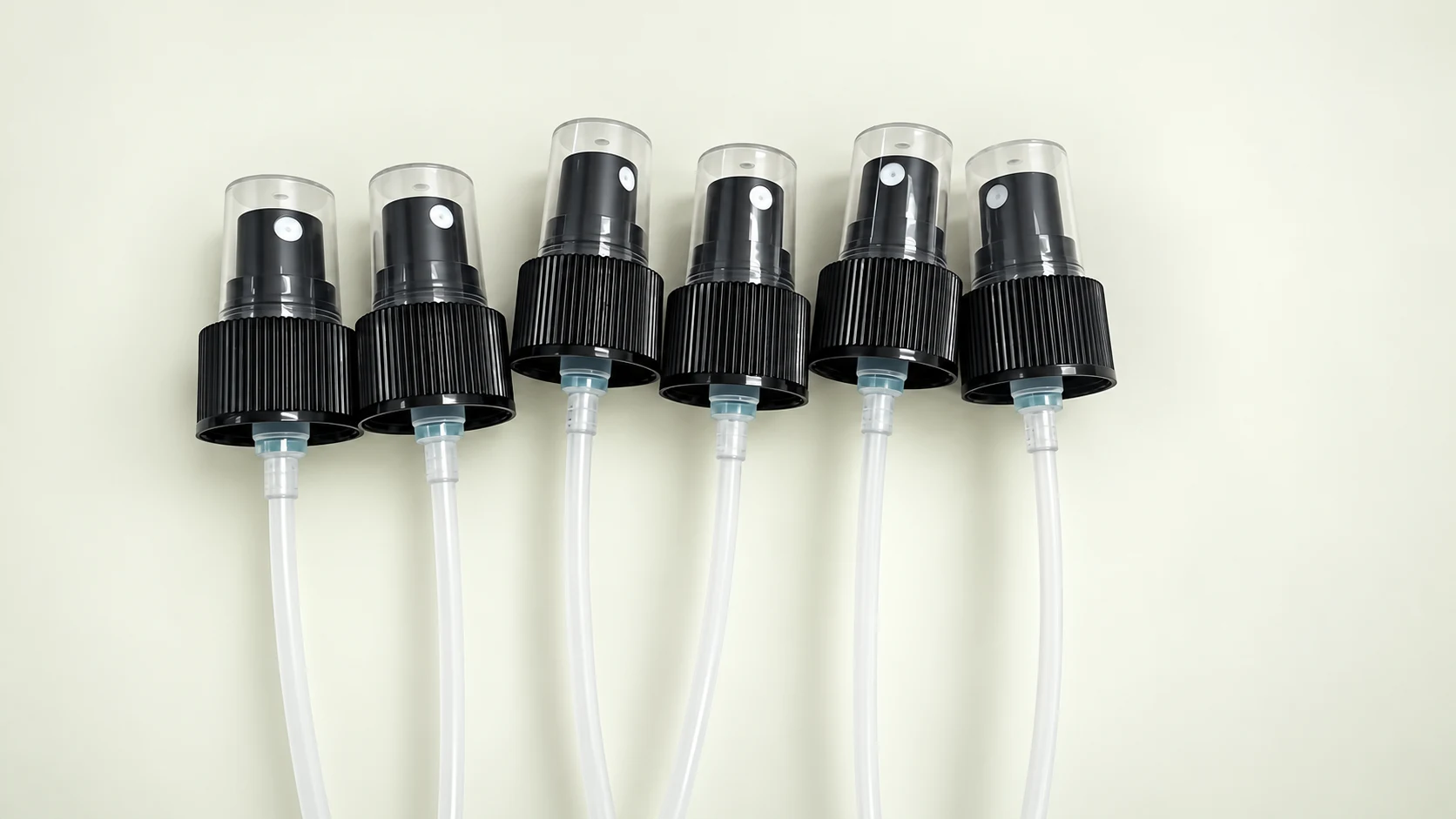
Components to discuss with your supplier.
These references share the component type discussed here. Confirm the selected assembly and application with samples.
Related articles
VIEW THE COMPONENTS