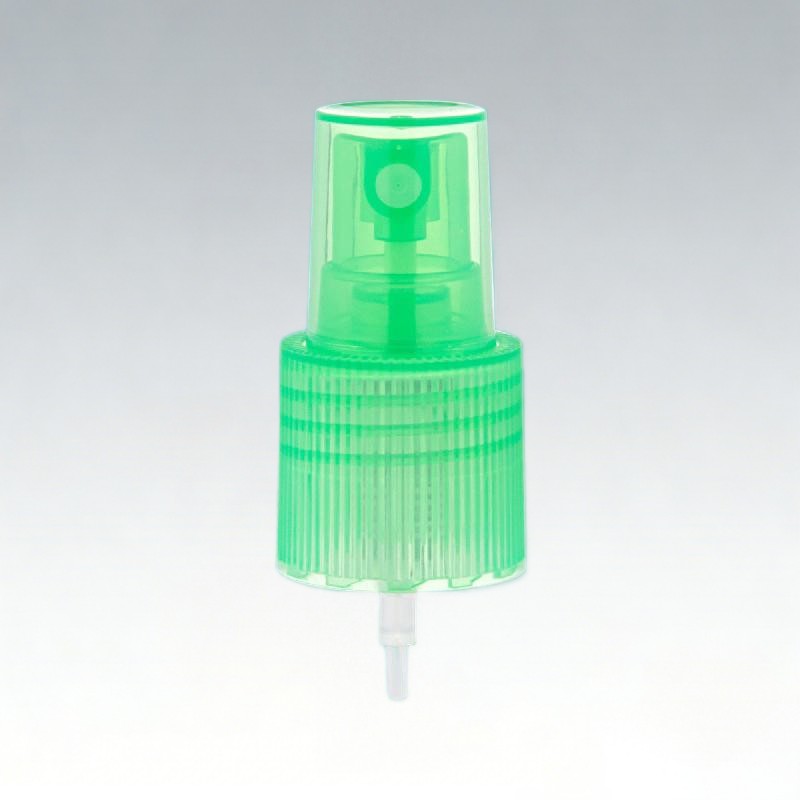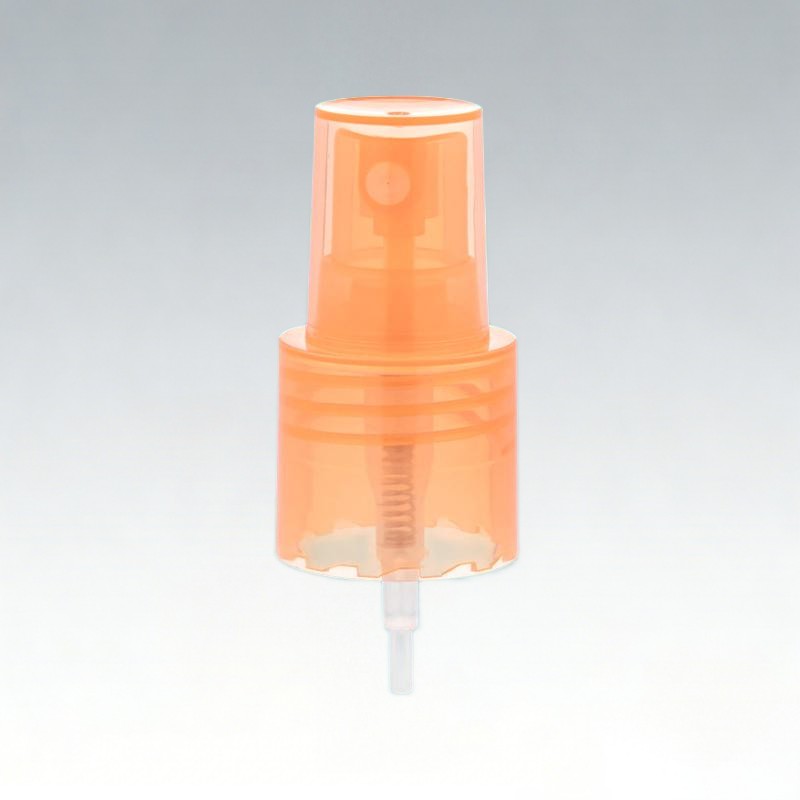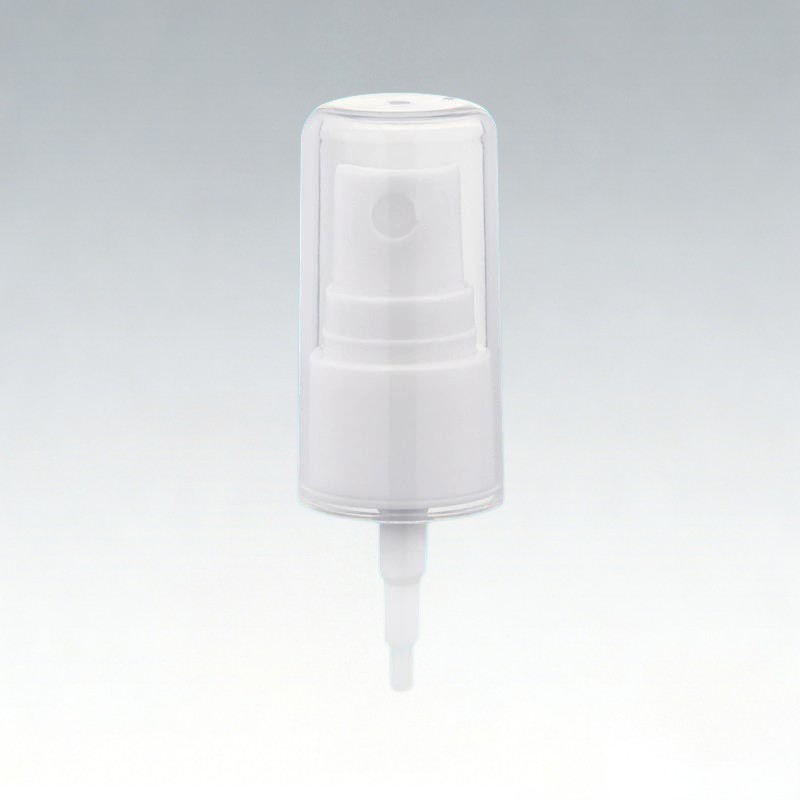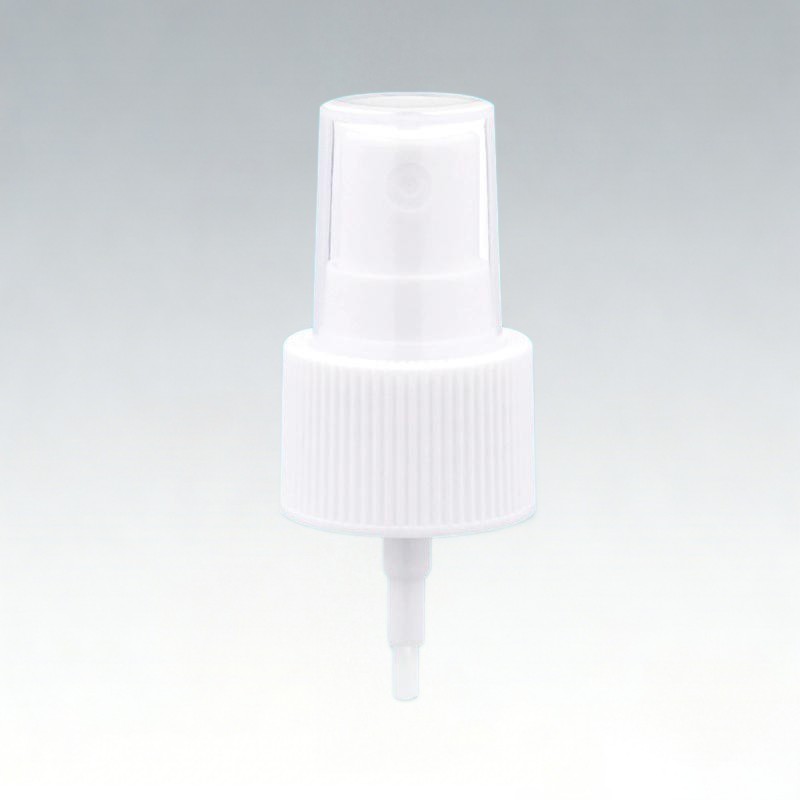
THE DECISION IN BRIEF
Our actuator rocks sideways but still sprays. Should receiving reject it?
Compare the movement with the supplier’s approved construction and retained samples, then evaluate seating, function, and change over use before setting disposition.
Describe movement consistently
Record whether the whole actuator tilts, rotates, or shifts without moving the stem. Compare unused, assembled, and conditioned samples. A short video with a consistent observation method can help, but avoid pushing so hard that the inspection itself damages the part.
Obtain the intended seating and engagement condition from the supplier. Do not assume that zero visible movement is required for every design. Equally, a functioning spray does not prove that an unusually loose head will remain retained or operate consistently through its intended life.
Link the observation to performance
Berlin Packaging’s dimensional and functional testing resources illustrate the value of assessing distinct characteristics separately. Agree methods suitable for this actuator rather than judging solely by subjective feel.
- Compare movement with an identified approved reference.
- Check seating and evidence of incomplete engagement.
- Observe off-center pressing, return, and retention.
- Repeat after the relevant use and storage sequence.
Choose the diagnostic fork
If the movement exists only after local assembly, inspect the head-fitting operation and component pairing. If it appears in unopened supplied assemblies, compare lots and request supplier review. If it develops after contact, preserve both exposed and unexposed samples for material and engagement assessment.
Do not add adhesive or force the head farther down as an informal correction. Either action may alter stroke, clearance, serviceability, or liquid-contact behavior. Ask the supplier to propose a controlled revision and identify what it changes.
Create a receiving criterion that can be used
Agree a measurable or clearly referenced inspection condition with the supplier and quality team. If some movement is permitted, define it in a way that inspectors can reproduce without damaging the pack. Keep functional failures such as detachment or interrupted actuation distinct from accepted clearance.
Release the corrected head, stem interface, and fitting method together. Recheck cap engagement and full actuator travel after revision. Retain acceptable and rejected examples where practical, so future disputes can be resolved against evidence rather than competing opinions about how firm a luxury head should feel.
Sources & further reading
Use the references below alongside the selected component drawing and agreed sample plan. Product-specific claims need product-specific evidence.
PRODUCT REFERENCES
Components to discuss with your supplier.
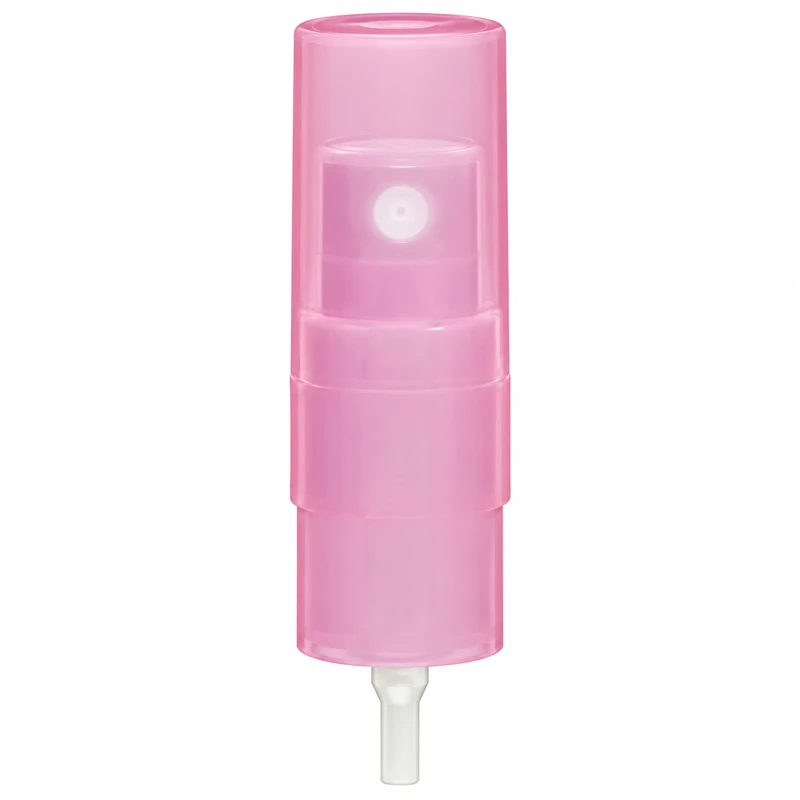
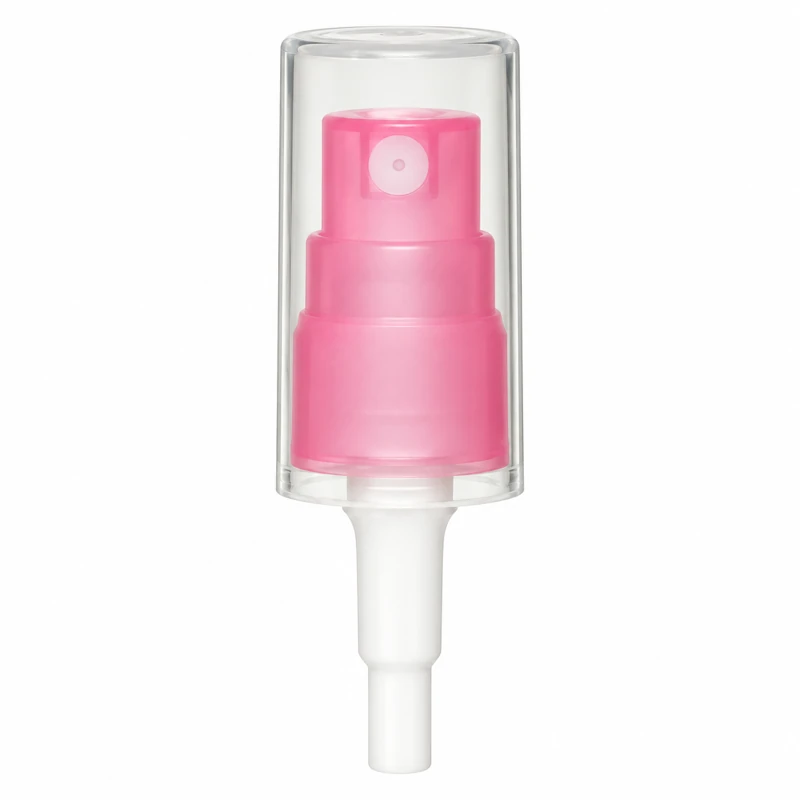
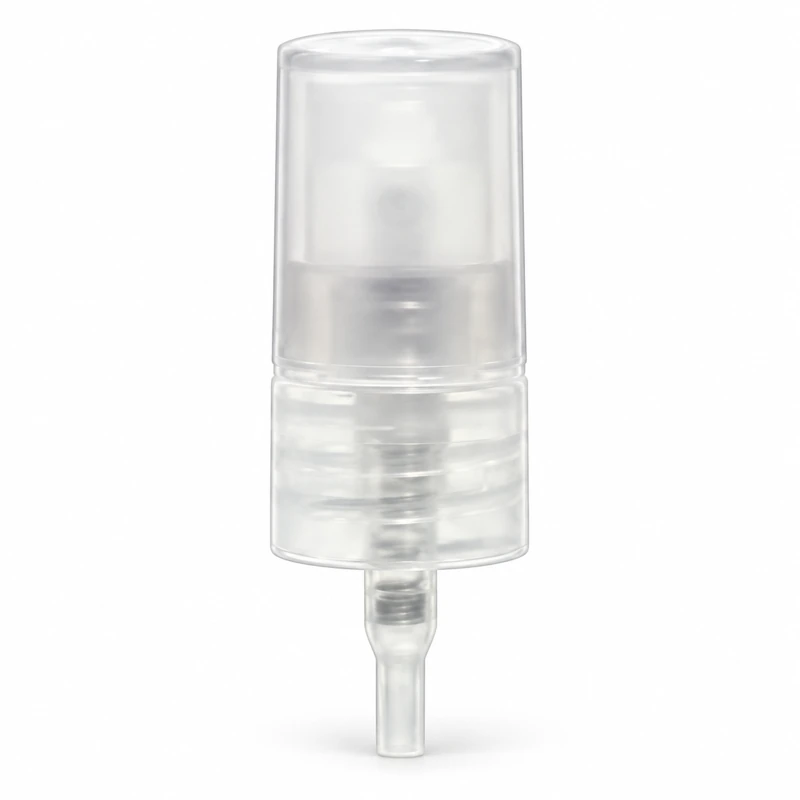
These references share the component type discussed here. Confirm the selected assembly and application with samples.
Related articles
VIEW THE COMPONENTS