THE DECISION IN BRIEF
The filler increased tightening to stop neck leaks, but results are inconsistent. What should we review?
Return to the supplier-approved assembly guidance and inspect the sealing interface, component identity and line consistency. Do not treat additional tightening as proof that the underlying mismatch is resolved.
Document the starting problem
Record where product first appears and whether the leakage occurs immediately, after storage or after handling. Preserve affected packs before retightening. Separate neck leakage from nozzle discharge because each points to a different part of the assembly. Record any approved application adjustment against the tool reference, because the same displayed setting may represent a changed setup.
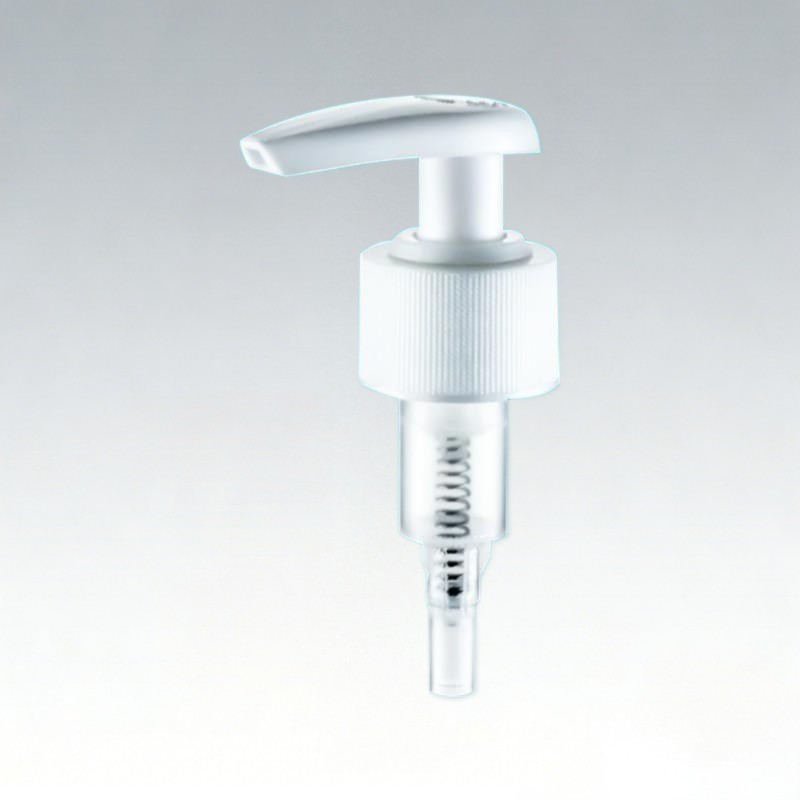
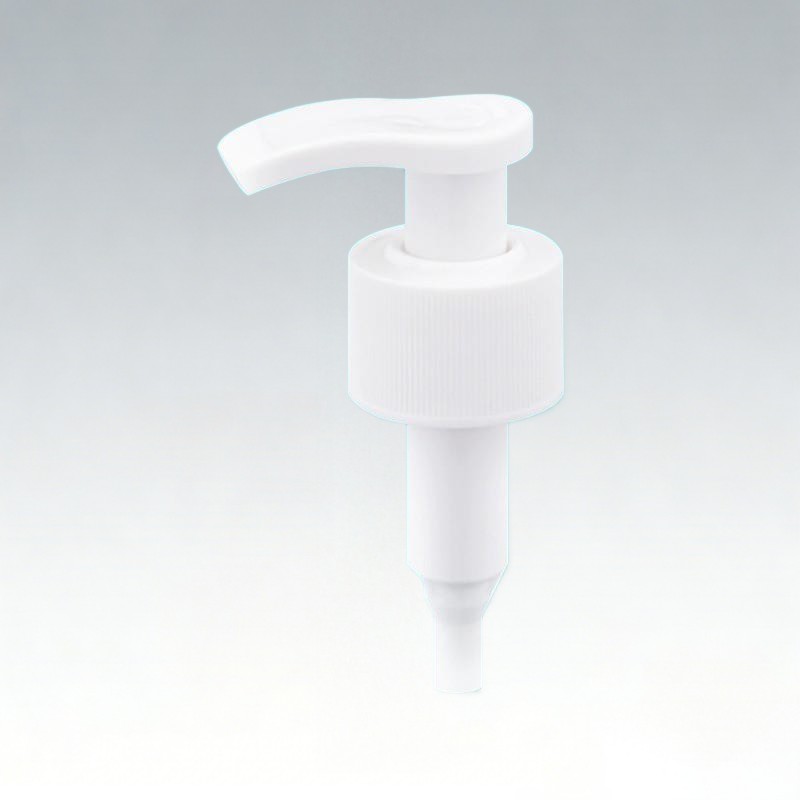
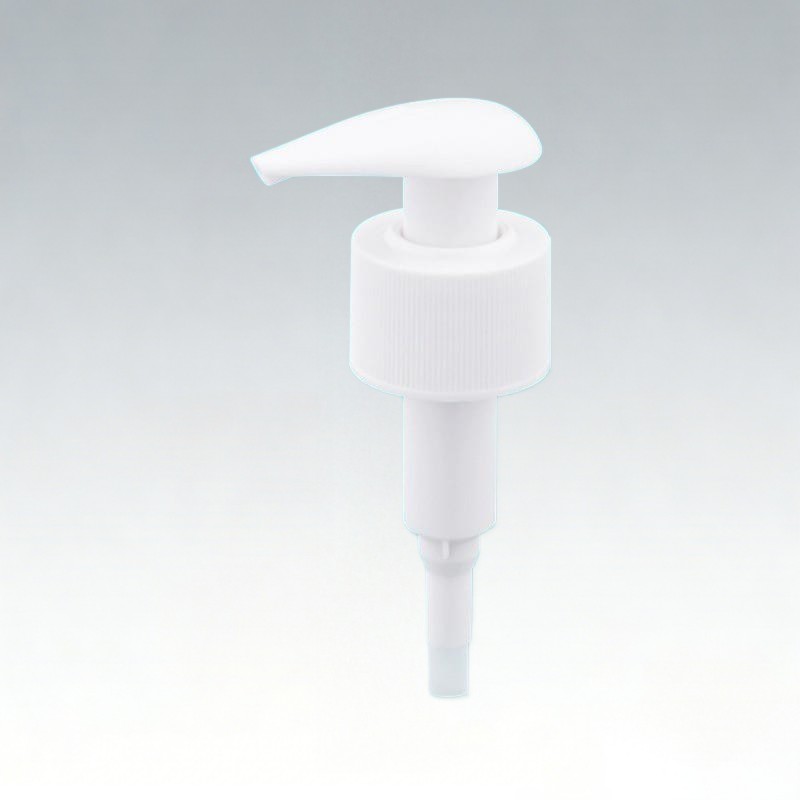
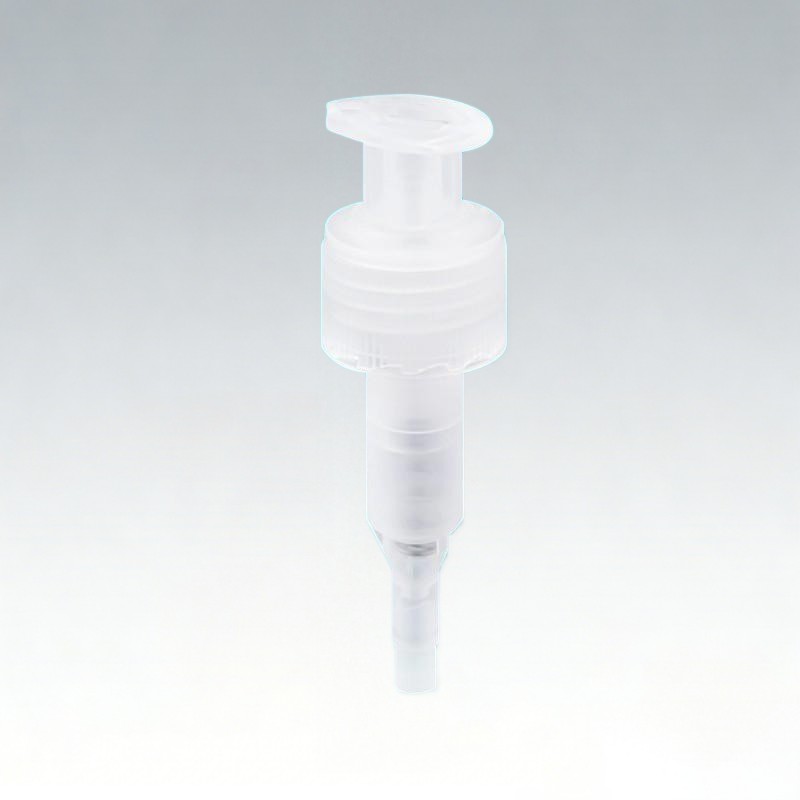
O.Berk identifies the outer gasket as the barrier at the bottle land. Its role explains why retention and sealing must be reviewed together rather than assuming tighter threads always produce the correct seal.
Compare likely interfaces
The observations guide investigation; they are not a substitute for inspecting selected samples and drawings.
| Observation | Review |
|---|---|
| Collar stops unevenly | Alignment, finish and interference |
| Gasket appears displaced | Selected seal and assembly process |
| Only one bottle lot leaks | Bottle identity and sealing surface |
| Setting changes give variable results | Equipment consistency and component variation |
Establish an approved application method
Have the pump supplier, bottle supplier and filler reconcile their requirements. Confirm that the same component references used during approval are reaching the line. Ask for the applicable assembly guidance instead of borrowing settings from a previous product.
If the filler changes equipment or tooling, inspect the resulting assembly and repeat the relevant leakage and operation checks. A recorded machine setting is useful only when the equipment applies it consistently to the correct interface.
Do not release material based solely on a short immediate check after retightening. Evaluate the relevant filled-pack conditions and subsequent first use. An assembly that looks dry at the end of the line may still need the agreed storage or handling review.
Once the cause and correction are supported, document the accepted method and incoming characteristics that matter. Keep rejected samples as references where appropriate. This gives operators a controlled response when leakage returns rather than encouraging a repeated cycle of progressively stronger tightening.
Sources & further reading
Use the references below alongside the selected component drawing and agreed sample plan. Product-specific claims need product-specific evidence.
PRODUCT REFERENCES
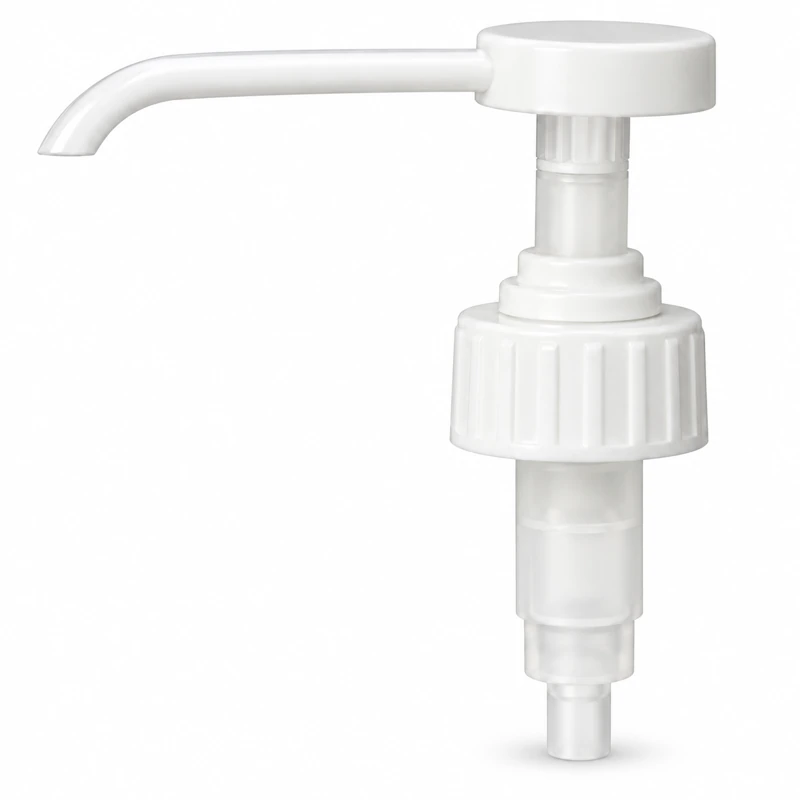
Components to discuss with your supplier.
These references share the component type discussed here. Confirm the selected assembly and application with samples.


Related articles
VIEW THE COMPONENTS