THE DECISION IN BRIEF
Customers say useful oil remains after spraying stops; how should we compare bottle and tube options?
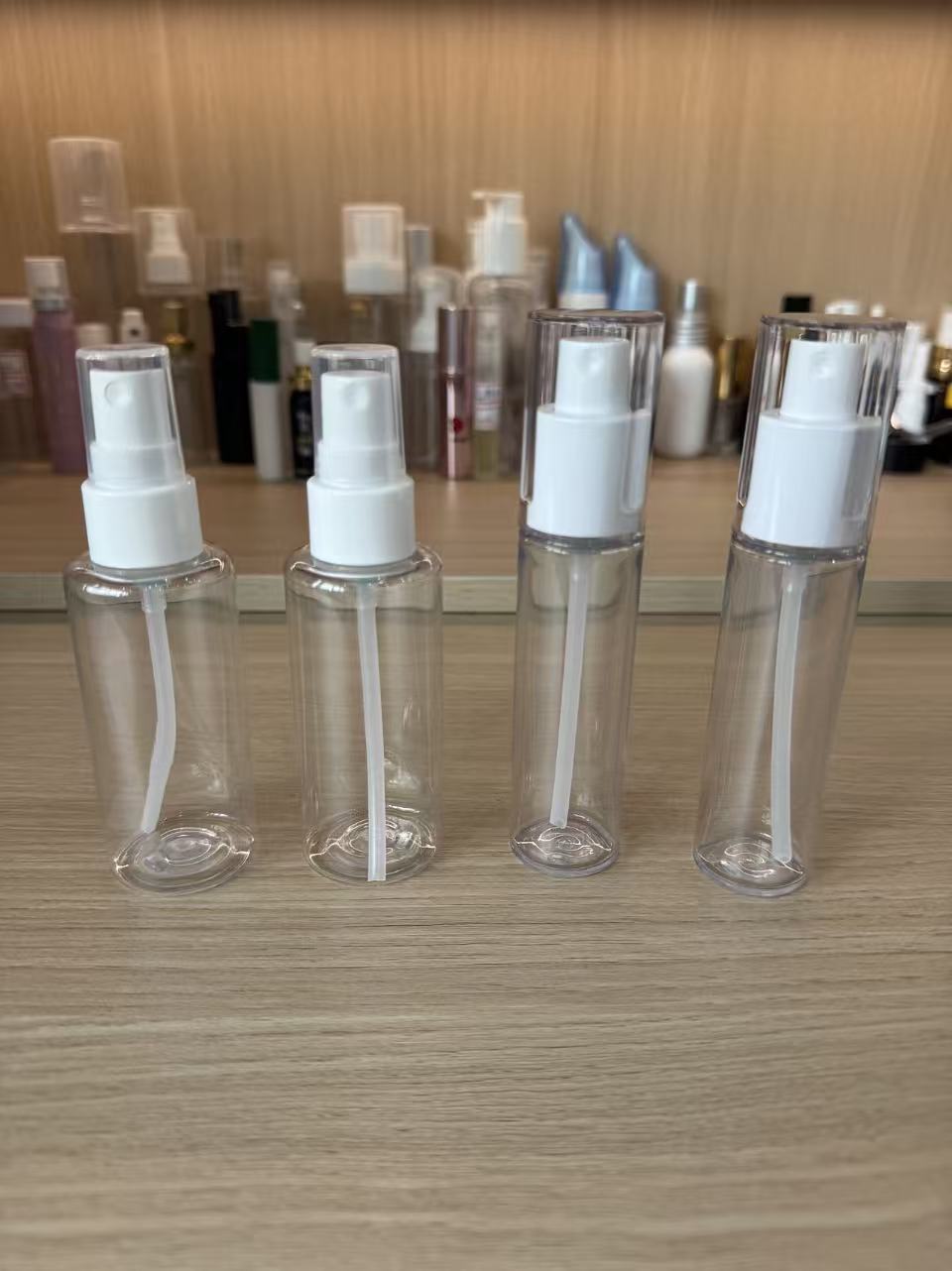
Record the remaining product and the orientation needed for recovery using a defined task. Compare identified tube–bottle combinations rather than promising complete evacuation.
Define when the user considers the bottle empty
A bottle can contain visible liquid when the normal application stops working. Observe how users respond: repeat pressing, tilting, removing the sprayer or abandoning the package. These actions help define the recovery requirement without establishing that every remaining drop is practically recoverable.
Identify formula batch, bottle geometry and tube arrangement. Record whether the effect appears consistently or only with one sample. Avoid estimating recoverable volume from a photograph of a curved base.
Compare the end-of-use sequence
Use the actual formula and the intended operation. Track the point at which normal delivery changes and preserve that fill state for examination. If a weighing method is used, record it and distinguish mass from volume. Any conversion needs relevant supporting density information.
Compare candidate tube arrangements on matched bottles where appropriate. If changing bottle shape, treat the result as a new combination. Do not use vigorous shaking or inversion to create a favourable recovery figure unless those actions belong in the intended instructions.
- Record normal operation before alternate recovery actions.
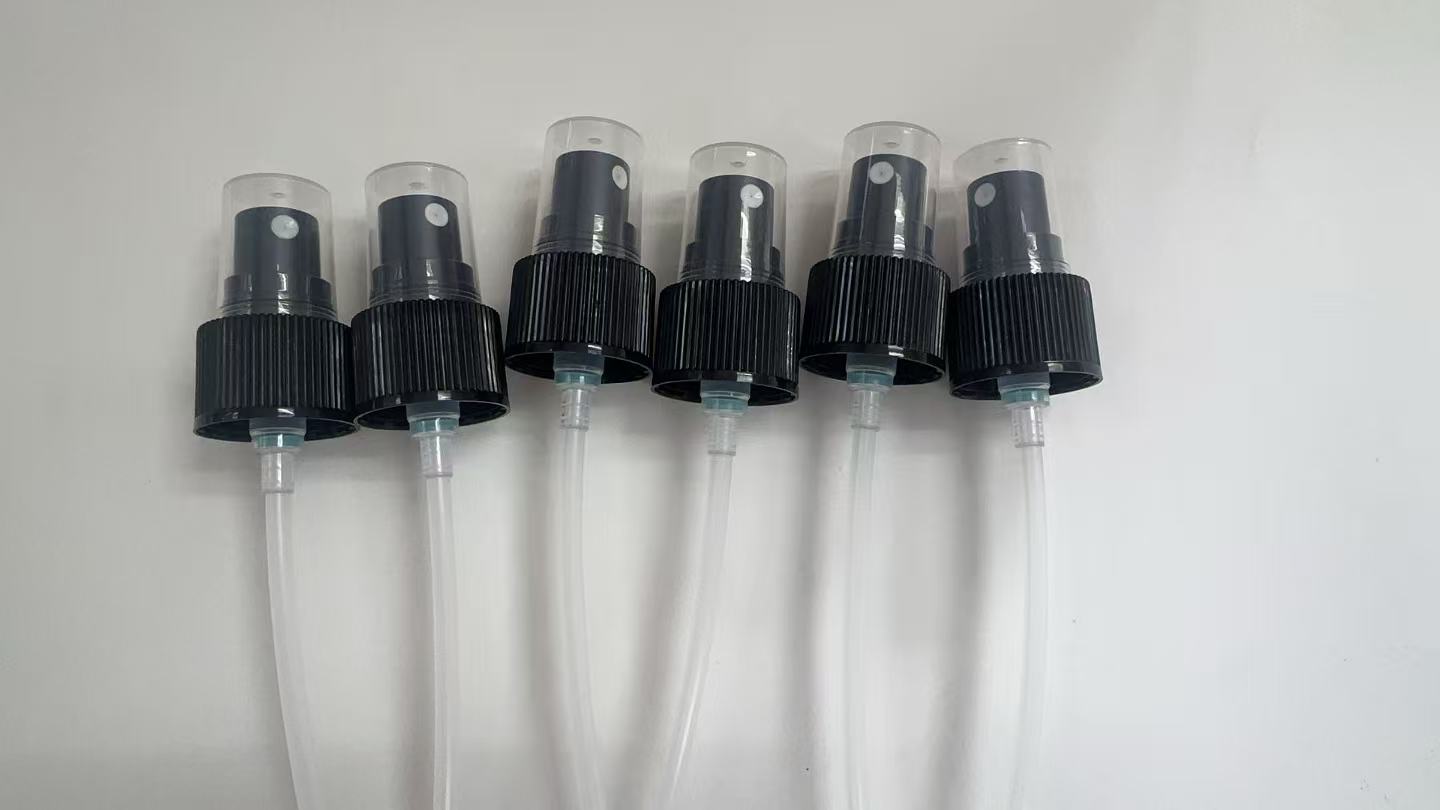
- Identify tube length, reference and inlet position.
- Keep remaining mass distinct from estimated volume.
- Document any extra action needed to regain delivery.
Choose a useful package tradeoff
McKernan connects dip-tube reach with the container. Ask the supplier for an identified alternative only after reviewing the practical recovery requirement. Compare inlet position and normal delivery alongside remaining material so a geometry change is evaluated for the complete task.
A longer tube may deserve evaluation but should not be selected solely because it touches the base. A shorter or differently routed candidate may change other behavior. Ask for defined samples and compare normal dispensing, assembly and end-of-use recovery together. State the demonstrated outcome without claiming zero waste or complete evacuation.
Ask users when they would normally stop trying to recover product, before demonstrating alternate handling. The technical maximum recovered by a persistent operator may not represent useful customer recovery. Recording both observations lets the product team compare realistic experience with the controlled examination of remaining material.
Sources & further reading
Use the references below alongside the selected component drawing and agreed sample plan. Product-specific claims need product-specific evidence.
PRODUCT REFERENCES
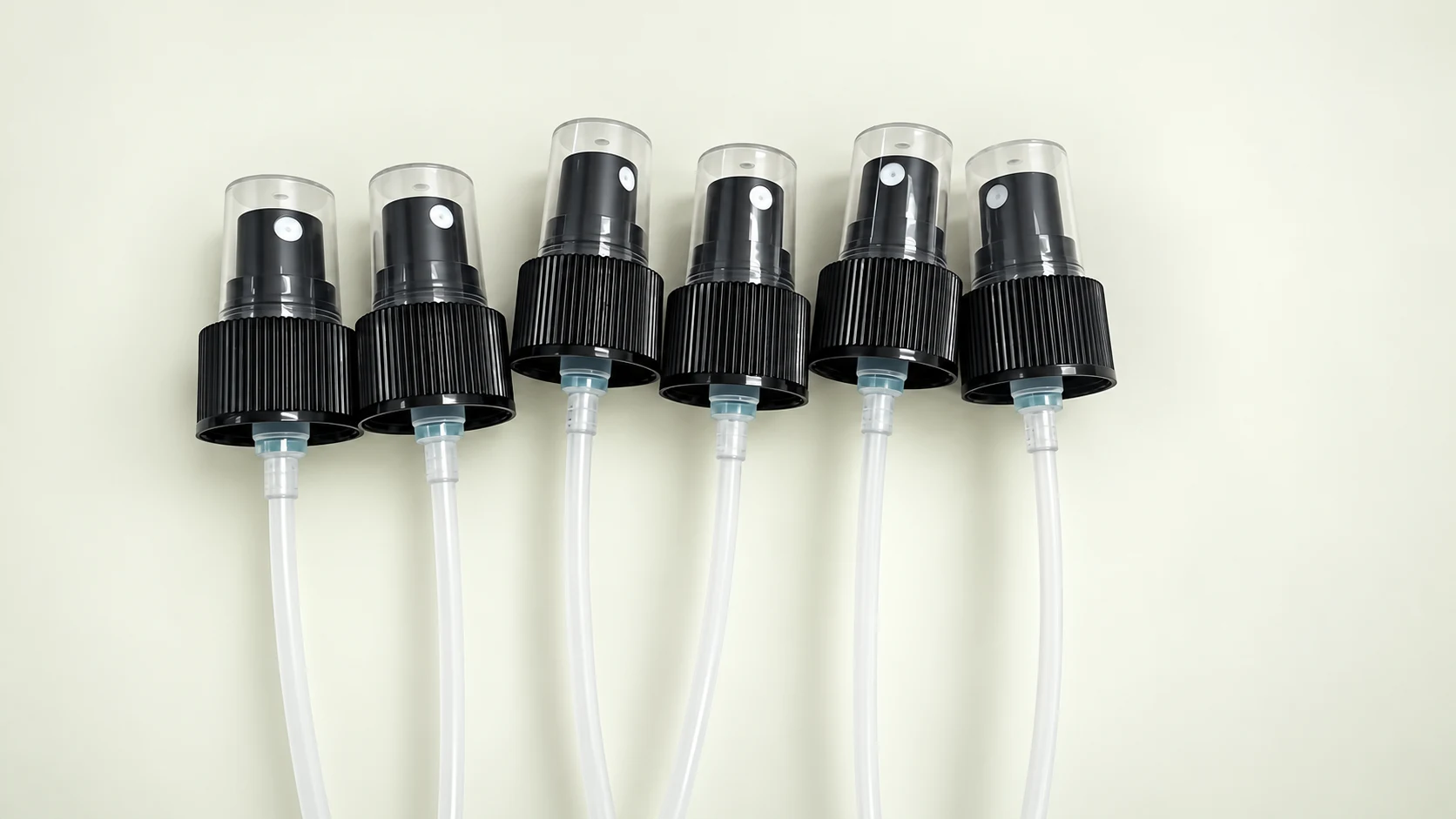
Components to discuss with your supplier.
These references share the component type discussed here. Confirm the selected assembly and application with samples.
Related articles
VIEW THE COMPONENTS