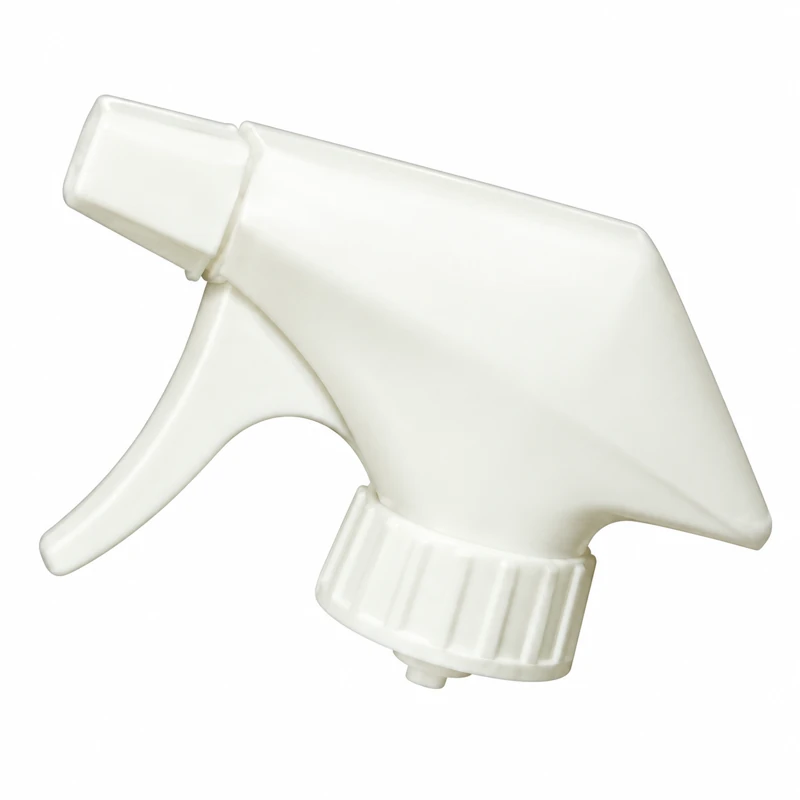
THE DECISION IN BRIEF
Should we choose the highest-output trigger sprayer to reduce the number of pulls?
Compare candidates on useful product deposited for the intended task, together with coverage, control and hand effort. Confirm output with the actual formula and a defined measurement method before selecting the configuration.
Start with the area or item being treated
A higher-output trigger may reduce repeated pulls, but the buying decision depends on what each pull achieves. A small spot treatment can require more control than broad-area cleaning. Describe the task, intended application distance, target material and product instructions before comparing catalog outputs. Include whether users must spread, wipe or leave the product after spraying.
Separate output from spray coverage. Two candidates can deliver similar amounts while placing them differently on the surface. A wide deposit may help one task and send product beyond another target. Compare the result of a complete user action rather than selecting a pump from the output figure alone.
Use nominal output to shortlist, then verify
Silgan lists several output options for TS800 PCR. This is an example of configuration choice within a trigger platform, not a specification for STDPAK's trigger range. Ask STDPAK to identify the output and nozzle combination proposed for your formula, including the conditions and method behind any quoted figure.
During sample evaluation, record priming separately from normal dispensing and use a consistent actuation method. If output is determined by mass, do not label that result as volume without a justified conversion using relevant density information. Note the formula condition, nozzle setting and assembly reference so another team can repeat the comparison.
Compare benefits with application costs
Use a task-based comparison sheet before assigning preference. The categories below identify questions to test, rather than universal performance rankings.
| Candidate behavior | Possible benefit | Tradeoff to check |
|---|---|---|
| Lower amount per pull | More incremental placement | More repeated actions for broad tasks |
| Higher amount per pull | Fewer actions for a required amount | Localized excess or runoff |
| Broad coverage | Faster coverage of a large target | Product deposited outside the target |
| Narrow coverage | More directed placement | Additional passes to cover an area |
Make the arithmetic honest
An illustrative calculation can help compare workload: if a hypothetical task used 12 mL, a hypothetical 1 mL full stroke would imply 12 strokes before accounting for real application losses. This is a planning example, not a recommended dose, measured output or acceptance criterion. Actual use may include incomplete strokes and product deposited outside the useful area.
Evaluate total product consumed for the defined task alongside the user's assessment of control. A nominally efficient pump can lead to extra application if users cannot judge the deposit. Conversely, a very small output may encourage rapid repeated squeezing. The preferred candidate should support the product instructions without depending on an unusually careful demonstration.
Resolve poor output before changing the target
If a candidate delivers less than expected, check whether it is fully primed, whether the tube arrangement matches the bottle and whether the nozzle is in the intended mode. Record whether behavior changes as the bottle empties. Request supplier review of a traceable sample rather than adjusting the claimed output to match a single observation.
Freeze the selected configuration only after formula compatibility, bottle fit and task performance have been reviewed together. Include the agreed output description and evaluation method in the approval record so a later nozzle or formula change triggers the right discussion.
Check whether the intended dispensing instructions assume full strokes or allow brief partial applications. Observe how people actually use the sample during the task. If the calculation assumes complete strokes while users repeatedly shorten them, the comparison needs to reflect that behavior before purchasing selects a nominal output.
Sources & further reading
Use the references below alongside the selected component drawing and agreed sample plan. Product-specific claims need product-specific evidence.
PRODUCT REFERENCES
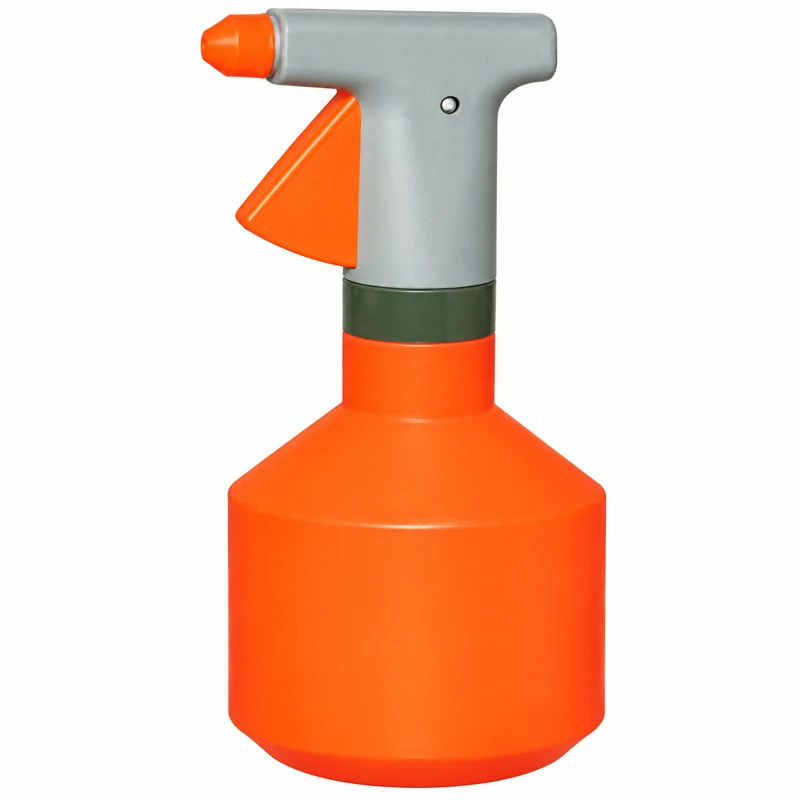
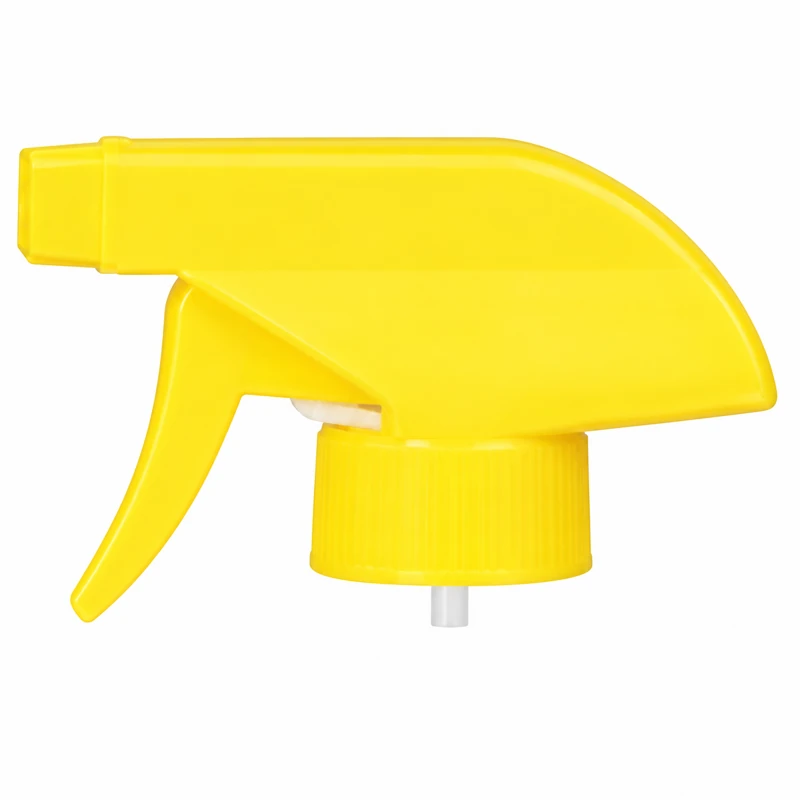
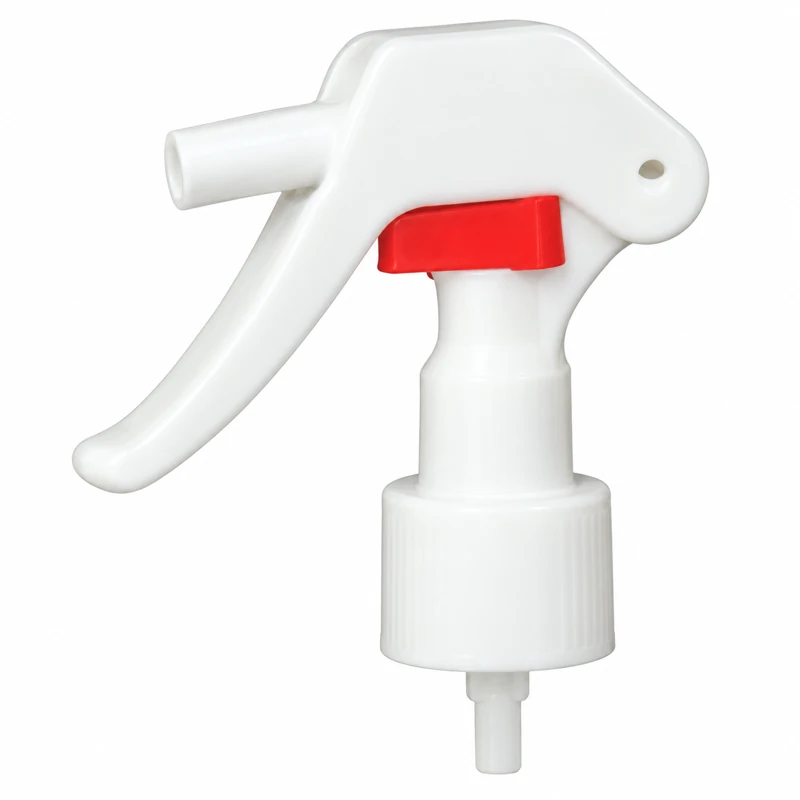
Components to discuss with your supplier.
These references share the component type discussed here. Confirm the selected assembly and application with samples.
Related articles
VIEW THE COMPONENTS