THE DECISION IN BRIEF
Liquid appears around the closure immediately after assembly. Is the pump seal defective?
Inspect the neck before pump application and preserve staged samples. Compare dry and wetted assembly conditions through the filler’s approved process before assigning the cause.
Observe the pack before closing
A wet ring after assembly may be product carried over from filling rather than leakage through a finished seal. Inspect bottles leaving the filler before the pump is applied. Record splash, drips, foam, and external neck wetting with formula and line settings identified.
Do not wipe every sample before documenting the stage. Keep examples from before filling, after filling, and after closure application. A sequence of identified observations can distinguish a pre-existing deposit from new leakage more effectively than examining the finished bottle alone.
Compare assembly stages
Berlin Packaging’s leak and package troubleshooting resources support selecting methods for the actual fault. Use a finished-seal assessment separately from a filling-cleanliness observation.
- Record neck condition immediately before application.
- Observe pump insertion and any displaced liquid.
- Inspect the closed pack before cleaning.
- Evaluate sealing after the approved assembly condition is established.
Choose the correction by origin
If liquid is already present, review filling access, nozzle withdrawal, fill target, and line handling with the filler. Do not change the pump gasket merely because it is located near the observed wetting. If liquid appears only during insertion, inspect the approved fill condition and displacement sequence.
If wetting continues after the pack is clean and standing untouched, investigate the actual sealing interface and outlet separately. Keep the original assembly intact where practical. A cosmetic wipe should not become evidence that a genuine leakage problem has been solved.
Release a controlled line instruction
Agree the required pre-application neck condition and the inspection stage. Any drying or cleaning step needs approval from the responsible product and process teams. Avoid introducing an unreviewed solvent or manual intervention to keep the launch moving.
Document the corrected filling and application settings, component revisions, and relevant finished-pack test results. Recheck after formula, bottle, fill target, or line-speed changes. Purchasing should distinguish a component conformity issue from a process condition that must be controlled by the filler, while ensuring that the released finished package meets the same acceptance brief.
Sources & further reading
Use the references below alongside the selected component drawing and agreed sample plan. Product-specific claims need product-specific evidence.
PRODUCT REFERENCES
Components to discuss with your supplier.
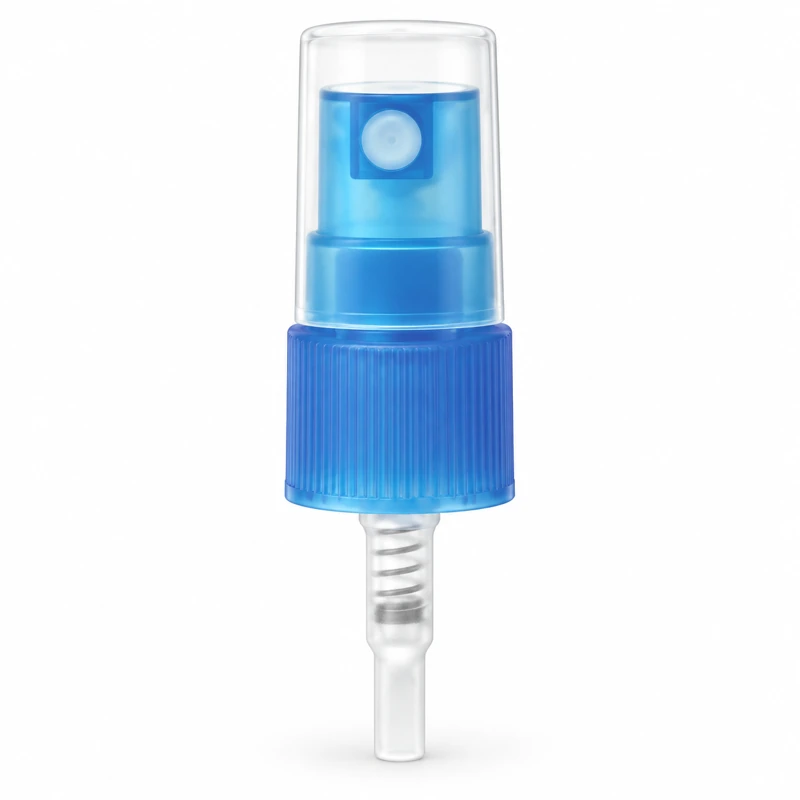
These references share the component type discussed here. Confirm the selected assembly and application with samples.

Related articles
VIEW THE COMPONENTS