THE DECISION IN BRIEF
Should our cleaning bottle offer spray, stream and foam options on the same trigger?
Offer only modes that the formula and use instructions can support. Compare the useful deposit and clarity of each control, and verify the exact nozzle configuration rather than assuming all modes are interchangeable.
More settings create more decisions for the user
A multi-mode nozzle can serve different application tasks, but it also asks users to identify the correct setting. Start with the intended product use. If the label describes only one application method, additional settings need a clear purpose. A feature that looks versatile in a quotation may create uncertainty on a wet bottle in a hurried cleaning routine.
Ask whether the proposed nozzle provides fixed positions, continuous adjustment or a separate foaming attachment. Obtain a sample showing the actual markings and movement. A product-family photograph cannot establish which positions will be supplied, and the word adjustable does not describe how clearly users can distinguish them.
Compare the modes through their application jobs
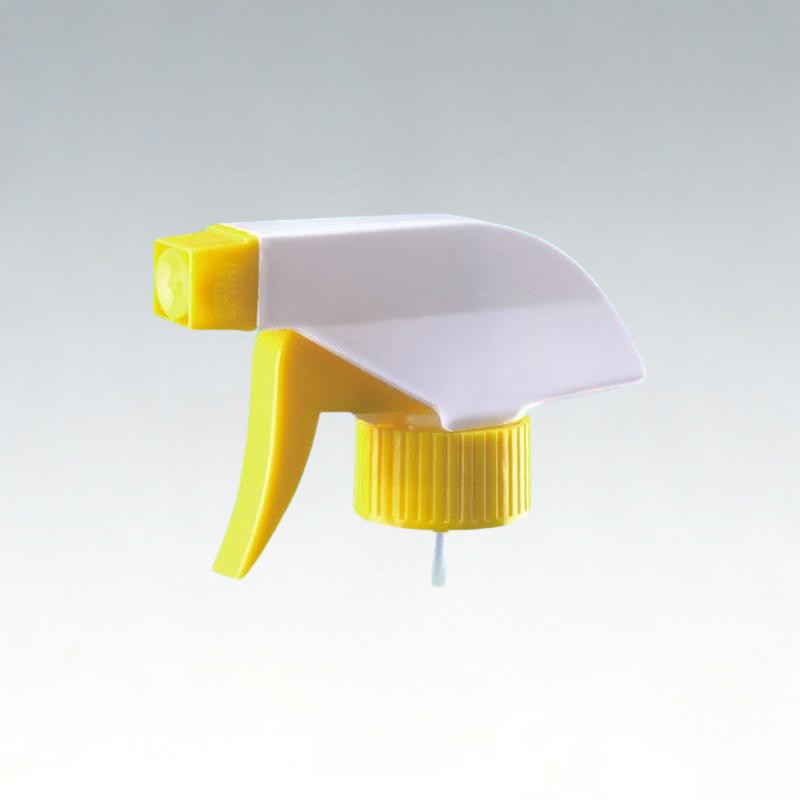
Silgan's TS800 PCR page describes spray, stream and foam configuration choices. That establishes that nozzle architecture is a purchasing variable, not that every trigger supports every option. A foam option still needs evaluation with the intended formula; the name alone does not demonstrate a useful foam deposit.
| Mode or control | Task to investigate | Potential difficulty |
|---|---|---|
| Spray | Coverage across the intended surface | Unwanted product beyond the target |
| Stream | Directed application to a defined location | Concentrated pooling or extra spreading |
| Foam | Visible application where the formula supports it | Poor foam quality or an unsuitable deposit |
| Off position | Storage and user handling | Ambiguous markings or incomplete engagement |
Test switching as well as spraying
Evaluate whether users can find the intended mode without coaching. Observe grip, visibility and the action required to change settings using the bottle in its expected condition. Record accidental switching, uncertainty and differences between the marked position and observed behavior. Use those findings to refine the configuration or instructions rather than assuming users will adapt.
Include a sequence that moves between the intended positions and returns to storage. Check the next dispensing action after a pause. Identify residue or wetness precisely, and distinguish liquid remaining at the nozzle after use from leakage during undisturbed storage. An off setting should be assessed as part of the actual package and shipping arrangement, not treated as a general transport guarantee.
Handle disappointing patterns systematically
If a nominal spray behaves like a narrow jet, verify the selected position, priming and sample reference before requesting a finer nozzle. Compare the production formula with the liquid used in the supplier's demonstration. Do not modify the formula casually to make a packaging sample look better; any formulation change belongs in the product's controlled development process.
If foam is weak or inconsistent, document formula identity, nozzle condition and handling, then ask the supplier to review whether the proposed design suits that formulation. Avoid adding a foam claim to artwork based on a water demonstration or an unrelated product. Where only one mode delivers the required result, a simpler nozzle may make the product easier to use.
Write the selected nozzle reference, markings and intended operation into the purchasing specification. Link it to the approved formula and bottle. A later nozzle substitution should be reviewed for pattern, user understanding and storage behavior, even when the closure still fits the same bottle.
Review the artwork together with the physical control. A label illustration showing a different nozzle can undermine otherwise clear instructions. Preserve the approved nozzle photographs and wording with the packaging specification so a later cosmetic change does not introduce a mismatch at production.
Sources & further reading
Use the references below alongside the selected component drawing and agreed sample plan. Product-specific claims need product-specific evidence.
PRODUCT REFERENCES
Components to discuss with your supplier.
These references share the component type discussed here. Confirm the selected assembly and application with samples.


Related articles
VIEW THE COMPONENTS