
Choosing a tinplate twist-off lid starts with the jar’s neck finish—not the lid’s colour or nominal size alone. Before ordering in bulk, compare the lid dimensions, check the jar drawing and confirm the sealing configuration for your packed product.
This guide explains how to read STDPAK’s supplied dimension reference, review the sealing arrangement and prepare a useful quotation request.
Tinplate material
The supplier describes tinplate as offering corrosion resistance, with application examples including jams, condiments and canned foods. Confirm the internal coating, sealing compound and suitability for your packed product before ordering.
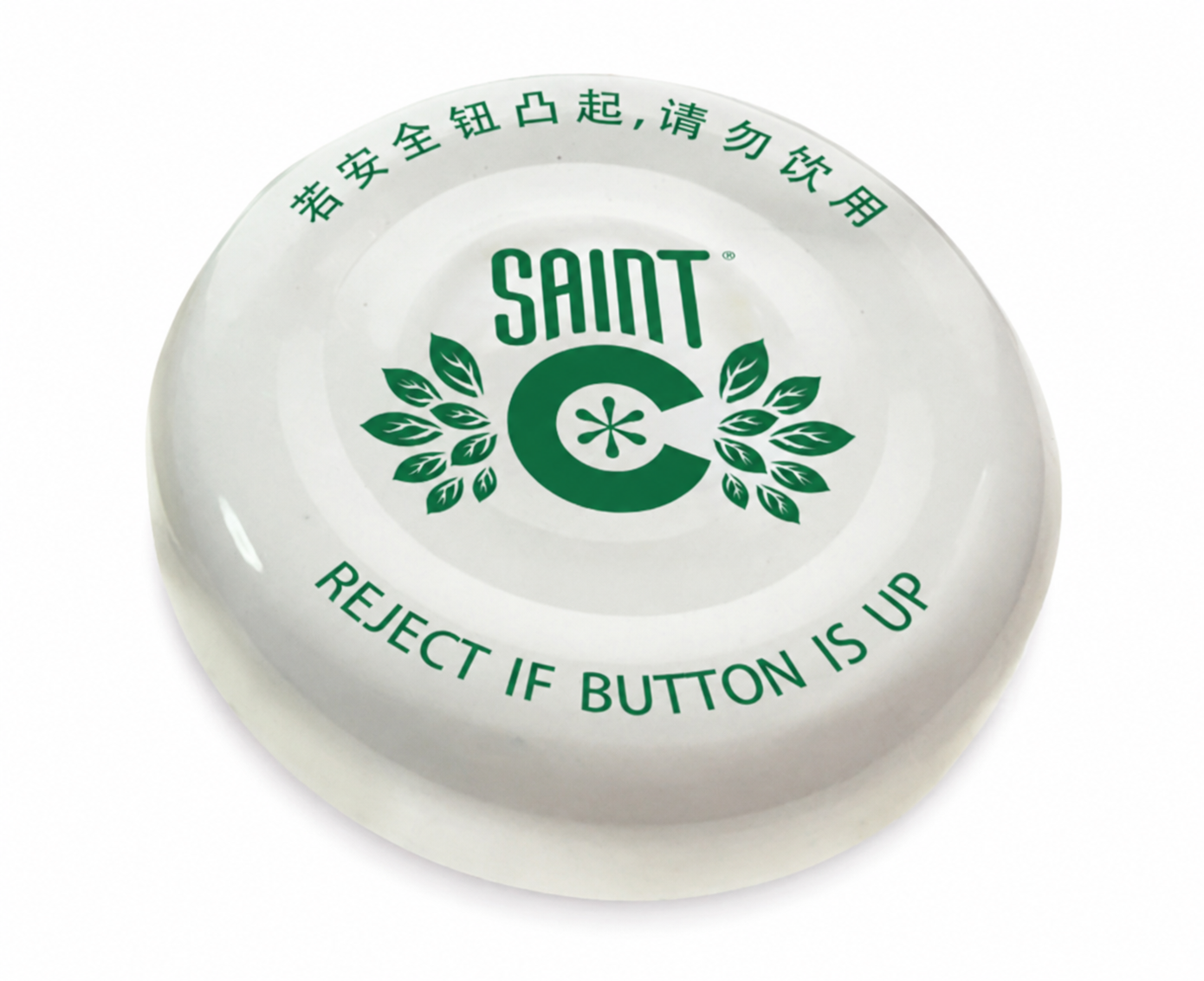
Printed lid example. The artwork and centre-button marking are illustrative; confirm the configuration for your order.
A lid reference is not its measured outside diameter
Names such as 43#, 63# and 82# are size references. They should not be read as the measured outside diameter of the finished lid.
For example, the supplied chart lists:
- 43#: lid outside diameter 44.75 mm, height 8.60 mm and four lugs.
- 63#: lid outside diameter 66.35 mm, height 9.70 mm and four lugs.
- 82#: lid outside diameter 85.05 mm, height 10.90 mm and six lugs.
This distinction matters when a buyer sends a measurement from an existing lid. If you ask for a “63 mm lid,” identify whether you mean the size reference or a measured dimension. Include a drawing or clearly labelled photograph to remove that uncertainty.
Tinplate twist-off lid dimension reference
All dimensions below are in millimetres. The latest chart supplied for this project lists nine size references and is a selection reference. It does not, by itself, confirm that every reference is available with every liner, finish or filling configuration.
| Lid reference | Lid outside diameter | Recommended jar thread outside diameter | Lid height | Lug count |
|---|---|---|---|---|
| 30# | 33.55 | 28.60 | 12.65 | 3 |
| 38# | 42.05 | 37.10 | 9.65 | 3 |
| 43# | 44.75 | 40.40 | 8.60 | 4 |
| 48# | 49.85 | 45.50 | 8.60 | 4 |
| 53# | 56.25 | 51.90 | 9.70 | 4 |
| 58# | 60.15 | 55.80 | 9.70 | 4 |
| 63# | 66.35 | 62.05 | 9.70 | 4 |
| 70# | 73.25 | 68.95 | 9.70 | 4 |
| 82# | 85.05 | 80.75 | 10.90 | 6 |
These values are selection references from the latest supplied chart. The chart notes that actual measurements may vary and that dimensions should be checked against the physical product. Agree the final dimensional tolerances on the approved drawing before ordering.
The recommended thread outside diameter is not the jar’s internal opening diameter. It is also not a complete neck-finish specification. Confirm the full jar drawing and sample fit before approving an order. The separate product summary lists 38#, 43#, 48#, 53#, 58#, 63#, 70# and 82#; the chart also includes 30#. Confirm current supply for your required reference, including 30#, in the quotation.
Match the complete jar finish
Lug designs
The supplier range uses three-, four- or six-lug designs depending on the lid size. Check the dimension chart and confirm the matching jar finish for the selected reference.
Start with the jar supplier’s drawing. Identify the specified finish and the dimensions needed to match the closure. Do not select a lid using the opening diameter alone.
For a lug closure, the arrangement of the jar finish and the lid’s lugs must be reviewed together. The lug count in the chart is useful for identifying a reference, but does not prove compatibility with an unknown jar.
If you are replacing an existing lid, provide both the jar and lid references. Photographs of the jar neck, the underside of the lid and the assembled package are useful alongside drawings. A physical sample can resolve details that are difficult to establish from a photograph.
Browse STDPAK tinplate caps and lids to identify the design you want to discuss.
Review the material, liner and internal coating
The supplier literature identifies the lid material as tinplate and the sealing material as PVC compound. Confirm the compound grade and configuration for the selected reference. It shows printed exterior finishes and lists jams, condiments and canned-food packaging as application examples. These examples help define an enquiry; they do not establish suitability for every food or filling process.
Sealing compound options
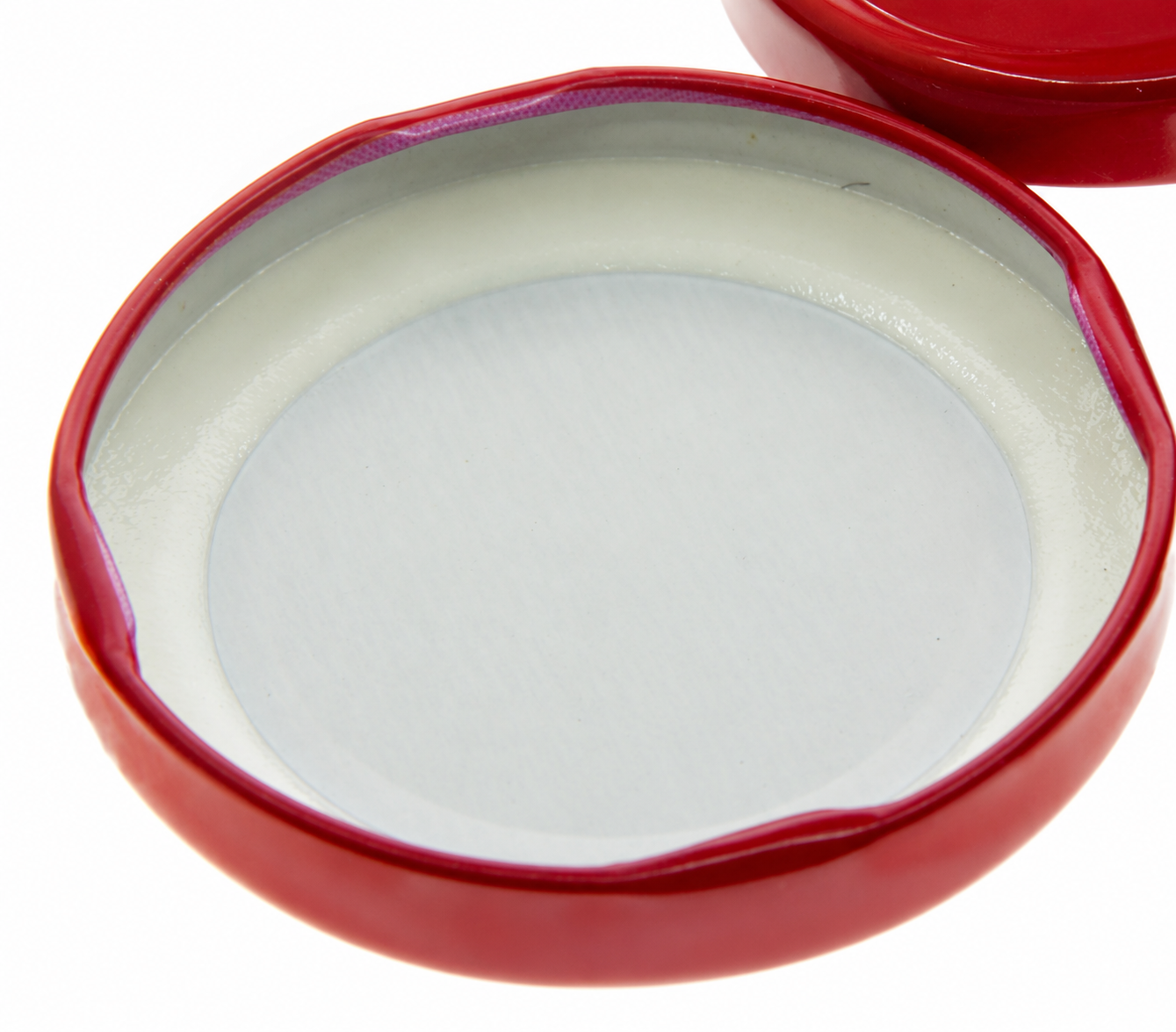
Different sealing compounds are selected according to the packed product and sterilization requirements. The supplier describes these options as providing an airtight seal; confirm the selected compound and sealing performance for your package.
Interior example showing the sealing ring. The image does not establish the compound grade, internal coating or tested performance.
The supplier literature states that different sealing compounds are selected for different contents and sterilization requirements. It also refers to a high-temperature compound option, without specifying a temperature range or processing conditions. Ask which compound is proposed for your product and process, rather than treating all lids as the same sealing configuration.
The material description does not identify the internal coating. Confirm that specification separately; the visible interior finish does not establish the coating chemistry.
Dimensional fit answers only part of the purchasing question. The sealing liner and internal coating also need to be reviewed for the packed product and filling process.
Tell the supplier what the jar contains, how it is filled and whether the package undergoes a heat process. Ask which liner and coating are proposed for the selected lid reference and which supporting documents are available for that configuration.
Do not assume that a matching lid size establishes suitability for hot filling, pasteurization or another process. Agree the applicable configuration and validation requirements with the supplier and your filling team.
Printed finishes and application examples
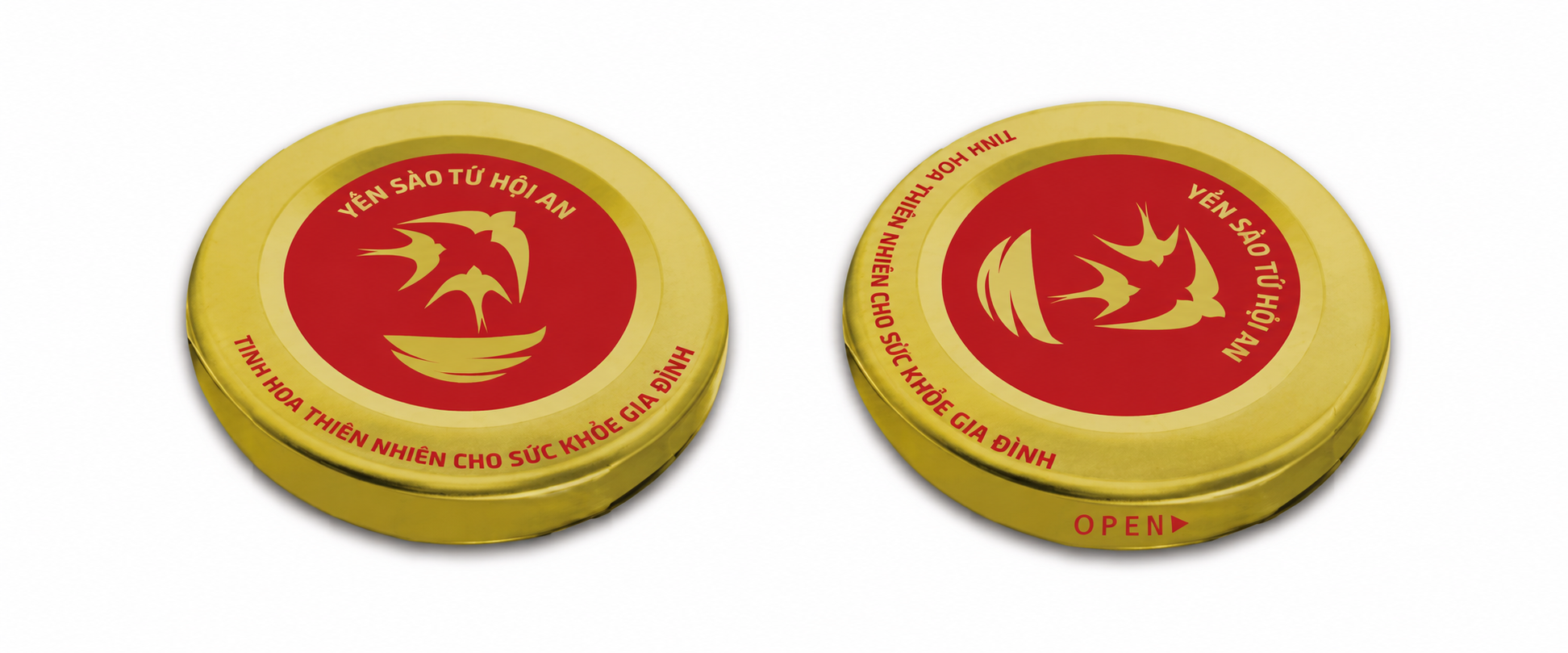
The supplied examples show white and gold lids with printed graphics. If you need a branded lid, provide the artwork, colour requirements and selected size for review. Printed customization has a minimum order of 100,000 pcs. This is separate from the 30,000 pcs minimum for standard, non-custom-printed lids. Confirm the available decoration options for your selected reference in the quotation.
Smooth surface finish
The supplier describes the tinplate exterior as clean, smooth and rounded.
Three-, four- and six-lug designs
Lug count varies by reference size. Use the dimension table to select the appropriate reference, then confirm fit with the complete jar drawing and sample.
Printed finish examples. The brands shown are not presented as STDPAK customers or endorsements.
The application material illustrates jars for sauces, condiments and other food products. For your own project, identify the contents and process conditions, then review the lid, liner and jar together.
Prepare artwork and agree the sample process
The supplied customization information covers logos, text, colours and graphics. Send your artwork with the selected lid reference, required colours and print-position requirements. If you need design assistance, describe the brief and confirm the service scope and any charges in your quotation.
The supplier information describes sample preparation after the contract is signed, followed by customer confirmation before mass production. Agree the sample format, timing, costs and approval process for your order. Keep the approved artwork and sample linked to the final specification.
For a non-standard lid or a project based on an existing sample, provide the drawing or sample details before requesting a quotation. Availability and any development requirements need to be reviewed for the specific project.
Approve a sample before bulk production
Keep the selected jar, lid and packed-product requirements together during approval. Record the lid reference, jar drawing revision, sealing configuration and required appearance.
Define the checks and acceptance criteria for the project before production. These may include how the lid is applied and removed, the assembled fit and any required filled-package review. Describe these as agreed checks; do not treat an untested sample as proof of a sealing or shelf-life result.
When the jar, filling process or lid configuration changes, review which approvals need to be repeated.
What to include in your quotation request
For a useful quotation, send:
- The required lid reference or measurements of your existing lid.
- The jar neck drawing or sample details.
- The packed product and filling process.
- The preferred colour, finish or printing requirements.
- The order quantity, delivery destination and sample needs.
Order quantities:
- Standard lids without custom printing: 30,000 pcs minimum.
- Custom-printed lids, including logo printing: 100,000 pcs minimum.
- Stated production lead time: 35–45 days; confirm the start point and final schedule after the configuration and approval steps are agreed. Sample preparation and transit arrangements should be clarified separately.
If you require several sizes or printed designs, provide a quantity breakdown and confirm how the MOQ applies to each configuration. Do not assume quantities across different sizes, colours or artworks can be combined.
The quotation brief should also include material and thickness requirements, dimensions or style, colour, process, quantity and delivery destination. Request a quotation for the exact configuration; there is no fixed unit price in this guide.
Request a tinplate lid quotation. In your message, include your jar drawing, preferred lid reference and quantity so our team can review the project requirements.
Frequently asked questions
Is a 63# lid exactly 63 mm across the outside?
No. The supplied reference lists an outside diameter of 66.35 mm for 63#. Always distinguish the lid reference from the dimension being measured.
Can I choose a lid from the jar’s opening diameter?
The opening diameter alone is insufficient. Confirm the complete neck finish, drawing and sample fit.
Does the chart confirm suitability for hot filling?
No. The chart provides dimensions and lug counts. Liner, coating and filling-process suitability require separate confirmation.
What is the minimum order for custom-printed lids?
Custom-printed lids have a minimum order of 100,000 pcs. Standard lids without custom printing have a minimum order of 30,000 pcs. Confirm the quantity breakdown for multiple sizes or designs in your quotation.
Can you help with artwork?
Provide your artwork or describe the design you need. Ask for the scope, charges and sample-approval process to be confirmed with the quotation.
What if I do not know the lid reference?
Send the jar drawing and labelled photographs of the existing lid and jar neck. Include a sample if needed to resolve the configuration.
Request a quote or samples
Share your requirements so we can review the right configuration. You can also email [email protected].