THE DECISION IN BRIEF
The dropper has a breakaway band. Can we describe it as child-resistant?
Do not treat the claims as interchangeable. Identify the feature and obtain the evidence required for the selected bottle-and-closure combination and intended market before making either claim.
Name the feature before making the claim
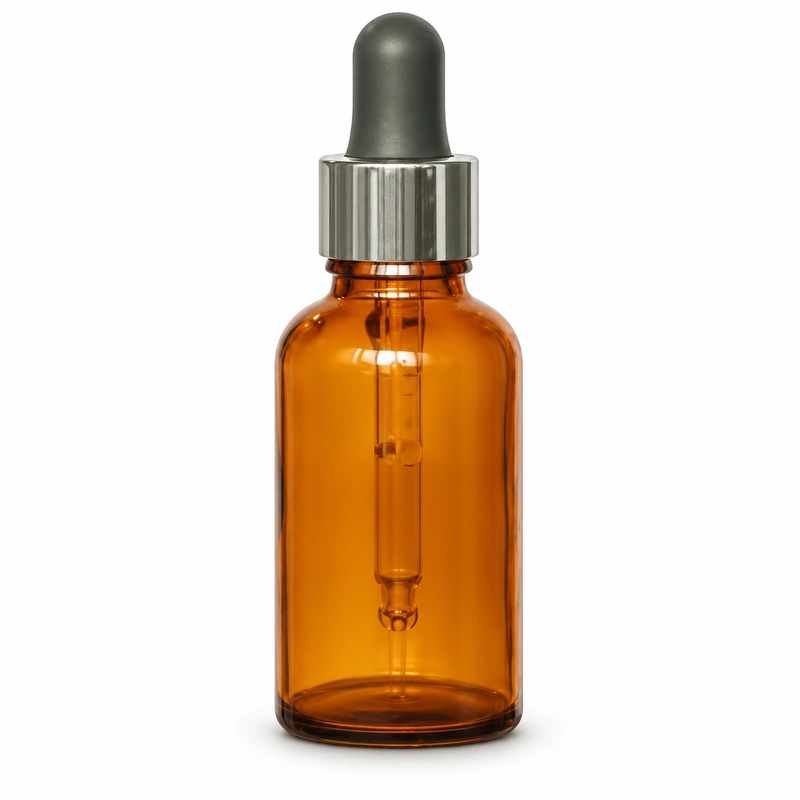
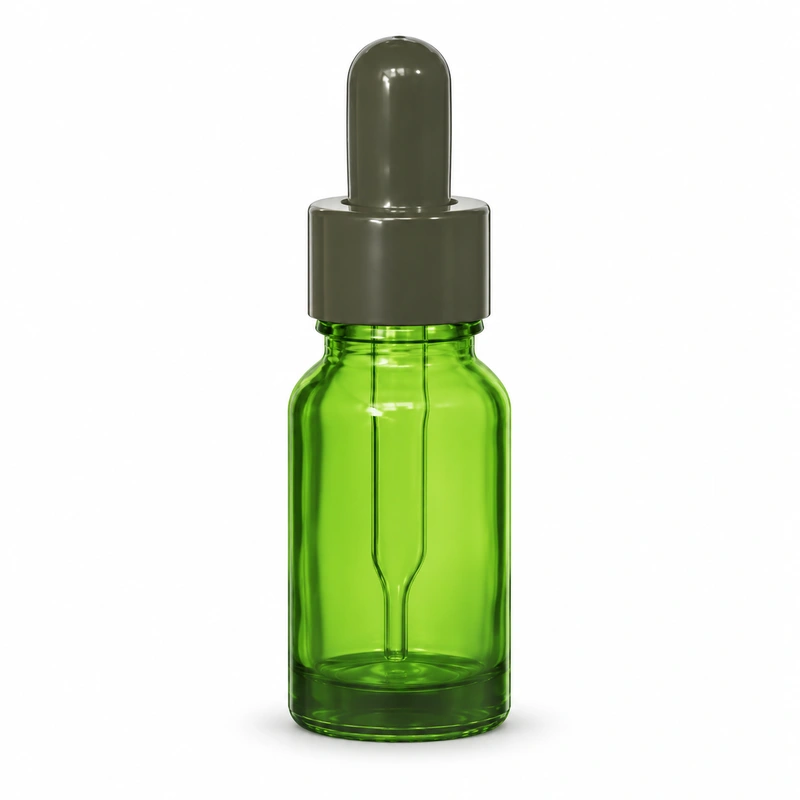
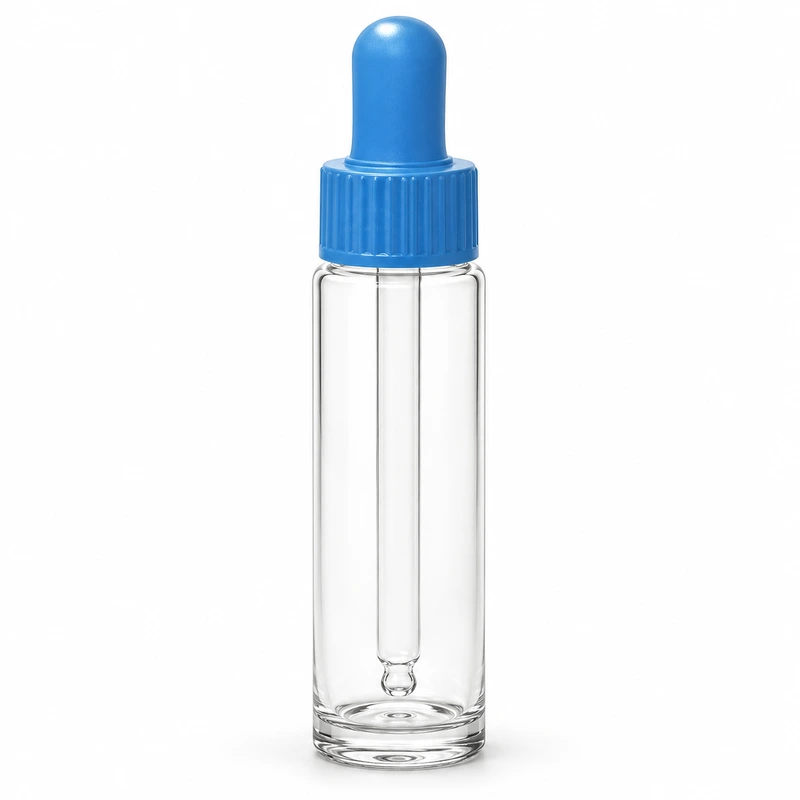
A stepped collar, breakaway-looking ring or unusual opening movement can be visible in a catalogue image. That appearance does not identify the mechanism or establish a safety claim. Ask the supplier to explain the closure’s intended function and provide the exact assembly reference rather than relying on a family photograph.
Keep tamper evidence and resistance to opening by children as separate procurement questions. One visible feature should not be shorthand for the other. If the finished product needs a particular claim, have the responsible compliance team define the requirements for the destination and product before selecting the closure.
Check what the documentation actually covers
When a supplier provides a report or declaration, compare its named components and configuration with the proposed order. Check the bottle, closure, materials, revisions, preparation and stated conditions. A document belonging to another neck, bottle or mechanism may be useful background but does not automatically cover the selected pack.
Ask the supplier and responsible specialists to identify gaps rather than interpreting them informally. A marketing description, an internal demonstration and an applicable evaluation report serve different purposes. Keep evidence available for review and avoid copying claims from an unrelated product page because the collars look similar.
Inspect the opening sequence on samples
Use representative production-intent assemblies to review application, first opening and subsequent use. Record the action required and condition of any band, ring or other feature after opening. Identify parts that remain attached, separate or interfere with resealing, and discuss unexpected behaviour with the supplier before approval.
Keep usability observations separate from formal claim verification. An adult finding a sample difficult to open is not proof that it meets a child-resistant requirement. A visible band is not sufficient evidence that every production sample will show the intended first-opening indication. Define inspection and evidence with the responsible team.
Control the approved combination
Identify the approved bottle and closure configuration on the purchase specification. State which features and documentation are required and how substitutions will be handled. A generic reorder description can allow a different ring or closure construction to arrive under the same visual product name.
If the intended market, formula, bottle, closure or filling arrangement changes, ask the compliance and packaging teams what must be reviewed again. Keep consumer instructions and product-page wording within the evidence for the finished pack. Until a claim is verified, describe only the observed appearance and details still requiring confirmation.
PRODUCT REFERENCES
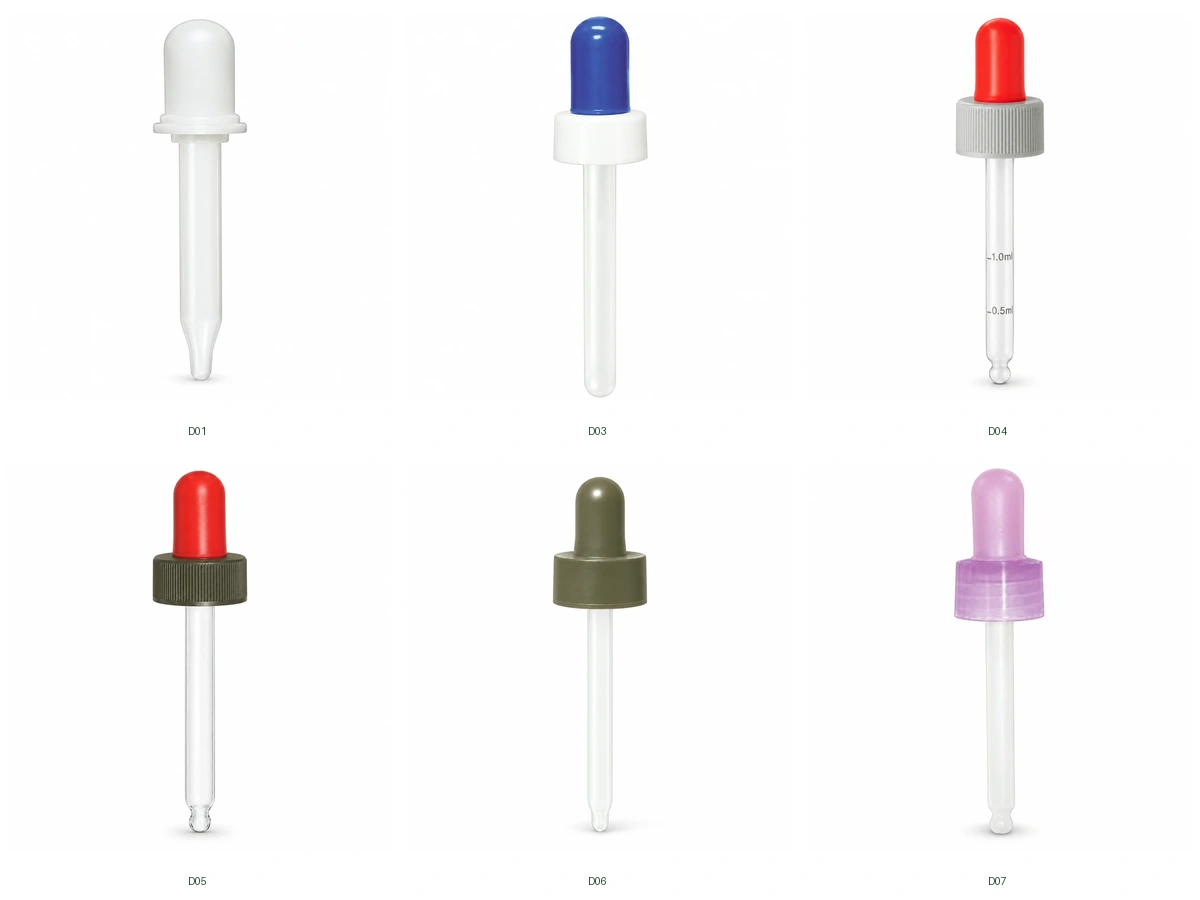
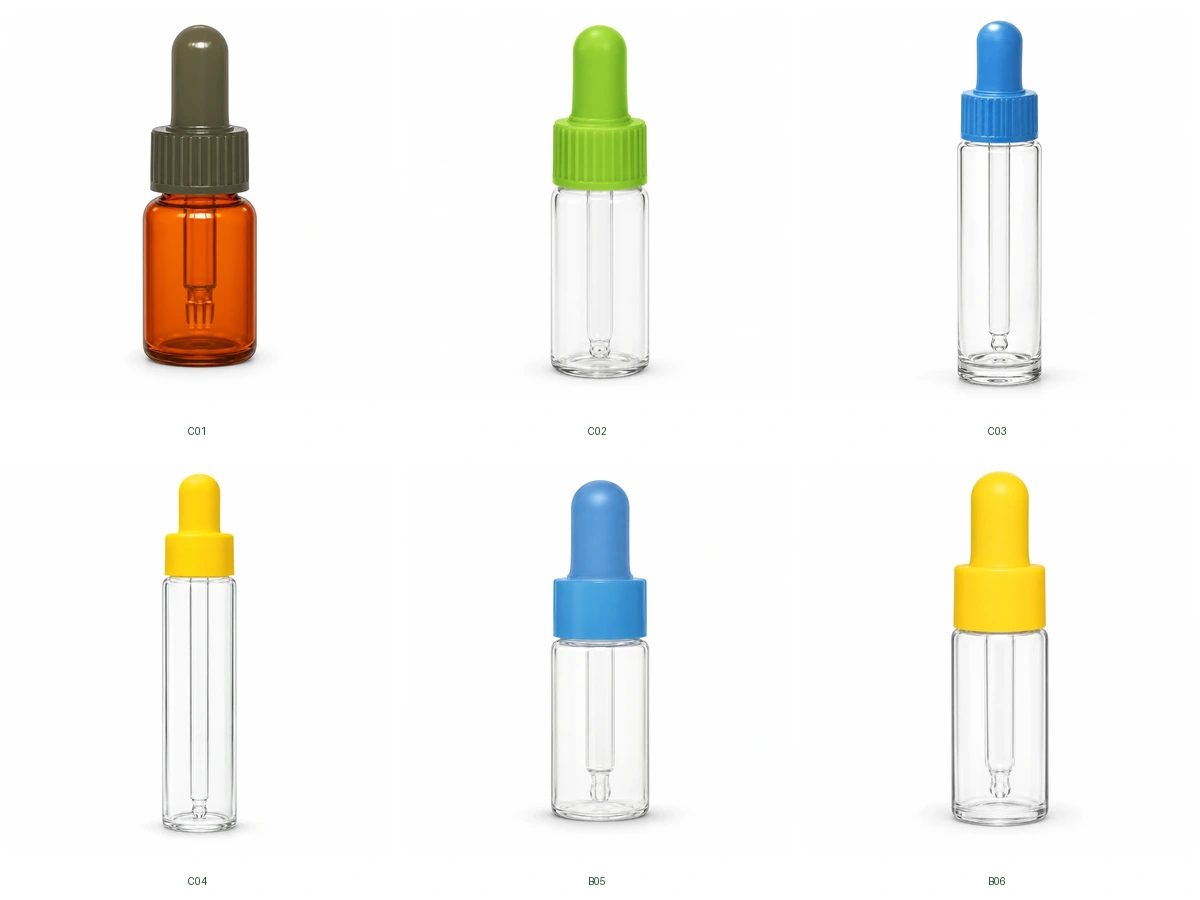
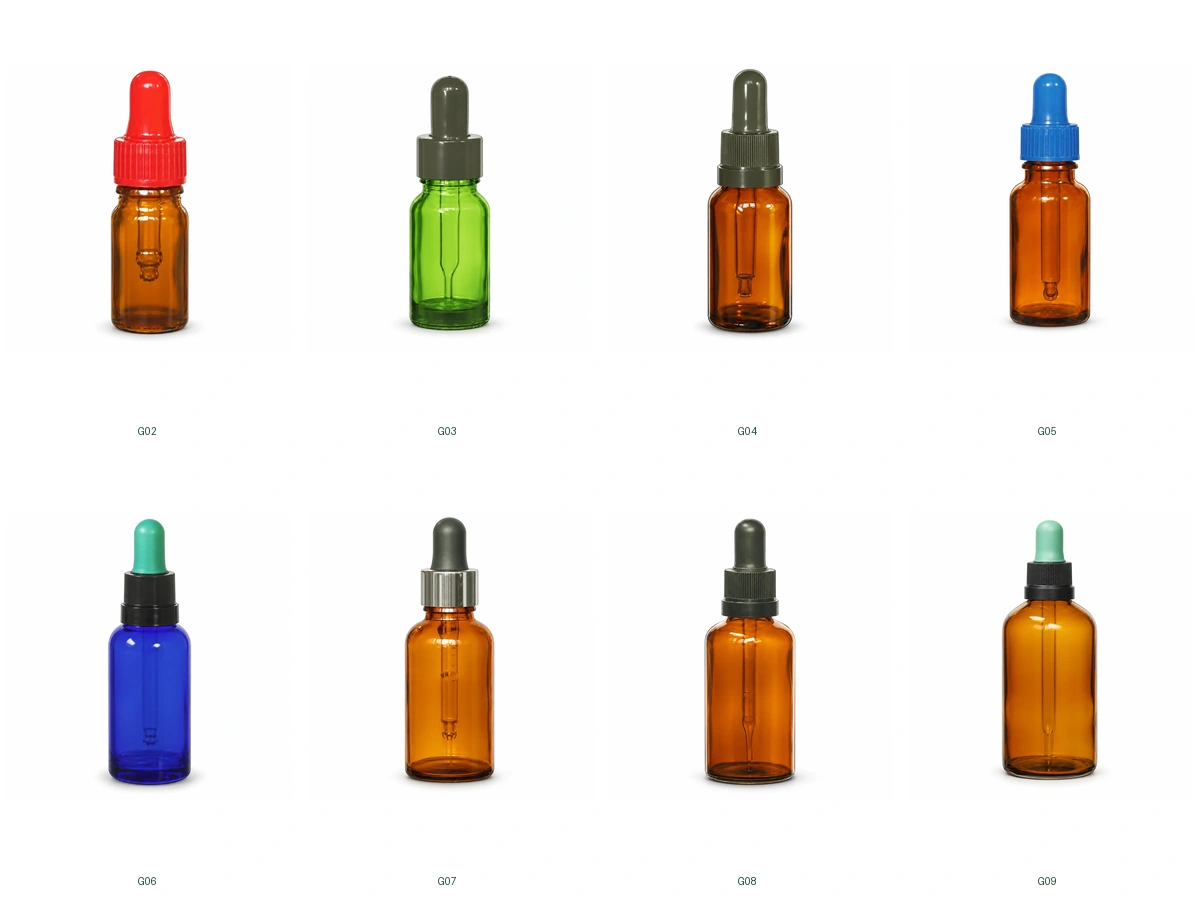
Components to discuss with your supplier.
These references share the component type discussed here. Confirm the selected assembly and application with samples.
VIEW THE COMPONENTS