THE DECISION IN BRIEF
The bulb looks unchanged after a short trial. Can we approve compatibility?
A short visual check is only one observation. Identify the actual materials and evaluate stored and in-use assemblies with the intended formula under an agreed plan.
Identify what the formula can contact
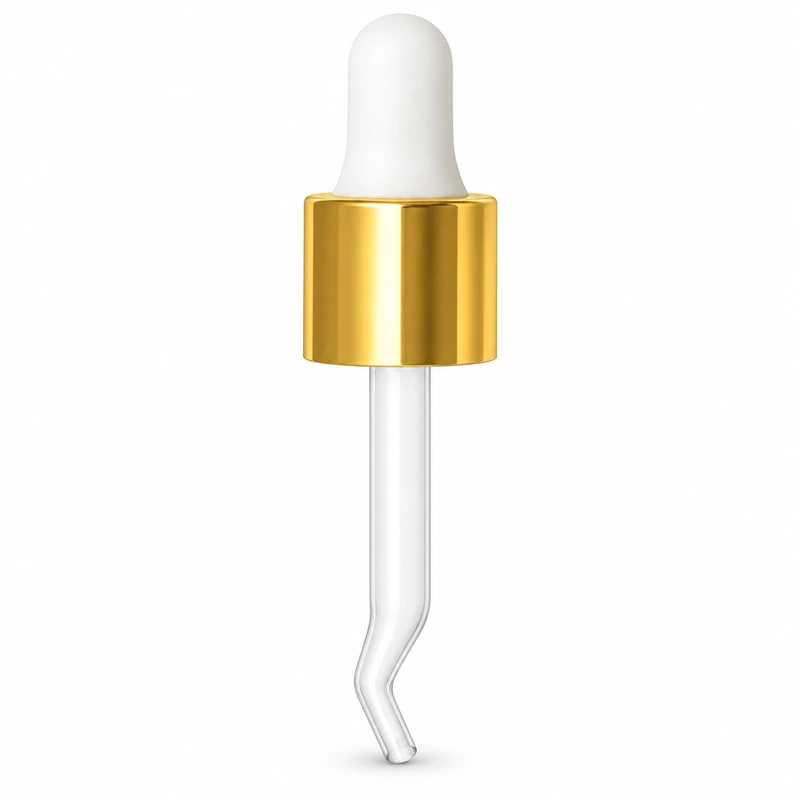
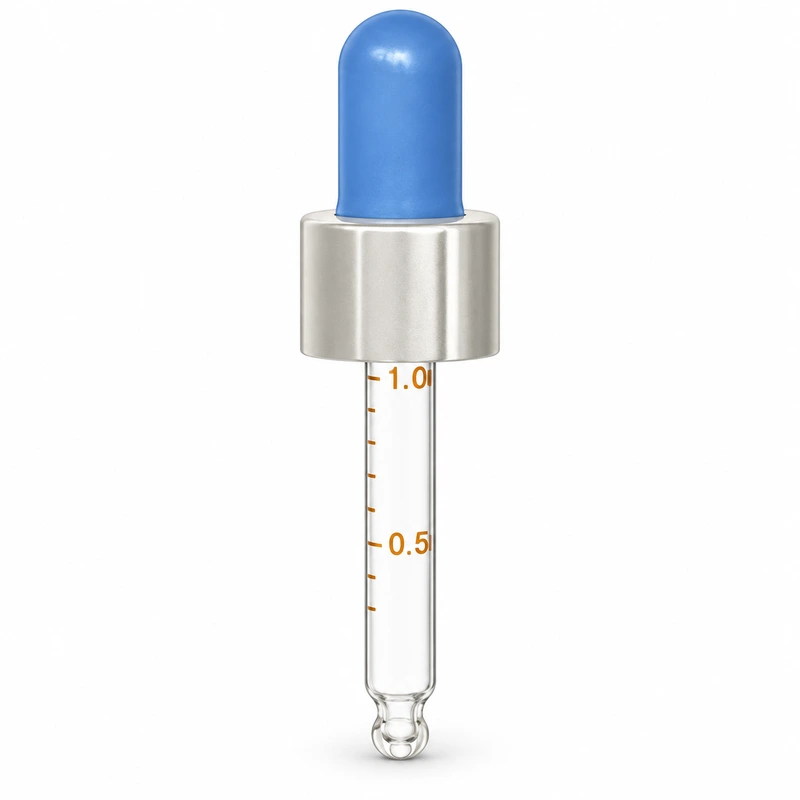
Ask for the selected construction, including the bulb, sealing element, pipette and other parts that can contact liquid during filling, storage or use. A catalogue description such as rubber bulb does not identify a specific material grade. Colour and softness are not substitutes for a material specification.
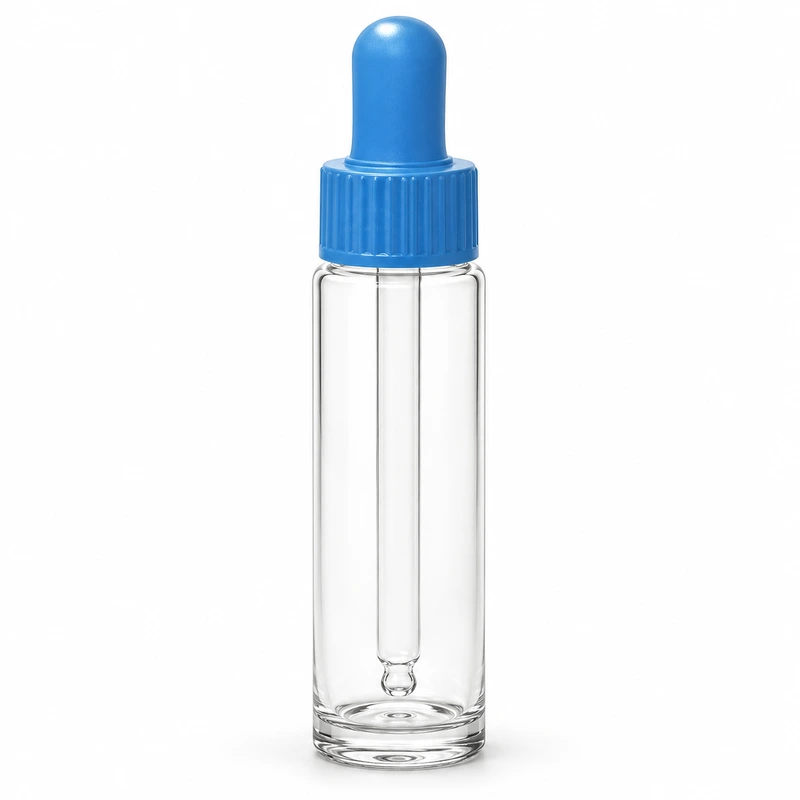
Describe realistic contact paths to the supplier. The bulb may see different exposure when a bottle is carried horizontally, overfilled, shaken or repeatedly used. Do not restrict the review to liquid standing below the closure if distribution and handling can bring formula into contact with other parts.
Give the supplier a usable formula brief
Share the information needed to evaluate the application through an appropriate confidential process. Include relevant solvents, oils, fragrances, pH where applicable, filling conditions and planned formula changes. A broad label such as face serum can describe very different liquids. The supplier cannot approve a material combination from a marketing category alone.
If the formula is still being developed, identify the version used for sampling and state which ingredients or concentrations remain open. A successful trial on an early version belongs to that version. Keep the supplier involved when the liquid changes instead of carrying the previous packaging decision forward without review.
Observe function alongside appearance
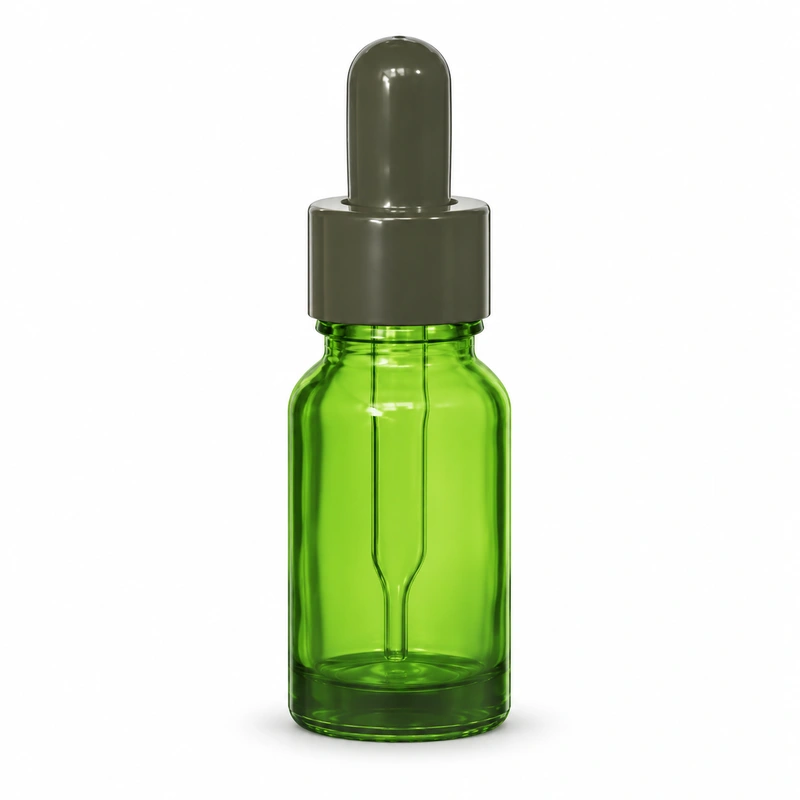
Build the trial around filled assemblies and representative handling. Agree storage conditions, orientations, observation points and sample quantities with the responsible teams. Compare retained controls where useful. Record changes in bulb appearance, feel, recovery, liquid uptake, odour, leakage and the ability to close and reopen the pack without unintended transfer.
Preserve each observation and its context. A photograph documents a visible change but cannot establish its cause or full material suitability. If uptake declines, compare the bulb, pipette and formula condition before requesting a different colour or firmer bulb. Change one relevant variable at a time during diagnosis.
Define the approval boundary
The final record should identify the tested formula, complete dropper reference, material information supplied, bottle, filling conditions and agreed evaluation. Separate open questions from approved points. Avoid wording that implies suitability for all oils or cosmetic formulas; that exceeds what a selected application trial can establish.
Ask how the supplier will notify you of material or construction changes. Keep that requirement with reorder documents and retain approved assemblies for comparison. If a material is substituted or the formula is reformulated, decide what needs repeating before shipment. Preserve the evidence behind the buying decision, not just its conclusion.
PRODUCT REFERENCES
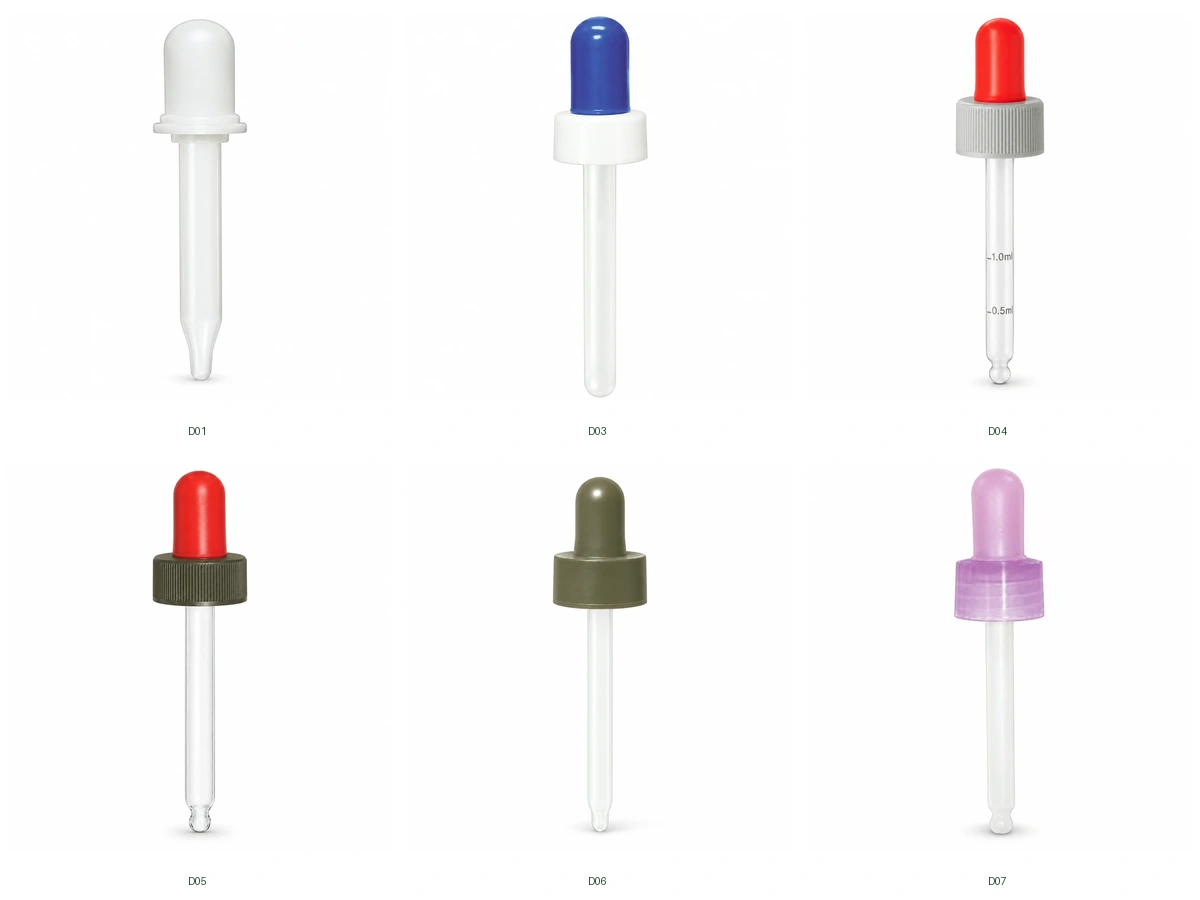
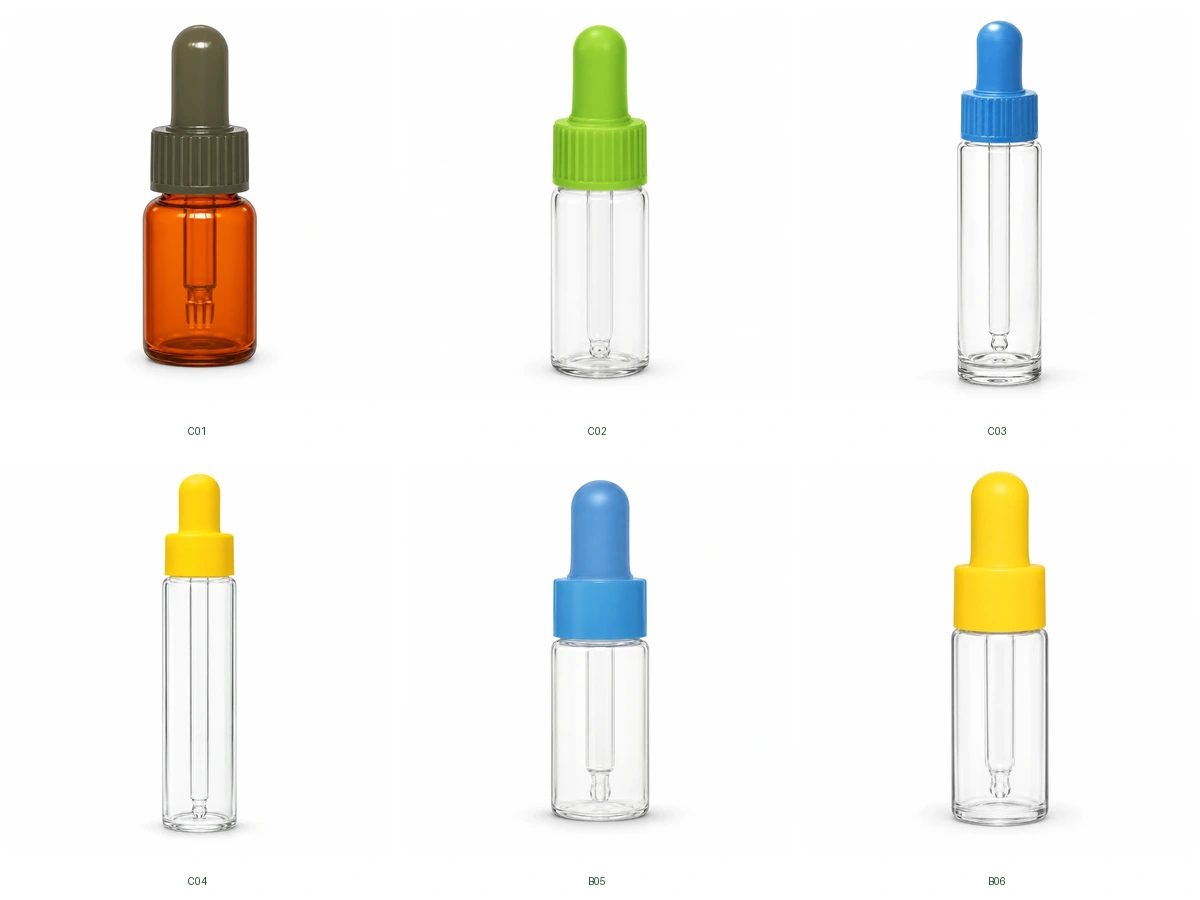
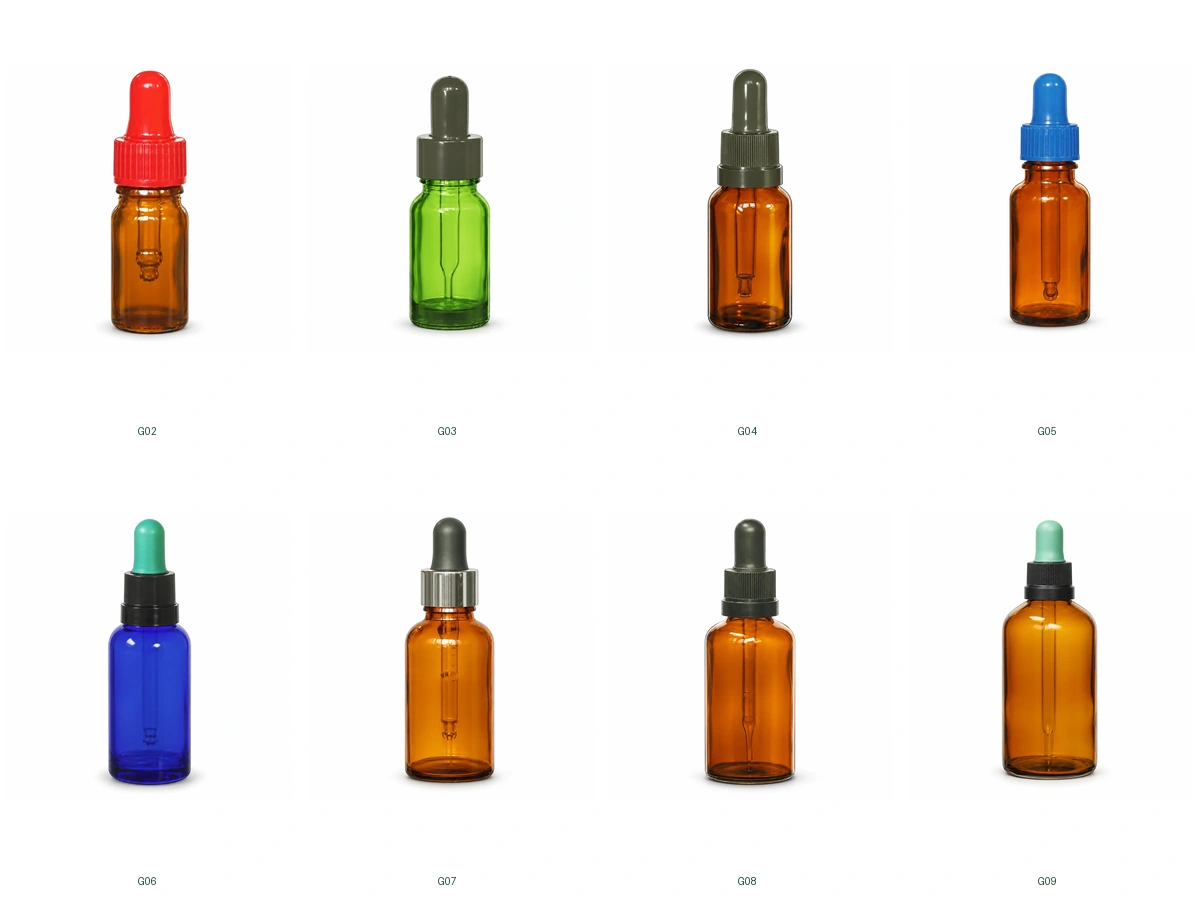
Components to discuss with your supplier.
These references share the component type discussed here. Confirm the selected assembly and application with samples.
VIEW THE COMPONENTS