THE DECISION IN BRIEF
What should we send with a catalogue image for a useful quotation?
Identify the pictured reference, contents, bottle and dropper requirements, quantity and destination. Separate confirmed specifications from open choices, then agree the evidence needed for sample approval.
Make the supply scope clear
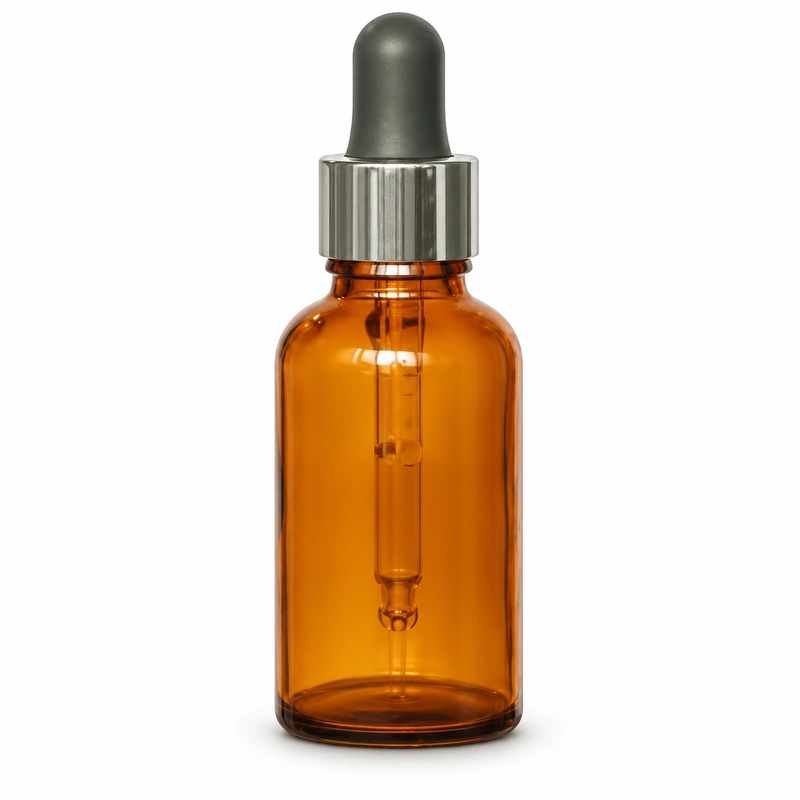
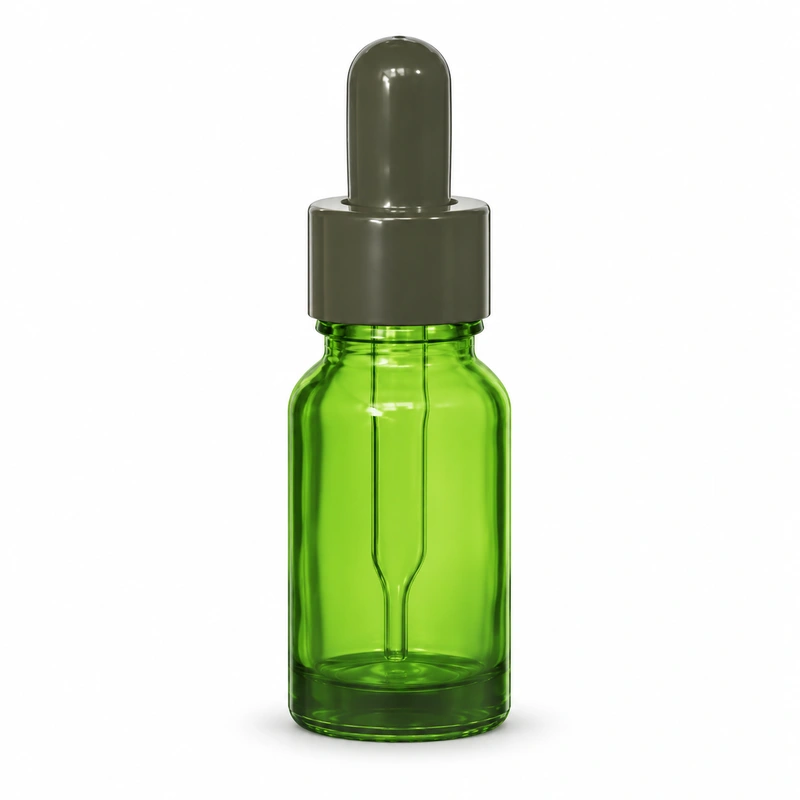
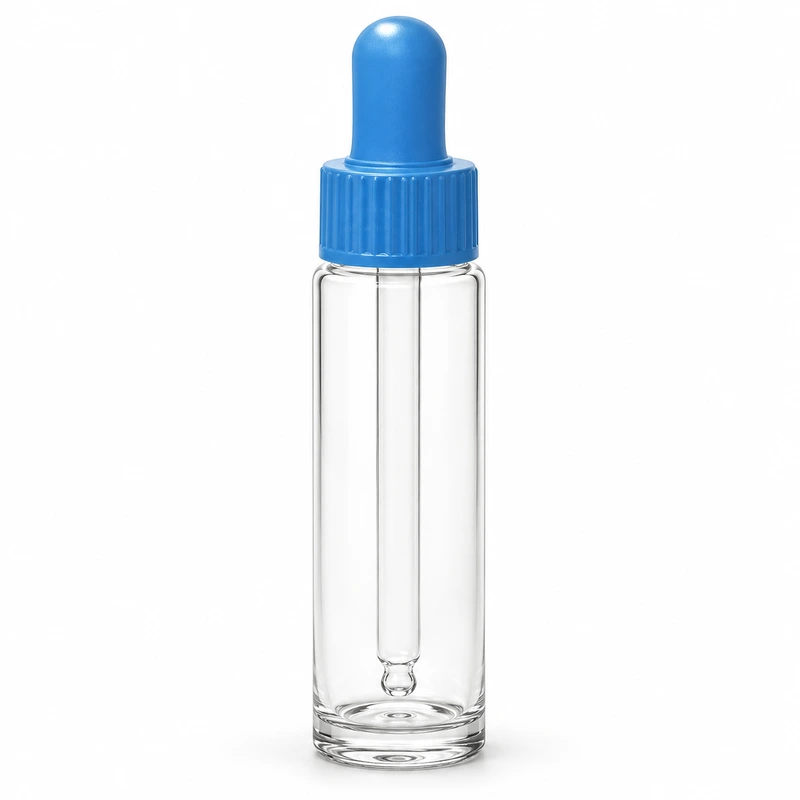
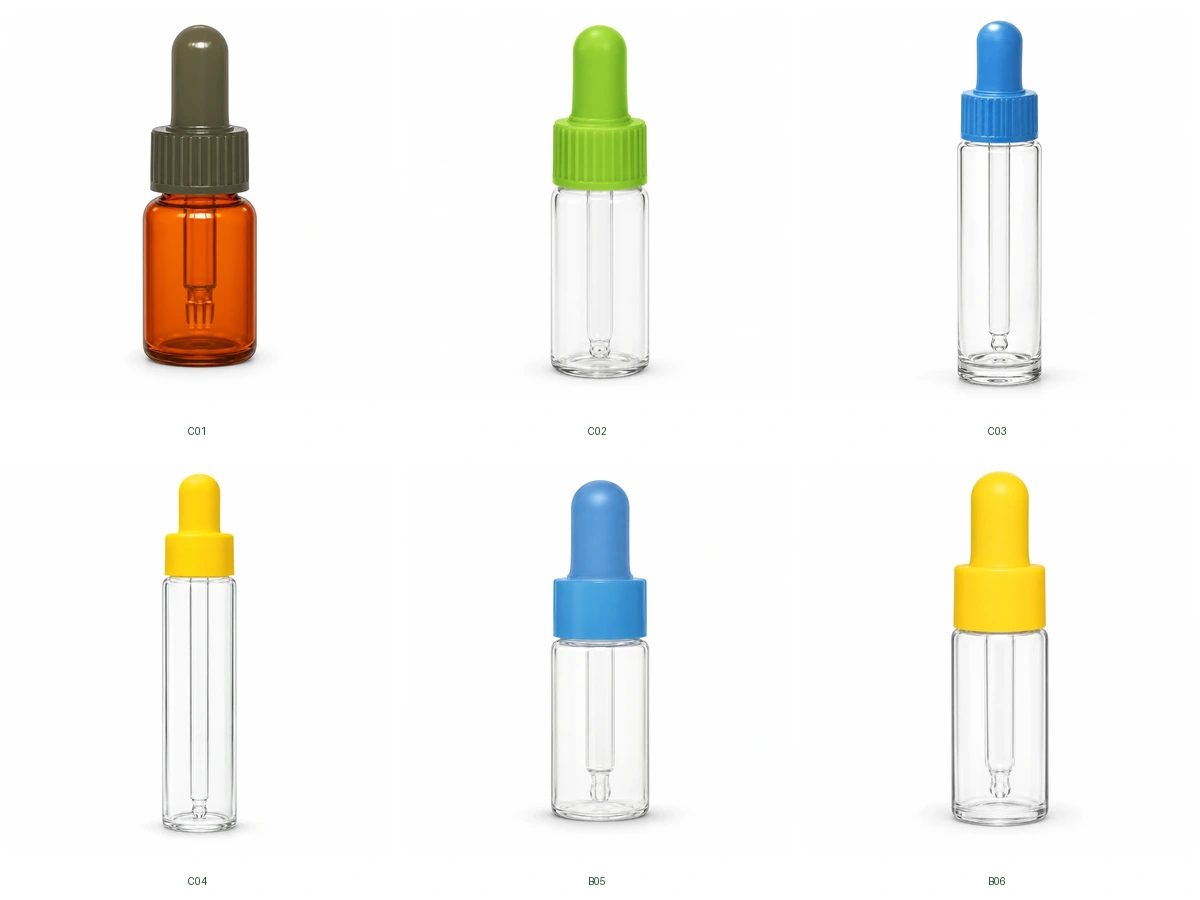
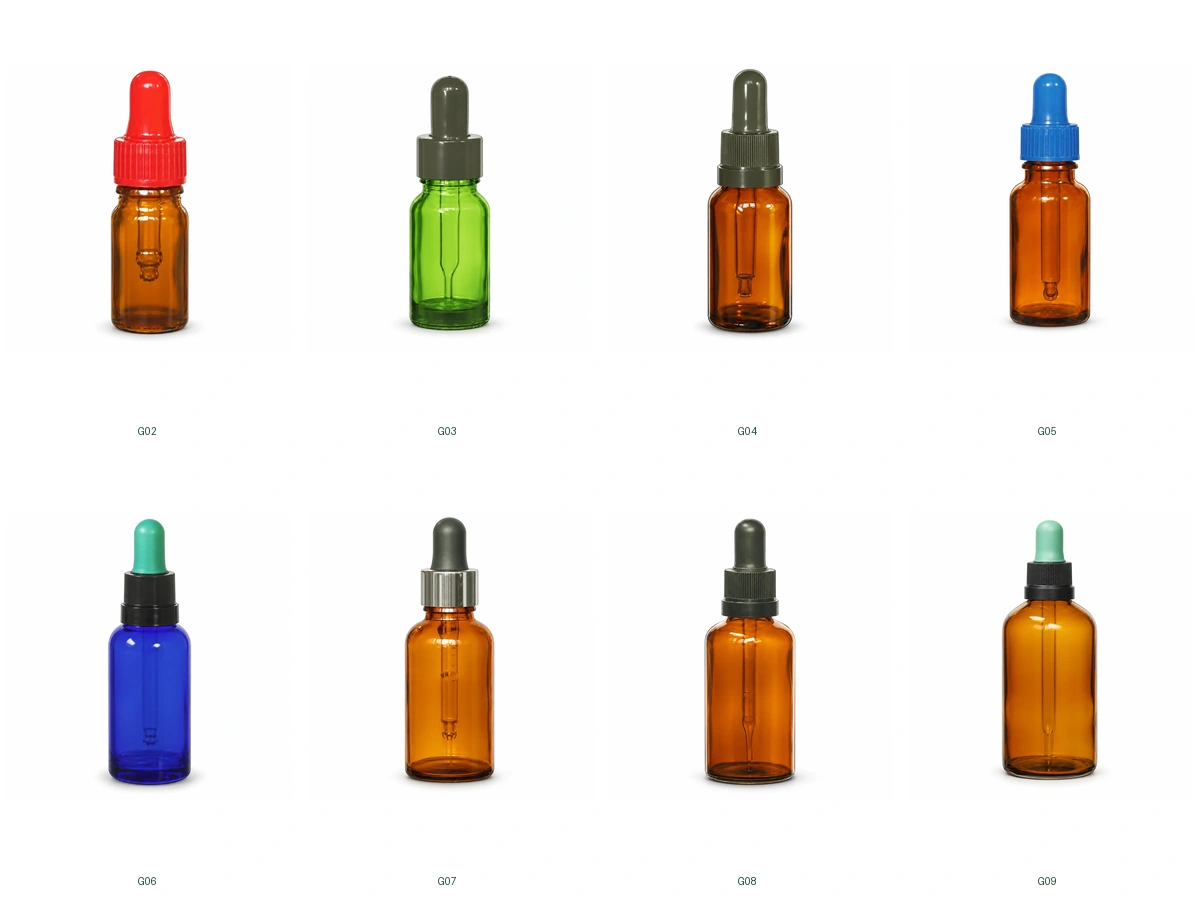
State whether you need empty bottles, dropper assemblies or matched bottles supplied with droppers. Identify the catalogue image and particular appearance within it. If several colours or sizes share one picture, mark the requested reference so the supplier does not have to infer which item the enquiry concerns.
List capacity and material only where confirmed, distinguishing nominal capacity from intended fill. Include the bottle drawing or physical sample when available. If a dimension comes from an old pack, identify it as a reference to review rather than declaring it the specification for a new construction.
Explain the dispensing task
Describe the formula and the way the dropper will be used. Include information relevant to material contact, uptake and release, using a confidential process where necessary. State whether graduations are a visual aid or part of a defined delivery requirement. Explain the intended action and acceptance basis instead of simply requesting accuracy.
Give the desired pipette geometry, bulb appearance, collar finish and opening features, identifying open decisions honestly. A supplier can offer options when the brief separates requirements from preferences. Combining every catalogue feature into one assumed specification makes quotations look comparable while leaving the actual construction unresolved.
Include the commercial conditions
Provide quantity by reference and colour, delivery destination, desired schedule and packing arrangement. Ask what the quotation includes: assembly, decoration, protective packing, sampling and other requested services. Do not assume a price for a pictured complete pack covers every component and operation shown.
Request confirmation of minimum order quantities and lead time for the selected configuration. Keep sample preparation, evaluation and production timing distinguishable. A delivery target should allow teams to review the package rather than treating the date on a quotation as evidence that compatibility or fit has already been approved.
Turn the sample into a release record
Before samples arrive, agree what will be reviewed: appearance, closure fit, pipette clearance, formula contact, uptake and release, leakage, handling and packing as relevant. Identify responsible people and acceptance methods. A sample is more useful when everyone knows which decision it should resolve.
Keep component references, drawings, formula version, approval observations and unresolved points together. Record changes requested after the first samples and obtain the revised configuration for review. Attach the agreed specification to the order and define how future substitutions will be communicated. Explain what was approved instead of merely stating that samples looked good.
PRODUCT REFERENCES
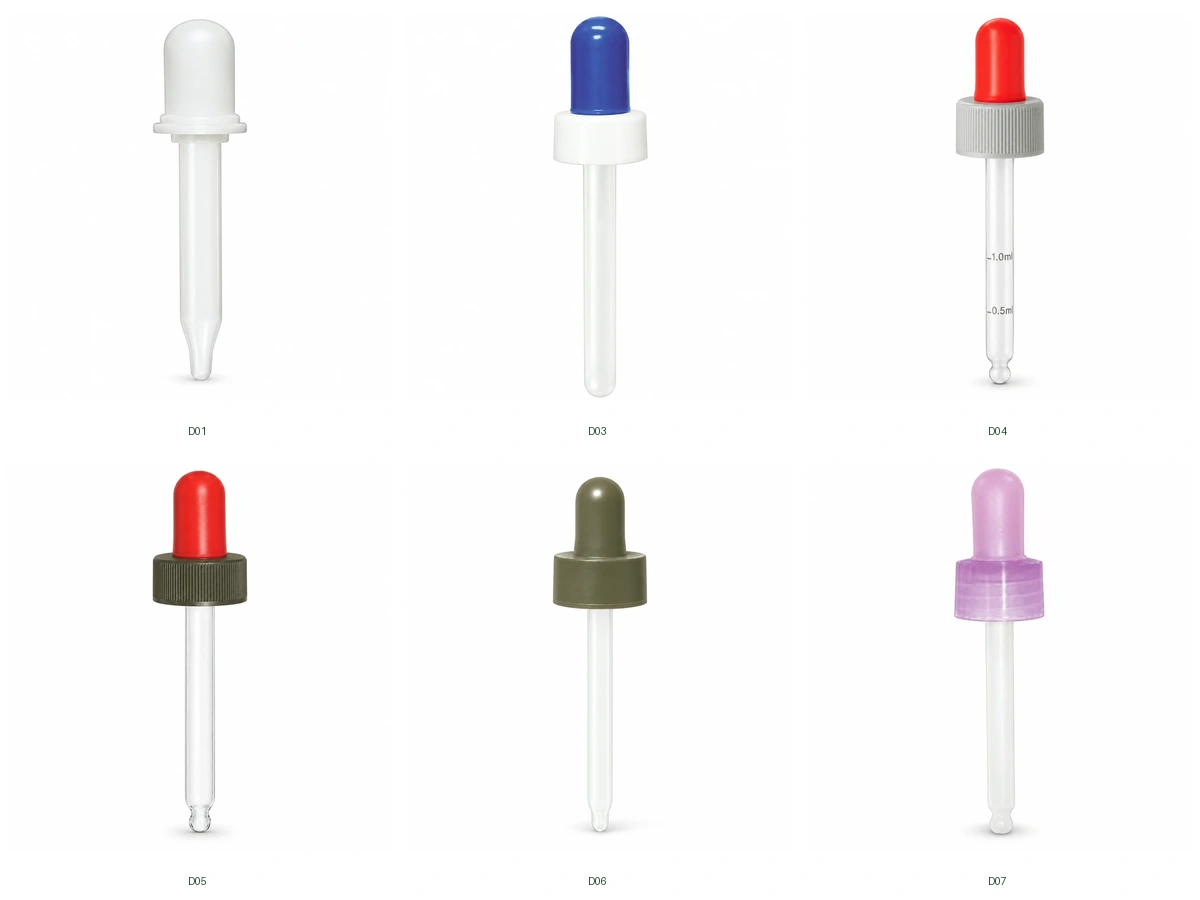
Components to discuss with your supplier.
These references share the component type discussed here. Confirm the selected assembly and application with samples.
VIEW THE COMPONENTS