THE DECISION IN BRIEF
Can we order the pipette at the same length as the bottle height?
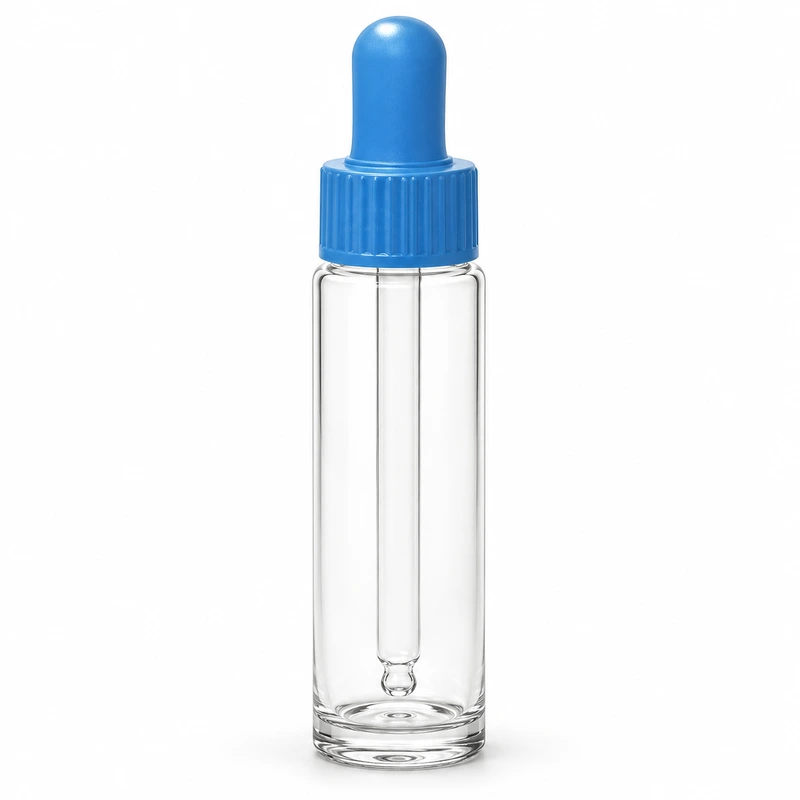
Use the internal bottle geometry and installed closure position. Confirm clearance and pickup on assembled samples; outside height does not define the usable pipette length.
Agree where length starts and ends
A request for a long pipette leaves room for different interpretations. Ask the supplier to mark the measurement reference on a drawing of the selected assembly. Include the installed collar position and lowest point of the tip. Quoted lengths are not comparable until those reference points are the same.
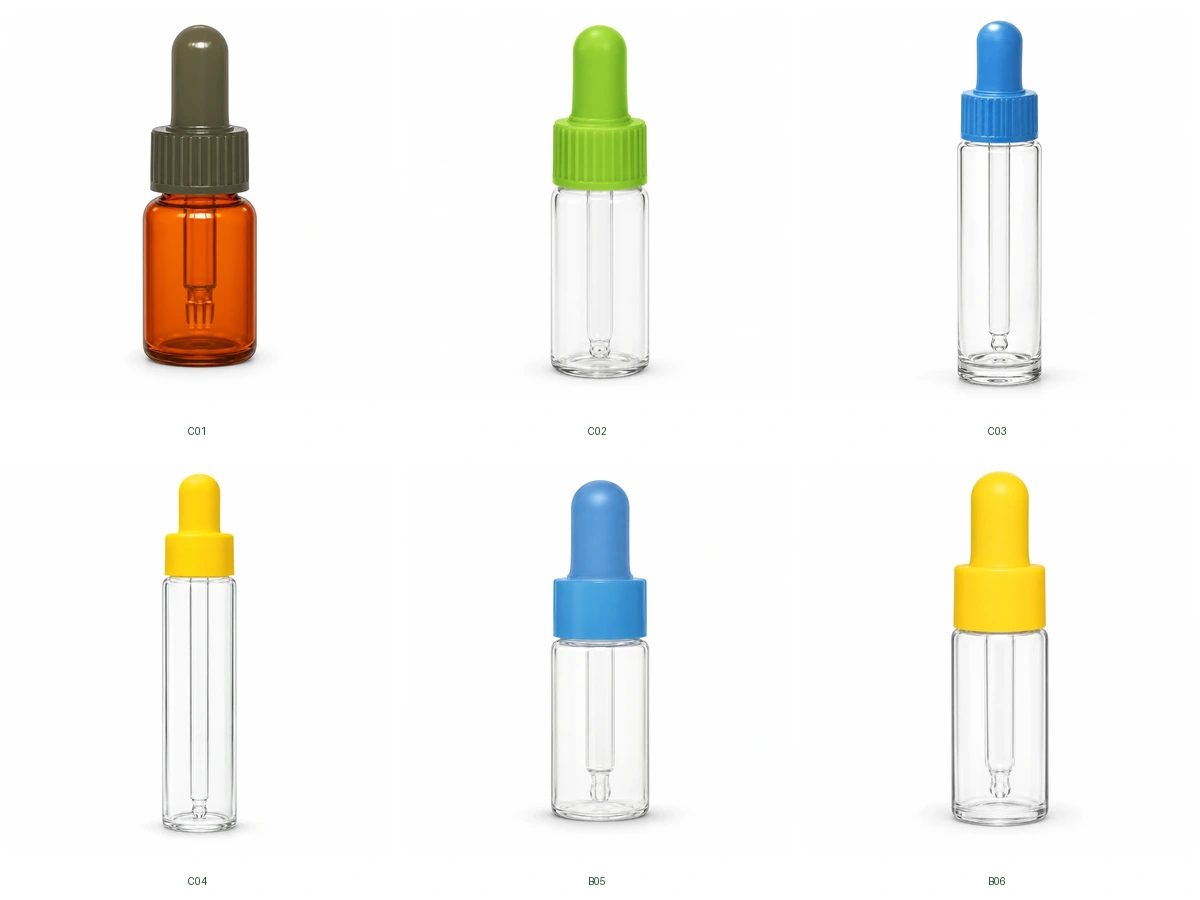
Use the interior of the intended bottle, including its base shape and shoulder, rather than external height from a sales sheet. A recessed base or thick bottom can change the space available inside. Keep the bottle drawing or measured sample with the request so the supplier can review the complete relationship.
Check tip clearance before discussing evacuation
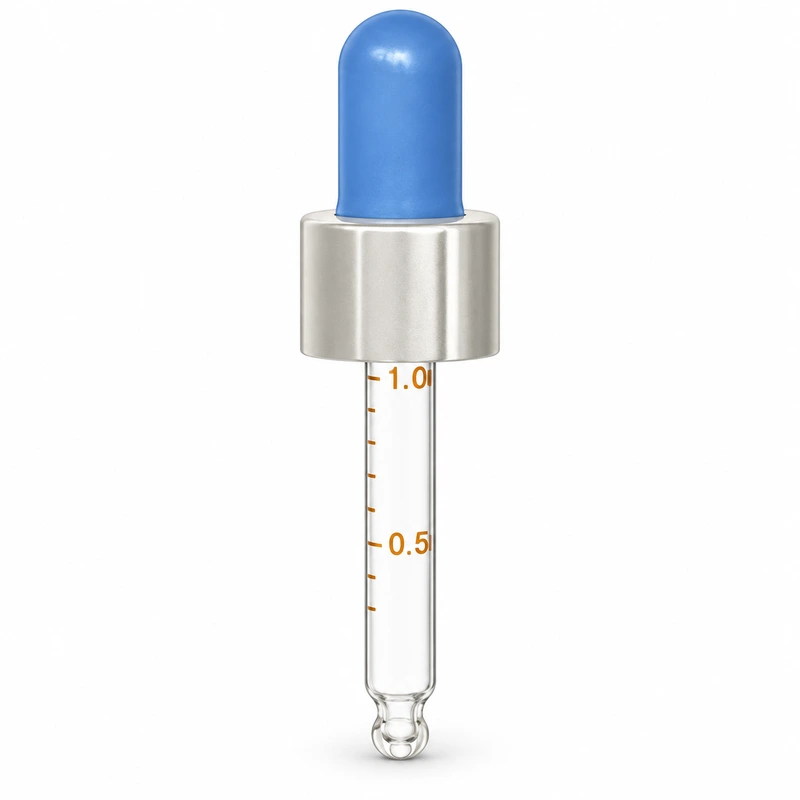
Assemble the proposed pipette without forcing the closure. Look for contact with the base, restriction at the neck and rubbing during insertion or withdrawal. A rigid pipette that reaches the bottom is not automatically a good fit. Evaluate seating and tip condition on the selected construction.
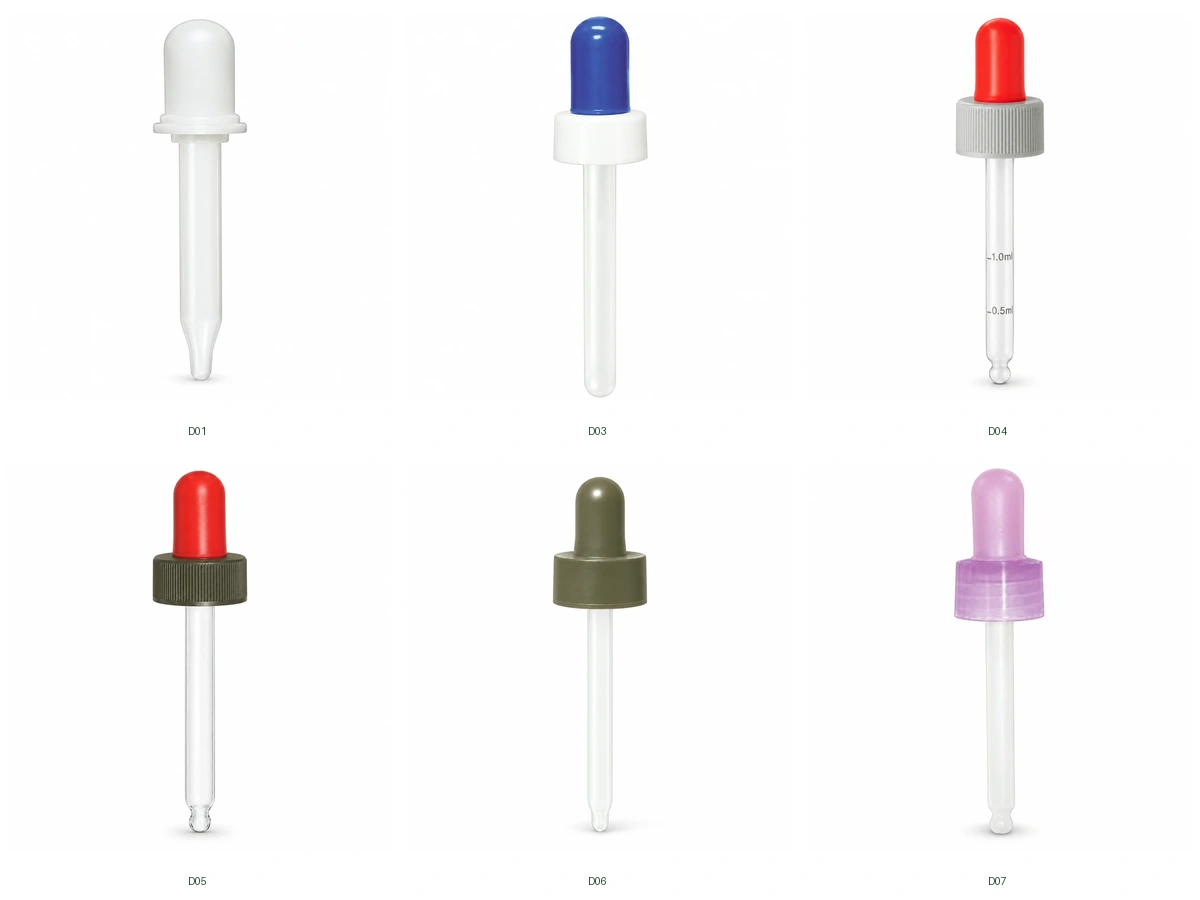
Inspect the tip shape as a separate specification. Straight, rounded and angled appearances should not be treated as interchangeable catalogue styling. Ask which tip is being supplied and compare the assembly with its drawing and retained sample. Do not infer bore size or pickup behaviour from the outline of a photograph.
Reproduce the last usable fill
Check pickup with the real formula at high and low fill levels, using the intended handling angle. Record remaining product by an agreed method if evacuation affects the decision. A demonstration in water does not establish how a thicker or more wetting formula will move into and out of the pipette.
Include ordinary withdrawal and reinsertion in the assessment. Watch whether the pipette touches the neck, retains a visible film or releases liquid onto the collar. These observations may require changes to the bottle, pipette or instructions. Increasing length alone can leave the original handling problem unresolved and create a clearance issue.
Approve a geometry, not a convenient number
Put the pipette material, length reference, tip form and approved bottle on the specification. Identify which dimensions require supplier confirmation and which were measured from samples. If several capacities share an appearance, establish whether they need different pipettes rather than assuming one assembly serves the whole family.
For an enquiry, send a side view of the bottle, its drawing if available, proposed fill and intended formula. Request representative assembled samples and agree the acceptance method before choosing a final length. Retain an approved sample so later shipments can be checked against the same geometry and component references.
PRODUCT REFERENCES
Components to discuss with your supplier.
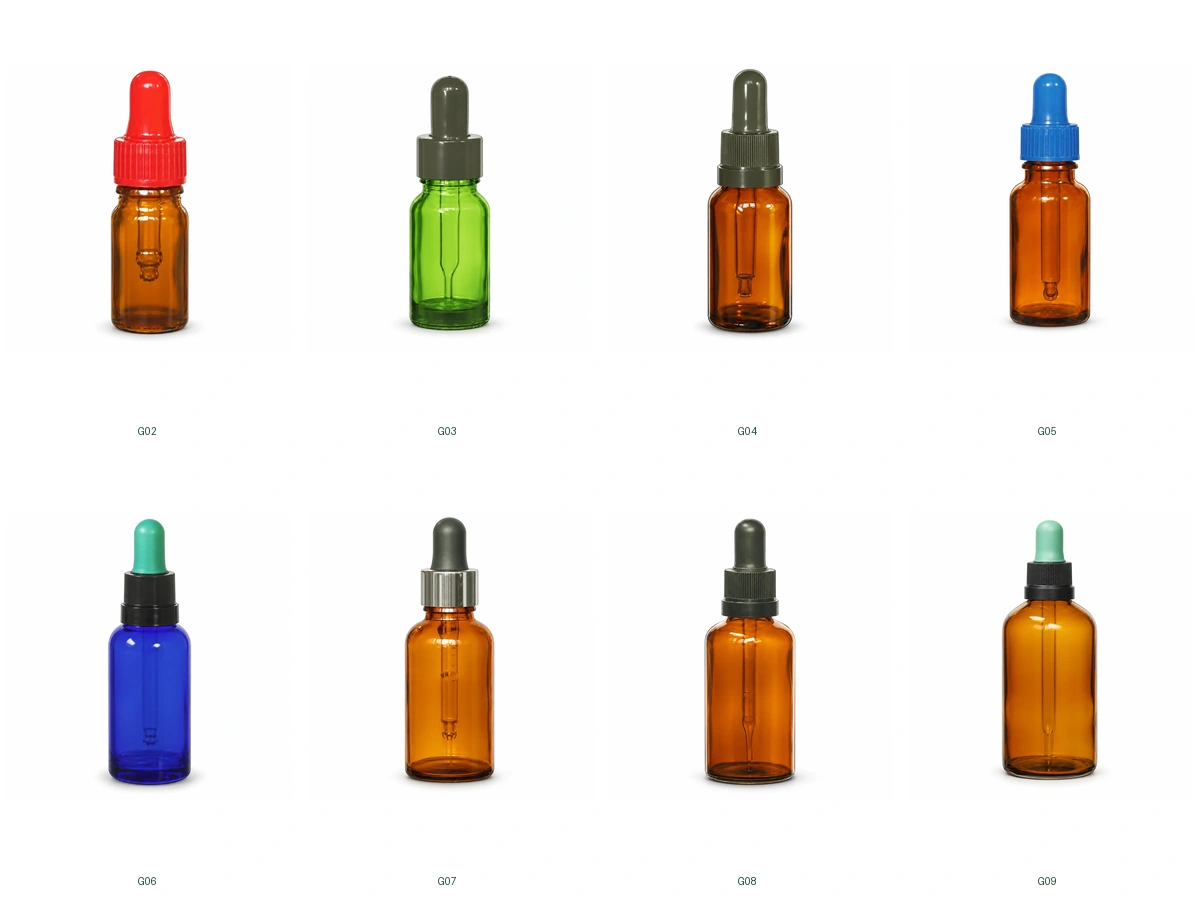
These references share the component type discussed here. Confirm the selected assembly and application with samples.
VIEW THE COMPONENTS