THE DECISION IN BRIEF
A glass pipette looks more premium. Is it automatically the better choice?
Choose the pipette as part of the filled package. Request material identification and evaluate formula contact, handling, geometry and release behaviour for the actual use.
Identify the proposed material accurately
A product image may show a clear or white pipette without establishing its material. Ask the supplier to identify the selected material and construction in writing. Do not label a component glass, plastic or a particular grade because it resembles another catalogue item. A purchasing comparison needs identified alternatives.
Keep pipette and bulb references together when comparing options. A material change may arrive with a different bore, tip shape or length, so a performance difference cannot automatically be attributed to material alone. Ask which features stay the same and which differ before evaluating the alternatives.
Review formula contact and release
Use the intended formula and describe relevant filling and storage conditions to the supplier. Request available application evidence and agree what the project still needs to evaluate. A broad material family does not establish suitability for every formulation, and an attractive transparent component is not evidence of chemical compatibility.
Observe pickup, wall wetting, release at the tip and residue after the dispensing action. Record these separately from colour and clarity. If the formula clings to one candidate, investigate the selected geometry and handling method as well as material. Do not infer a different delivered quantity from appearance alone.
Include handling in the comparison
Check insertion and withdrawal through the actual neck, contact with the base and how users place the dropper during use. Review damage or deformation with the supplier and preserve affected parts. Rigid and flexible components can require different handling considerations, but the selected construction determines the assessment.
Consider the assembly and packing process too. Explain whether pipettes arrive loose, assembled into closures or fitted to bottles. Identify protection required for shipment to the filling site and checks performed before filling. A component that works in a hand sample can still need a different production handling arrangement.
Compare complete quotations
Ask both alternatives to state the pipette reference, material, dimensions, tip, bulb pairing, packing and unresolved application questions. Keep price differences visible without treating a lower component price as the whole decision. Additional assembly controls, inspection or packaging may affect the practical comparison and should be discussed with the relevant teams.
Retain the chosen configuration and reason for selection in the approval record. If the supplier later offers an equivalent material, compare its specification and application evidence before accepting it. A material name carried across a quotation does not guarantee the same pipette geometry, manufacturing process or filled-package behaviour.
PRODUCT REFERENCES
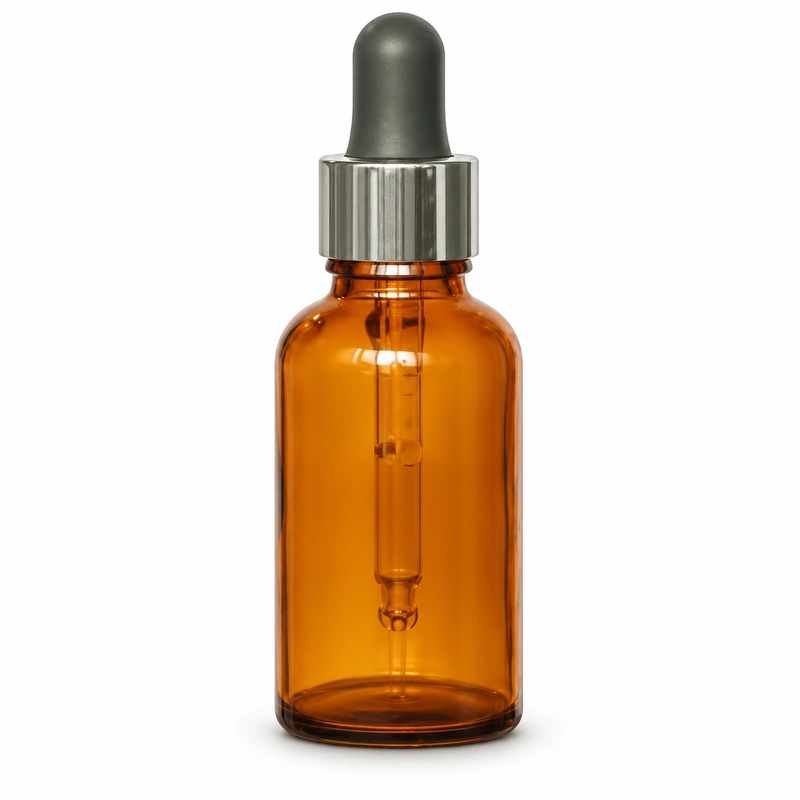
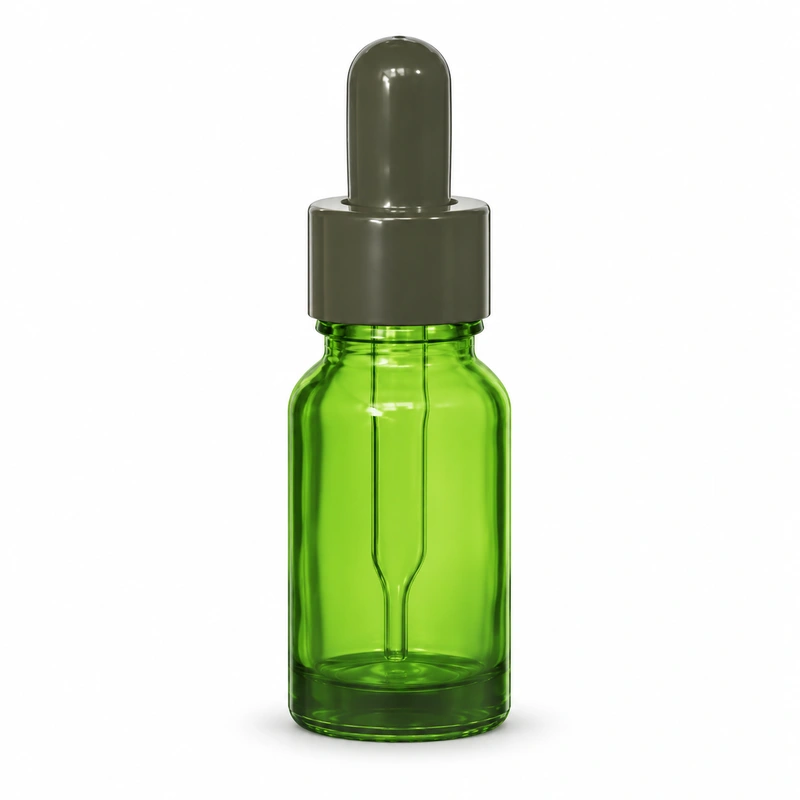
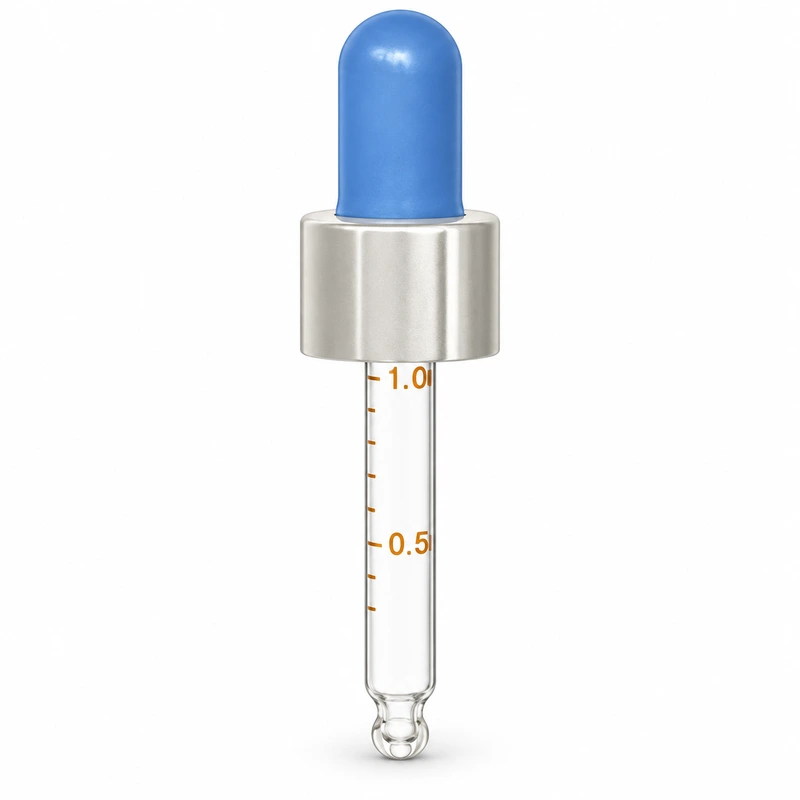
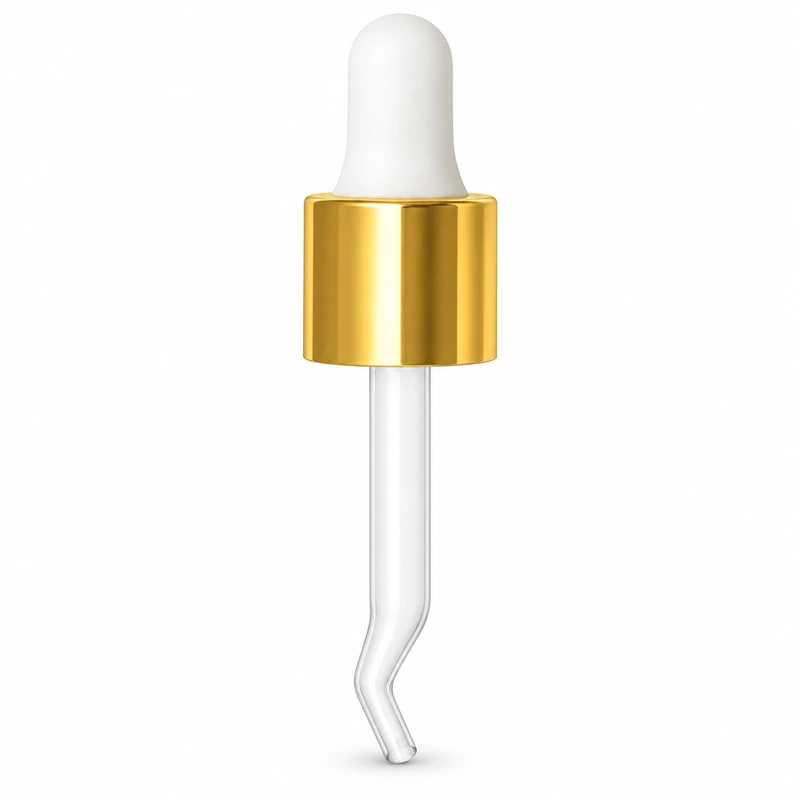
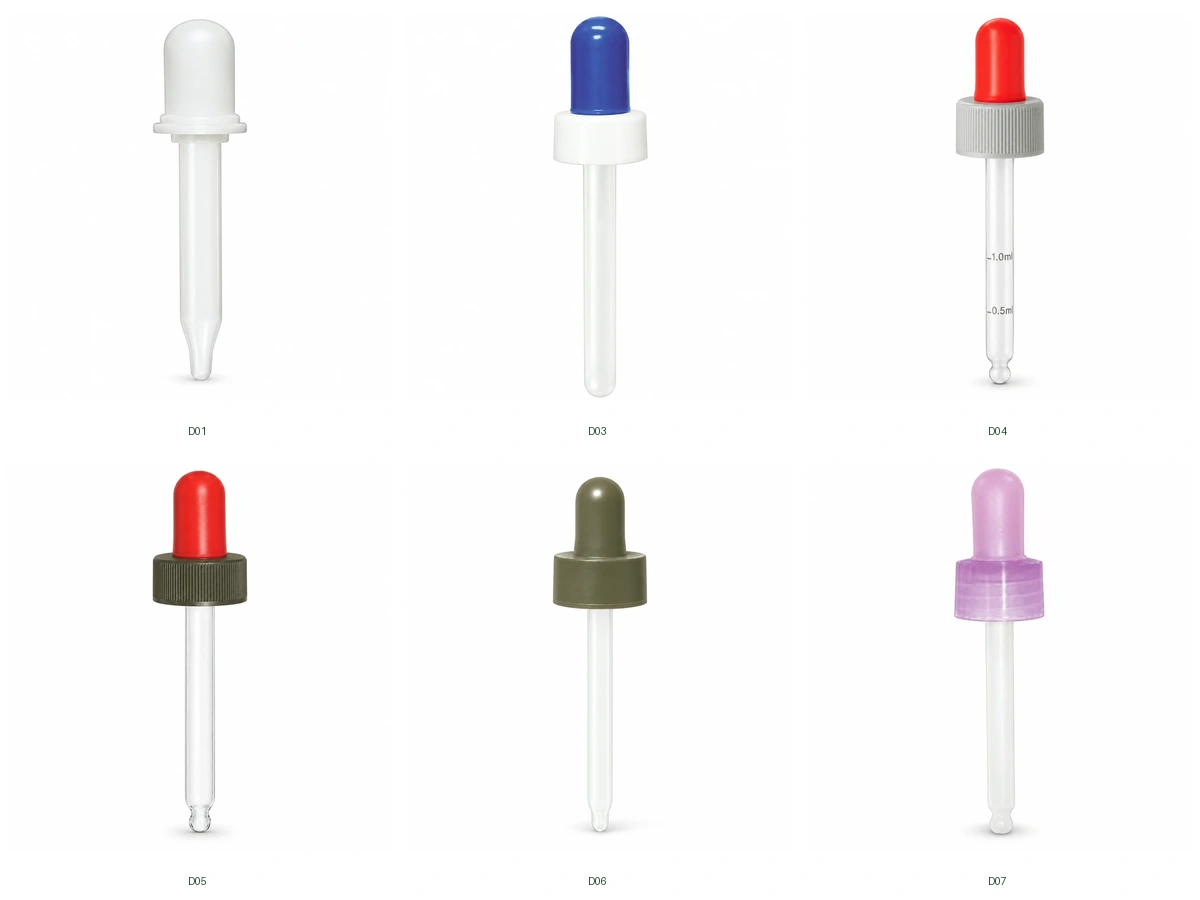
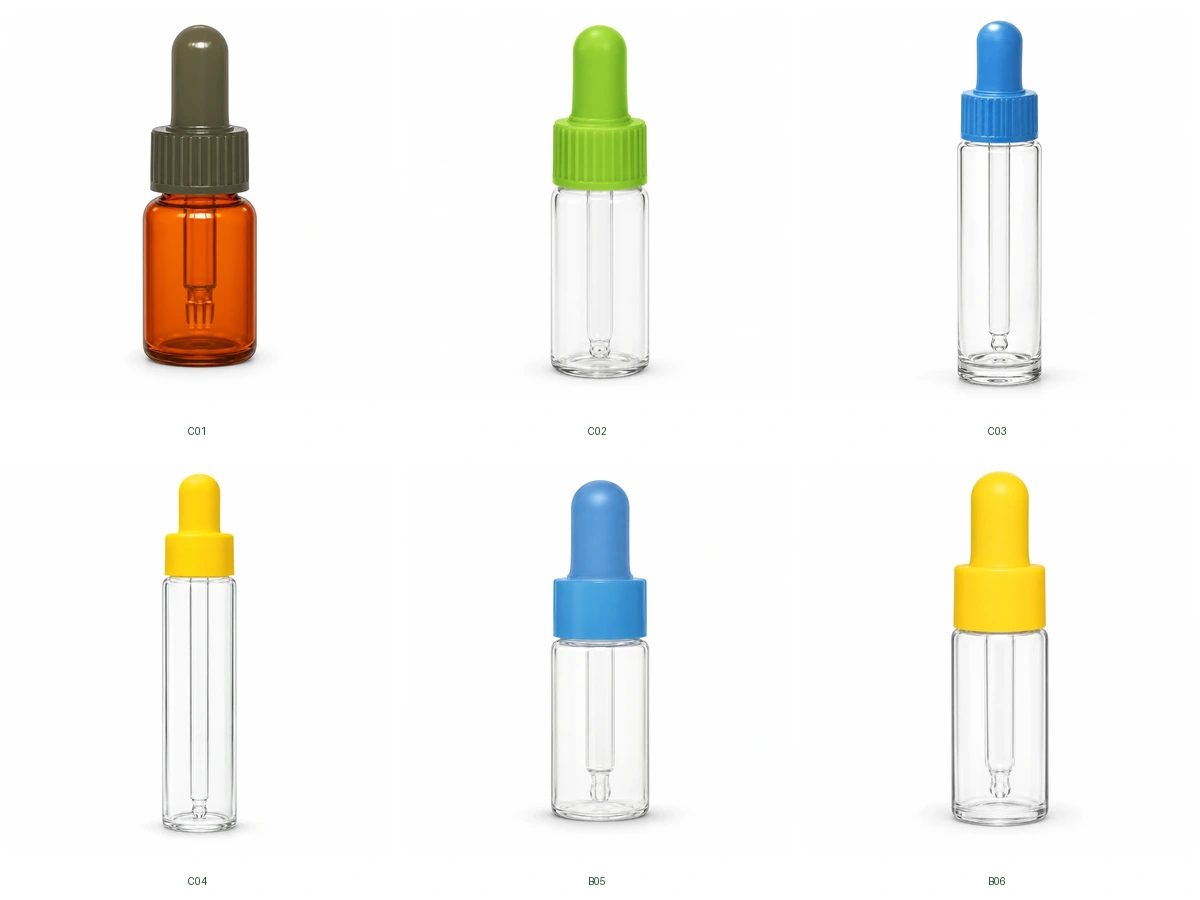
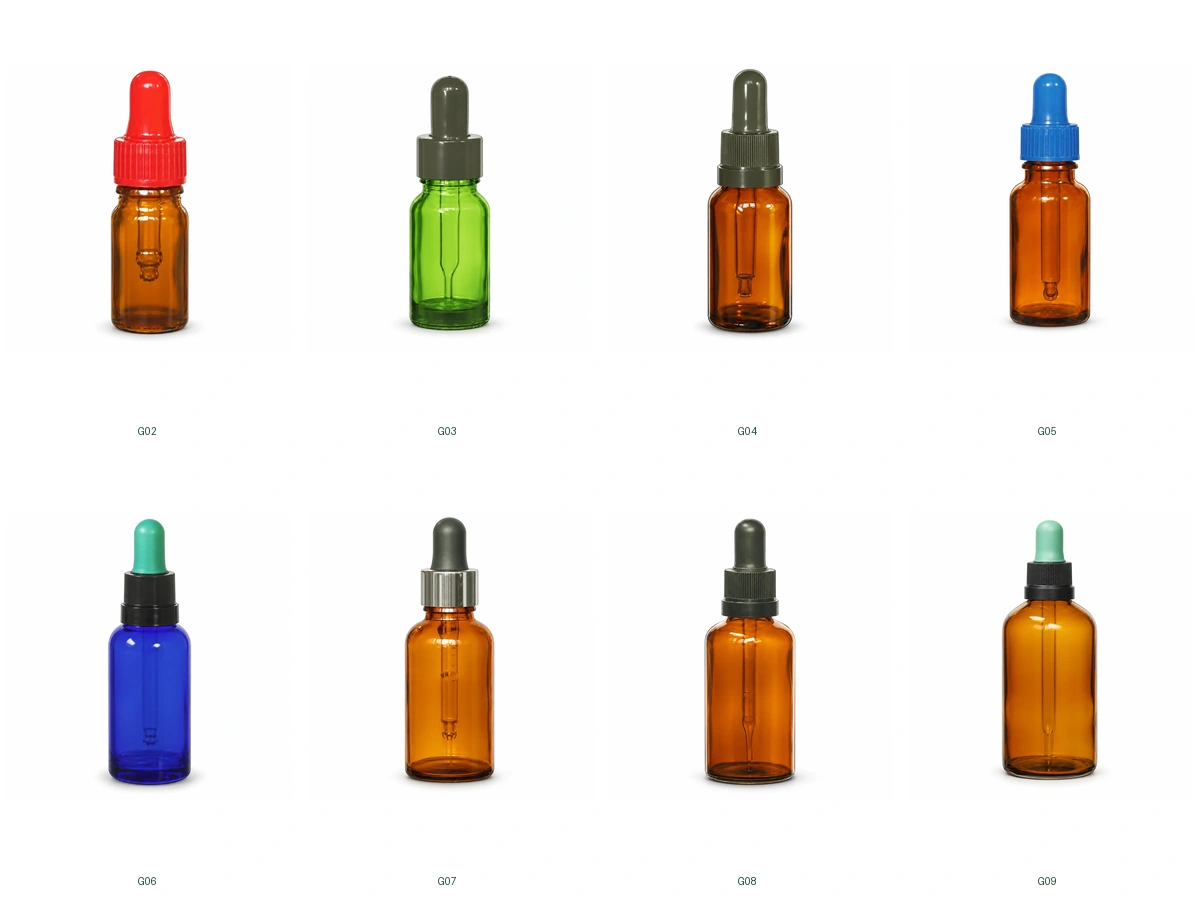
Components to discuss with your supplier.
These references share the component type discussed here. Confirm the selected assembly and application with samples.
VIEW THE COMPONENTS